
Design & Inspiration
Beyond Interfaces: Yi Hsing (Kayla) Chen on Native and Meaningful Digital Experiences
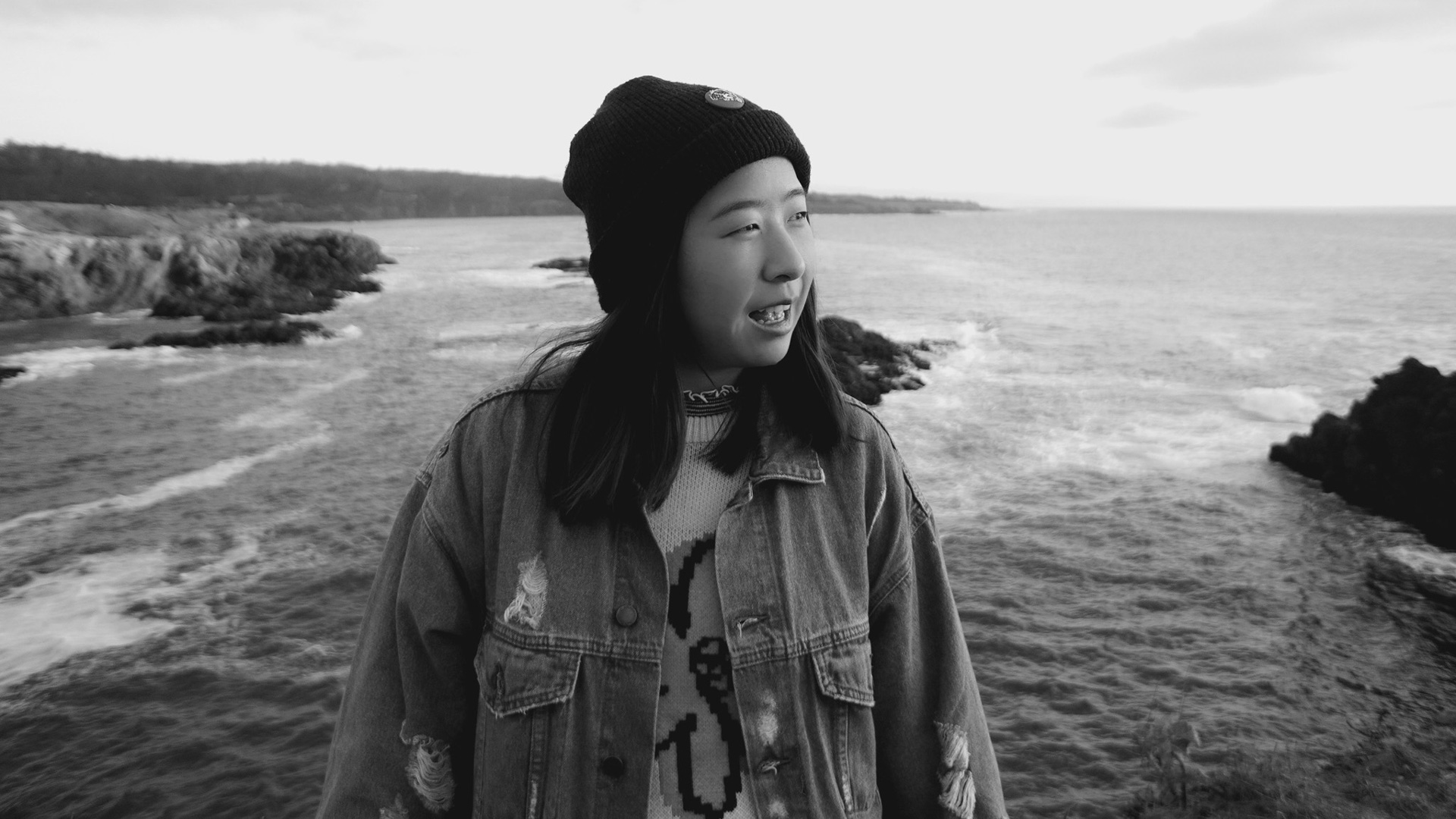
Yi Hsing (Kayla) Chen
Yi Hsing (Kayla) Chen has been drawn to visual expression since childhood, from doodling and poster design to discovering theater design in college. This experience sparked her interest in design across physical and digital spaces, shaping her multidisciplinary practice.
I have been drawn to visual expression from a very young age, from doodling to designing posters for classroom decorations. In college, I unexpectedly encountered theater design, where I worked with physical stage sets, video projections, and costume design. Through that experience, I became deeply fascinated by how design can take many forms and exist across both physical and digital spaces.
What ultimately led me to pursue design as a career was seeing how my work could help audiences engage more deeply with a story. When design enhanced the emotional impact of a performance and I could feel the audience’s response, I realized its power to shape experience rather than simply decorate it.
After moving to New York, I began exploring a wider range of new media and interactive design practices, which expanded my understanding of design beyond storytelling alone. Design can communicate complex ideas, invite participation, and carry meaningful social messages. I believe good design is a purposeful skill, whether used to build connection, improve usability, or amplify voices that deserve to be heard.
Being recognized by the MUSE Design Awards affirms both my creative process and the outcomes it produces. It demonstrates that work grounded in thoughtful research, experimentation, and iteration can resonate with a wide range of readers, users, and audiences.
More importantly, this recognition encourages me to continue creating design that goes beyond aesthetics to foster connection, invite reflection, and carry meaningful intent. It serves as a reminder that purposeful design has the power to transcend contexts and cultures.
Winning the MUSE Design Awards has strengthened both my career direction and our studio’s confidence. It validated our ability to expand beyond game design into broader digital experiences, including website and interactive platform design.
This third-party recognition has played an important role in reinforcing trust both internally and externally when engaging with new clients and collaborators. It has opened conversations with potential partners who may not have discovered our work otherwise and has encouraged us to pursue more interdisciplinary and collaborative projects.
Experimentation plays a crucial role in my creative process because it allows abstract ideas to become tangible prototypes that can be tested, challenged, and refined. Rather than assuming an idea will work, I use experimentation to evaluate whether the medium, interaction, and visual language truly align with the intended experience.
While designing the battle UI for Five Mics’ digital hip-hop trading card game, experimentation was essential due to the high information density typical of TCGs. I explored multiple layout variations for the battle scene, testing different levels of information visibility, such as displaying only essential data like card names, health, and decks versus revealing additional contextual details. I also experimented with color palettes, hierarchy, and the balance between expressive visuals and negative space to maintain clarity.
Through iterative prototyping and user testing, these experiments revealed which combinations supported faster comprehension and smoother decision-making without sacrificing the game’s visual identity.
One of the most unusual sources of inspiration for my work came from a snack my father sent from my home country. While eating it, I was surprised by how emotionally grounding the experience felt, which led me to question why such an ordinary food could carry so much meaning.
That moment became the starting point for my interactive installation Story of Food. I began researching how food relates to memory, identity, and belonging, particularly among international students. Through surveys and conversations, I discovered this was a shared experience: food was not merely about consumption but a living practice of culture, memory, and self-definition.
The project ultimately evolved into an interactive hotpot installation. Participants were invited to “poke” into the pot as if eating, triggering video stories connected to each dish. By transforming a familiar dining ritual into an interactive experience, the work encouraged audiences to reflect on how everyday practices carry personal and collective histories.
One thing I wish more people understood about the design process is that it is rarely linear or polished from the start. It often involves frustration, compromise, and constant reevaluation driven by usability testing, visual clarity, and technical constraints. Some ideas must be adjusted or let go because they are too complex to build, too time-consuming to develop, or simply outside the scope of an MVP.
From my experience, design does not stop when something appears “finished.” Once user testing begins and development is underway, the work continues to evolve. Designs are meant to change, adapt, and improve through feedback and real-world constraints. This ongoing process of iteration is not a setback but an essential path toward creating more thoughtful, effective solutions.
I navigate this balance by treating client expectations as an essential part of the design process rather than a limitation. Clients, who are ultimately users, bring perspectives shaped by their goals, audiences, and business constraints. While I once felt frustrated when preferences conflicted with my initial ideas, I remind myself that design’s primary purpose is to be useful, supportive, and effective.
When client preferences differ from my design instincts, I communicate the reasoning behind my decisions clearly, using user insights, usability considerations, and technical implications. I view my role as guiding the conversation and offering informed recommendations while allowing clients to make final decisions with a deeper understanding of the trade-offs involved.
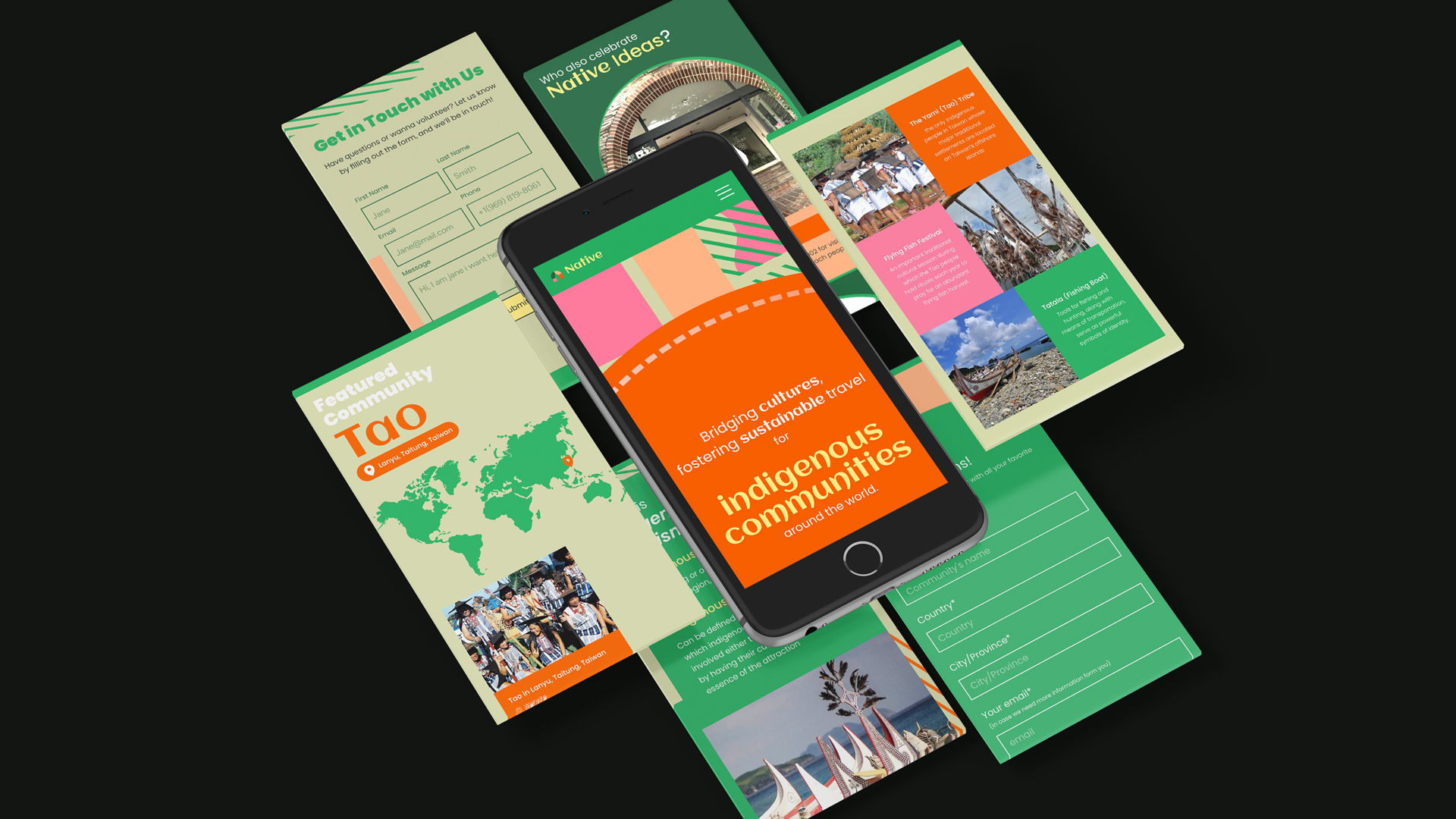
One of the main challenges I faced while designing the Native website was finding the right balance between creating a welcoming experience and presenting cultural context responsibly. On one hand, I wanted the site to feel dynamic, vivid, and approachable, reflecting the living nature of Indigenous communities and encouraging users to explore further.
On the other hand, the platform’s core mission is to advocate for respectful and mindful travel, which requires care and sensitivity in how information is presented.
To address this tension, I focused on creating an inviting visual and interactive entry point without compromising the message. I used a bright, warm color palette paired with motion design to keep interactions engaging and accessible. These elements helped lower the barrier to entry, while the content structure and pacing ensured that cultural context and guidelines remained clear and respectful. Through this approach, the design supports both emotional openness and meaningful reflection.
When I encounter a creative block, I intentionally step away from the work. Creative output can become draining when it is not balanced with new input, so I make space to observe, listen, and absorb. This might include taking a walk, reading, or having conversations with others. I believe meaningful design cannot exist without continuous, stimulating input.
Creating distance often allows ideas to reconnect in unexpected ways. Some of my most valuable breakthroughs occur not at my desk, but during moments of rest, reflection, or everyday observation.
I consistently infuse playfulness and social awareness into my design work. On a practical level, I see playfulness as a powerful design tool that lowers barriers, invites curiosity, and enables complex or sensitive topics to reach wider audiences. When people feel welcomed and engaged, they are more willing to interact and develop their own understanding.
On a deeper level, my work is guided by values such as inclusiveness, cultural representation, and well-being. For example, Native was created to advocate respectful tourism by centering Indigenous perspectives through an approachable website. In my professional work at Five Mics, I contribute to a hip-hop trading card game that celebrates a specific cultural community, using design to make that culture accessible and visible through play.
I also created a quarantine postcard kit during the pandemic to offer isolated individuals a tactile, playful way to process their emotions. Across these projects, my goal is to create engaging, thoughtful design that fosters awareness, connection, and meaningful participation.
It is okay to move at a different pace than others. Creative careers are rarely linear, and success does not follow a single timeline. What matters most is staying connected to what genuinely interests you and allowing curiosity to guide your growth.
It is also important to live fully. Experience, observation, and human connection nourish creativity in ways that constant productivity cannot. By giving yourself permission to explore, rest, and evolve, you build a stronger foundation for a sustainable and meaningful design practice.
If I could collaborate with any designer, it would be Paola Antonelli. I deeply admire how she has consistently expanded the definition of design beyond objects and aesthetics, framing it as a cultural, ethical, and social practice. Her work demonstrates how design can shape conversations around values, responsibility, and the systems we inhabit.
A collaboration with her would be especially meaningful because much of my work sits at the intersection of interaction, culture, and social impact. I would be excited to explore how interactive and experiential projects can further amplify underrepresented voices and foster more inclusive public dialogue.
One question I wish people would ask me is how I balance play and critical reflection in my work.
I view playfulness not as a way to soften critical topics but as a strategic entry point. Play lowers emotional and cognitive barriers, making people more willing to engage with subjects that might otherwise feel distant, heavy, or confrontational. In my work, play often appears first through interaction, visual language, or familiar gestures.
Reflection follows through context, contrast, and consequence. Rather than instructing audiences on what to think, I design spaces where they can encounter complexity, make choices, and sit with the outcomes. This balance allows serious ideas to be approached with curiosity rather than resistance while preserving their depth and urgency.
Winning Entry
Explore the journey of Yamei Liao, the Silver Winner of the 2025 MUSE Design Awards. She is a New York–based multidisciplinary digital experience designer who transforms complex technology into intuitive, emotionally resonant experiences by blending systems thinking with artistic storytelling.

Latest Posts
MUSE Creative Awards & MUSE Design Awards Reveal 2026 Season 2 Winn...
OCTOBER 16, 2026
2026 Noble Technology Awards Announces Season 2 Winners Advancing t...
OCTOBER 16, 2026

2026 MUSE Hotel Awards Reveals Hotel of the Year and Season 2 Globa...
OCTOBER 16, 2026

2026 Arte of Beauty Awards Season 2 Winners Revealed, Celebrating E...
OCTOBER 16, 2026
International vs Local Awards | Which Is Better for Marketing?
OCTOBER 14, 2026
DESIGN COMMUNITY | Who Gets Credit for Great Design?
OCTOBER 12, 2026
DESIGN PERSPECTIVES | What Makes Good Design?
OCTOBER 12, 2026
How Awards Build Personal Brand | Marketing Awards Benefits
OCTOBER 7, 2026
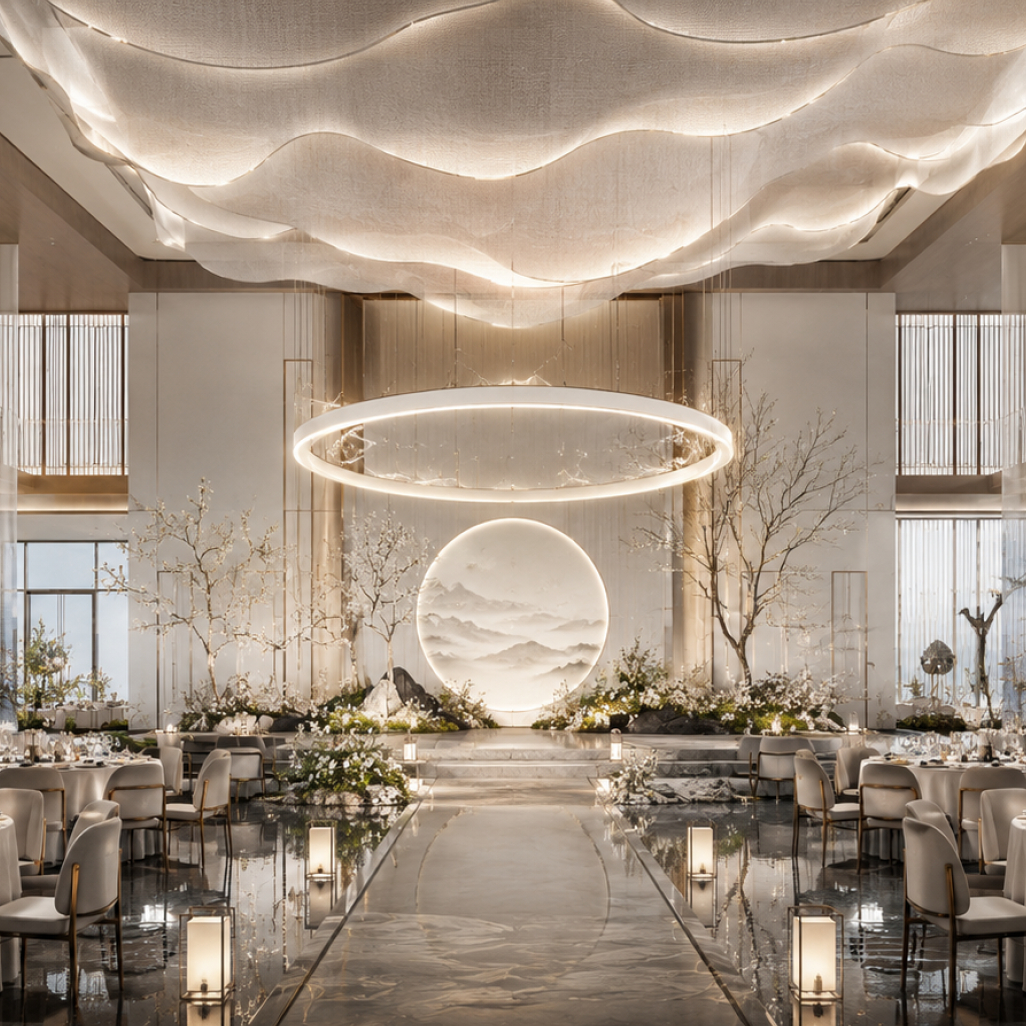
Cloud Banquet Transforms Eastern Inspiration Into Modern Design
OCTOBER 1, 2026

Maxim Hair Restoration Is Shaping a New Era of Personalized Hair Re...
SEPTEMBER 30, 2026
IAA GLOBAL AWARDS
MUSE Awards
- MUSE Creative Awards
- MUSE Design Awards
- MUSE Hotel Awards
- MUSE Photography Awards
- MUSE Event Awards
- MUSE Illustration Awards
Vega Awards
NYX Awards
TITAN Awards
- TITAN Business Awards
- TITAN American Business Awards
- TITAN Property Awards
- TITAN Women in Business and Leadership Awards
- TITAN Health Awards
- TITAN Innovation Awards
- TITAN Brand Awards