Onami
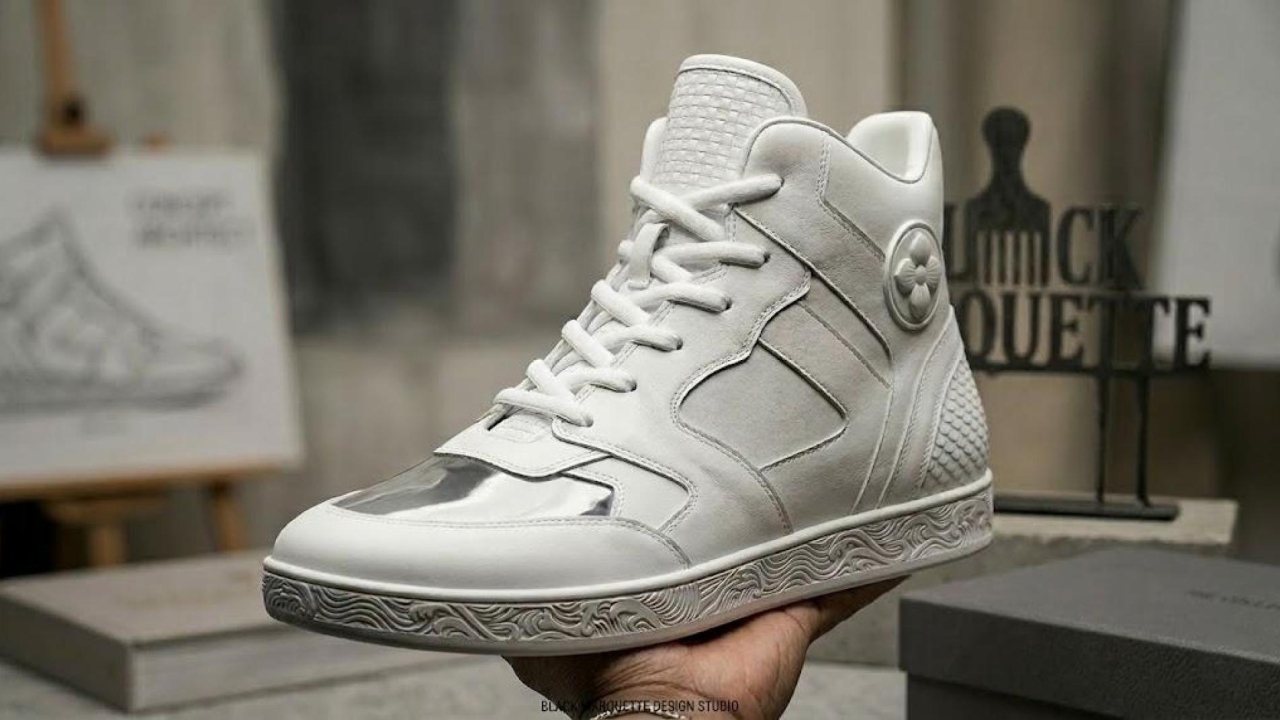
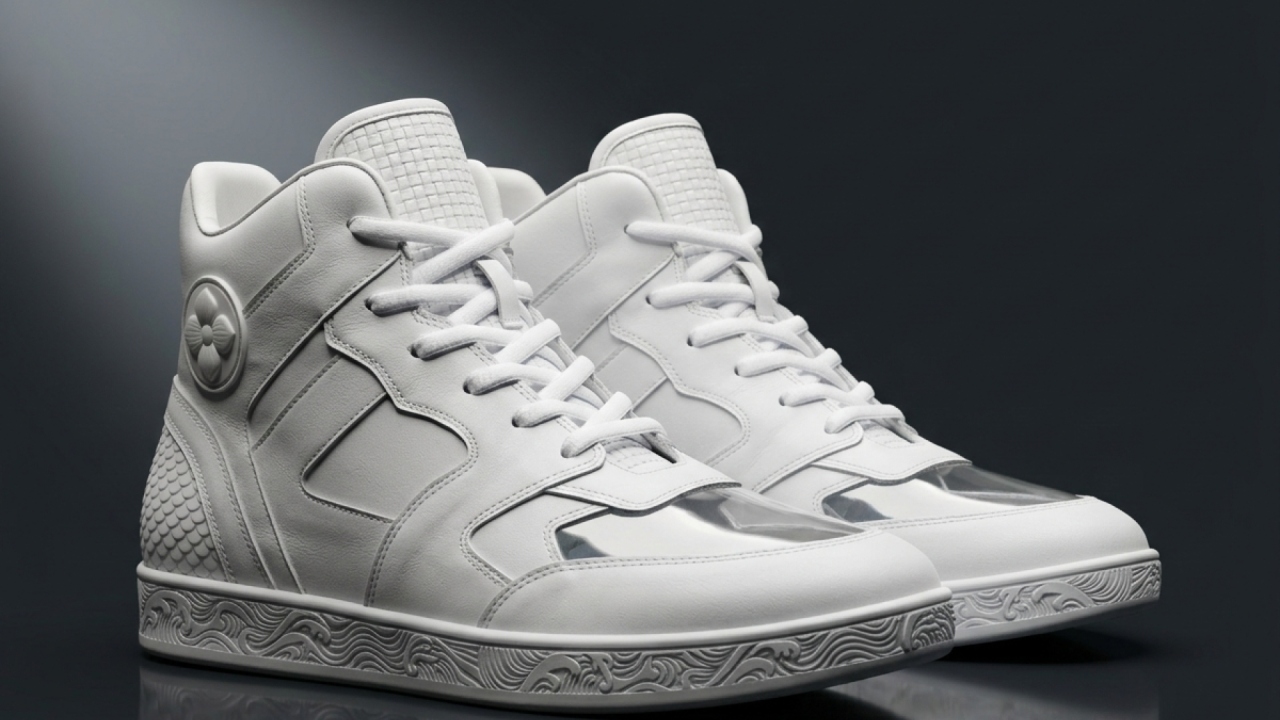
The Tsunami Wave Sneaker by Black Marquette is a fully original footwear concept that merges...
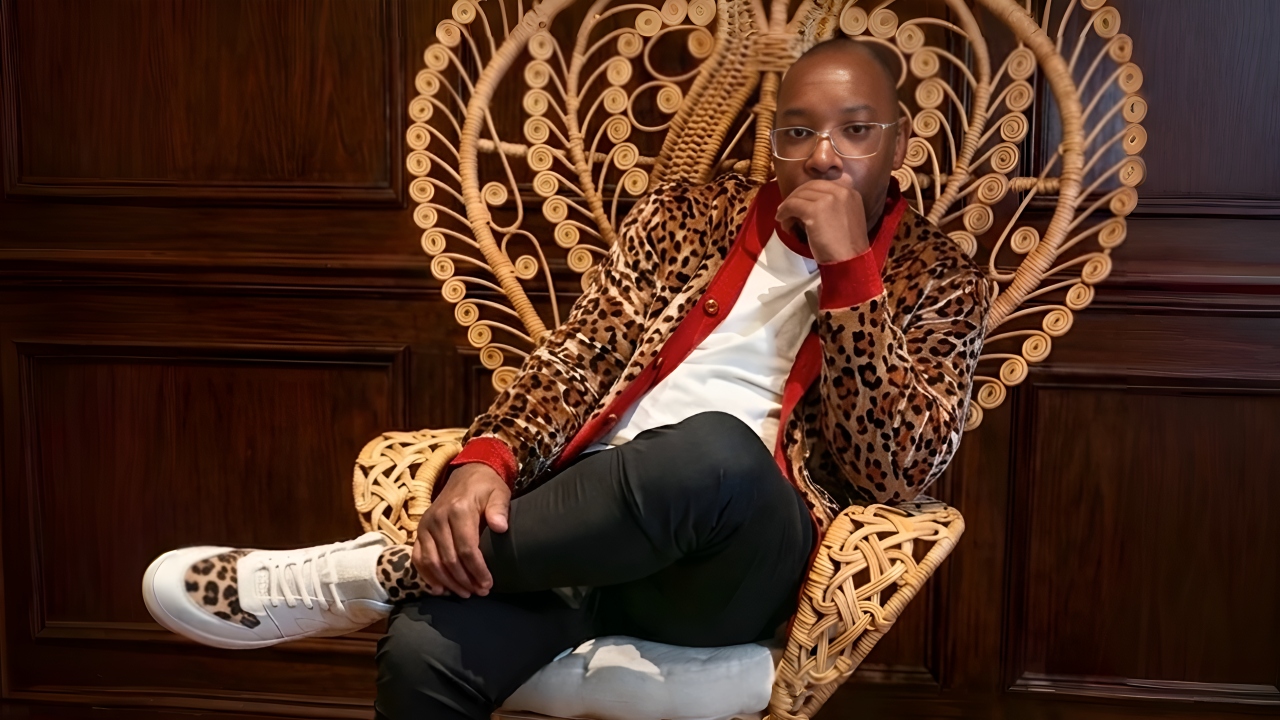
Abdullah AlMansour is the designer behind Black Marquette Sneakers, a studio dedicated to narrative-driven, original footwear. His award-winning design explores an architectural approach, featuring a wave-inspired sole influenced by Japanese tsunami imagery and a form-led identity. His work challenges conventional sneaker design by prioritising structure, storytelling, and collectability over traditional branding.
Thank you—I truly appreciate the recognition.
The awarded design is part of my brand, Black Marquette Sneakers, a studio focused on creating original, narrative-driven footwear. Rather than building on existing templates, I design each silhouette from the ground up, treating the shoe as both a functional object and a sculptural form.
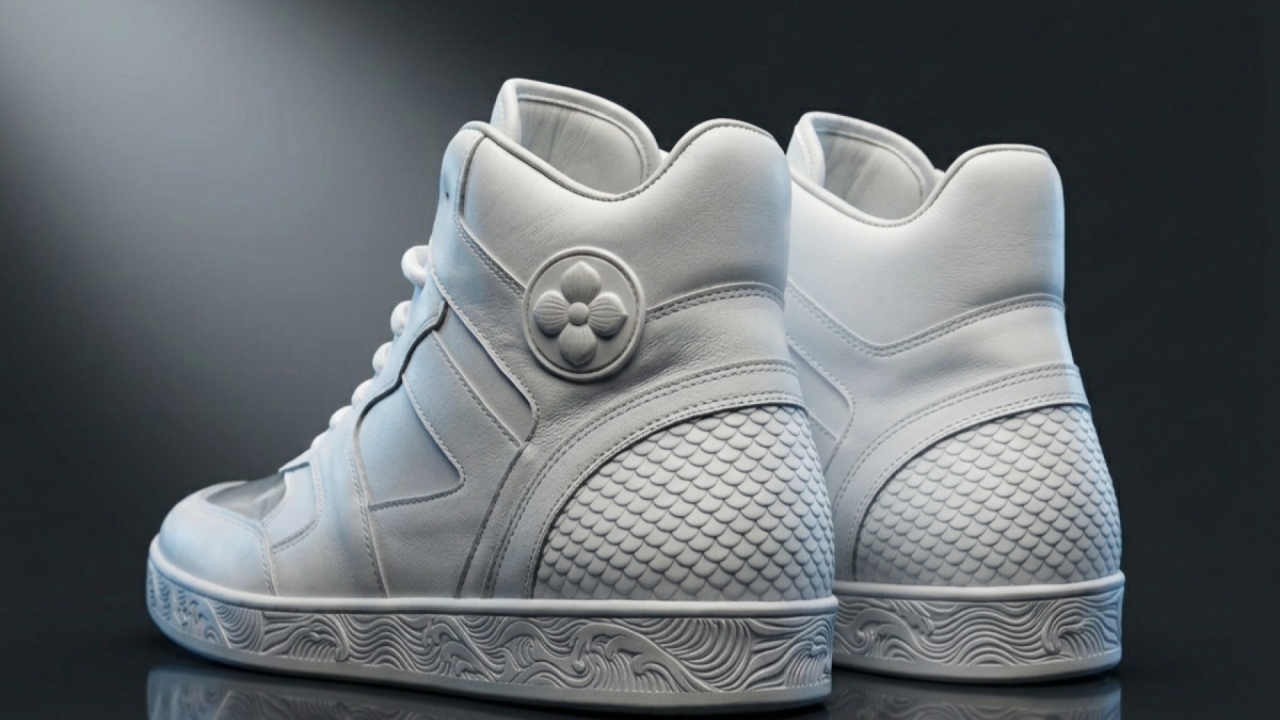
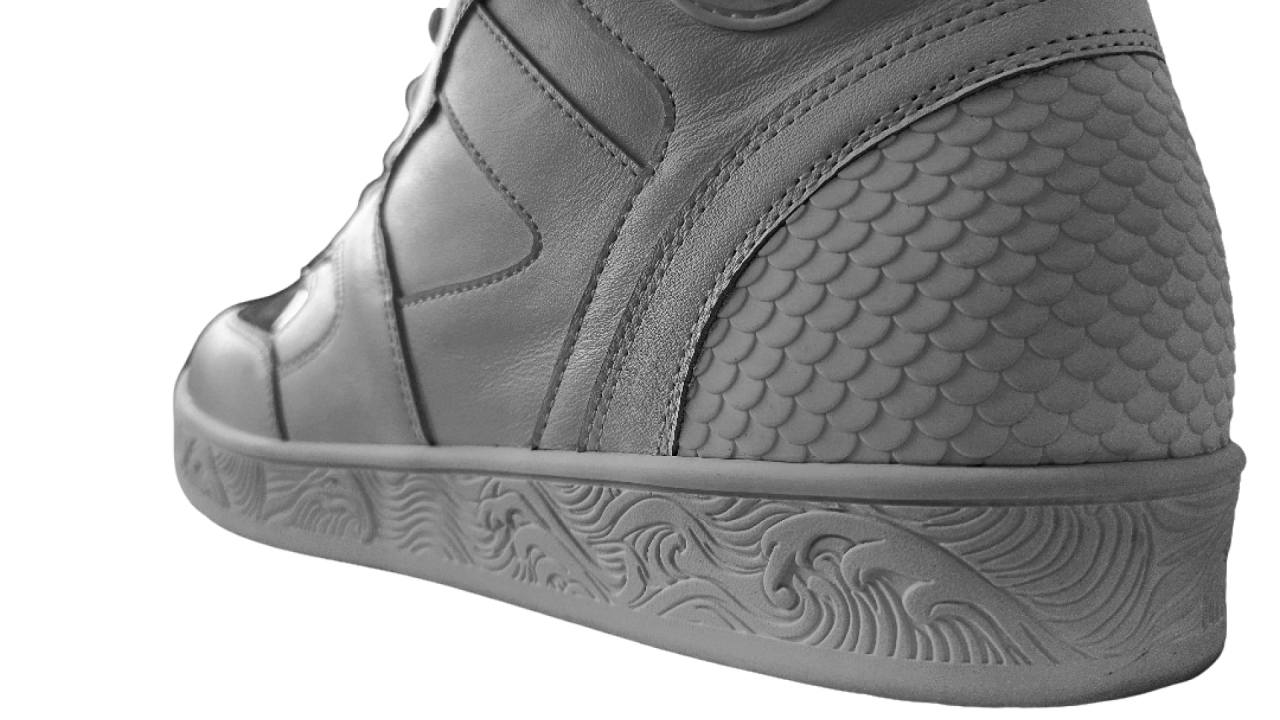
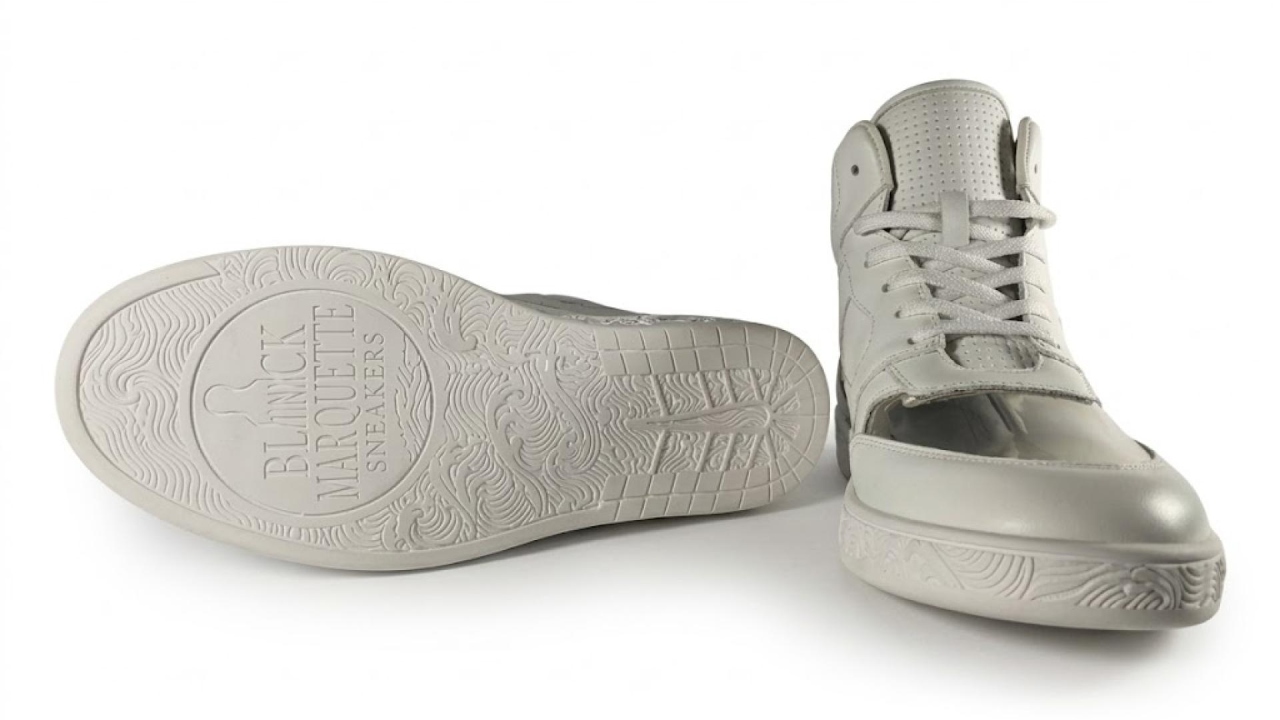
The piece recognised by the French Fashion Awards explores this philosophy through an architectural approach. It features a wave-inspired sole derived from Japanese tsunami imagery, paired with bold proportions and integrated storytelling elements that extend beyond surface-level graphics. Every detail is intentional—the structure itself carries the identity of the design, rather than relying heavily on logos or conventional branding.
As a designer, my goal is to move away from the repetitive cycle often seen in footwear and instead create pieces that feel collectable and distinct. Black Marquette operates at the intersection of fashion, art, and narrative, with each design functioning as a standalone concept.
This award is especially meaningful because it affirms that there is space in the industry for originality—for footwear that prioritises form, story, and innovation over familiarity.
The piece that best represents my ideas is the Wavegaud™ sneaker.
It captures everything I aim to do as a designer—create footwear that feels like a fully realised concept rather than a variation of something familiar. The silhouette is built from the ground up, with a sculptural sole derived from wave geometry and an upper that supports that motion rather than competing with it.
What makes it representative is the balance between structure and narrative. The waveform is not just aesthetic—it drives the identity of the shoe. It reflects movement, force, and continuity, while also referencing natural phenomena in a way that feels intentional and controlled.
It also embodies my broader philosophy of infusing story into the tapestry of the silhouettes. The Wavegaud™ establishes its own visual language—something that can be recognised without needing a logo.
More than anything, it shows how I approach design: starting with an idea, translating it into form, and ensuring that every element of the shoe contributes to that story.
My path into fashion started early. In high school, I was part of the Mervyns Trend League—a U.S. retail program that gave students hands-on exposure to fashion and how trends actually move.
But the real shift came later. As an adult, I started custom-painting sneakers. That’s when things clicked. I wasn’t just wearing design anymore—I was changing it. I was taking something finished and making it my own.
After a while, that stopped being enough.
I realised if I really wanted to express my ideas, I couldn’t keep working on top of someone else’s silhouette. I had to build from the ground up. Creating my own sneaker wasn’t a leap—it was the next step.
What motivates me now is simple: I don’t like repetition. A lot of the industry runs on recycling the same ideas, and I’m more interested in creating something that feels new—something you can recognise without being told what it is.
For me, it’s about pushing past what already exists and making something that holds its own.
Honestly, it’s a bit of both—but probably not in the traditional sense.
I don’t operate out of a big studio. Most days, it’s just me—usually after work—sitting down and building ideas out piece by piece. It’s a very direct process. No team, no noise, just focus.
There’s a lot of back and forth—refining concepts, adjusting proportions, rethinking details. Some days feel calm and locked in, where everything is clicking. Other days are more chaotic, where I’m pushing through iterations trying to get a design exactly where it needs to be.
So it’s not chaos in the loud sense—it’s more internal. Constant refinement.
At the end of the day, it’s a very hands-on, personal process. Every design comes directly from that space—just me, the idea, and the work it takes to get it right.
Sculptural, narrative-driven and competitive.
The “aha” moment came after I won a category award at the Global Footwear Awards. That recognition gave me a level of confidence I didn’t have before.
Up until that point, I knew my work was different—but I wasn’t sure how it would be received on a larger stage. My designs are niche and don’t follow the typical formulas of the industry.
Winning that award made me realise that what I was creating could resonate beyond my own perspective. It validated the direction I was taking and showed me there was an audience for it.
That’s when I knew it was worth submitting to the French Fashion Awards.
If fashion had no rules, I’d create footwear that’s fully interactive—something with moving parts that responds to the wearer.
I’d design a sneaker where elements of the sole or upper shift with motion, not just for function but as part of the visual experience. As you walk, the shoe would subtly transform—almost like a living structure.
The goal would be to blur the line between footwear and mechanism. Not just something you wear, but something that moves with you and becomes part of the performance.
At that point, it’s no longer just a shoe—it’s an experience.
I’d love to see a stronger return to originality, where both the audience and the designer are willing to take more chances.
There’s a lot of consistency in the industry right now, which has its place, but I’m always drawn to moments when designers take risks and introduce something completely new. Those are the designs that truly move things forward.
If anything, I’d like to see more of that—a greater willingness to explore new forms and push beyond what’s familiar.
At this stage, I’m still early in my journey, so my focus is primarily on artistic direction.
I haven’t fully had to balance those pressures yet, but I’m aware that commercial viability is part of building something sustainable. For now, I’m intentionally prioritising design—developing a clear identity and creating work that feels authentic and distinct.
I see it as a foundation. Once that identity is established, the commercial side becomes about translating those ideas in a way that can scale without losing what makes the work unique.
So it’s less about balancing right now and more about building something worth balancing later.
If I could collaborate with anyone, it would be Pharrell Williams.
He has a unique ability to move between music, fashion, and culture while still keeping a clear identity. His work always feels fresh but still accessible.
I think we would create something that balances creativity and wearability—something bold in form, but still able to reach a wide audience. It would be a sneaker that carries strong design language but also connects culturally, not just visually.
The goal would be to merge my sculptural approach with his sense of rhythm and cultural awareness—creating something that feels both innovative and widely impactful.
Success in fashion, to me, is earning a seat at the table.
Not just being seen, but being taken seriously—having my work stand alongside established designers and contribute to the direction of the industry. It’s about being part of the conversation, not outside of it.
Fame comes and goes, but having a voice that’s respected and a perspective that influences what comes next—that’s what matters to me.
If my work can help shift the standard, even slightly, then that’s success.
I see fashion as cyclical—like the wave on my soul. It rises, falls, and returns.
Trends don’t disappear; they come back in new forms. Fashion will continue to revisit older designs and reinterpret them retroactively, giving them new context and meaning for a different time.
Where I see myself in that is contributing something original to that cycle—creating designs that, over time, are worth revisiting. Not just following the wave, but adding to it in a way that can come back around with impact.
I’d tell my younger self not to put my work in front of people who critique just to tear it down. Not every opinion is valuable, and not every audience is your audience.
Early on, it’s easy to mistake noise for feedback. But there’s a difference between constructive critique and people engaging just to be negative.
I’d focus on building for the right audience—the ones who understand what you’re trying to do, or are at least open to it. That’s where real growth happens.
Protecting your vision early on is just as important as developing it.
Cultural resonance, historical moments, and meaning are the antidote to creative block.
When you draw from something real—history, culture, lived experience—you’re never starting from nothing. There’s always a story to build from, always a perspective to explore.
My work is rooted in that idea: design isn’t about forcing creativity, it’s about connecting to something that already carries meaning and translating it into form.
That’s where the strongest ideas come from.
Read about From Ashes to Art: Phan Thi Thuy Shares Fashion Insights with Dragon Mother here, a winner of the 2026 French Fashion Awards.