The Silent Absense
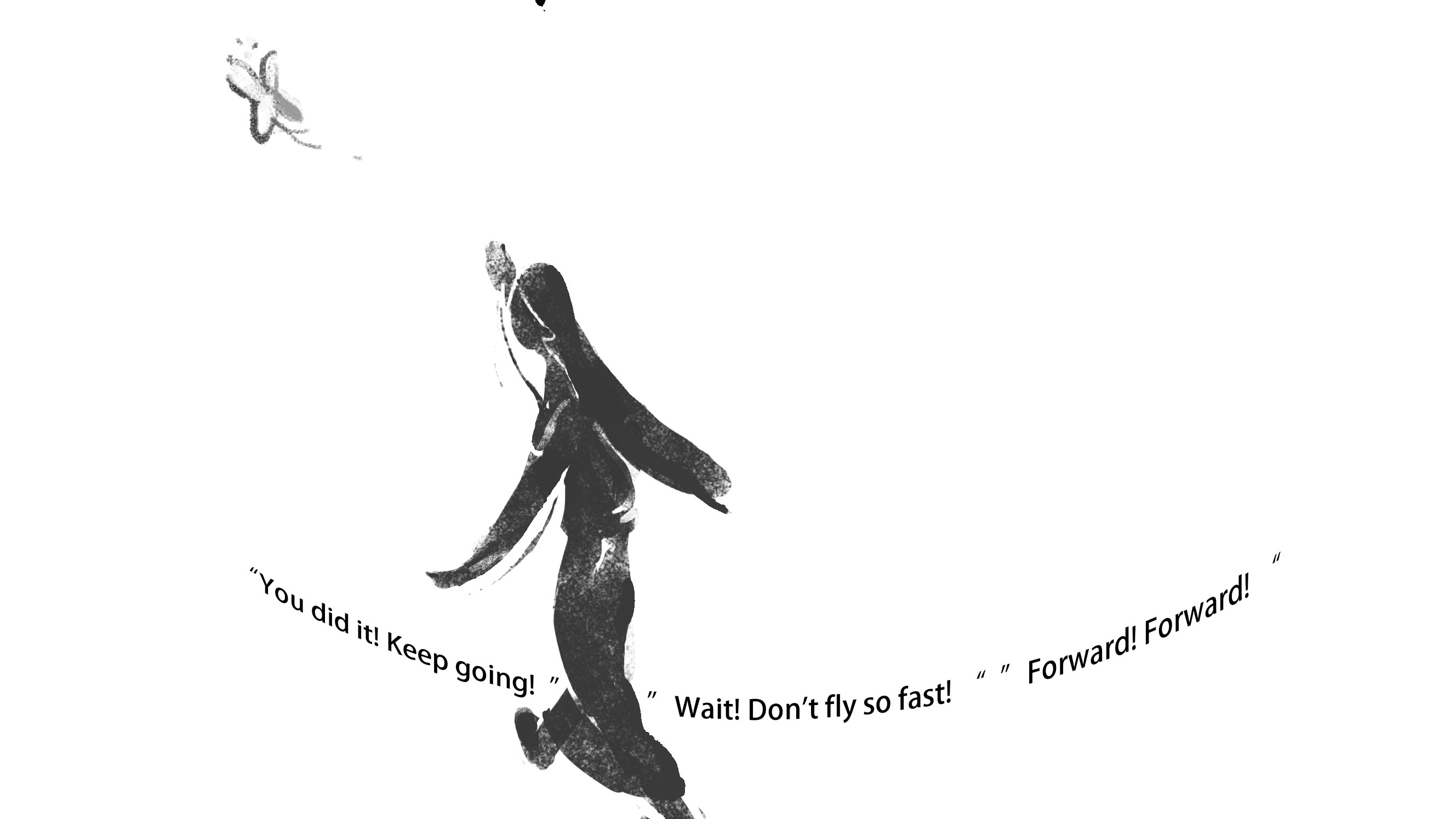
The Silent Absence is an experimental animation inspired during my studies at the University of...
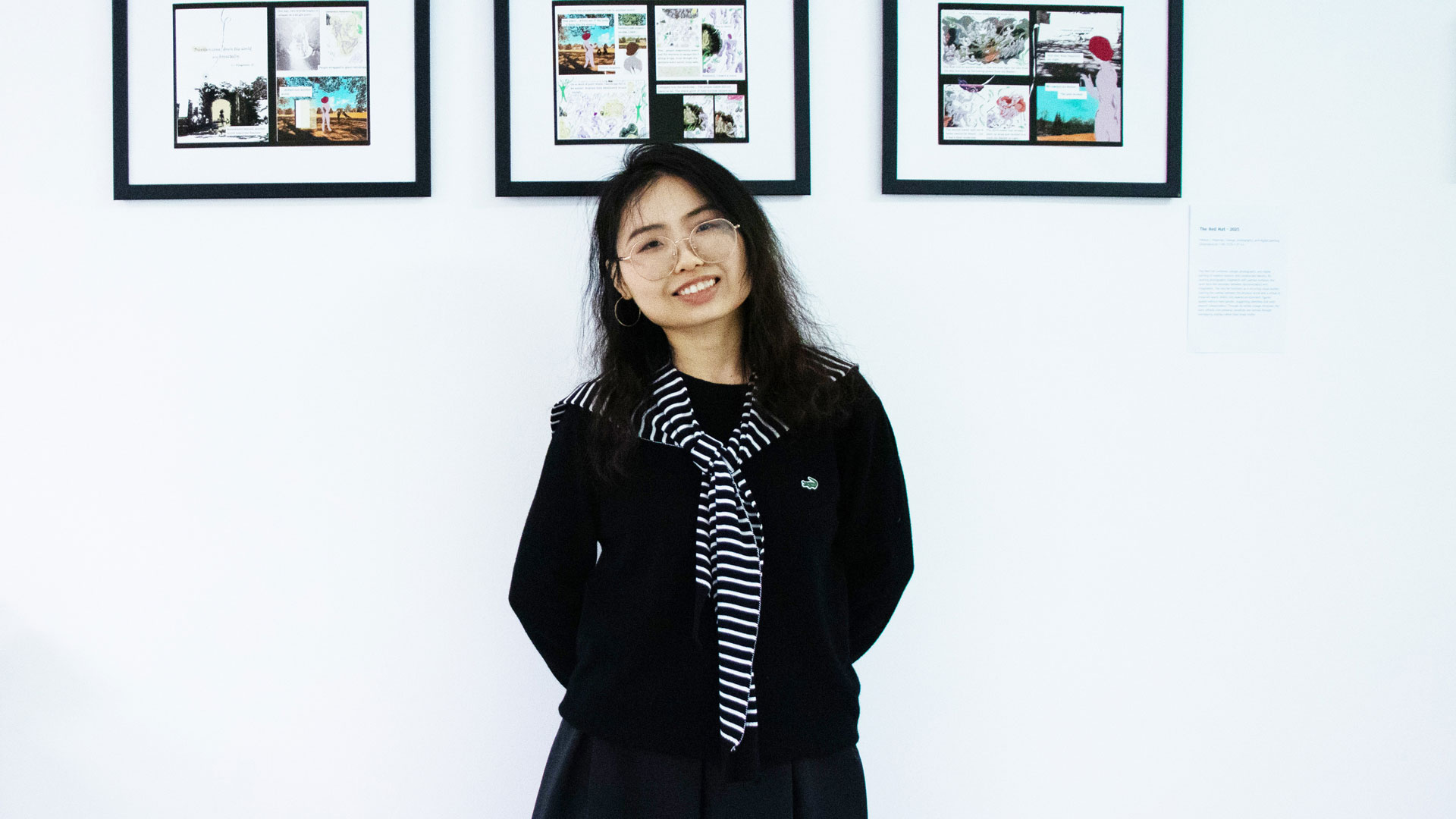
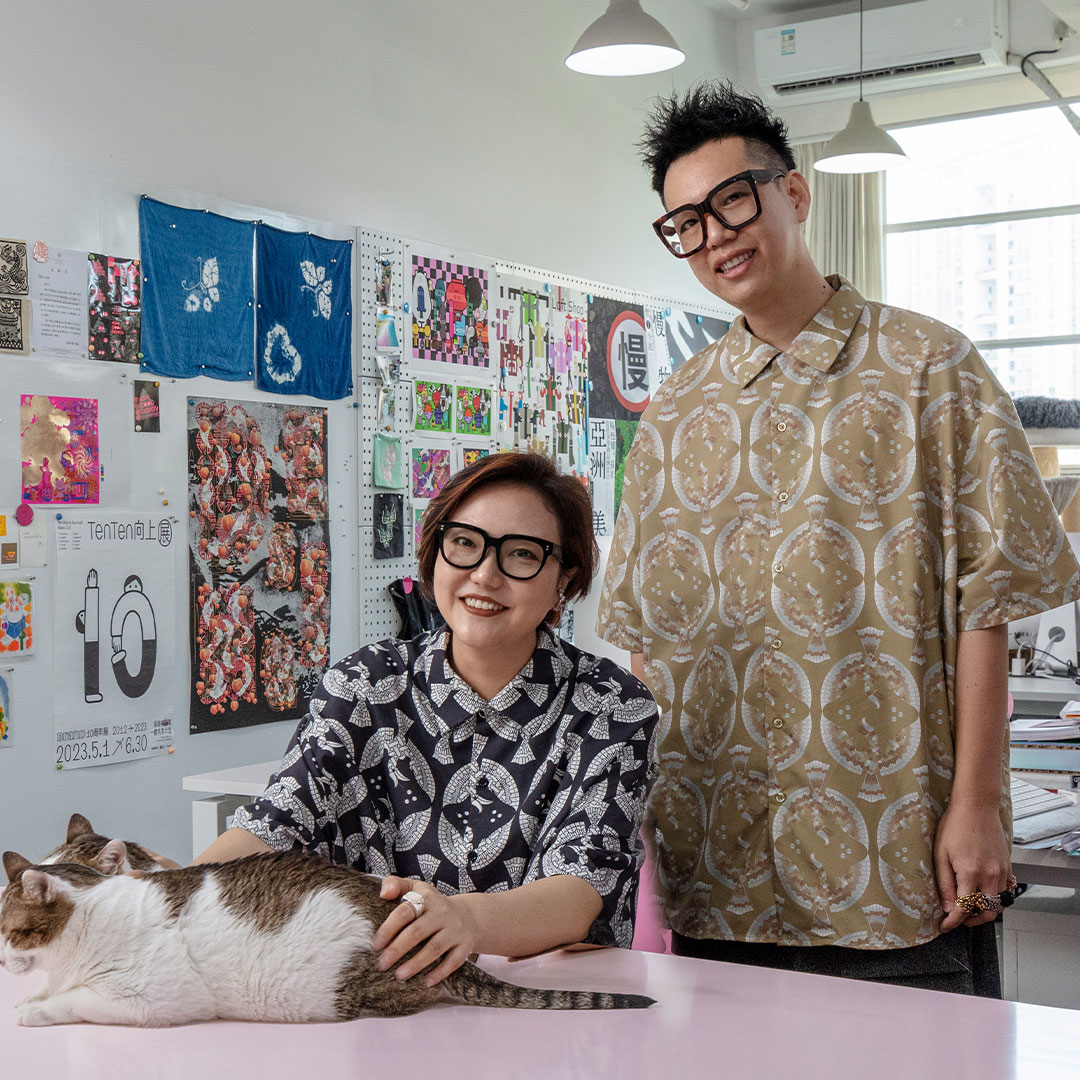
Lin Cheng is a Glasgow-based visual artist whose work blends moving image, printmaking, and illustration to explore women’s experiences, childhood perspectives, and the quiet emotional realities behind social issues.
Thank you. My name is Lin Cheng, and I am a Glasgow-based visual artist working across moving image, printmaking, installation, and illustration. My practice often weaves together women’s experiences and children’s perspectives to reflect on social issues such as domestic violence, mental health, and identity.
I began my creative journey through illustration and children’s book art, gradually expanding into experimental film and mixed-media projects as I sought to tell stories that move between the personal and the collective.
I submitted Silent Absence because it reflects both my artistic vision and my social concerns. The project is deeply personal, yet it also speaks to broader shared experiences, and I wanted to see how it would resonate with an international audience.
Winning this award is especially meaningful to me because it not only validates the years of exploration behind the project, but also opens the door to new collaborations and greater recognition as an independent artist.
Silent Absence began as a series of etchings portraying children affected by domestic violence. It later evolved into a seven-minute experimental film that reinterprets real testimonies of violence alongside my own domestic imagery and sound recordings.
For me, the project represents a way of using art to confront silence and give visibility to experiences that often remain unseen. Within today’s creative landscape, I believe it demonstrates how socially engaged art can be both deeply intimate and globally relevant.
The project’s strength lies in its interdisciplinary approach. By combining fine art printmaking, experimental moving image, and sound, Silent Absence creates a layered and immersive experience. Rather than simply illustrating a theme, it invites reflection and emotional engagement, which I believe is what sets the work apart.
The main challenge was addressing such a sensitive subject without sensationalizing it. I approached this by focusing on everyday objects, domestic sounds, and symbolic imagery—elements that suggest violence without exposing or exploiting the people behind the stories.
This allowed me to preserve their dignity while still conveying the emotional weight and seriousness of the issue.
I hope this recognition will help me build stronger international networks and bring socially engaged projects into new contexts, including exhibitions, publications, and collaborations.
Since the announcement, I have already received encouraging feedback from curators and peers, which makes me feel optimistic about the opportunities ahead.
The most memorable feedback came from viewers who shared that the work made them feel seen, or that it resonated with their own unspoken experiences.
For me, that response is more meaningful than any formal recognition—it reaffirms the purpose of creating art in the first place.
I would say: stay authentic and avoid chasing trends. Build from your own lived experiences, observations, or research, and allow your work to communicate with honesty and sincerity.
I see the industry moving toward interdisciplinarity and social engagement, which aligns closely with my practice. In the future, I hope to position myself at the intersection of visual storytelling and social research, creating works that resonate across both artistic and public spheres.
Competitions are not only about winning; they are also opportunities for visibility, growth, and self-reflection. Even if you do not receive an award, the process of refining your work and articulating your ideas is incredibly valuable.
My advice is to approach awards as platforms for dialogue rather than judgment, and to trust that your unique perspective and voice truly matter.
Creativity is not only about scale or spectacle, but also about creating genuine human connections. I hope we continue using our creative skills to amplify voices and stories that might otherwise go unheard.
I’d like to dedicate this recognition to all survivors of domestic violence whose experiences inspired Silent Absence. Their courage to speak—even in fragments—made this project possible.
A poetic and layered meditation on domestic violence, transforming silence and the rituals of everyday life into a space for reflection, empathy, and resilience.
I am currently developing new work that continues to merge children’s illustration with socially engaged art. I look forward to bringing these projects into both artistic and community-based spaces, where they can encourage dialogue, empathy, and connection.