CUPRA Vértice
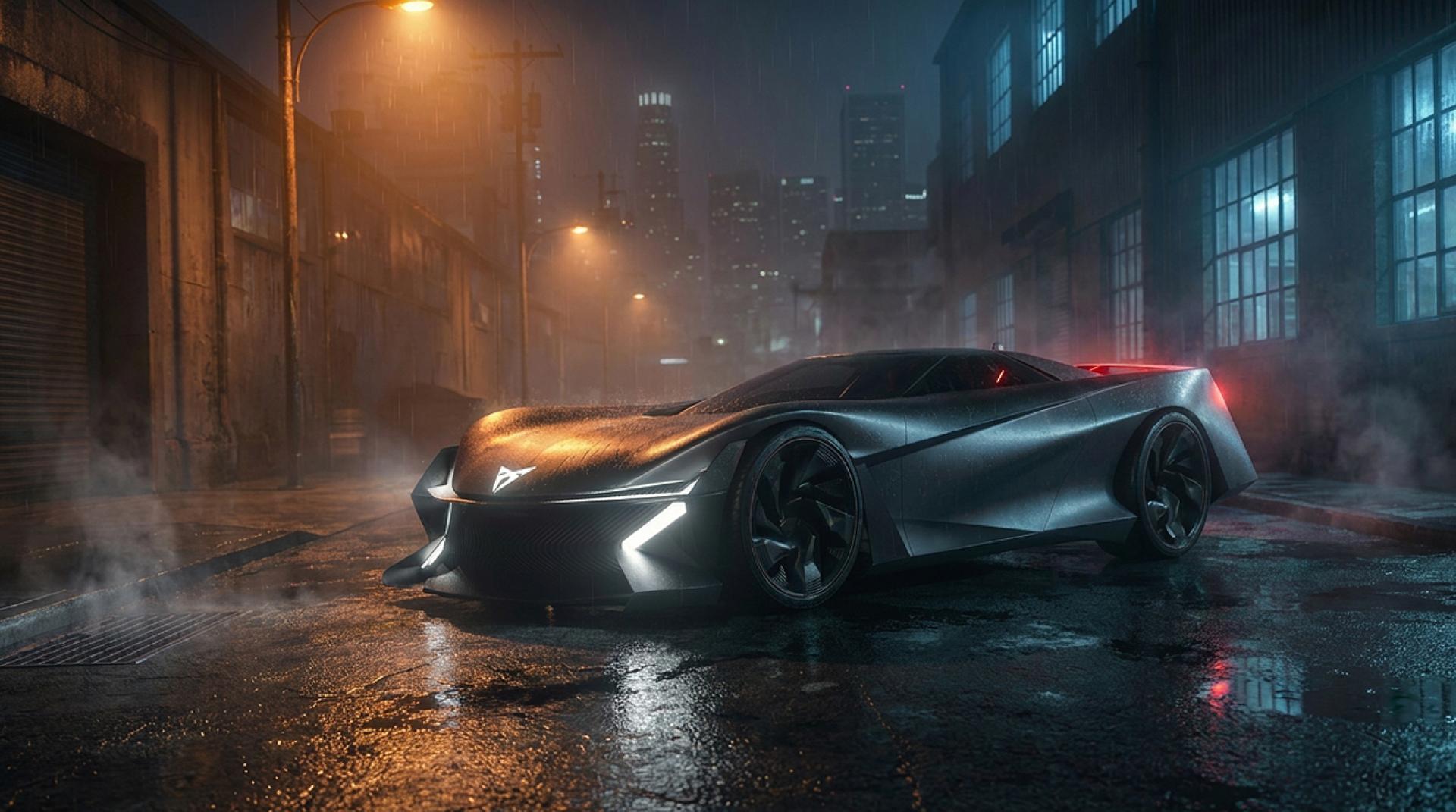
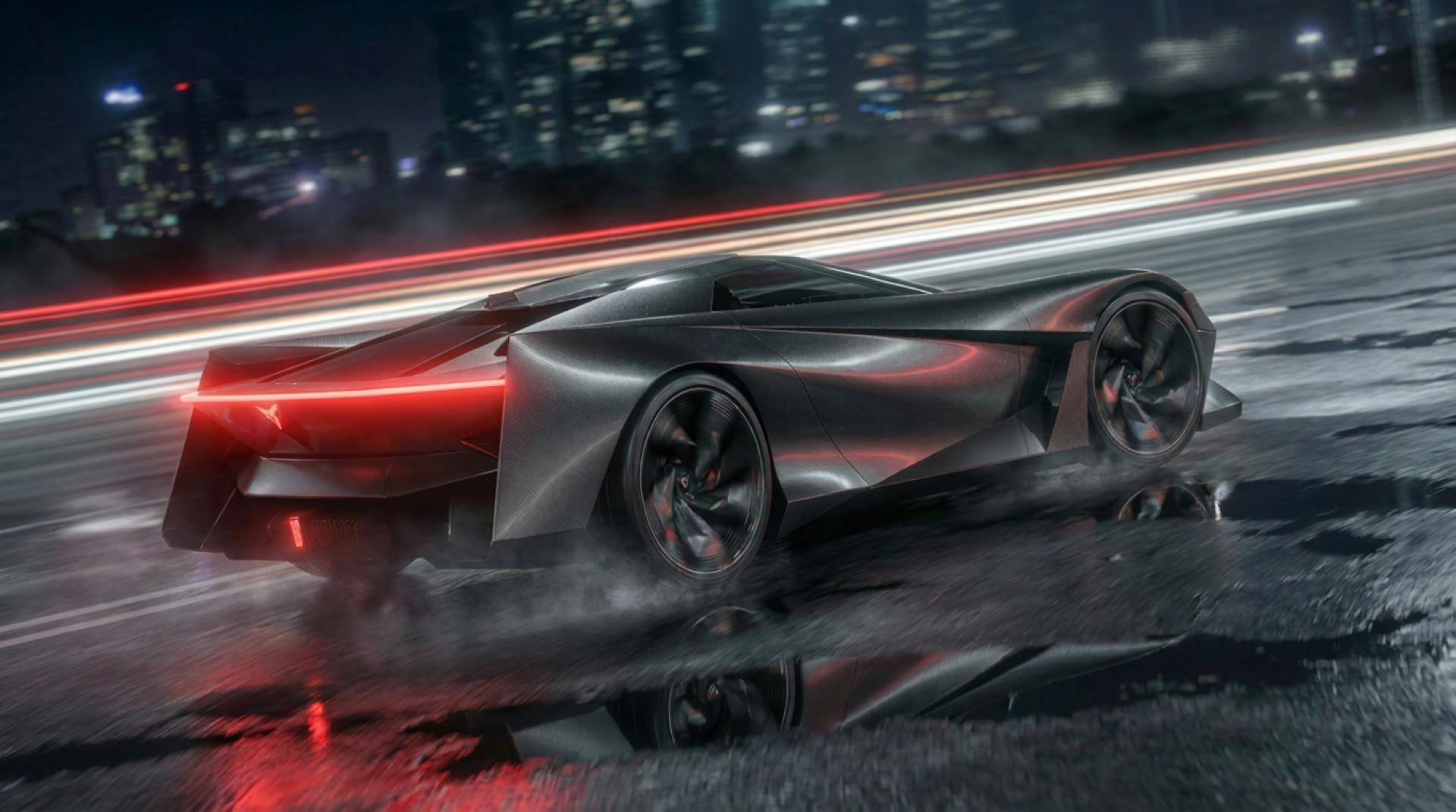
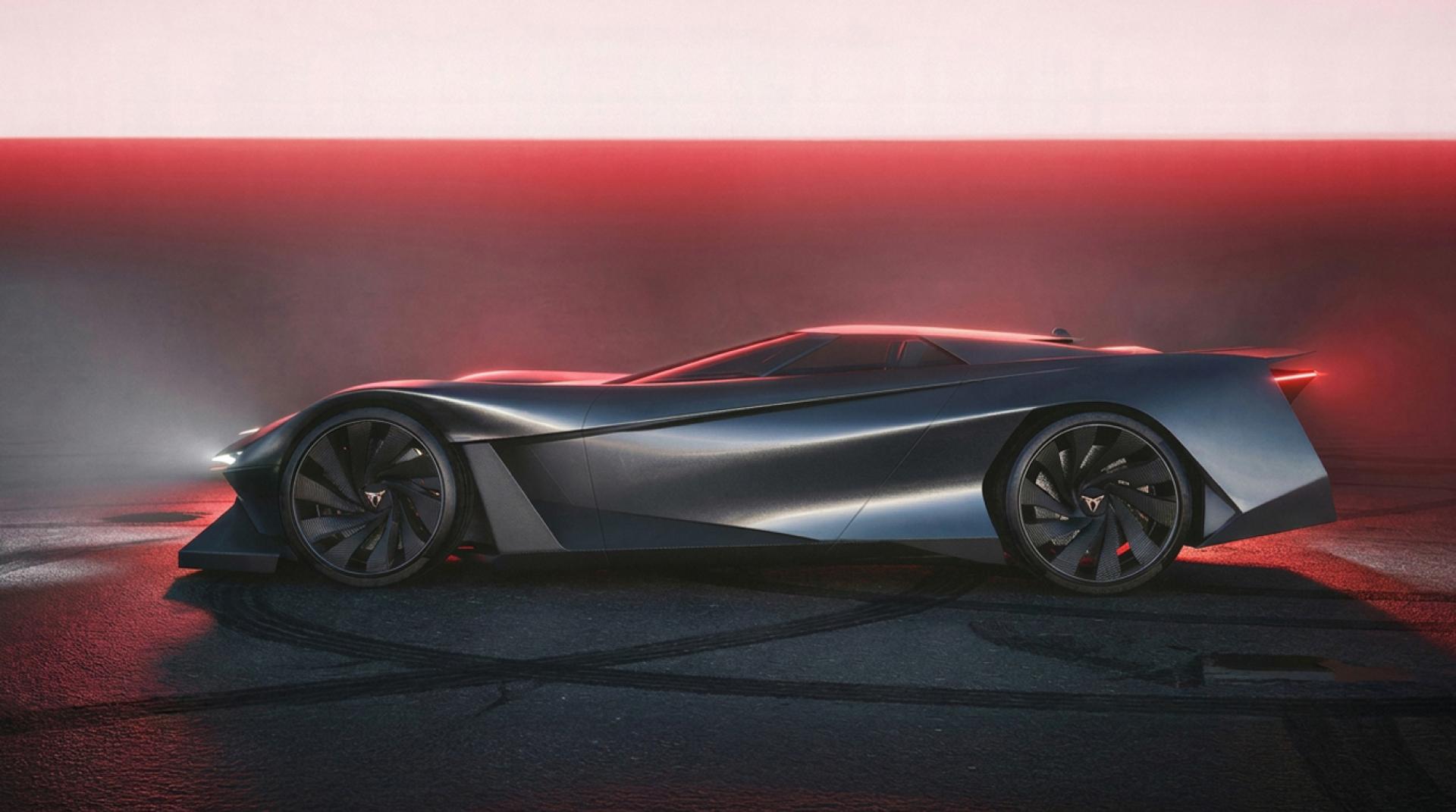
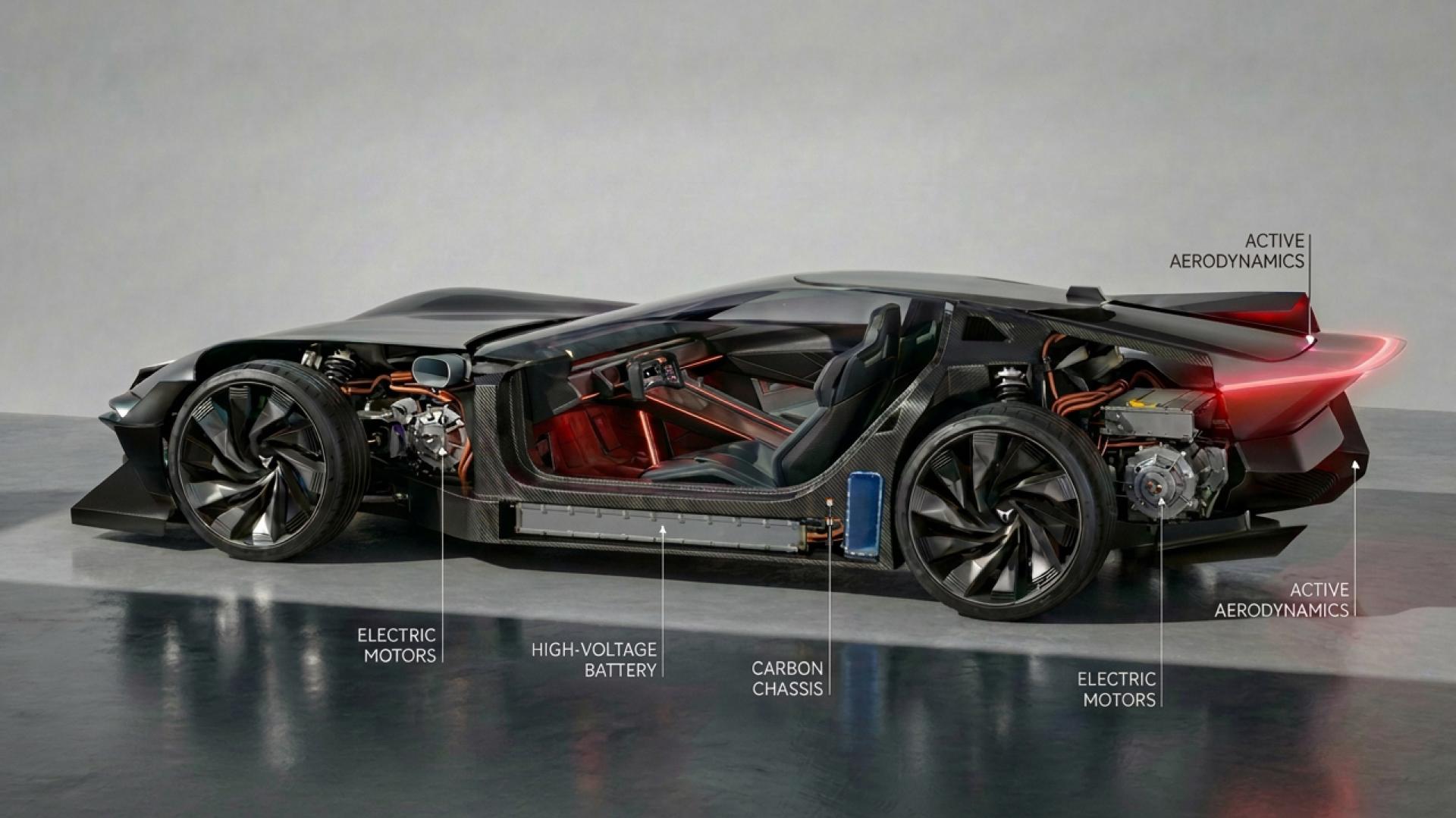
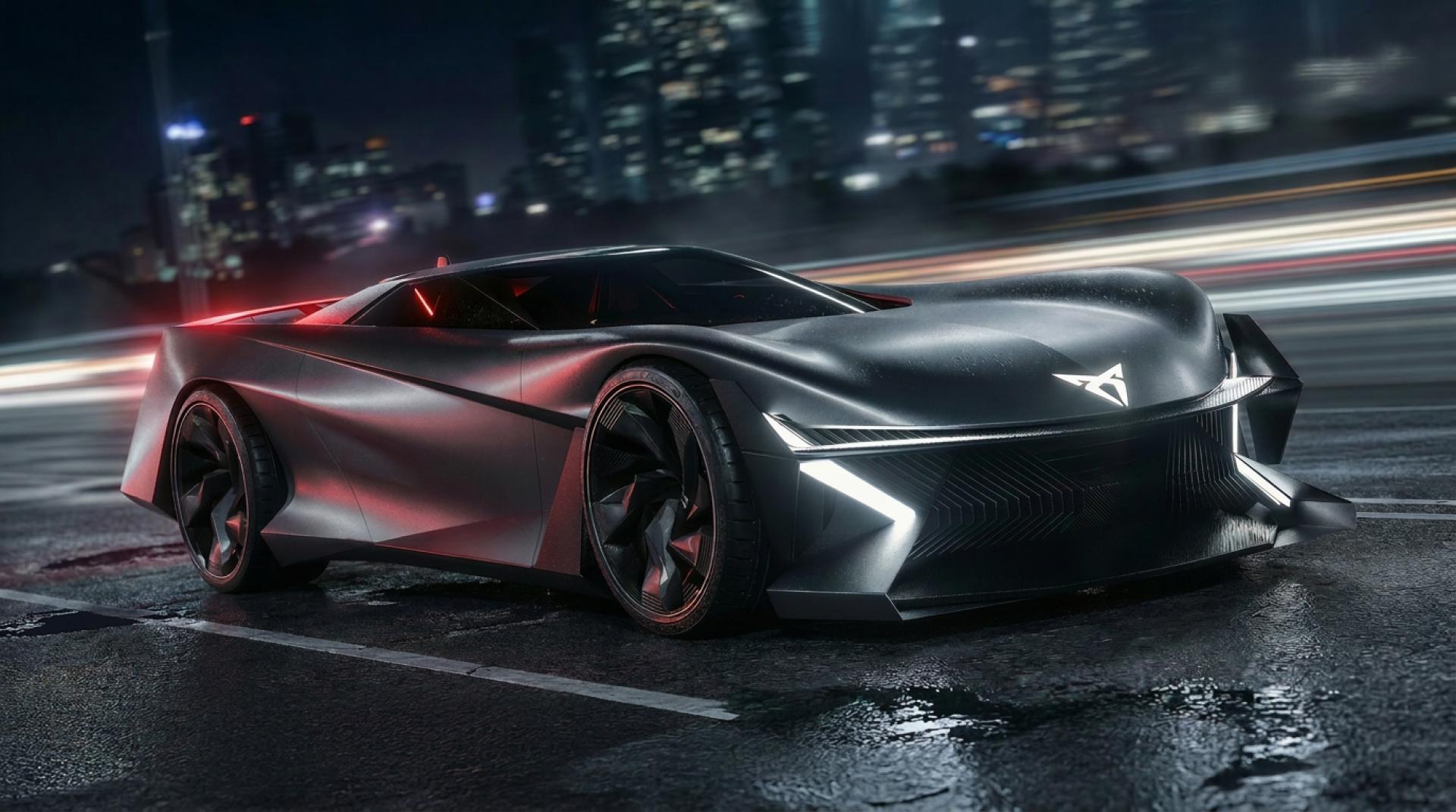
CUPRA Vértice is a fully electric hypercar created to define a new expression of performance...
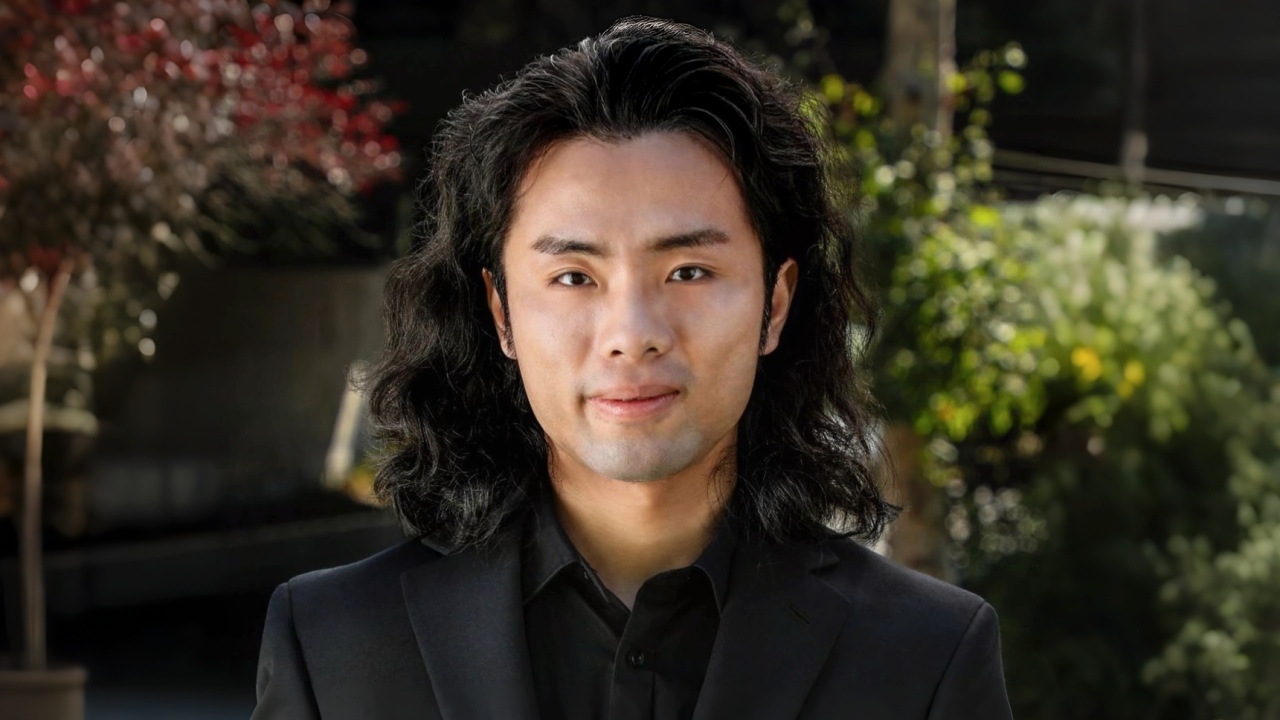
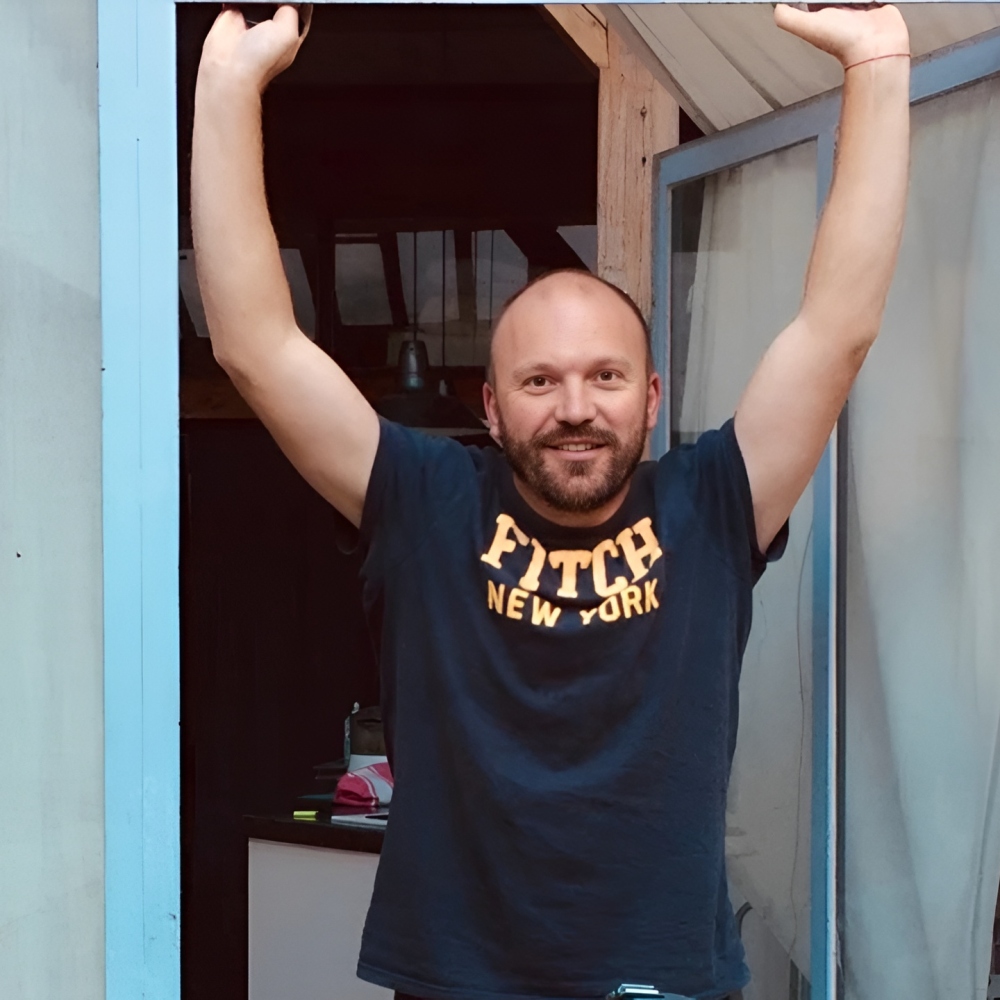
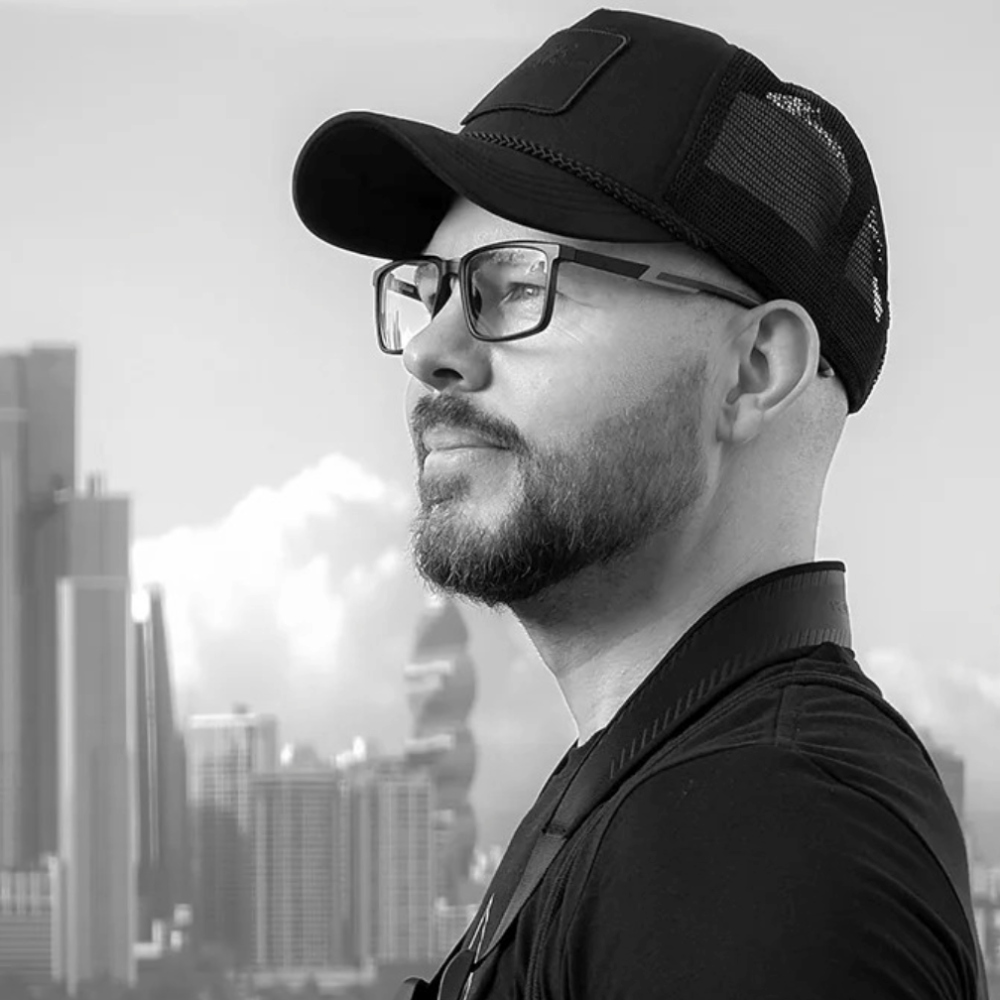
Yizhou Jiang is an automotive designer fascinated by the way vehicles bring together technology, sculpture, architecture, culture, and human emotion. His design approach draws from physical sensations and unexpected references, translating ideas such as tension, pressure, and movement into distinctive proportions, surfaces, and forms that give each vehicle a strong sense of character.
Thank you. I’m an automotive designer, and I see the automobile as one of the rare design objects where technology, sculpture, architecture, culture, and human emotion all come together. That complexity is what originally drew me to car design.
I have always been fascinated by how a vehicle can communicate character before it even moves — through proportion, stance, surface, and the way people experience the space around and inside it. A great car is not simply a solution to transportation; it can become something people form a lasting connection with.
What continues to inspire me today is how automotive design can respond to major changes in technology without losing that human quality. As vehicles evolve, I’m interested in finding new forms and experiences that feel genuinely forward-looking, while still giving people a reason to desire, remember, and connect with a car.
I have always been fascinated by how a vehicle can communicate character before it even moves — through proportion, stance, surface, and the way people experience the space around and inside it. A great car is not simply a solution to transportation; it can become something people form an emotional connection with.
What continues to inspire me today is how automotive design can respond to major changes in technology without losing that emotional quality. As vehicles evolve, I’m interested in finding new forms and experiences that feel genuinely forward-looking, while still giving people a reason to desire, remember, and connect with a car.
Being recognised by the French Design Awards is meaningful to me because design often begins as something very personal — an intuition, an image, or a feeling that may initially exist only in the designer’s mind. Bringing that into a form that other people can understand and connect with is always one of the most rewarding parts of the process.
This recognition gives me confidence that the vision behind the project communicated beyond the object itself. For me, the project was not simply about imagining a more extreme performance car, but about exploring how technology and physical presence could come together to create a new kind of desirability in future mobility.
Receiving the Gold Award is therefore both an honor and an encouragement to keep pushing those ideas further, and to continue asking what can make future vehicles not only more advanced, but also more meaningful and desirable.
The recognition is still very recent, so I see its impact as something that will continue to develop over time. What has already been valuable is the opportunity for the project to reach an audience beyond the automotive design community.
Automotive design is a highly specialized discipline, but many of the questions behind it — how technology changes human behavior, how objects create attachment, and how we imagine the future — are much broader. Having the work recognized in that wider design context is especially meaningful to me, and I hope it opens the door to more conversations and collaborations across different creative fields.
For me, experimentation is most valuable when it takes an idea somewhere I would not have reached through logic alone. I rarely see the creative process as a straight line from sketch to solution. It is more about creating possibilities, reacting to unexpected results, and gradually discovering which direction carries the strongest character.
In this project, I experimented extensively with the relationship between tension, compression, and cutting. I was interested in surfaces that felt as if they were being stretched over the vehicle, then interrupted by very precise incisions. Through sketching, digital visualization, and 3D development, that abstract idea gradually evolved into the strong diagonal graphics and sharply controlled body sections seen in the final design.
Experimentation, to me, is not about randomness. It is about allowing uncertainty into the process, then using design judgment to turn unexpected discoveries into something intentional.
One of the more unusual inspirations I have explored came from the physical tension of stretched material being cut by a sharp blade. I was fascinated by the contrast between something soft and continuous being held under pressure, and then suddenly interrupted by a precise, almost violent incision.
That image became an important reference for this project. I wanted the body to feel as if its surfaces were under tension rather than simply sculpted into shape. The strong diagonal cuts, compressed sections, and sharp transitions were developed to create that sense of controlled energy — almost as if the vehicle were being held together by forces moving in different directions.
I find this kind of inspiration especially interesting because it does not begin with another car. It begins with a physical sensation, and the design process becomes an attempt to translate that sensation into proportion, surface, and movement.
I wish more people understood how much of design is actually about editing. From the outside, creativity can sometimes look like the moment when a great idea suddenly appears. In reality, the process is often much quieter — making hundreds of small decisions about what to strengthen, what to simplify, and sometimes what to let go.
This is especially true in automotive design. A vehicle has to balance proportion, function, technology, brand identity, and character at the same time. An idea may be visually exciting on its own, but the real challenge is understanding whether it contributes to the identity of the whole vehicle.
The strongest designs often feel surprisingly inevitable when they are finished, as if they could not have been any other way. But reaching that simplicity usually requires exploring many possibilities and having the discipline to remove the ones that do not belong.
I try to separate the core intention of an idea from the specific form it first takes. A creative vision should have something essential at its center — a certain character, experience, or feeling — but that does not mean every line or detail needs to be protected exactly as it was originally imagined.
When working with clients or other stakeholders, I try to understand what they are ultimately trying to achieve rather than treating their expectations as limitations. In automotive design, a vehicle is shaped by many realities — engineering, packaging, brand strategy, manufacturing, and business requirements. Those conditions can actually help clarify an idea and push the designer to find a stronger way to express it.
For me, the goal is not to defend a design unchanged. It is to make sure that, as the project evolves, the reason the idea was compelling in the first place is still alive in the final result.
One of the biggest challenges was finding the balance between creating something genuinely radical and keeping the design coherent enough to feel believable. It is relatively easy to make a futuristic vehicle look unusual; the harder part is giving every dramatic decision a reason to exist.
With this project, the proportions, sharp cuts, aerodynamic elements, interior, and underlying technical architecture all needed to feel as though they belonged to the same idea rather than being separate layers of visual excitement. I repeatedly moved between the overall silhouette and the smallest details, simplifying areas when they became too expressive and pushing others when the original character began to disappear.
The process taught me that a strong vision does not necessarily come from making everything more extreme. Sometimes the most important decision is knowing where to stop. The final design became stronger once each element had a clear role in supporting the character of the whole vehicle.
When I hit a creative block, I usually try to change the distance from which I am looking at the problem. Sometimes that means stepping away from the design completely; other times it means moving from details back to proportion, or from the vehicle itself to the feeling I originally wanted it to create.
I also try not to solve an automotive design problem only by looking at more cars. Architecture, film, music, photography, fashion, or even the way light moves across an ordinary object can reset the way I see form and atmosphere. Very often, the useful reference is not something I can directly translate into a vehicle, but something that reminds me of an idea or sensation I had lost during the process.
For me, creativity usually returns when I stop forcing a new answer and reconnect with the reason I found the question interesting in the first place.
I tend to value emotion, clarity, and a certain sense of restraint in design. Even when a project is visually dramatic, I want there to be a clear reason behind the form rather than complexity for its own sake.
I am also very conscious of the relationship people can develop with objects. Cars are especially interesting in this way because they become part of people’s memories — a particular journey, a sound, a view through the windshield, or simply the feeling of turning around to look at the car after parking it. Those experiences remind me that design is not only about how something performs or appears, but about the kind of attachment it can create over time.
Because of that, I often try to balance progress with longevity. I want my work to feel relevant to the future without depending entirely on novelty. The designs I admire most are usually the ones that remain emotionally clear even after the technology or trends around them have changed.
I would encourage young designers to focus less on what seems successful at the moment and spend more time developing a point of view of their own. Technical skills are important, but they can be learned and improved over time. What is much harder to develop is a clear sense of what you believe makes something meaningful, beautiful, or worth creating.
It is also important to stay open to criticism without allowing every opinion to redefine your direction. Design grows through feedback, but eventually you have to learn which comments reveal something you did not see, and which ones simply reflect a different taste. That judgment takes time.
The goal is not to become a designer who can imitate every style. It is to become someone whose work carries a recognizable way of seeing the world.
I would choose Alfonso Albaisa. What I have always admired in his work is its connection to a much larger world — culture, architecture, travel, memory, and the people and places surrounding the automobile. A car is never experienced as an isolated object.
I find that perspective especially inspiring because some of the most memorable vehicles are not necessarily the ones with the most complicated forms, but the ones that seem to carry a particular atmosphere or sense of place. They make you curious about the story behind them.
I would enjoy collaborating with someone who approaches design from that kind of cultural and human perspective. I think the most interesting conversations would not begin with a line or a surface, but with a question about what the car should make someone feel — and then discovering together what form that feeling should take.
“What do you want people to feel when they see your work?”
I would want them to feel something before they fully understand it.
For me, the most powerful automotive designs create an immediate emotional response — curiosity, tension, desire, even a little discomfort — before the viewer begins to analyse the proportion, surfaces, or technology behind them. That first instinctive reaction is something I care deeply about.
As cars become more intelligent, efficient, and digitally integrated, I think preserving that emotional connection will become even more important. Technology can explain what a vehicle is capable of, but design gives people a reason to care about it.
I also like to think of design as a way of capturing a moment and holding it still — as if motion, tension, and emotion have been frozen into form. Even when a car is standing still, I want it to feel as though something has just happened, or is about to happen.
Ultimately, I hope my work can create that kind of moment — something people do not simply understand, but remember.
Read about A Canvas for Life: Chen Yi-Pin on the Making of Meaningful Spaces by clicking this link to read his interview.