OMUSUBI – Rice Ball Packaging Design
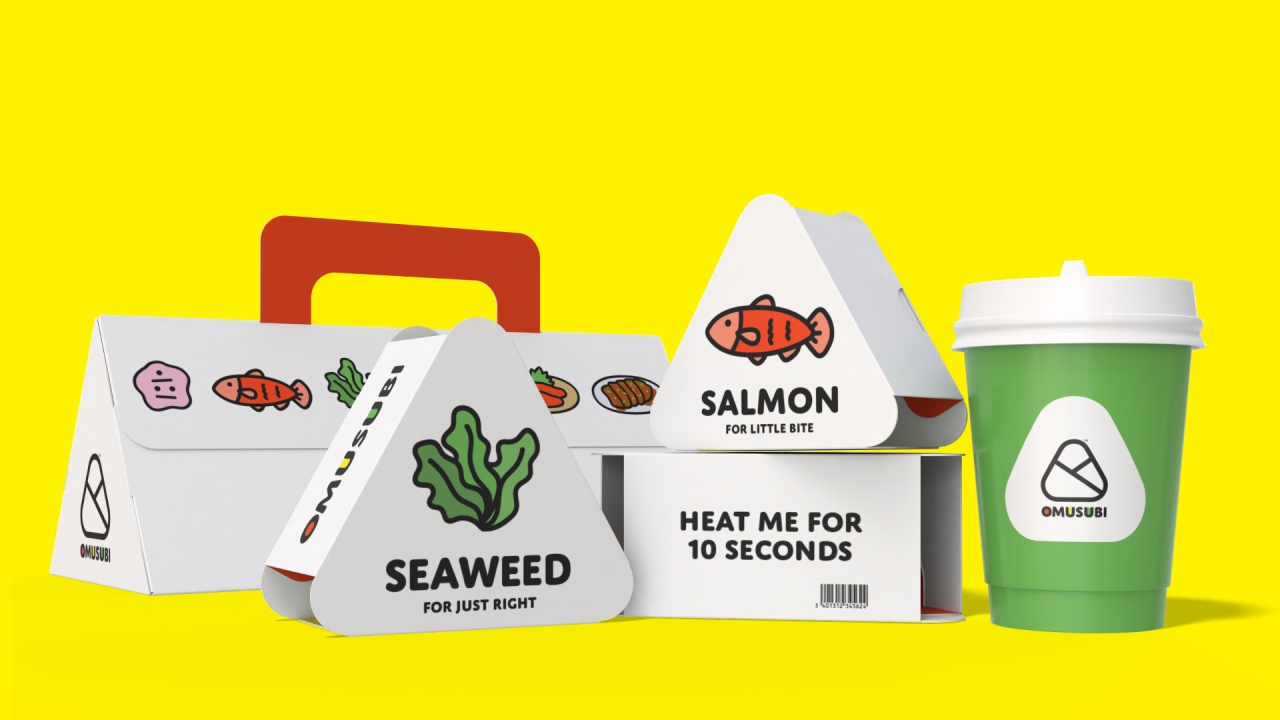
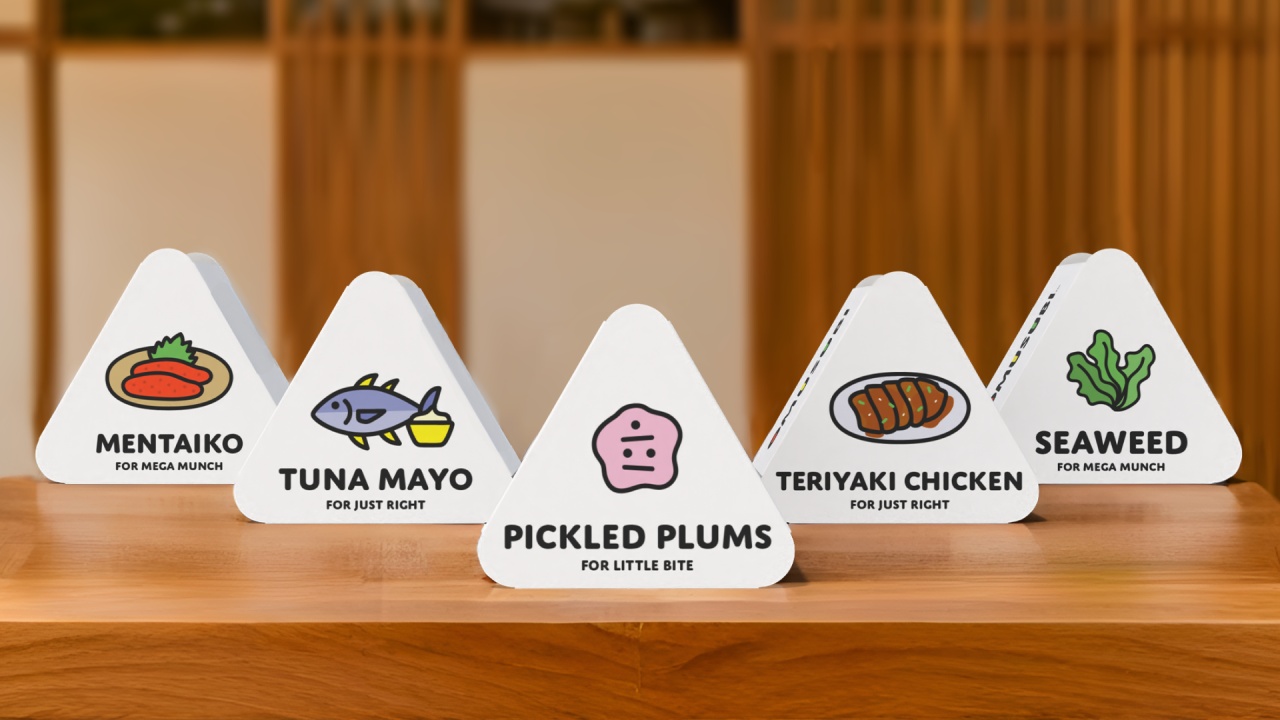
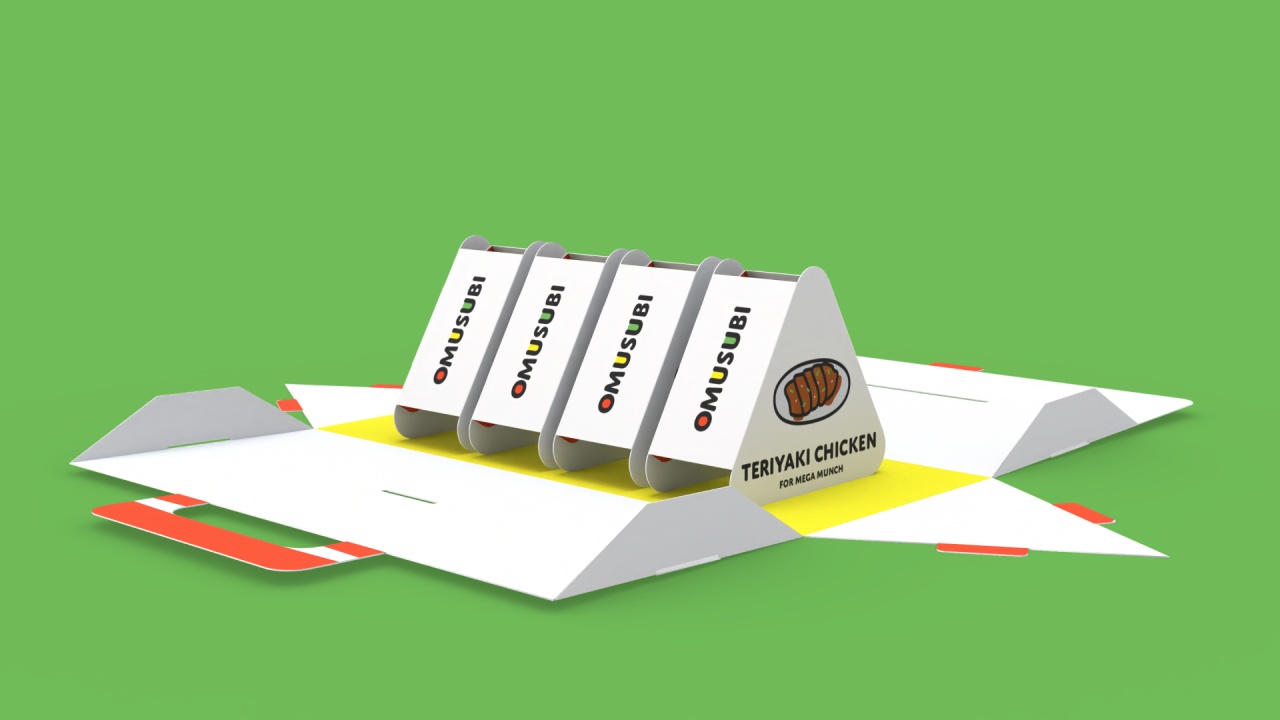
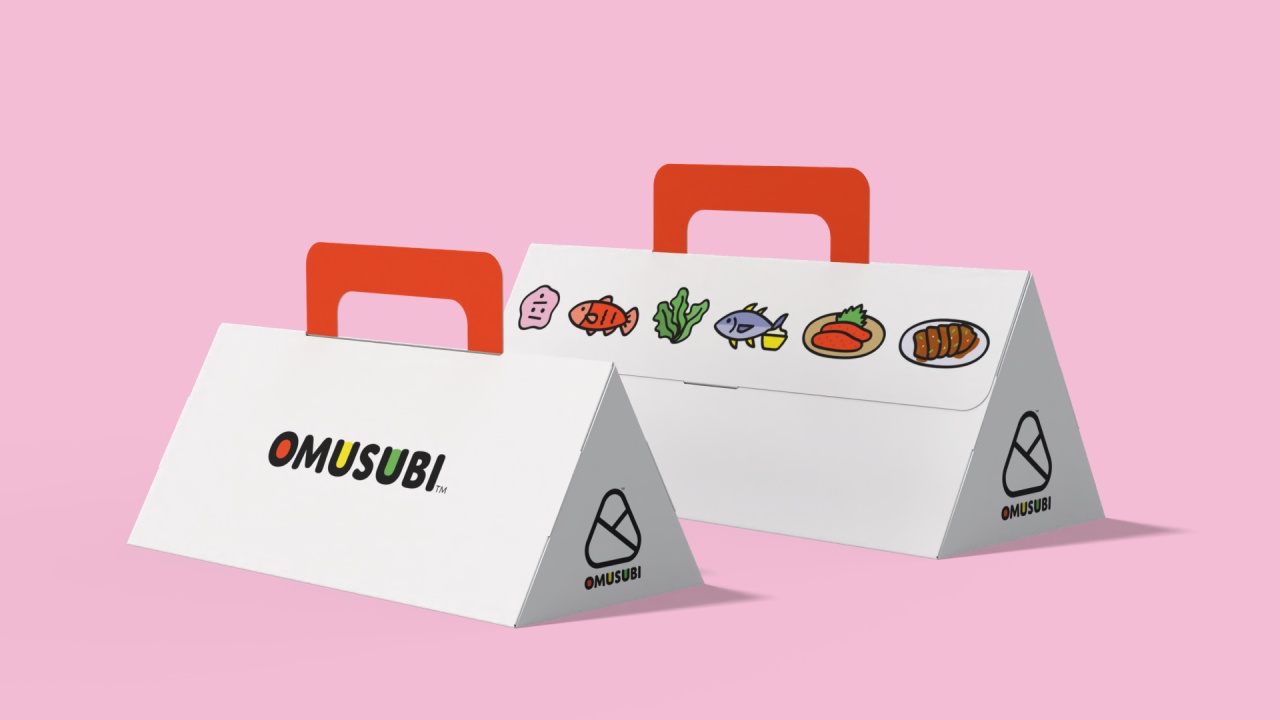
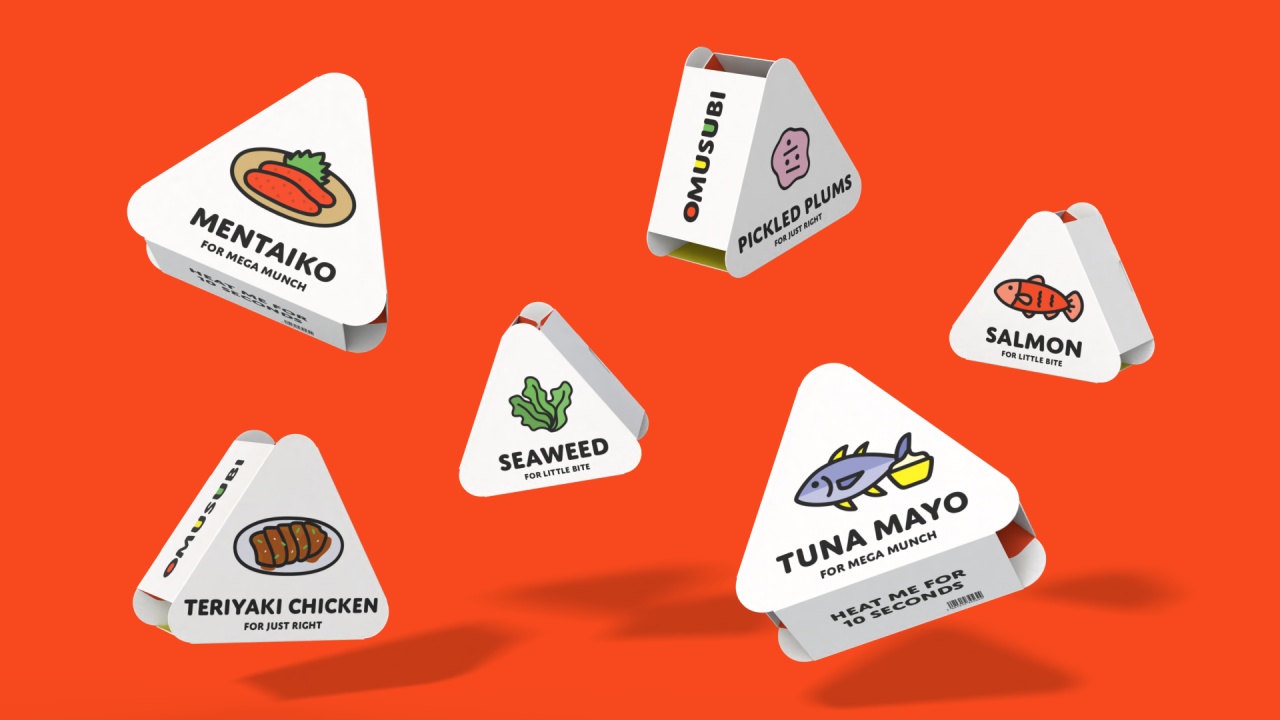
OMUSUBI is a playful packaging concept that reimagines the traditional Japanese rice ball as a...
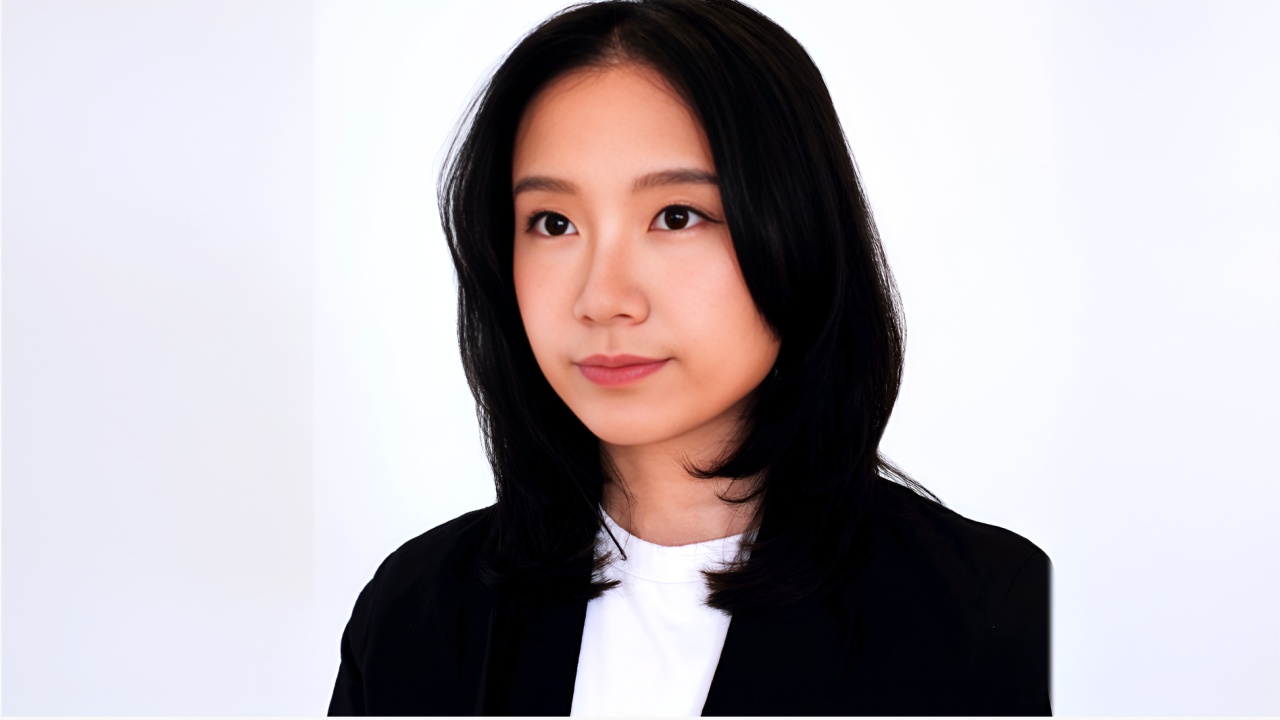
Inspired by the balance and harmony found in nature, Eri Mineta creates visual experiences that feel calming and instinctively intuitive. Her designs reflect a sensitivity to shape, colour, and rhythm, resulting in work that blends function with emotional ease.
I’m Eri Mineta, a visual designer who loves creating experiences that are people-first, functional, and playful. What first drew me to design was the ability to translate complex ideas into experiences that feel intuitive and approachable.
Over time, I realised that visual communication itself can create moments of happiness with communities I care about. Seeing people feel encouraged, comforted, or simply a little more joyful through interaction with design became deeply motivating for me.
This recognition gives me confidence that my concepts and outputs are being evaluated and valued from a creative perspective, not just through numbers or performance metrics.
Opportunities to have work assessed purely on its creative quality are rare, so being recognised in this way is especially meaningful. It reinforces the importance of creativity as a core driver of impact, not just a supporting element.
From a career perspective, this project played an important role in helping me define my design style more clearly. It became a foundation for further shaping my core approach and values as a professional designer.
The process clarified what I want my work to stand for, and it gave me confidence in pursuing projects that align closely with that vision.
Experimentation plays a key role in my process, since I begin by absorbing a wide range of inspiration before creating multiple variations, while considering the user’s perspective throughout my iterations.
From there, I organise those ideas to identify underlying themes and directions. By sharing these explorations with people from different disciplines and gathering feedback, I gradually refine the work and sharpen the concept until it becomes a strong final solution.
For example, for this project, OMUSUBI – Rice Ball Packaging Design, I focused on creating something that feels distinctly Japanese while remaining easy and approachable for a global audience.
I explored multiple design directions by adjusting the balance between simplicity, modernity, and Japanese identity, and shared these concepts with people who were not deeply familiar with Japanese food culture. Their feedback helped guide the refinement process and led to a solution that feels both authentic and accessible.
Nature is one of my most important sources of inspiration. When I observe natural landscapes, I notice how comfortable shapes, colours, and sensations naturally coexist.
It often leads me to reflect on what humans instinctively find pleasant or calming, and those observations influence how I think about balance, rhythm, and emotional tone in design.
I wish more people understood that design is as much about decision-making as it is about visuals.
Design is about solving problems and making people’s lives easier and happier. Ideas don’t come from nowhere. They are built through collaboration, research, testing, and proving concepts, all of which shape thoughtful and effective outcomes.
Clear and thoughtful communication is essential. For designers, the most important skill isn’t visual ability alone, but the ability to communicate and uncover the true nature of a problem.
Clients don’t always have a clear picture of their own challenges. By using visual thinking and design, I help clarify those challenges and translate them into precise, meaningful outcomes that align with both their goals and the users’ needs.
One major challenge was working within a limited timeline. There is rarely a single “right answer” in the design world, which makes reaching a satisfying solution under time constraints especially difficult.
I learned to maintain a healthy distance from my own work. When you become too immersed, it’s easy to lose your sense of judgment. Collaborating with others and listening to different perspectives helped me regain clarity and discover new viewpoints.
When I hit a creative block, I step away from the work and immerse myself in other visual experiences. I look at different types of graphic work, read books, visit museums, or even browse supermarkets to find interesting packaging.
Even work that seems unrelated often contains hidden ideas, and those moments frequently become the breakthrough that helps me move forward.
I value creating designs that genuinely solve problems and that I can explain logically, including why each design decision was made.
At the same time, I hope my work makes people feel happy. One of the most meaningful compliments I’ve received as a designer was being told, “Your design makes me feel joyful.” That emotional impact is my driving force.
Enjoy your work and believe in yourself. There may be times when you have to create something that doesn’t fully align with your preferences, but it’s important to discover the areas you truly enjoy and excel in.
Equally important is prioritising communication. Strong design is built on understanding, not just execution.
I would love to collaborate with April Greiman. Her graphic work has been a major source of inspiration for me, particularly her use of colour and form.
I would be excited to explore how her approach could merge with my own strengths, especially through incorporating elements of Japanese “kawaii” culture into a contemporary graphic language.
I wish people would ask me: What makes a design decision truly meaningful rather than just visually appealing?
A design decision becomes meaningful when it is grounded in a clear understanding of the problem it is meant to solve. I start by researching what kind of elements and communication are truly right for that specific context.
From there, the process feels like assembling a puzzle. Each visual element needs a reason to exist, and it’s important that the pieces connect precisely rather than feeling forced or fragmented. For me, there is an aesthetic in making everything fit cleanly and intentionally, where the final result feels both logical and emotionally satisfying.
Looking to read more insightful design stories? How about clicking here to read Where Heritage Meets 3D Printing: The Work of Sophia Lampropoulou.