OceanLung
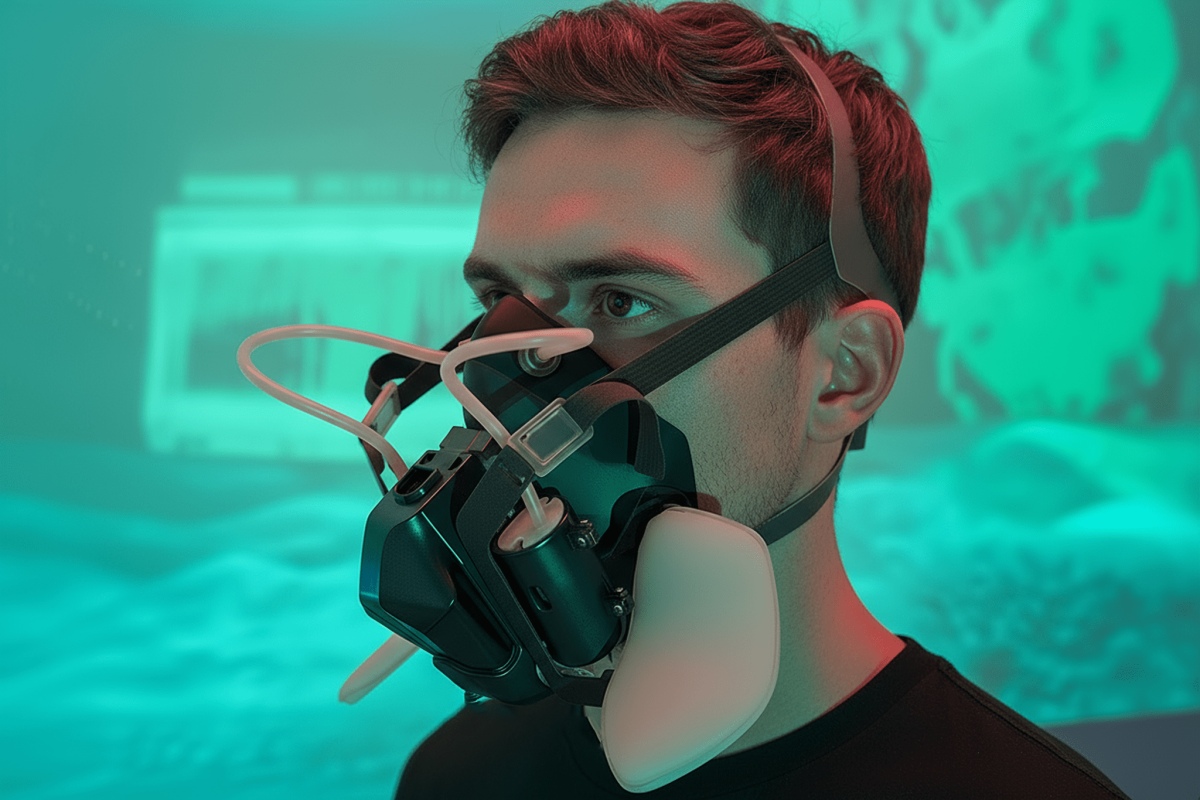
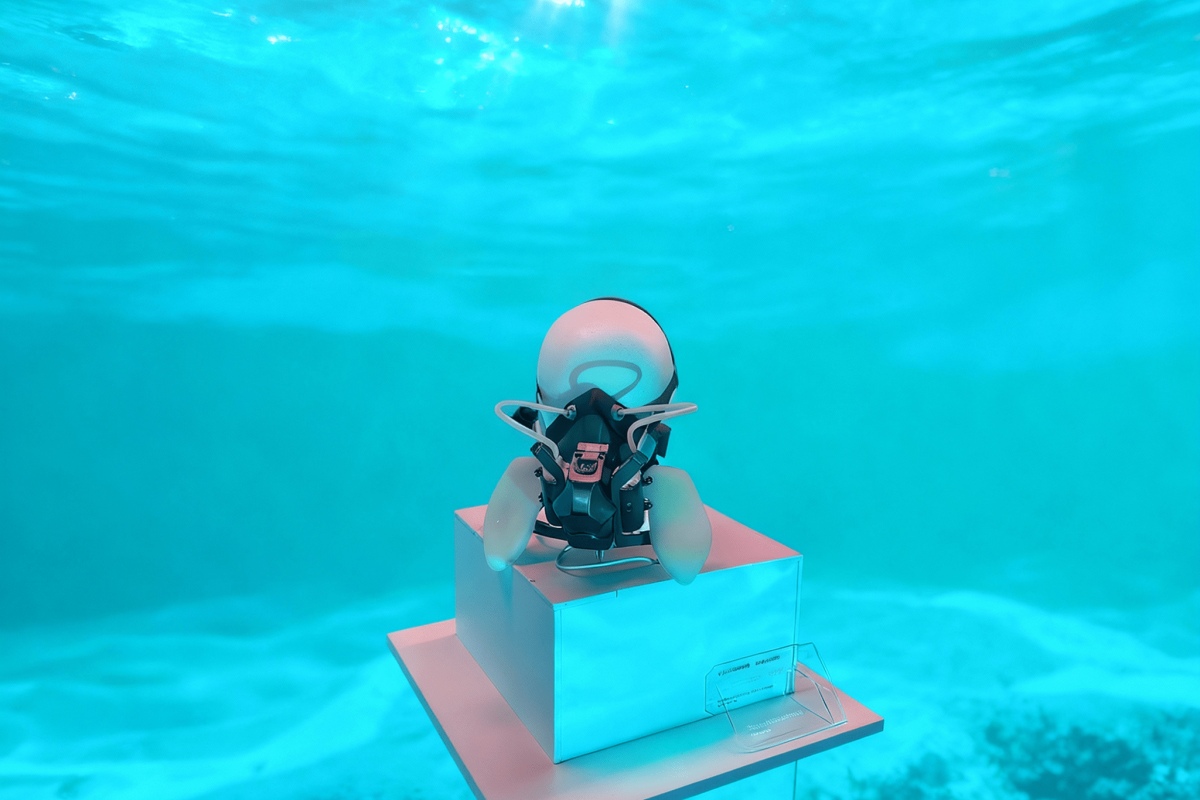
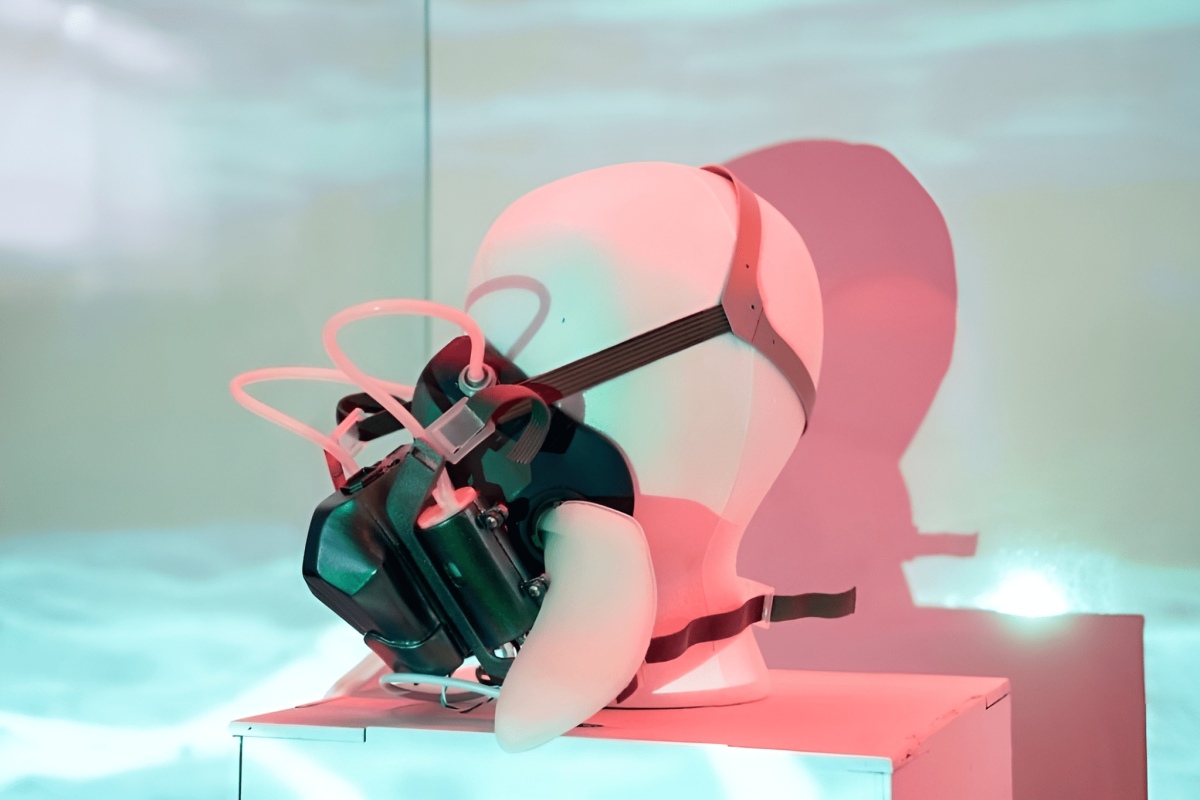
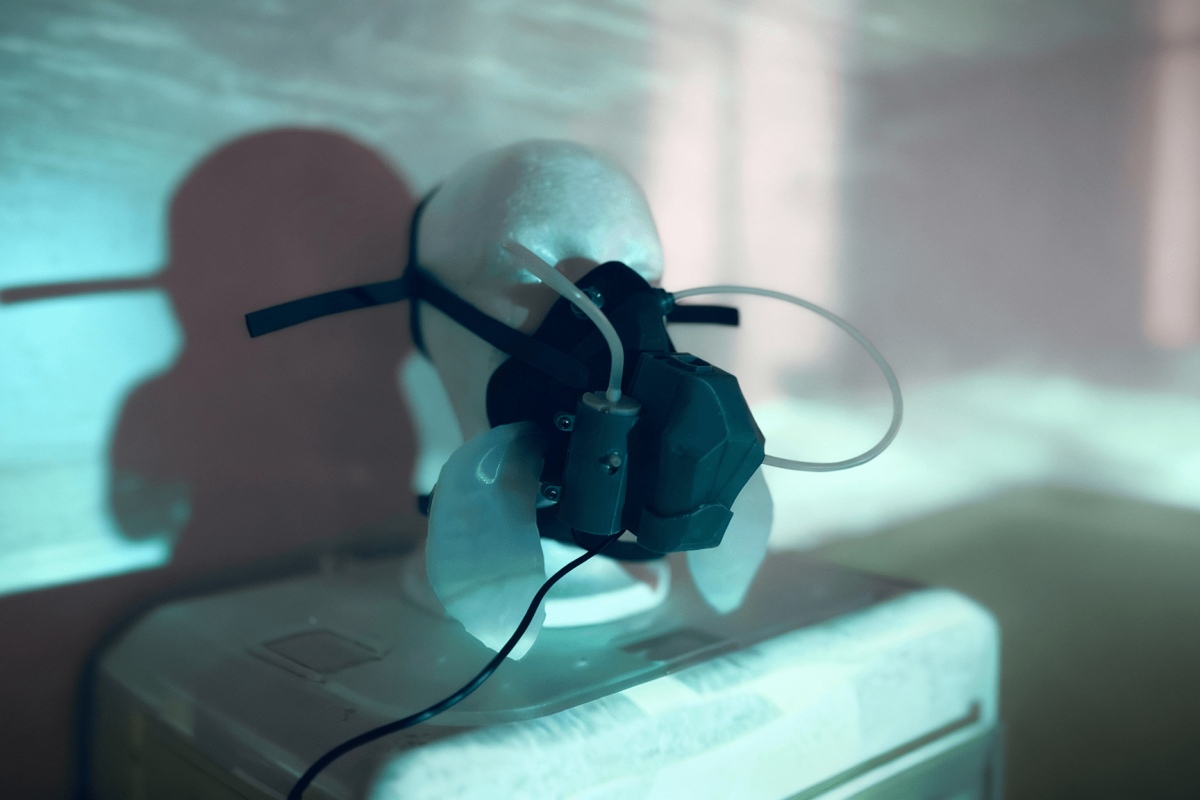
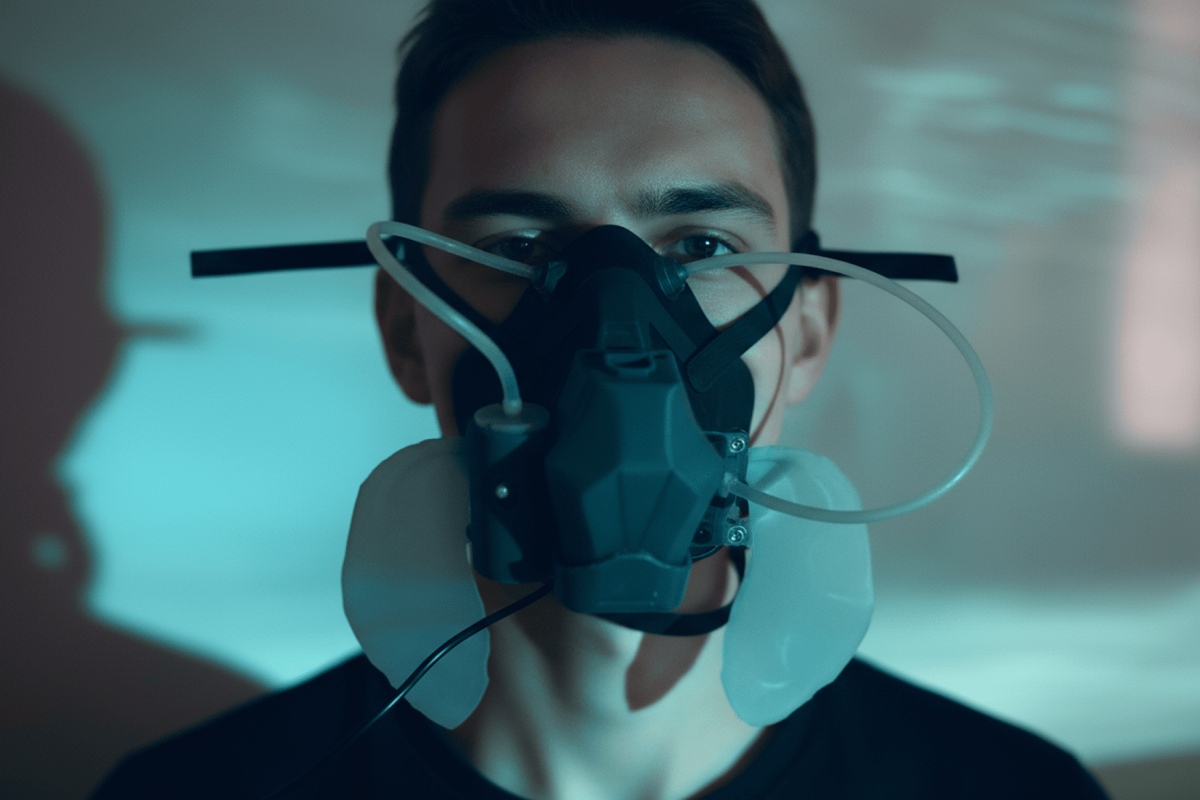
OceanLung is an immersive wearable mask that transforms the hidden crisis of ocean deoxygenation into...
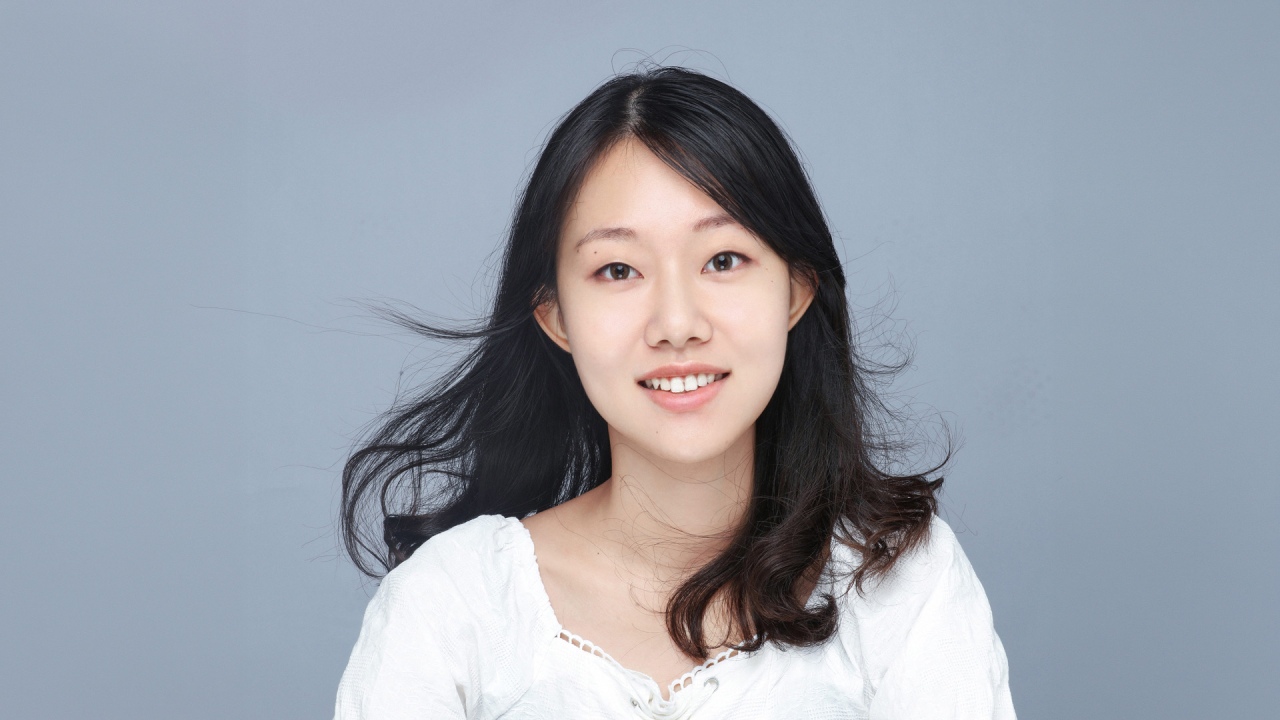
Chenglin (Clover) Li is a visual designer, computational artist, and entrepreneur whose work examines how emerging technologies, materials, and environmental systems can shape more thoughtful futures. Drawing from academic foundations at New York University and the University of California, Berkeley, Li approaches design as a process of experimentation, collaboration, and continuous discovery.
My name is Chenglin (Clover) Li. I am a visual designer, computational artist, and entrepreneur whose work explores the relationships between emerging technologies, materials, and the environment. I studied at New York University and the University of California, Berkeley. My experiences encouraged me to explore how technology can shape social and environmental relationships, an approach that later informed projects such as OceanLung and Sofar.
Receiving the French Design Awards for OceanLung is especially meaningful because the project represents years of intellectual and creative development. OceanLung originated from ideas I began exploring at UC Berkeley in the course Designing Emerging Technologies, taught by Kuan-Ju Wu and Brian Hinch. The course challenged us to critically examine how emerging technologies might influence the future of human experience.
The award recognises design that encourages reflection on humanity's relationship with the natural world. Through an immersive wearable experience, OceanLung explores the connection between humans and marine ecosystems.
The recognition has expanded the visibility of my work internationally. It has also reinforced my commitment to interdisciplinary collaboration, which remains central to my work.
Experimentation is essential to my practice because I often work with questions that have no predefined answers. For example, in Technology Design Foundations at UC Berkeley, taught by Purin Phanichphant and Georgios Grigoriadis, my team developed Sofar, an interactive furniture system designed to strengthen connections between people and their environments.
The ideas explored in Sofar, particularly how design can mediate relationships between humans and their surroundings, continued to evolve and ultimately inspired OceanLung, developed in Designing Emerging Technologies under the guidance of Kuan-Ju Wu and Brian Hinch. Both projects emerged through iterative prototyping, experimentation, and reflection.
One unexpected source of inspiration came from breathing itself. Observing the parallels between human respiration and marine ecosystems inspired OceanLung and later influenced another design of mine called Breezy, extending this exploration into respiratory health and recovery.
I wish more people understood that design is fundamentally about exploration. Projects such as OceanLung and Sofar emerged through extensive experimentation and iteration long before reaching their final form.
I see design as a collaborative process. As Design Lead at Evokai, I work closely with clients to align technology, human needs, and creative vision.
One of the biggest challenges in developing OceanLung was balancing technological complexity with emotional experience. I wanted the project to create an emotional connection between users and marine ecosystems without overwhelming them with technology. Achieving this required extensive prototyping and material experimentation.
This approach continued to shape my later work, including Breezy, which combines breathing exercises, interactive feedback, and real-time monitoring to support children's respiratory recovery, and MELTING, a project that explores how innovative material systems can transform garments between sculptural and wearable forms.
When I encounter a creative block, I often talk with my professors and mentors. Conversations with Purin Phanichphant, Georgios Grigoriadis, Kuan-Ju Wu, and Brian Hinch have exposed me to different perspectives on technology, human behaviour, and material systems.
Many of my projects, including Sofar and OceanLung, were shaped by these interdisciplinary exchanges, which continually enrich my creative process and help me approach design challenges with fresh perspectives.
An interest in how emerging technologies shape human experience guides my work. Projects such as OceanLung and Sofar explore the relationships between people, technology, and the environment. I believe design can make these connections more visible and inspire deeper reflection on our place within larger systems.
Stay curious across disciplines. Some of the most meaningful innovations happen at the intersections of design, technology, science, and art.
I would choose Naoto Fukasawa. I admire his ability to create intuitive and deeply human designs, an approach that resonates with projects such as Sofar and OceanLung.
I wish people would ask, "How can emerging technologies improve people's lives?" Through courses like Technology Design Foundations and Designing Emerging Technologies, I have expanded my inquiry into how design and emerging technologies can reveal connections that often remain invisible in everyday life.
Explore how Colouring Cities: The Large-Scale Works of Impactplan Art Productions achieved an award-winning entry in the French Design Awards through their interview here.