The Empress
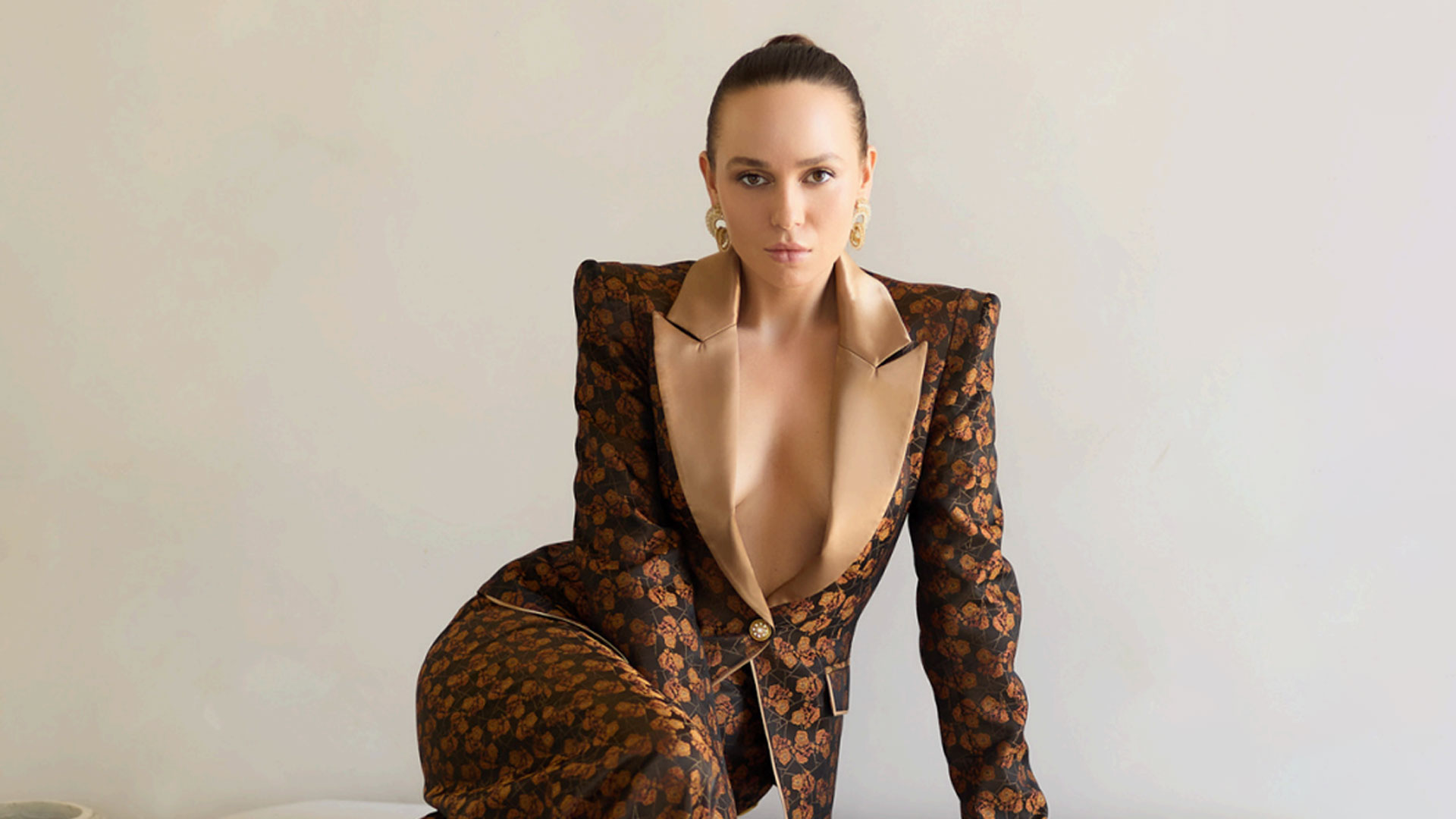
The Empress is a contemporary interpretation of feminine authority, created to celebrate women whose presence...
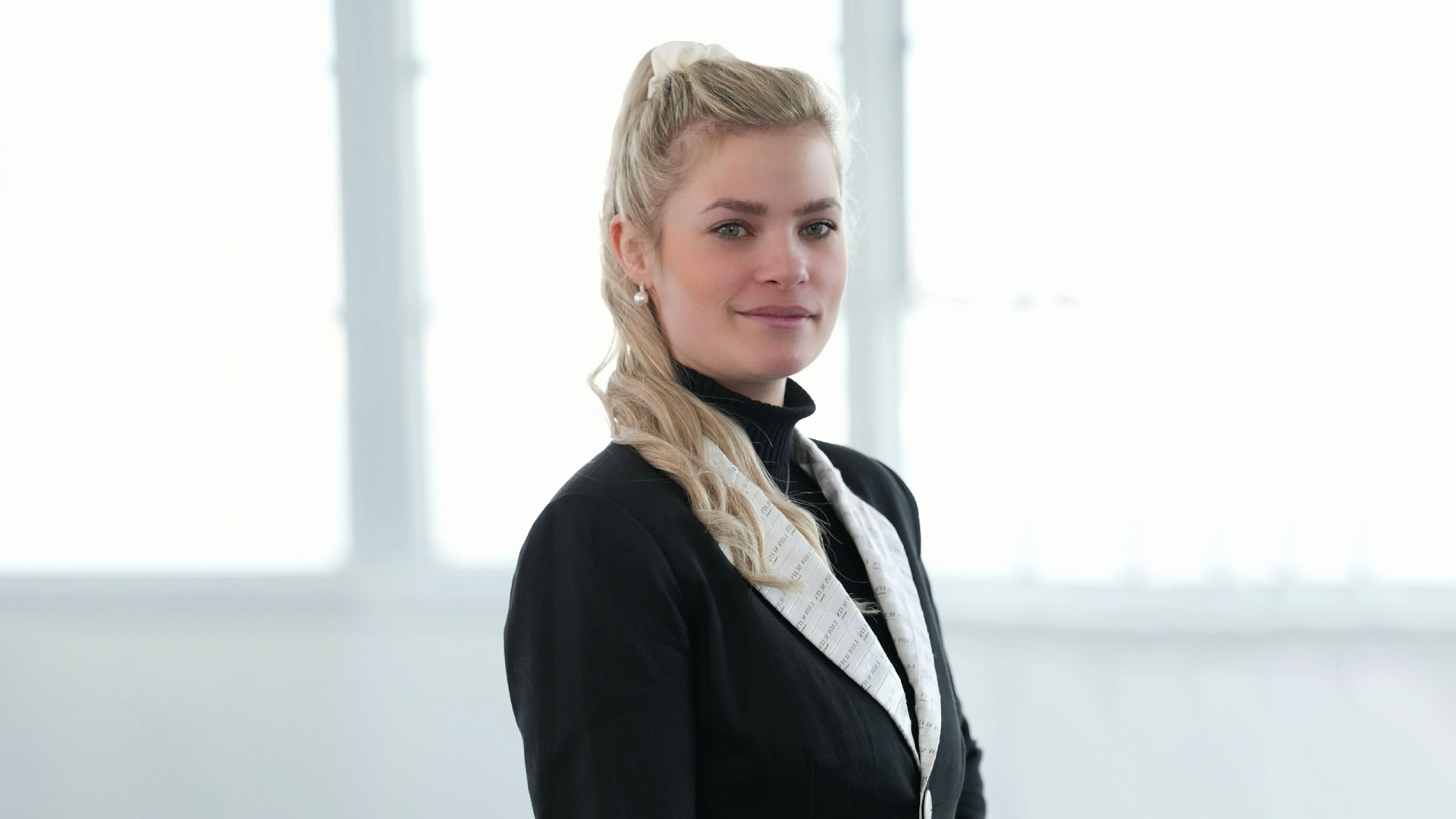
Emmely Roloff is the Founder and creative force behind Lady Suits LLC, a fashion brand creating distinctive designs that blend elegance, innovation, and individuality. Her work explores how silhouette, structure, and detail can shape identity, confidence, and presence.
Thank you so much. My name is Emmely Roloff, and I am the founder and creative force behind Lady Suits LLC, a fashion brand focused on creating powerful, distinctive designs that combine elegance, innovation, and individuality.
My inspiration comes from the belief that fashion should do more than simply dress someone. It should communicate identity, confidence, and presence. I have always been fascinated by the way a silhouette, structure, fabric, and detail can completely transform how a person feels and how they are perceived.
That passion led me to pursue design as a career and to develop my own creative language. I am particularly drawn to strong architectural shapes, unexpected details, and designs that challenge conventional ideas of femininity and luxury. For me, every piece is an opportunity to tell a story and create an experience.
Winning the MUSE Design Awards is especially meaningful because it recognizes not only the final designs but also the creativity and innovation behind them. It motivates me to continue pushing boundaries and developing Lady Suits into an internationally recognized fashion brand.
Being recognized by the MUSE Design Awards is a meaningful milestone for me and for Lady Suits. It validates the creative vision and dedication behind my work and shows that our designs can stand out on an international level.
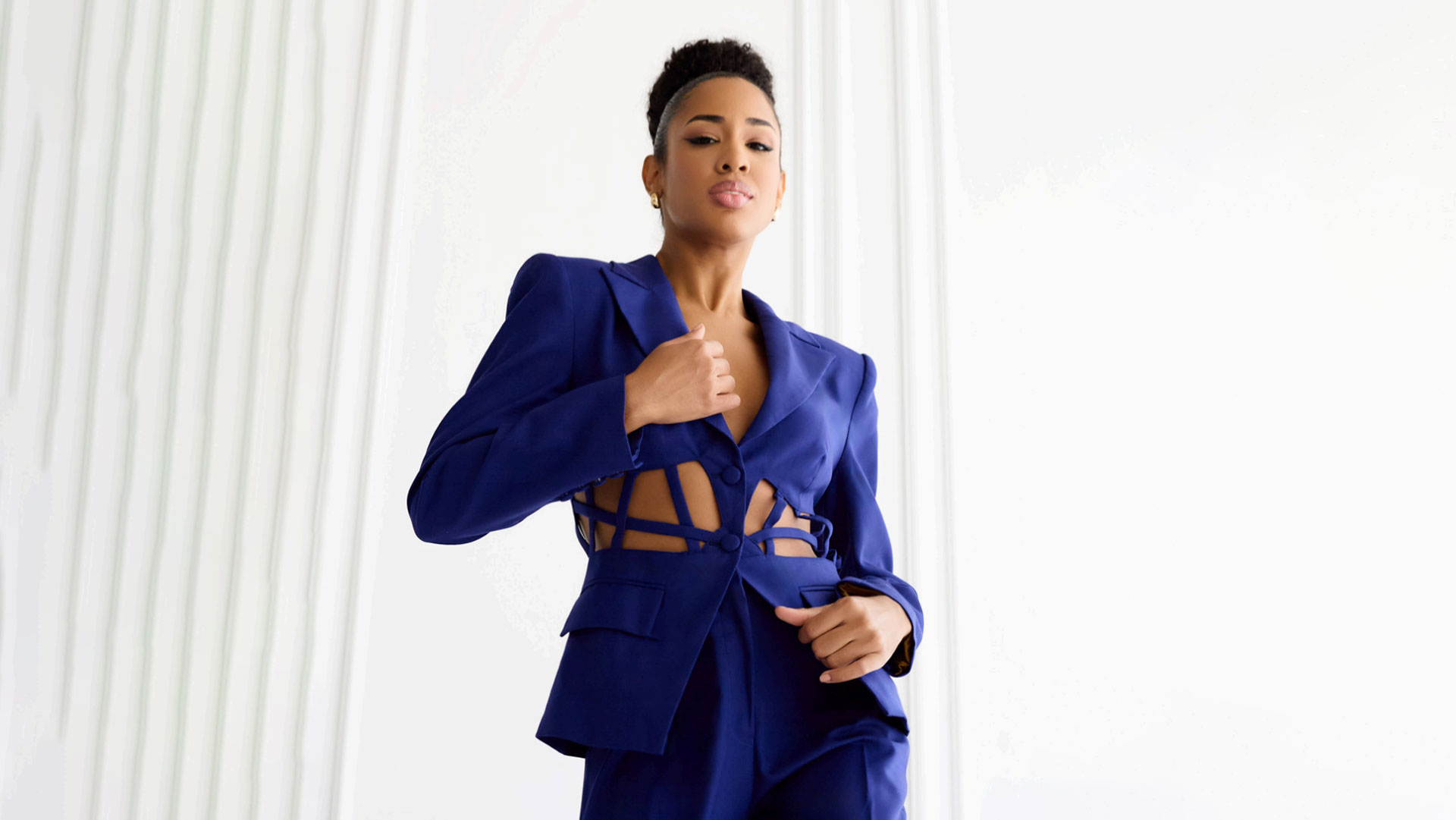
Receiving a Gold Award for “The Empress” and a Silver Award for “The Architect” is especially meaningful because both designs reflect different sides of my creative approach. “The Empress” represents a more expressive and avant-garde direction, while “The Architect” explores structure, precision, and innovation.
For me, this recognition is not simply about receiving awards. It is encouragement to continue developing my own design language, taking creative risks, and creating fashion that has a strong identity and lasting impact.
Being recognized by the MUSE Design Awards is a meaningful milestone for me and for Lady Suits. It validates the creative vision and dedication behind my work and shows that our designs can stand out on an international level.
Receiving a Gold Award for “The Empress” and a Silver Award for “The Architect” is especially meaningful because both designs reflect different sides of my creative approach. “The Empress” represents a more expressive and avant-garde direction, while “The Architect” explores structure, precision, and innovation.
For me, this recognition is not simply about receiving awards. It is encouragement to continue developing my own design language, taking creative risks, and creating fashion that has a strong identity and lasting impact.
Experimentation plays a central role in my creative process. I see it as a way to discover possibilities rather than simply follow established rules. I often experiment with silhouettes, proportions, structure, materials, and unexpected details until the design develops its own identity.
For example, with “The Architect,” I explored how architectural structure could be translated into fashion. Instead of treating the garment as a traditional silhouette, I experimented with strong lines, geometric proportions, and sculptural elements to create a look that feels almost constructed rather than simply sewn.
That process of testing, refining, and sometimes going in an unexpected direction is what allows me to create designs that feel distinctive and authentic to my vision.
One of the most unusual sources of inspiration for me is architecture, especially the way buildings create a sense of power through structure, balance, and proportion. I’m fascinated by how something designed for a physical space can be translated into something worn on the body.
For “The Architect,” I drew inspiration from architectural forms, clean lines, and sculptural structures rather than from traditional fashion references. I wanted the garment to feel almost like a piece of architecture in motion—strong, precise, and visually striking.
That approach reminded me that inspiration doesn’t always have to come from fashion. Sometimes the most unexpected disciplines can lead to the most original designs.
I wish more people understood that great design is rarely created in a single moment of inspiration. It is a process of exploration, experimentation, revision, and attention to detail.
What people see as the finished piece is only the final result of many decisions, adjustments, and sometimes even failures behind the scenes. For me, every detail has a purpose, from the silhouette and proportions to the materials and finishing touches.
I believe the design process is about having the vision to imagine something new, but also the discipline and patience to refine that vision until it becomes something truly meaningful.
I see the client’s expectations as an important part of the creative process, not as a limitation. The key is understanding what the client truly wants to communicate and then finding a way to translate that into my design language.
I listen carefully to their needs, but I also believe that my role as a designer is to bring something they may not have imagined themselves. That means introducing my own perspective, experimenting with details, and sometimes challenging conventional ideas while still respecting the purpose of the project.
The best result is when the client feels understood, but the final design still has a clear and authentic creative identity.
One of the biggest challenges was translating a strong creative concept into a finished garment while maintaining both visual impact and wearability. With an avant-garde design, it can be easy for the structure or details to become overwhelming, so finding the right balance required a lot of refinement.
I overcame this by approaching the design through experimentation and iteration. I continuously evaluated the silhouette, proportions, structure, and details, making adjustments until every element supported the overall concept.
The process taught me that innovation is not simply about creating something unusual. It is about having the discipline to refine an unconventional idea until it becomes a cohesive and intentional design.
When I experience a creative block, I try not to force the process. I step away from the project and allow myself to experience new environments, perspectives, and sources of inspiration.
I often find inspiration in architecture, art, travel, people, and everyday details that I might normally overlook. Sometimes simply changing my surroundings helps me see a design from a completely different perspective.
I also return to the original purpose of the project and ask myself what I want the design to make people feel. That usually helps me reconnect with the emotion behind the idea and move forward with a clearer vision.
The personal values I bring into my designs are confidence, individuality, ambition, authenticity, and sustainability. I believe fashion should empower people to express who they are rather than simply follow what is expected of them.
My experiences have taught me the importance of individuality and resilience. These qualities influence the way I approach design. I’m not afraid to take risks, challenge conventions, and explore ideas that may feel different at first.
Sustainability is also an important part of my creative philosophy. I believe fashion should be about creating pieces with meaning and longevity rather than simply following short-lived trends. I value thoughtful design, quality, and intention, from the choice of materials and construction to creating timeless pieces that can be appreciated beyond a single season.
For me, sustainability is not only about materials; it is also about creating with purpose and avoiding unnecessary excess. Ultimately, I want every design to have a clear identity and make the person wearing it feel confident, powerful, and unmistakably themselves.
My advice to aspiring designers is to develop your own creative identity and never be afraid to think differently. Trends come and go, but a distinctive vision can create a lasting impact.
Be curious, experiment, and allow yourself to make mistakes. Every challenge can teach you something and become part of your creative growth. At the same time, creativity needs discipline. Success requires consistency, patience, and the willingness to keep improving your craft.
Most importantly, believe in your vision. You don’t have to wait for someone else to give you permission to start. Create, put your work into the world, learn from every experience, and keep moving forward.
If I could collaborate with any designer, past or present, I would choose Alexander McQueen. His ability to combine powerful storytelling, dramatic silhouettes, exceptional craftsmanship, and emotion has always been deeply inspiring to me.
What I admire most about his work is his courage to challenge conventions and transform fashion into an artistic experience. He was not afraid to explore the unexpected, and that fearless approach strongly resonates with my own creative philosophy.
I would love to combine his visionary approach to storytelling and craftsmanship with my own focus on structured, contemporary, and empowering design. Together, I believe we could create something truly unexpected, where fashion, architecture, emotion, and individuality come together in one powerful statement.
One question I wish people would ask me is: “What do you want people to feel when they wear your designs?”
My answer is simple: I want them to feel confident, powerful, and truly themselves. For me, fashion is not just about how a garment looks. It is about the emotion and presence it creates.
I want my designs to give people the confidence to stand out, embrace their individuality, and feel comfortable being different. That is ultimately what I want Lady Suits to represent: design with purpose, identity, and lasting impact.