AI-Driven Digital Transformation & Intelligent Cloud Optimization
AI-Powered Digital Innovation for Intelligent Cloud Optimization & User Experience Enhancement ...
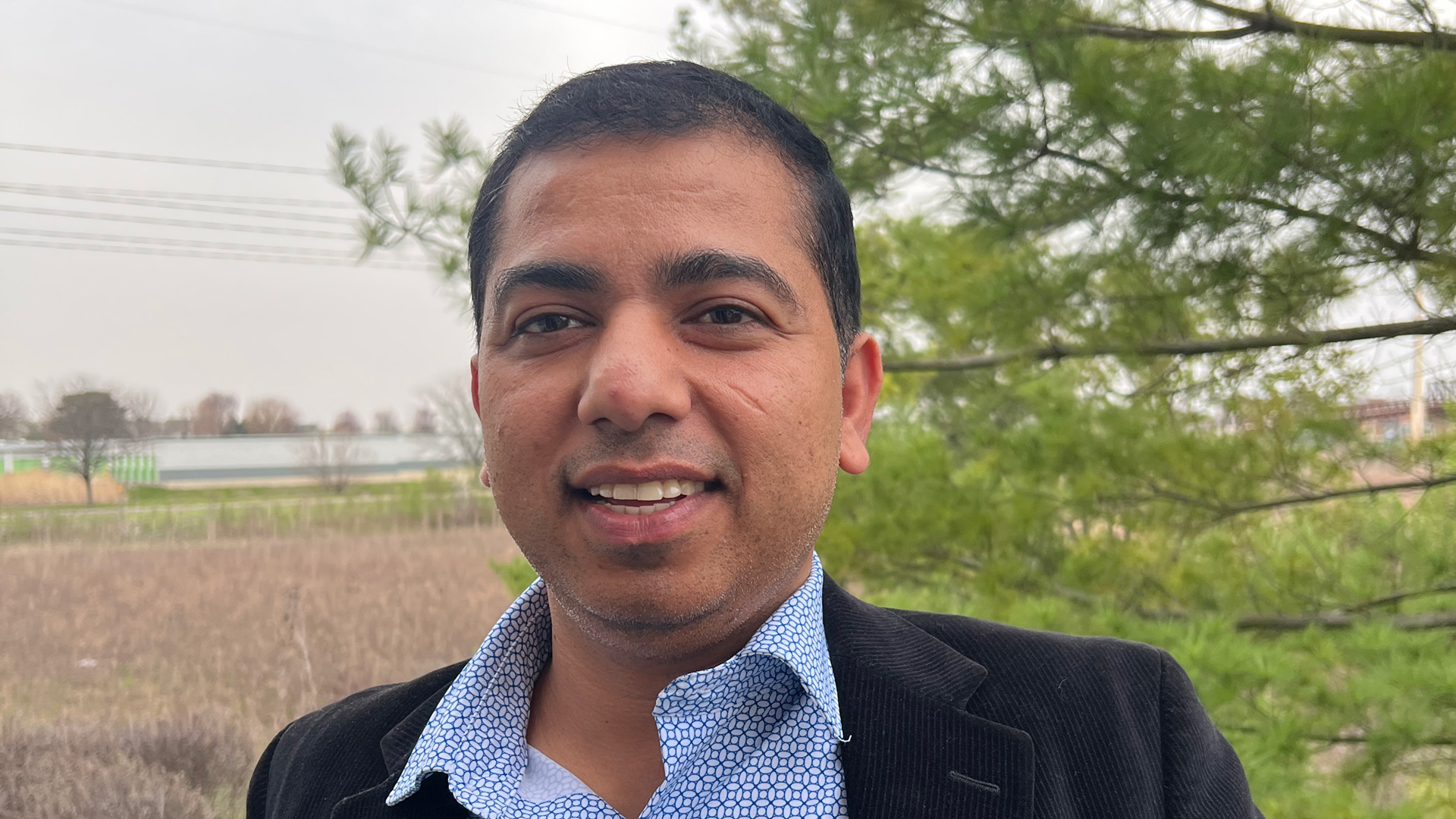
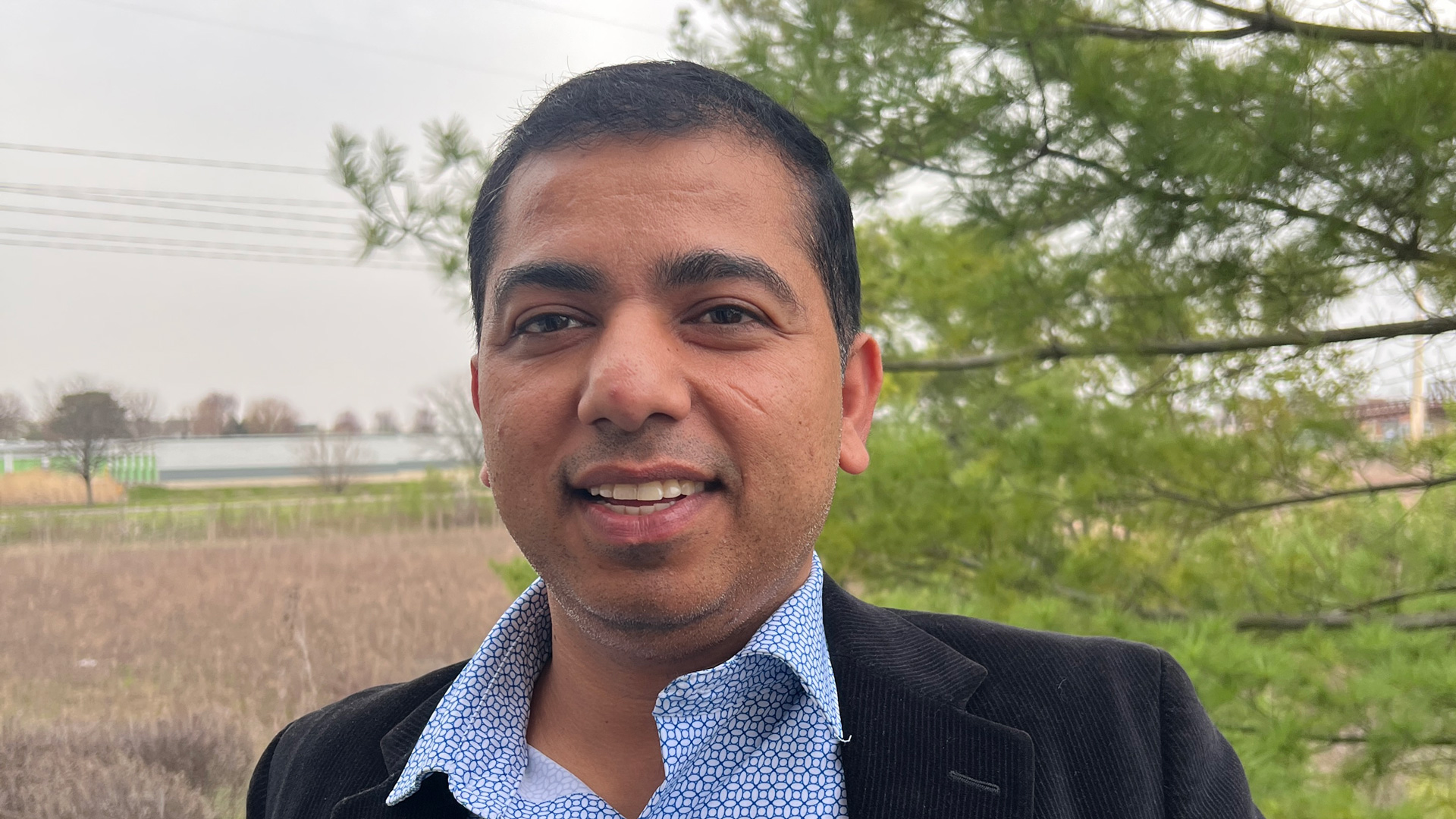
Prashant Awasthi is a Technical Architecture Manager at Accenture LLP with over 20 years of experience in enterprise technology, specializing in artificial intelligence, cloud computing, and large-scale digital transformation. He is also a Ph.D. research scholar focused on AI-driven systems and intelligent automation.
My name is Prashant Awasthi, a Technical Architecture Manager at Accenture LLP with over 20 years of experience in enterprise technology, artificial intelligence, cloud computing, and large-scale digital transformation. In parallel with my industry leadership role, I am also a Ph.D. research scholar specializing in AI-driven systems and intelligent automation.
My journey into this industry began with a strong foundation in computer science and software engineering. Early in my career, I worked hands-on in development and infrastructure environments, which gave me a deep technical grounding. Over time, I transitioned into enterprise architecture and strategic transformation roles, where I now lead high-value modernization initiatives, including a multi-million-dollar digital transformation program for a major North American supply chain client.
What has consistently driven me is the desire to bridge research and real-world implementation. Alongside my enterprise leadership work, I actively contribute to scholarly research, publishing in IEEE, Springer, Elsevier, and Taylor & Francis venues. My work focuses on AI-enabled automation, intelligent cloud systems, cybersecurity modeling, and sustainable digital engineering solutions.
The Vega Digital Awards recognition is especially meaningful because it reflects not only technical execution but also innovation in digital transformation at scale. My work centers on designing AI-powered systems that improve operational efficiency, enhance resilience, and create measurable business impact.
I was inspired to participate because this award program celebrates innovation that delivers measurable digital impact. My work centers on AI-driven automation and enterprise transformation, where technology is applied strategically to solve complex, real-world challenges.
Winning is both humbling and motivating. Personally, it validates years of dedication to research, innovation, and continuous learning. Professionally, it reinforces the importance of building scalable, intelligent systems that drive operational excellence and meaningful business outcomes. This recognition encourages me to keep pushing the boundaries of AI-powered digital transformation.
The story behind this success is rooted in solving real operational challenges through intelligent automation. The project emerged from the need to modernize legacy enterprise systems and build scalable, AI-driven architectures capable of supporting large, cross-border operations. Rather than applying technology for its own sake, the focus was on measurable impact—improving efficiency, resilience, and long-term sustainability.
It represents a broader shift in today’s industry: moving from traditional IT systems to intelligent, data-driven ecosystems. In an era where AI, cloud computing, and automation define competitiveness, this work reflects the importance of combining deep technical expertise with strategic vision to drive meaningful digital transformation.
The strategy combined AI-driven automation, cloud-native architecture, and intelligent DevOps practices to modernize complex enterprise systems at scale.
A key differentiator was the integration of research-backed methodologies with large-scale implementation, ensuring both technical rigor and operational efficiency. Instead of incremental upgrades, the approach emphasized long-term resilience, data-driven decision-making, and measurable performance improvements.
In a competitive field, the ability to align innovation with tangible business outcomes is what truly made the project stand out.
One of the most significant challenges was modernizing legacy enterprise systems without disrupting ongoing business operations.
To address this, we adopted a phased transformation strategy, combining cloud-native architecture, AI-driven monitoring, and automated testing pipelines to ensure stability during migration. Strong cross-functional collaboration across global teams was also essential.
By balancing innovation with risk management and governance, we successfully delivered modernization while maintaining operational continuity—turning a high-risk transition into a controlled, scalable transformation.
Winning this award reinforces the value of innovation driven by measurable impact. For me, it strengthens my commitment to leading AI-powered digital transformation initiatives that combine technical depth with strategic execution.
In the long run, I hope it opens doors to greater industry collaboration, research partnerships, and leadership opportunities within emerging AI-driven ecosystems.
The response has been very encouraging. Clients and stakeholders have appreciated that the recognition reflects not only technical excellence but also measurable business impact.
For me, the most meaningful feedback has been around trust—stakeholders expressing greater confidence in pursuing advanced AI initiatives, knowing that the approach has been externally recognized for innovation and effectiveness.
My advice is simple: focus on impact before recognition. Awards naturally follow when your work solves meaningful problems and delivers measurable outcomes. Prioritize building solutions that are scalable, data-driven, and aligned with long-term strategy rather than short-term visibility.
The digital industry is evolving at an unprecedented pace, especially with the rapid advancement of artificial intelligence, cloud-native ecosystems, and intelligent automation. I see this transformation not as disruption, but as an opportunity—an opportunity to rethink how systems are designed, optimized, and governed.
In the future, I aim to position myself at the intersection of AI innovation and large-scale enterprise transformation. My focus will continue to be on building intelligent, secure, and sustainable digital architectures that create measurable impact.
It’s completely natural to feel hesitant, especially early in your career. My advice is to focus less on the award itself and more on the value of reflection. Preparing an entry forces you to articulate your problem-solving approach, your innovation, and your impact—which is valuable regardless of the outcome.
Participating is not just about winning; it’s about learning, visibility, and growth.
Innovation today is no longer about isolated breakthroughs—it’s about collaboration across disciplines. The most impactful digital solutions emerge when technologists, strategists, designers, and business leaders work together with a shared vision.
My message to fellow professionals is to stay curious, stay adaptable, and stay connected. Embrace continuous learning, experiment responsibly with emerging technologies like AI, and always anchor innovation in real-world impact.
Absolutely. I am deeply grateful to my mentors, academic collaborators, and research colleagues who have continuously encouraged a mindset of learning and innovation. Their guidance has shaped both my technical approach and my strategic thinking.
Most importantly, I dedicate this recognition to the spirit of teamwork.
It is a research-driven, AI-powered digital transformation initiative that turns complex enterprise challenges into scalable, intelligent, and measurable business outcomes—because innovation is meaningful only when it delivers real-world impact.
I am currently focused on advancing intelligent automation frameworks, secure cloud-native architectures, and scalable AI systems that support large, cross-border operations.
On the research side, I am deepening my work in applied AI and large language model optimization as part of my doctoral research. I also look forward to contributing through speaking engagements, international collaborations, and thought leadership initiatives.