
DESIGN COMMUNITY | Who Gets Credit for Great Design?
OCTOBER 12, 2026
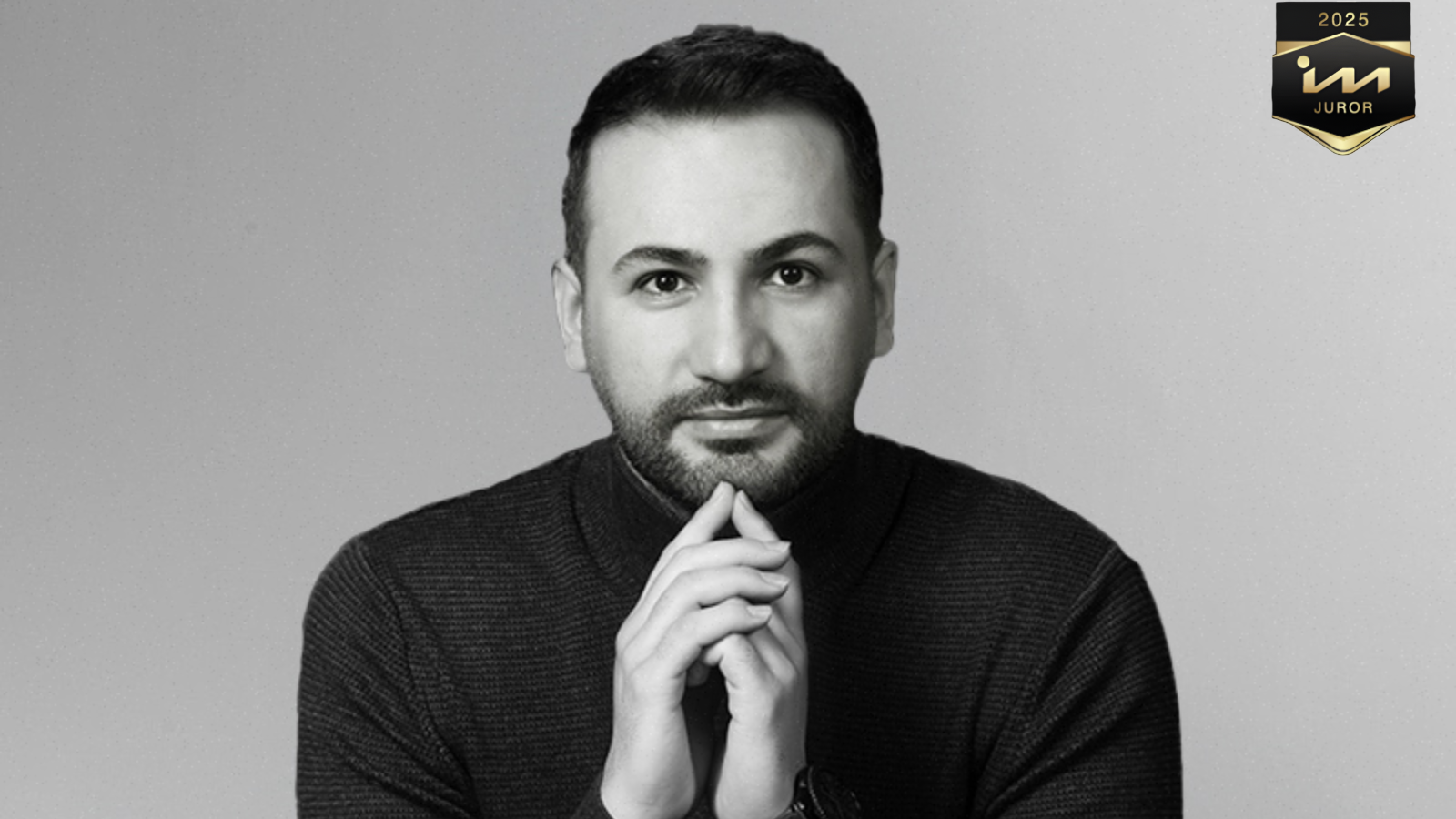
Arvin Maleki serves as Executive Director of Design at Futuredge Design Studio, where he leads innovative design initiatives rooted in user experience and sustainability. His expertise across industrial design, research, and creative leadership allows him to assess innovation with a strong understanding of both design excellence and practical impact.
To be honest, I started from a completely different place. I grew up in a family involved in the Persian handwoven carpet business. This family business gave me a deep understanding of art, craftsmanship, and cultural storytelling from early on. But my academic background was in information technology and computer systems architecture.
Over time, I realized I wanted to build a bridge between these two worlds. So I shifted my focus to industrial and user-centered design. Today, I divide my time between managing design teams, like what I do at Cube Publishing and FutureDesign Studio, and teaching at the university.
This unique blend of engineering, traditional art, and practical education has shaped my approach, and fortunately, this path has led me to win prestigious global awards.
My essential factors for evaluating design excellence include:
1. Innovation: Recognizing designs that introduce fresh perspectives and push boundaries beyond mere iterations of existing concepts.
2. Relevance: Ensuring designs resonate with current societal, cultural, or market trends.
3. Effectiveness: Evaluating how well the design communicates its message, including clarity, emotional impact, and engagement.
4. Aesthetic Excellence: Assessing the visual appeal and unique, coherent visual language of the design.
5. Sustainability and Social Responsibility: Acknowledging designs with environmental considerations and positive social impact.
To stay updated on the latest design trends and innovations, I immerse myself in a mix of ongoing education, industry networks, and media. This includes attending design workshops and conferences, participating in design communities, reading industry journals and publications, and experimenting with new technologies and methodologies. This multifaceted approach ensures I remain at the forefront of emerging trends and innovative practices, allowing me to continually refine my work and contribute to the field with a fresh and informed perspective.
In evaluating entries for the NY Product Design Awards, I focus on several key factors to determine the winners. Firstly, I look at the innovative nature of the design and its ability to push boundaries and offer new solutions. Secondly, I assess the relevance and timeliness of the design in today's society and its resonance with current trends.
Effectiveness is also crucial, evaluating how well the design communicates and achieves its intended purpose. Aesthetic excellence and the design's visual language are considered, along with sustainability and social responsibility, acknowledging designs that benefit the community and environment. This approach ensures a fair and comprehensive assessment, recognizing truly exceptional and forward-thinking designs.
In evaluating NY Product Design Awards submissions, I seek a balance of form, function, and foresight. Exceptional designs exhibit a pioneering spirit, blending aesthetics with efficacy while addressing future needs and ethical considerations. They stand apart in their narrative, detailing a journey from concept to realization that's both innovative and insightful. This discernment between good and exceptional hinges on a design's capacity to not only solve today's challenges but also to inspire tomorrow's possibilities.
Recent trends in the design industry include a strong focus on sustainability, user-centered design, and the integration of technology. These trends shape my assessment by highlighting entries that not only embrace these themes but also demonstrate a deep understanding and innovative application of them, ensuring that the designs are not just current but also forward-thinking and impactful.
When evaluating design projects from varied industries or disciplines, I adopt a flexible yet methodical approach, understanding each field's unique context and criteria while maintaining core principles of innovation, functionality, and user-centricity. This ensures a fair and comprehensive assessment, recognizing the distinctive challenges and opportunities within each domain.
To maintain objectivity and fairness, I adhere to a structured framework, applying consistent criteria to all submissions and considering each design's unique context. Regular recalibration of my assessment approach ensures unbiased evaluations and upholds a high standard of impartiality throughout the judging process.
While the appreciation of aesthetics inherently carries a degree of subjectivity, the core principles of exceptional design remain remarkably objective. As a juror, I consciously differentiate between my personal stylistic preferences and the universal efficacy of the design in question.
A successful product must eloquently solve a specific problem, elevate the user experience, and demonstrate an intelligent, sustainable application of materials and technology. I critically evaluate how masterfully a design fulfills its intended purpose and serves its target demographic.
When a product seamlessly bridges the gap between profound human needs and elegant, technical execution, it naturally transcends mere subjective taste and establishes itself as an objectively triumphant piece of industrial design.
My primary counsel to emerging and established designers alike is to articulate the narrative behind their creation with absolute clarity and academic rigor. A visually striking rendering is merely the surface layer. You must clearly illuminate the specific problem you are solving and meticulously guide the jury through your conceptual process. I highly recommend emphasizing the human-centric aspects of your design, detailing precisely how it meaningfully impacts the end user and society at large.
Furthermore, ensure your presentation is exceptionally concise and visually coherent. An application that seamlessly weaves a compelling, research-backed narrative with striking visual evidence and a profound understanding of sustainable integration will undeniably command attention and distinguish itself within such a highly competitive arena.
Juror Profile
2025 IAA Juror
NY Product Design Awards and TITAN Innovation Awards.
────────────────────────────Read Inside the IAA Jury Room: Judging Creativity Through the Lens of Pancho Gonzalez, Co-founder and Chief Creative Officer of Inbrax and a jury member of the International Awards Associate (IAA), by clicking this link.