
DESIGN COMMUNITY | Who Gets Credit for Great Design?
OCTOBER 12, 2026
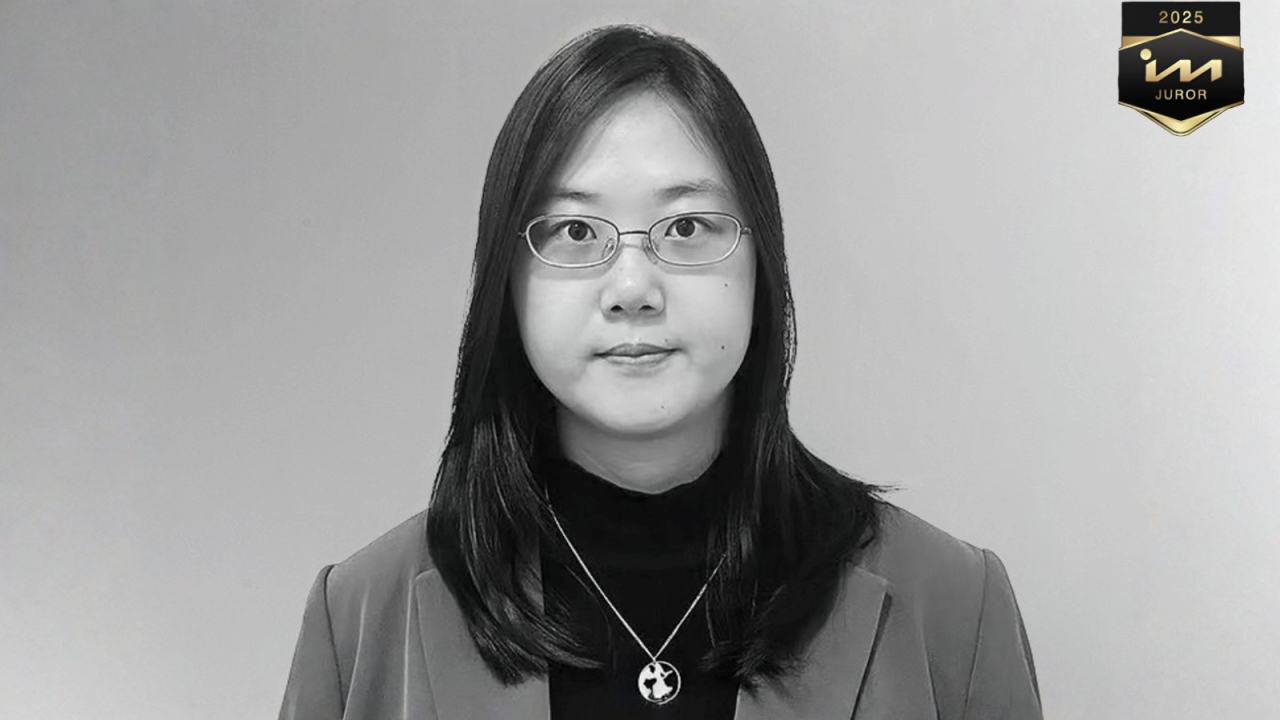
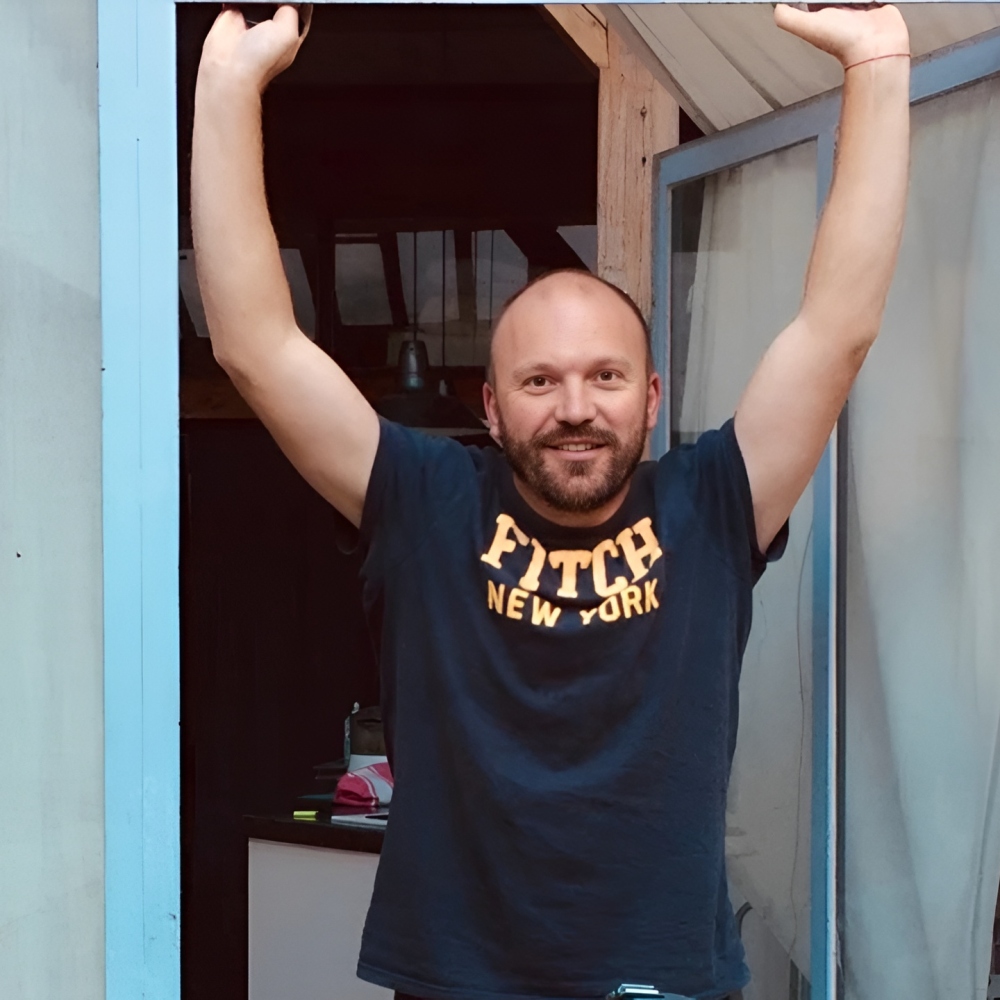
Xinyun Li is a New York-based registered architect, LEED AP BD+C, and multidisciplinary designer whose expertise spans architecture, sustainability, and human-centered design. As a juror of the International Awards Associate (IAA), she brings a thoughtful perspective shaped by extensive experience in large-scale architectural projects, research-driven innovation, and emerging design technologies.
I graduated from the Harvard GSD, and I am currently working at Perkins Eastman in New York. Over the years, I have worked on a wide range of project types, including healthcare facilities, mixed-use developments, educational projects, large-scale commercial and shopping complexes, and office towers.
This diverse experience has allowed me to work across different scales and contexts and to develop a broad understanding of architectural design. I am a licensed architect in New York.
I believe design excellence begins with how a project responds to its context and the people who use it. I look at whether the design has a positive impact on the local environment, whether it makes people’s everyday experience more convenient and intuitive, and whether it responds thoughtfully to the specific site, culture, and community.
I also think an excellent design should address real problems rather than simply create an attractive form. The designer should be able to identify the key challenges of a project and develop meaningful design strategies in response. For me, design excellence lies in the combination of contextual sensitivity, user experience, problem-solving, and the overall quality of the design response.
I usually stay updated by following professional design media, architecture publications, and industry magazines to see new projects and emerging ideas. I also pay close attention to recent competition submissions, as they often reflect new approaches, technologies, and ways of thinking in design.
Looking at a wide range of current work helps me understand how the field is evolving and keeps me open to different perspectives and design strategies.
When I evaluate a design, I usually begin by understanding the story and context behind the project—what the project is trying to achieve and what challenges the designer is responding to. I then look at whether the design approach and final outcome effectively address those challenges.
From there, I consider the project more comprehensively, including its innovation, aesthetics, functionality, and overall quality of execution. I also look at its broader social value and its impact on the local context when these aspects are relevant. For me, a strong design is not simply visually compelling; there should be a clear connection between the challenges identified, the design decisions made, and the final outcome.
I pay particular attention to the creativity of the design response, whether the solution addresses the project’s challenges in an original and thoughtful way. I also consider the overall aesthetic quality, the depth of the concept, and how completely and consistently that concept is carried through the design.
Another important aspect for me is the relationship between the design, the site, and the people who experience it. I look at how people move through, use, and feel within the space. For me, exceptional design goes beyond simply solving a problem well. It brings together a strong concept, a creative response, a high level of completeness, and a meaningful human experience in a coherent way.
I’ve noticed that design is becoming increasingly thoughtful and refined, with much greater attention being paid to human experience. There is a stronger shift toward human-centered design, where designers are thinking more carefully about how people actually use, experience, and interact with spaces. At the same time, more projects are taking on broader responsibilities, particularly in areas such as sustainability and social impact.
These are directions that I personally value very much, so I’m very encouraged to see more designers engaging with these issues in meaningful ways. When I evaluate a project, these trends do not automatically make a design stronger, but I do pay attention to whether these ideas are genuinely integrated into the project rather than simply added as labels.
For me, the most convincing work is when human experience, environmental responsibility, and social value naturally become part of the design itself.
I usually begin by understanding the project on its own terms—what its design goals are, what context it exists within, and what specific challenges or problems it is trying to address. Different types of projects naturally have very different priorities, so I do not think they should all be judged through the same lens.
I then look at whether the design responds effectively to its own goals and context, and whether it offers a thoughtful, creative, and complete solution to the challenges it faces. For me, the key is not to compare different disciplines directly, but to evaluate how successfully each project responds to its own particular conditions and intentions.
I try to maintain consistency in both my evaluation criteria and my judging process. For each project, I begin by understanding its context, goals, and challenges before forming an opinion. I then consider the work through the same key dimensions, such as innovation, functionality, conceptual depth, and overall completeness.
I also try to evaluate each submission independently and as a complete work, rather than allowing previous projects or personal preferences to overly influence my judgment. When reviewing a large number of submissions, I think it is also important to recognize when fatigue may affect your perception.
I take breaks when necessary and return with a fresh perspective so that I can recalibrate my judgment and maintain a consistent standard throughout the process.
I believe aesthetic taste is not the same as design quality. Everyone naturally has personal preferences, but when judging design, I try to step beyond my own taste and focus on clearer and more objective dimensions.
I look at what the project is trying to achieve, whether it effectively addresses the problems it identifies, whether the concept and its execution are consistent, and whether the design creates meaningful value for its users and its context.
I also consider its originality and the quality of the overall design response. A project does not have to match my personal aesthetic preferences for me to recognize it as an excellent design. For me, judging is about understanding the intentions of the project and evaluating how successfully those intentions have been translated into a thoughtful, coherent, and meaningful result.
My advice would be to make the core idea of the project as clear as possible and to highlight what is truly unique about the design. The images and overall presentation should help the jury understand the project quickly—what it is trying to achieve, why it matters, and what makes its approach creative or distinctive.
A strong submission should clearly communicate the connection between the original goal or challenge, the design response, and the final outcome. Rather than trying to show everything, I think it is more important to identify the strongest and most distinctive aspects of the project and communicate them clearly.
In a limited amount of time, the jury should be able to understand what the project is doing, what problem it is solving, and why the design has value.
Juror Profile
2025 IAA Juror
French Design Awards.
────────────────────────────Read Inside the IAA Jury Room: Elham Mirzapour Shares Her Experienced Perspective in Innovation centered on creativity and design excellence as a jury member of the International Awards Associate (IAA) through this link.