Interactive Light Installation: Before Fish Become Birds Creates a ...
SEPTEMBER 22, 2026
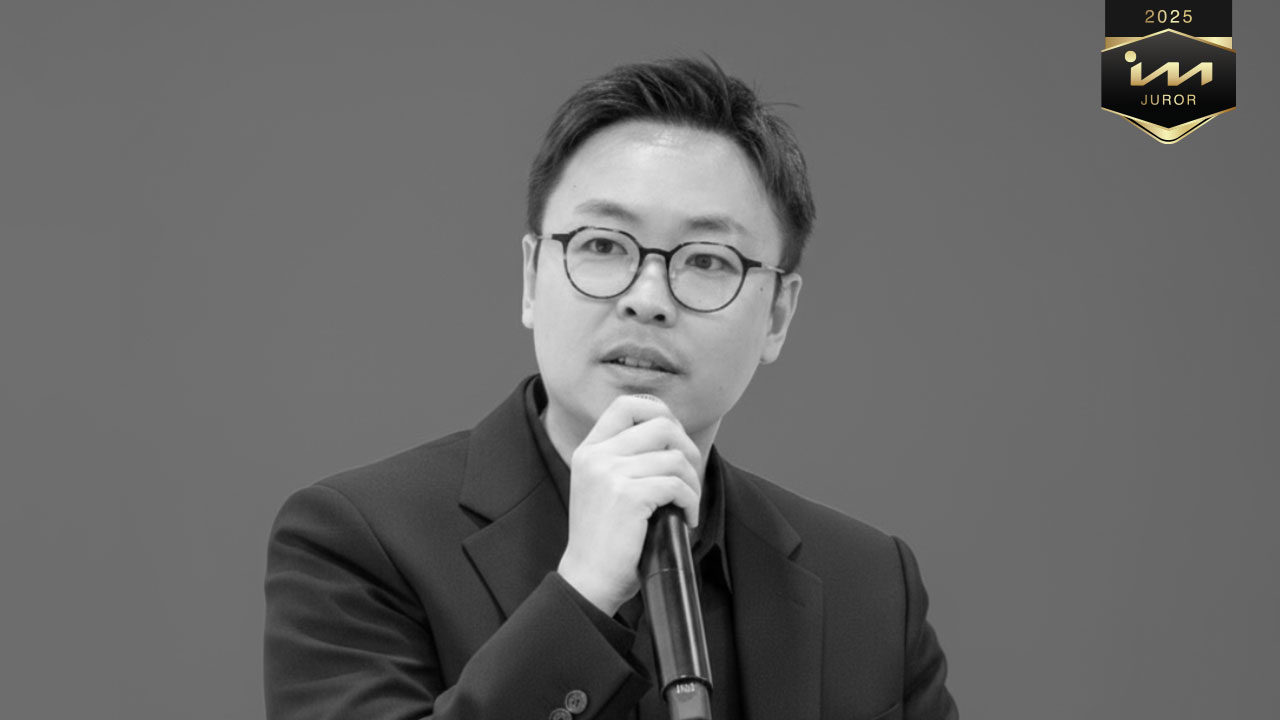
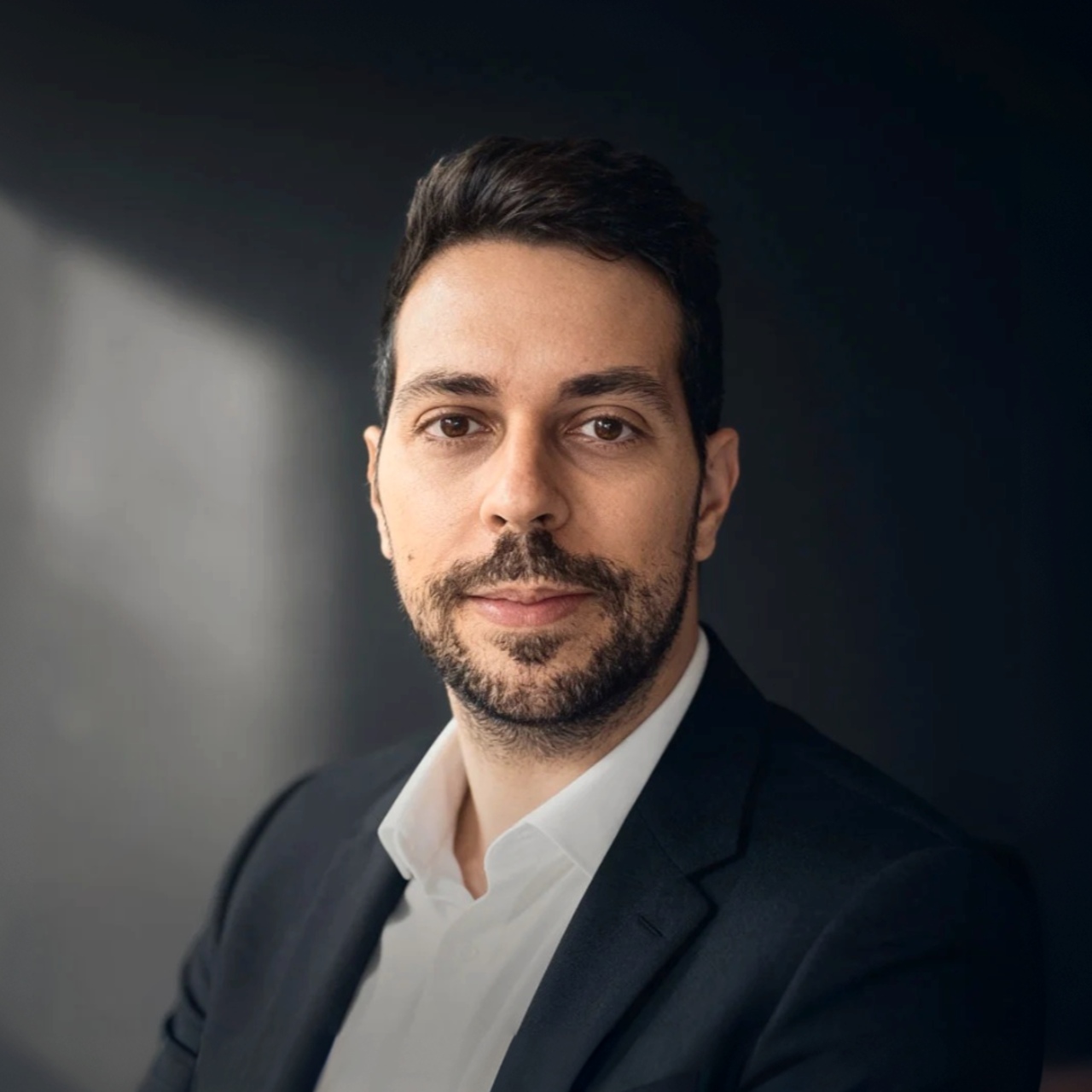
Dr. Ken Ip draws on extensive experience across branding, marketing, communications, and innovation to bring a well-rounded perspective to the jury. Having worked in global agencies, senior corporate leadership, and academia, he is recognized for evaluating creative work with a focus on strategic thinking, meaningful impact, and contemporary relevance.
My career actually began in the creative industry, and I started out in international 4As advertising agencies, working across branding, marketing communications, and strategic campaigns for a wide range of clients. Those early years gave me a solid foundation in creative thinking, storytelling, and understanding how ideas can influence consumer behavior.
I later moved into senior corporate roles, serving as Head of Marketing as well as Head of Communications and Public Affairs, where I was responsible for brand strategy, corporate reputation, media relations, and stakeholder engagement. Those experiences allowed me to see creativity not just as advertising, but as a business tool that drives growth, innovation, and organizational change.
Today, I wear multiple hats. I'm an Assistant Professor at Saint Francis University and Associate Director of the Innovative Incubation Centre, where I work with startups, entrepreneurs, and young innovators to turn creative ideas into commercially viable ventures. I also chair the Asia MarTech Society, connecting industry professionals across marketing, technology, and artificial intelligence.
Because I've worked on both the agency and client sides, and now in academia and entrepreneurship, I have a fairly unique perspective on how the creative industries are evolving. What excites me most is that creativity is no longer confined to designers or artists. In the AI era, creativity has become a core business capability, and the organizations that combine human imagination with technology will be the ones that thrive.
I've been serving as a judge for the MUSE Creative Awards for the past couple of years, and it's been a privilege to be part of a platform that celebrates outstanding creativity from around the world.
What attracted me to the role is the opportunity to see the incredible diversity of ideas coming from different markets, cultures, and disciplines. You might be reviewing a global brand campaign one moment and an independent creative project the next, yet both can demonstrate exceptional originality and impact. As someone who has worked in advertising agencies, led marketing and communications teams, and now teaches innovation and entrepreneurship, I also see judging as a way of giving back to the industry.
It's a chance to recognize great work, encourage emerging talent, and contribute to raising creative standards globally. The experience is also intellectually rewarding. Every judging cycle offers a snapshot of where the industry is heading, from the adoption of AI and immersive technologies to new approaches in storytelling and audience engagement. It keeps me learning as much as it allows me to contribute.
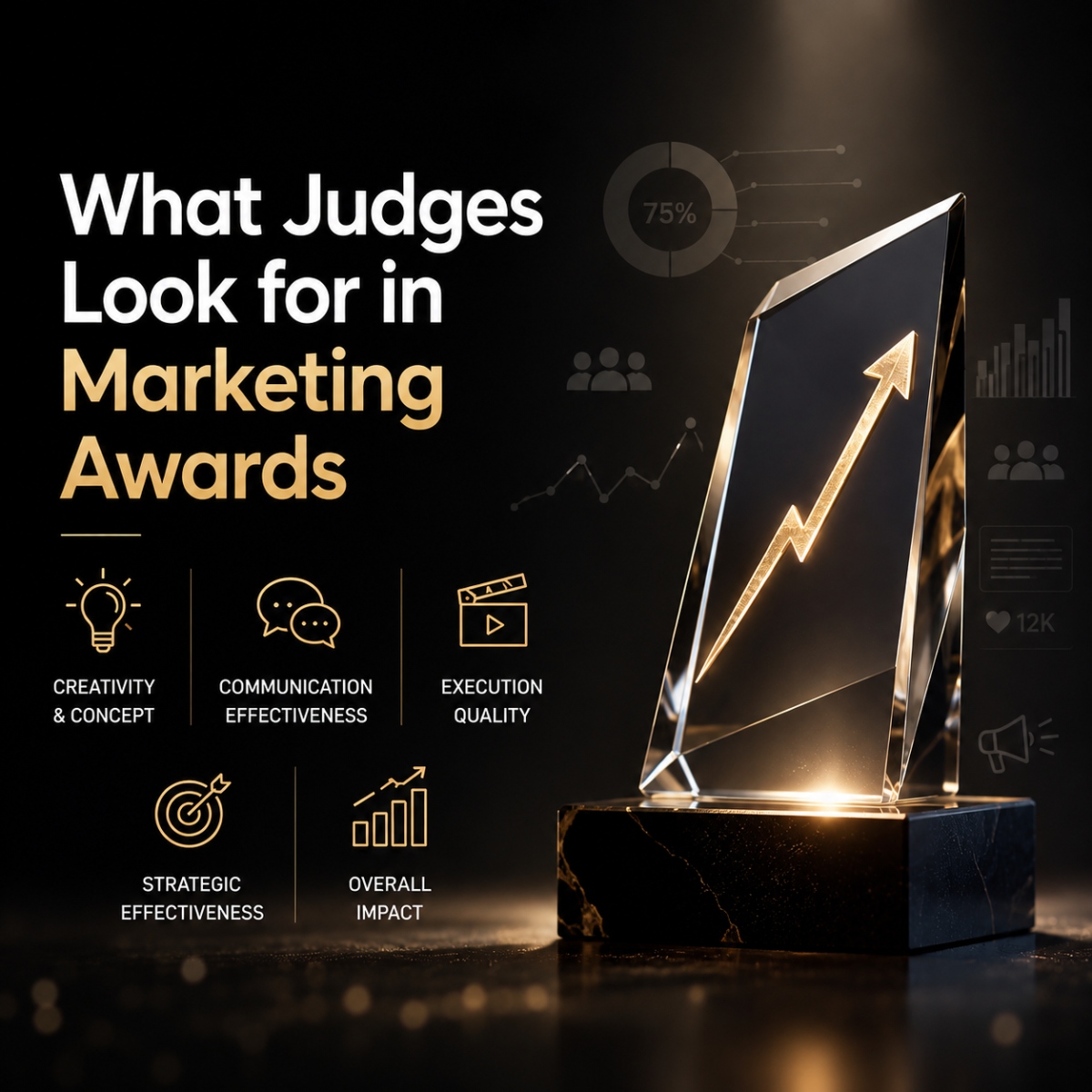
For me, creativity is not simply about producing something that looks beautiful or feels different. The first question I ask is, "Why does this idea deserve to exist?" I usually look at four areas. First is originality. Does the work offer a fresh perspective, or is it simply following a trend?
Second is strategic thinking. Is there a clear insight and a genuine understanding of the audience? Third is execution. Has the idea been brought to life with craft, attention to detail, and consistency?
And finally, impact. Did it change perceptions, spark conversations, or achieve meaningful results? I also pay close attention to simplicity. Some of the best creative work is remarkably straightforward because the underlying idea is so strong. If an entry requires pages of explanation before it makes sense, the concept may not be as powerful as it appears.
With AI making content creation faster and more accessible than ever, technical quality is no longer a differentiator on its own. What stands out is human insight, emotional connection, and the ability to tell a story that people remember. Those are the qualities that consistently distinguish truly exceptional work.
The key is to judge the work, not the name behind it. I approach every entry with the same mindset, whether it comes from a global agency, a major brand, or an independent creator. Reputation, budget, and market size should never influence the evaluation. A brilliant idea is a brilliant idea, regardless of where it comes from. I also try to balance analytical thinking with an open mind.
Creativity often challenges conventions, so it's important not to reward only what feels familiar or what aligns with personal taste. Instead, I ask whether the work successfully achieves its own objectives and whether it creates a meaningful connection with its intended audience.
Finally, I remind myself that creativity is increasingly global. Different cultures communicate in different ways, and what resonates in one market may look very different in another. Respecting those differences while applying consistent judging standards helps ensure the process is both fair and objective.
At the end of the day, the goal is simple: to recognize the strength of the idea and the quality of its execution, not the profile of the organization that submitted it.
What I find most rewarding is the chance to see the creative industry from a truly global perspective in a very concentrated period of time. Within a single judging cycle, you can move from highly polished multinational campaigns to bold experimental work from smaller studios or independent creators. That contrast is incredibly insightful. It is also genuinely rewarding to recognize work that might otherwise not receive the visibility it deserves.
Awards platforms like the MUSE Creative Awards play an important role in surfacing talent, especially from emerging markets or younger teams that are still building their reputation. Knowing that your evaluation can contribute, even in a small way, to that recognition makes the process meaningful. On a personal level, it keeps me connected to the pace of change in the industry. You quickly see how creativity is evolving, especially with the rise of AI, new storytelling formats, and shifting audience behavior. It is almost like taking a real-time snapshot of where the industry is heading.
Ultimately, the most satisfying part is that it is not just about judging work. It is about learning from it, being inspired by it, and occasionally being surprised by ideas that challenge your own assumptions.
One of the more challenging situations in judging is not when there is a clear "best" entry, but when you are comparing two or more very strong pieces of work that excel in different ways. For example, you might have one entry that demonstrates outstanding strategic thinking and delivers strong, measurable impact, and another that shows exceptional creative originality and execution, but in a more experimental context. Both are highly impressive, but in different dimensions.
In those situations, I go back to the fundamentals of the brief and the judging criteria. I ask myself: What was the intention of the work, and how effectively did it achieve that intention? I also try to separate personal preference from objective assessment, especially when one piece may feel more visually striking or familiar based on my own background.
When the decision is still close, I will often revisit the core question of relevance. Which idea is more clearly rooted in a powerful insight? Which one would I expect to have a lasting impact beyond the campaign itself?
Ultimately, the goal is not to find perfection, but to identify the work that most convincingly balances idea, execution, and impact within its own context. That helps ensure the decision is grounded, consistent, and fair, even when the choice is difficult.
I try to stay close to the industry from multiple angles, rather than relying on a single source. A big part of it comes from my work at the Innovative Incubation Centre at Saint Francis University, where I regularly engage with startups, student entrepreneurs, and early-stage founders. They are often among the first to experiment with new tools, platforms, and creative formats, especially in areas like AI-driven content and digital storytelling.
I also remain actively connected to industry practice through my role as Chair of the Asia MarTech Society. That gives me direct exposure to marketing and technology professionals who are working on the front lines of brand transformation, customer engagement, and data-driven creativity.
On top of that, I serve as a judge for international creative awards, which is a very effective way of seeing global trends in real time. You can quickly observe how different regions are responding to the same technological shifts, but in very different cultural and commercial contexts. I also write and comment regularly in the media, which forces me to reflect on emerging developments and distill them into clearer ideas.
In many ways, staying current is not just about consuming information, but about actively engaging with it, questioning it, and discussing it with different communities.
The strongest advice I can give is simple: start with the idea, not the execution. Many entries try to impress through visual polish or production scale, but what truly stands out is a clear, powerful insight. If the underlying idea is not strong, no amount of design or technology will fully compensate for it. So the first task is always to ask: What is the core human or business problem this work is trying to solve?
Second, be clear and disciplined in how you present your entry. Judges often review a large number of submissions in a limited time, so clarity matters. A strong submission tells a coherent story: What was the challenge? What was the insight? What did you do? What was the impact? If a judge has to work too hard to understand the idea, part of its strength is already lost.
Third, don't overcomplicate the narrative. Some of the most memorable entries are the simplest because the thinking is sharp and focused. Simplicity is often a sign of confidence in the idea.
Finally, authenticity matters. The work should feel true to the brand, the audience, and the context it comes from. Trends and technologies change quickly, but genuine insight into people's behavior and emotions is what consistently makes creative work stand out.
Yes, and the most striking shift is not just in style, but in how creativity is being produced and defined. The first clear trend is the rapid integration of AI into the creative workflow. What used to be experimental is now mainstream. Across entries, AI is increasingly used not just for efficiency, but for ideation, content generation, personalization, and even visual design. However, the most effective work is where AI is treated as an enabler, not the idea itself. The creative thinking still needs to come from strong human insight.
Second, there is a noticeable shift toward experience-driven creativity. Brands are moving beyond traditional campaigns and focusing more on immersive, interactive, and multi-sensory engagement. Whether through digital platforms, physical installations, or hybrid experiences, the emphasis is on participation rather than passive consumption.
Third, I see a stronger focus on purpose and authenticity. Audiences are increasingly sensitive to superficial messaging. The entries that stand out are those grounded in real social, cultural, or behavioral insights, rather than generic brand statements.
Finally, there is a democratization of creativity. High-quality work is no longer confined to large agencies or major markets. Smaller teams, independent creators, and emerging regions are producing work that is equally sophisticated, often with more agility and originality.
Taken together, these trends suggest that the creative industry is becoming more technology-enabled, but also more human-centric at the same time. That balance is where the most interesting work is emerging.
My main expectation is not necessarily to see bigger or more technologically advanced work, but to see clearer thinking behind the creativity. With AI tools, production capabilities, and access to global platforms becoming more democratized, it is easier than ever to produce visually impressive work. So the real differentiator now is the quality of the idea. I hope to see entries where the insight is sharp, the intention is clear, and the execution feels inevitable rather than forced.
I am also particularly interested in seeing how creators are responding to the changing behavior of audiences. Attention spans are shorter, expectations are higher, and people are more selective about what they engage with. The most effective creative work will be the kind that understands this shift, rather than trying to fight against it.
Another area I am hoping to see is more honest, grounded storytelling. Not everything needs to be overly polished or overly conceptual. Sometimes the most powerful ideas come from simple human truths expressed in a very direct way.
Ultimately, what I hope for is work that feels both contemporary and meaningful. Contemporary in how it uses tools, platforms, and formats, but meaningful in the sense that it leaves a lasting impression beyond the immediate campaign cycle.
One of the most memorable experiences is not a single project, but a category of work that tends to stay with you long after the judging session ends. I recall coming across a submission from a relatively small team that did not have the scale, budget, or production resources of larger agencies, yet the idea was exceptionally strong. It was a campaign built around a very simple human insight, and what impressed me most was how disciplined the execution was. There was nothing unnecessary in it. Every element served the core idea.
What made it stand out was not just creativity in the visual sense, but clarity of thinking. You could immediately understand what the work was trying to achieve, why it mattered, and how it connected emotionally with its audience. In contrast, some more heavily produced entries sometimes lose that clarity under layers of complexity.
That experience stayed with me because it reinforced an important truth about judging creative work: scale is not a proxy for quality. In fact, some of the most impactful ideas often come from constraints rather than abundance.
It is also a reminder that in today's creative landscape, particularly with AI lowering the barriers to production, the real value is shifting even more toward insight, originality, and intent. Those are the elements that continue to resonate, regardless of how the work is made.
I think constructive evaluation starts with respect for the effort behind every submission. Even when an entry does not meet the award criteria, there is always time, intention, and creative energy invested in the work, and that deserves to be acknowledged.
In practical terms, I try to be clear about why a piece may not have scored highly against the judging framework. That usually comes down to one or more core areas: the strength of the underlying insight, the clarity of execution, or the effectiveness of the idea in delivering its intended impact. Being specific about which dimension is weaker is far more helpful than giving a general negative impression.
At the same time, I also look for what is working in the entry, because almost no submission is without merit. It might be an interesting visual approach, a promising concept, or a strong attempt at tackling a relevant problem. Highlighting those elements helps participants understand where their strengths lie and how they can build on them.
I also try to frame feedback in a way that is forward-looking. The goal is not simply to assess a single piece of work, but to help creators improve their thinking for future projects. Sometimes, small refinements in how an idea is structured or communicated can make a significant difference in its effectiveness.
Ultimately, good feedback should be honest but encouraging. It should give participants enough clarity to improve without discouraging them from continuing to experiment and push creative boundaries.
IAA Juror since 2022
MUSE Creative Awards, Vega Digital Awards, NY Digital Awards, LIT Advertising Awards and LIT Entertainment Awards