
How Awards Build Personal Brand | Marketing Awards Benefits
OCTOBER 7, 2026
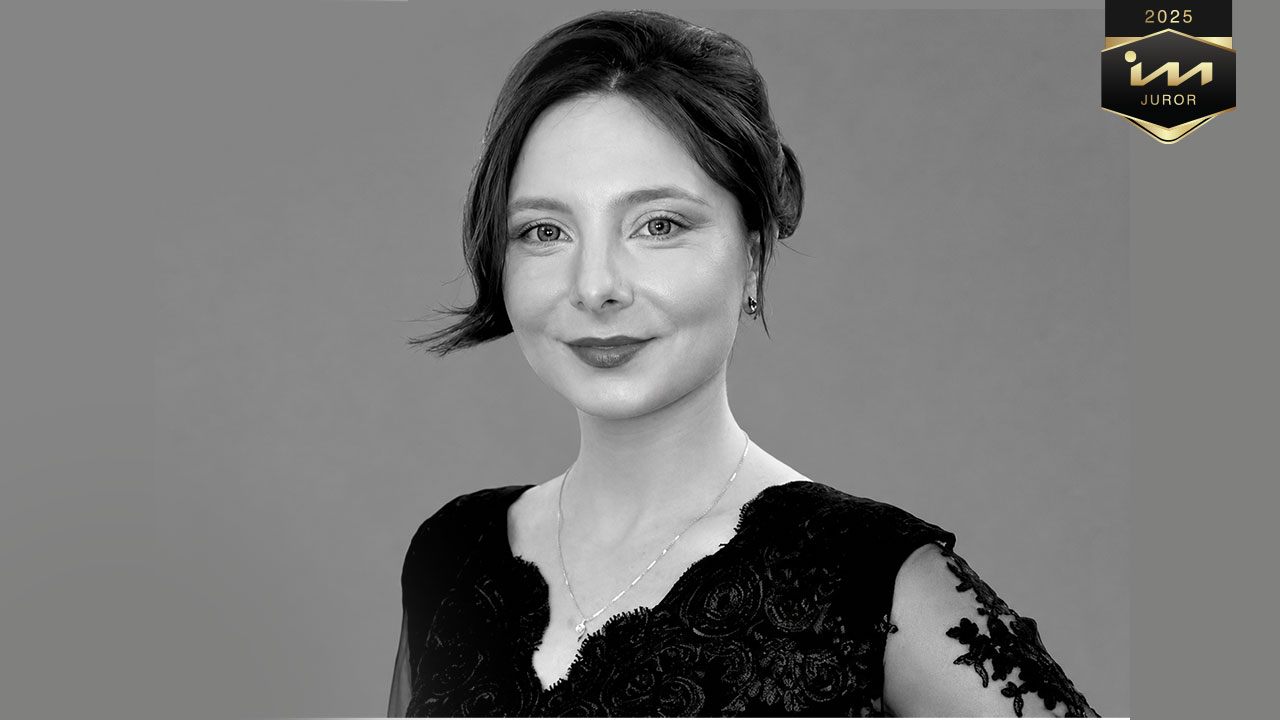
Founder of Neurodesign and Resonance Design methodologies, Mihaela Plesca is an international design juror whose work has been recognized by Forbes 30 Under 30 Romania and other international honors. She evaluates hospitality projects through the lens of innovation, functionality, and guest experience.
I began my career through internships at luxury hotels in Greece and Romania while earning a bachelor's degree in Engineering and Management in the Tourism Industry from Transilvania University of Brasov. My studies gave me a unique perspective on the relationship between engineering, hospitality, architecture, and design, leading me to develop an award-winning bachelor's project focused on sustainable rainwater management for hospitality facilities.
During my academic years, I presented my research at national and international conferences, securing the Best Presentation award at SGEM in Bulgaria and publishing research on hospitality innovation. I also explored the intersection of art and design, becoming a finalist in the international Rat d'Art Volant competition in France with an installation that introduced my early Neurodesign concepts.
After graduation, I built extensive experience across hospitality photography, hotel operations, digital marketing, project management, and hospitality consulting. Working with luxury hotels and global initiatives, including Google Digital Garage, strengthened my expertise in hospitality strategy, marketing, user experience, and business development.
I later founded my own business to develop and apply my Neurodesign and Resonance Design methodologies across hospitality, architecture, branding, and user experience. Alongside my professional practice, I have served as an international juror for leading design competitions, for more than seven years, where I have been recognized with multiple trophies. My work has also been recognized through honors including Business Elite's Under 30, Forbes 30 Under 30 Romania, and an award for Medical Innovation in Entrepreneurship.
It is a real pleasure to review each project and explore the ideas behind it to gain a deeper understanding of its concept. The most memorable part of the judging process is knowing that my feedback can help applicants strengthen their work and move their ideas forward.
Being able to evaluate every entry to the highest standard and contribute to its continued development is what makes the experience truly rewarding.
By applying my expertise in Neurodesign, along with two additional design methodologies I have developed, I believe I have contributed to strengthening the quality and innovation of luxury hospitality projects through my evaluations.
Meeting the standards of these design approaches requires careful consideration, and I believe the feedback I provide as a juror helps hospitality professionals refine their work, elevate service quality, and continue advancing the industry.
I pay close attention to the ergonomic standards of the hospitality industry and the impact they have on guests' experiences. Whether guests are checking in, dining in a restaurant, or using the spa facilities offered by a hotel, every interaction should enhance their comfort, satisfaction, and overall experience.
I enjoy evaluating projects from different cultures because they encourage me to think beyond familiar perspectives and appreciate diverse traditions. My academic background introduced me to many cultures, and I enjoy seeing how designers incorporate their cultural heritage into their work.
I always begin by respecting the cultural context behind each project before evaluating it against the universal hospitality principles and judging criteria that apply across the industry. This balanced approach allows me to appreciate both cultural authenticity and design excellence.
Because this competition is dedicated exclusively to the hospitality industry, I see its specialized focus as one of its greatest strengths. This niche approach allows entries to be evaluated within the unique context of the industry, ensuring greater relevance, deeper expertise, and more meaningful recognition.
Yes. Serving as a juror has continually expanded my knowledge of design and architecture. Every project offers an opportunity to learn, introducing me to new design approaches, cultural perspectives, and innovative ideas from around the world.
I also enjoy seeing ambitious teams collaborate to deliver exceptional hospitality experiences. Evaluating their work not only broadens my perspective but also deepens my appreciation for the creativity and dedication that continue to shape the hospitality industry.
Yes. My advice is to approach every judging assignment with fairness, integrity, and professionalism. Treat every submission with the same level of respect and evaluate each project on its own merits, regardless of its scale or reputation. This mindset helps ensure an objective, ethical, and consistent judging process.
I am particularly drawn to the diversity of architectural forms and spatial composition within hospitality environments. The interplay of lines, shapes, refined materials, light, and color creates a harmonious atmosphere that gives each property its own distinctive identity and guest experience.
Yes. One project that left a lasting impression on me was a hospitality property in Spain. Its innovative architecture, combined with the thoughtful integration of natural landscaping, sculptural landforms, and the surrounding built environment, created a truly distinctive guest experience from an urban design perspective.
IAA Juror since 2024
MUSE Hotel Awards, French Fashion Awards
───────────────────────────