
How Awards Build Personal Brand | Marketing Awards Benefits
OCTOBER 7, 2026
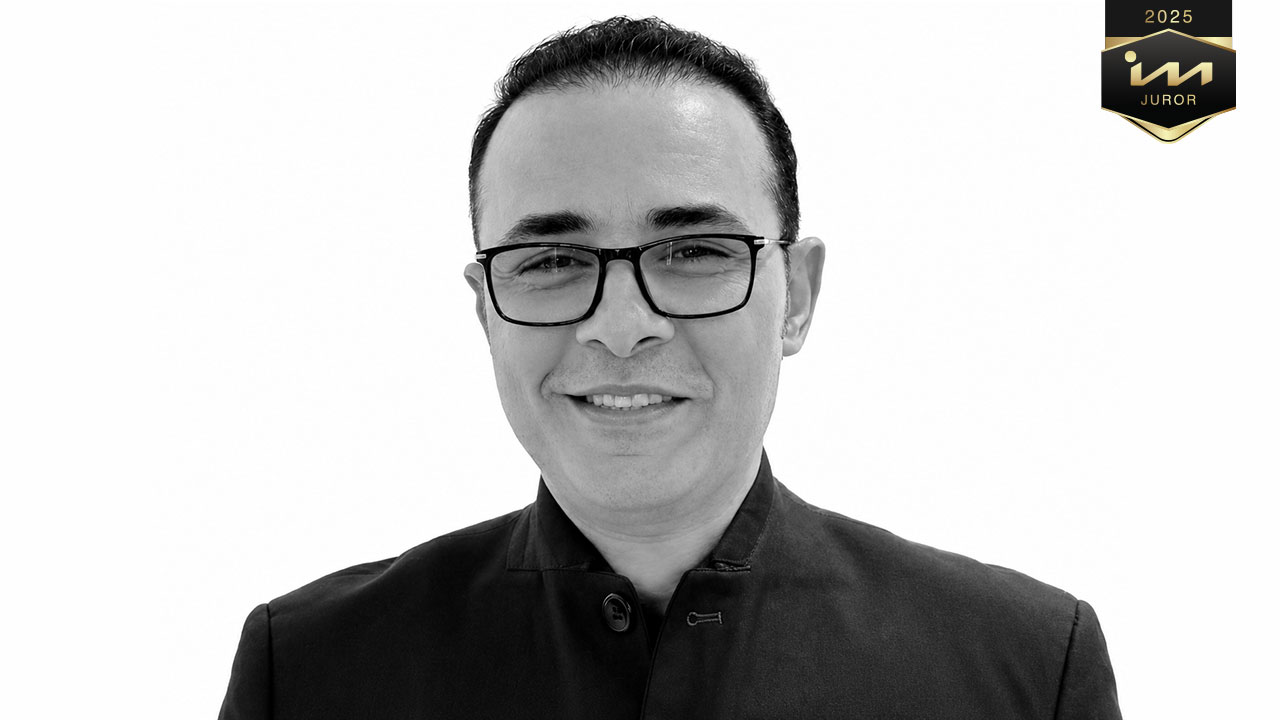
Khaled Elnems, Co-Founder and Head of Delegation for international innovation organizations representing Egypt and the U.A.E., is an industrial product designer, quality engineering expert, and inventor whose judging emphasizes technical precision, functionality, and sustainable innovation.
I am an Egyptian industrial product designer, quality control expert, and inventor currently based in Abu Dhabi, U.A.E. For over 20 years, I have worked as a Quality Engineering Controller alongside top-tier international infrastructure and program management consultants, including PARSONS Infrastructure & Technology Group and MWH (Montgomery Watson Harza), contributing to major projects under local municipal authorities.
Alongside my corporate career, my passion lies in research and development (R&D), with a focus on industrial product design, functional prototyping, and optimizing the structural quality of new inventions. My patented portfolio features sustainable waste-to-resource technologies, clean energy management, water preservation systems, and electronic safety solutions designed for smart cities.
As an active international juror for global engineering and innovation exhibitions, I also serve as Co-Founder and Head of Delegation for international innovation organizations representing Egypt and the U.A.E. In this role, I am dedicated to empowering young, marginalized, and women inventors by fostering digital creativity and providing the design and quality standards needed to help commercialize their innovations.
My design philosophy is deeply influenced by Alberto Burri's Sacchi movement, embracing the expressive power of raw materials, textures, and composition. By combining this artistic perspective with rigorous quality control engineering, I view design not as an isolated form, but as a holistic discipline where aesthetic excellence and technical execution strengthen one another.
To me, design excellence is achieved when a project embodies the perfect balance of idea, communication, and aesthetics. In industrial innovation, creativity should never be treated as a decorative layer or an afterthought; it is the foundation that drives marketability, user acceptance, and lasting value.
I believe true design excellence requires broad creativity supported by critical thinking and artistic skill. A successful design should communicate the essence of an innovation with clarity and elegance while remaining visually compelling, structurally harmonious, and functionally sound. Ultimately, it should bridge the gap between creative inspiration and high-quality manufacturing.
To remain an objective and informed judge for the MUSE Design Awards, I continuously refine my visual and technical benchmarks through active engagement with the global design community. I regularly participate in international innovation exhibitions, lead design delegations, and attend cross-industry design symposiums to broaden my perspective and stay connected to emerging ideas.
I also keep a close watch on evolving global trends by following leading design agencies, industry publications, and manufacturing journals. In addition, I engage with thought leaders across digital platforms, explore emerging creativity and prototyping tools, and participate in targeted workshops. Serving on international jury panels further provides invaluable firsthand insight into how creative standards continue to evolve across different regions and industries.
The MUSE Design Awards celebrate designs that inspire and push creative boundaries, so my evaluation process values both bold artistic vision and engineering integrity. I assess each entry through a structured, multi-layered quality framework that considers creativity, functionality, and real-world impact.
MUSE Quality Integration: Evaluating how seamlessly the core technological or functional innovation is integrated into the overall product design.
Design Fit and Ergonomic Data: Ensuring the physical composition, materials, and internal components align with the practical requirements, usability, and safety standards of the original concept.
Demographic and Environmental Sensitivity: Assessing whether the design demonstrates a deep understanding of its intended audience by considering age, environment, economic factors, and cultural context.
Cohesion & Brand Identity: Reviewing the harmony between the product's form, materials, color palette, branding elements, and overall composition to ensure a unified design language.
Human Interaction & "Fairing": Examining how effectively the internal and external elements have been refined to create an intuitive, comfortable, and enjoyable user experience.
Technological Modernity: Determining whether the design advances existing solutions while aligning with current market expectations, technological progress, and user needs.
A good design delivers a functional solution that performs exactly as intended. An exceptional design, worthy of the MUSE Design Awards, goes beyond functionality by creating a lasting emotional and aesthetic connection. It achieves a seamless balance between form and purpose, where composition, material selection, and color harmony naturally reinforce the product's core function.
What truly distinguishes exceptional design is its attention to detail, structural integrity, and commitment to quality. It addresses genuine market needs while embracing modern technology to elevate a practical concept into a refined, high-value solution with lasting cultural and commercial relevance.
One of the most significant trends I've observed is the convergence of luxury design with environmental responsibility and structural integrity. Designers are moving beyond surface aesthetics by incorporating circular economy principles, sustainable materials, and waste-to-resource concepts into high-end products from the very beginning of the design process.
This evolution has also brought a stronger emphasis on integrating quality control principles into the earliest stages of creative development. As a result, I no longer evaluate design based solely on its visual impact. Instead, I consider how effectively an entry applies modern technology while responding to the demographic, environmental, and practical needs of today's world.
I approach every design discipline through a single guiding philosophy: the integration of sustainable art and industrial innovation. Whether evaluating public smart-city infrastructure, environmental water systems, or luxury consumer products, I begin with the same fundamental question: how successfully does the design unite technical innovation with compelling visual execution?
By viewing cross-disciplinary projects as highly functional works of art, I can look beyond industry-specific complexities and objectively assess how effectively a design enhances the safety, quality, usability, and overall value of the underlying concept.
Objectivity requires a disciplined, criteria-driven approach, something that comes naturally to me through my background in quality engineering. I minimize personal bias by adhering closely to the MUSE Design Awards' evaluation guidelines, scoring criteria, and assessment framework, ensuring every entry is reviewed consistently and fairly.
I evaluate each submission using structured scoring methods that measure how effectively every element contributes to the design's overall purpose. By aligning my assessments with clearly defined benchmarks and supporting them with thoughtful technical observations, I ensure every creator receives a fair, comprehensive evaluation based solely on the merits of their innovation.
Subjectivity is an inevitable part of any creative field, but as a juror, I believe it's my responsibility to evaluate design through the lens of consistent, objective standards. Whenever a submission evokes a particularly strong personal response, whether positive or negative, I consciously return to the established evaluation criteria to ensure my assessment remains balanced and impartial.
I then focus on measurable aspects of the design: Is the composition cohesive? Does the form clearly communicate its function? Are the material choices, ergonomics, and user experience appropriate for the intended audience? By balancing creative appreciation with structured evaluation, I strive to ensure every entry is judged fairly and on its own merits.
My primary advice is to never treat design as a decorative layer for technology. Design is the foundation of an invention's marketability and the bridge between innovation and human experience. To stand out before the MUSE Design Awards jury, demonstrate how your design transforms a technical concept into an engaging, intuitive, and user-centered solution.
Use digital visualization and storytelling to clearly communicate your research and development process, prototype evolution, and the reasoning behind your material selections. When your aesthetic decisions and technical innovations are seamlessly integrated, the strength of your design becomes evident, allowing your work to stand out for both its creativity and functionality.
IAA Juror since 2024
MUSE Design Awards, TITAN Property Awards, TITAN Innovation Awards, NY Product Design Awards, NY Architectural and Interior Design Awards, London Design Awards, French Design Awards, Rome Design Awards, Noble World Hotel Awards and Tokyo Design Awards
───────────────────────────