
DESIGN COMMUNITY | Who Gets Credit for Great Design?
OCTOBER 12, 2026
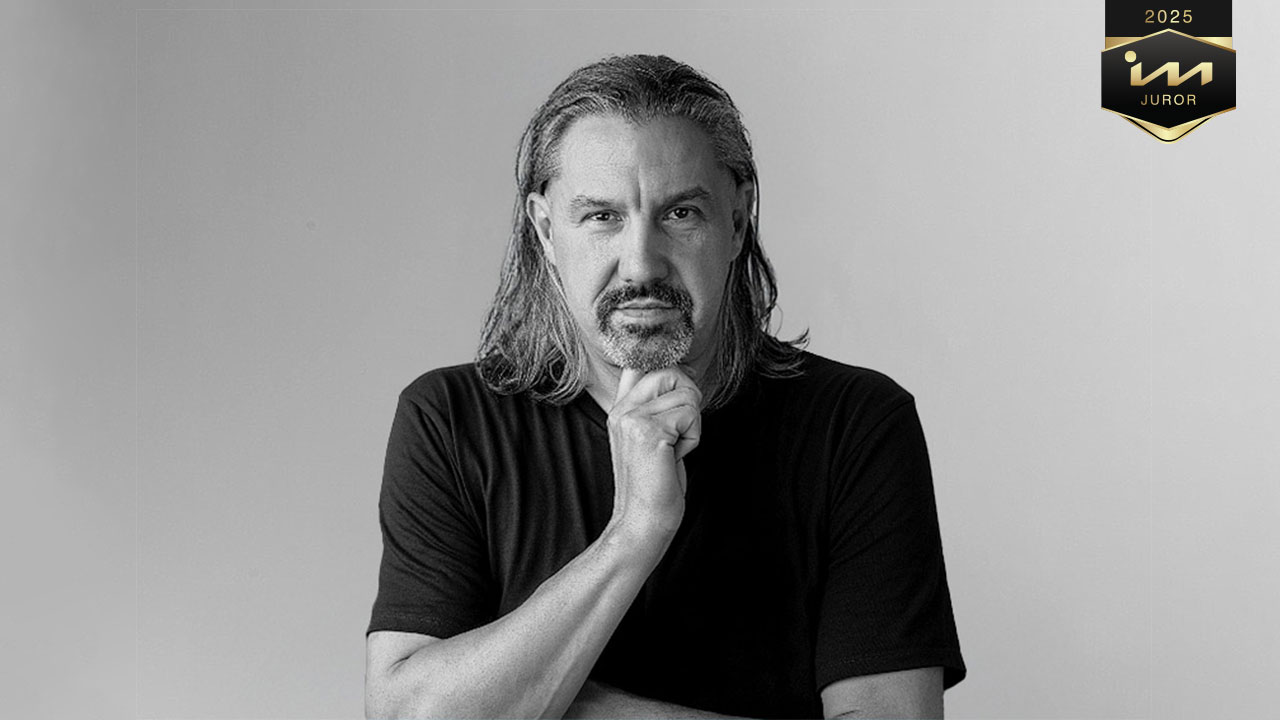
Tomáš Neuwirth is a landscape and drone photographer known for his thoughtful approach to capturing the natural world. Guided by careful planning and a deep appreciation for the changing landscape, he brings a discerning perspective to the jury, evaluating each entry with fairness, technical expertise, and a genuine appreciation for creative excellence.
I focus mainly on landscape and drone photography, so I don’t need an atelier or a studio. An office with a computer for post-processing my photos is enough for me. Nature is my studio.
My preparation is highly systematic. I often scout locations in advance, monitor the weather and lighting conditions, and take advantage of the changing seasons. I also return to certain places repeatedly. There are locations I’ve visited as many as five times before capturing a photograph I was truly happy with.
I primarily photograph the Jeseníky Mountains, where I live. I see them as an almost inexhaustible source of inspiration.
I don’t focus on individual aspects. Instead, I let each photograph speak to me as a whole, taking in its overall impact. If it gives me that immediate “wow” feeling and I genuinely believe it’s a masterpiece, I have no hesitation in awarding full points.
My comment is usually simple: “Keep up the excellent work!” I have no doubt this year’s MUSE Photography Awards will feature a few images that truly leave a lasting impression.
Sometimes, during judging, I come across a photograph whose author I recognize immediately. Experienced photographers often develop a distinctive style that makes their work instantly recognizable. However, I never let that influence my evaluation, even if I happen to know the photographer personally. I always approach each photograph impartially and judge it solely on its own merits.
As an aerial photographer, I'm always most curious about the Drones category. The difference between traditional and drone photography lies primarily in how you approach the composition. When photographing from the ground, you work with the perspective we're naturally accustomed to. From above, however, you begin to see the landscape as a whole, focusing less on individual subjects and more on the relationships between shapes, lines, and patterns.
When judging, I'm always interested in the ideas and unique perspectives photographers bring to their work. It's exciting to see how they interpret familiar landscapes in unexpected ways, and sometimes their creativity inspires my own way of thinking. Not by copying their work, but by appreciating and learning from their sense of space and composition.
First, I review all the photographs within a category to understand the overall quality and standard of the entries. From there, I establish a benchmark for my evaluation and begin assigning scores. If I later come across a photograph that significantly surpasses the others in quality, I revisit my earlier assessments and adjust the scores accordingly. This approach helps ensure that every photograph is evaluated fairly and consistently.
It wasn't long ago that a dedicated Mobile Phones category began appearing in photography competitions. It's a reflection of today's photography landscape, where our phones are always within reach, allowing us to capture moments as they happen.
At the same time, the growing use of AI powered camera features raises important questions about authorship and what can still be considered authentic photography. It's a topic that continues to spark discussion throughout the photography community.
A few years ago, I attended a photography workshop in Dubai led by Professor J. Tomas Lopez, Chairman of an international photography award. At the beginning of the workshop, he shared a photograph of a frightened woman holding a small child while soldiers searched her apartment. Technically, he said, the image was far from perfect, yet its emotional impact and powerful story made those flaws almost irrelevant.
That lesson has stayed with me ever since. While technical excellence is important, emotion remains the most important factor in my evaluation. A truly exceptional photograph is one that creates a lasting emotional connection with the viewer.
In addition to serving as a juror for the three IAA photography awards, I also judge three photography competitions in the Emirates. From time to time, I come across the same images submitted across multiple competitions. While there's nothing wrong with seeking recognition, I believe competitions should be viewed as a source of valuable feedback rather than the ultimate goal.
Photographers should create from genuine passion and a personal drive to tell meaningful stories. When they produce work they truly believe in, competitions become an opportunity to measure that work against an international standard and gain confidence in its impact.
For a photograph to stand out as a winner, it must reflect a high level of professionalism from its creator. Thoughtful composition, compelling light, and strong technical execution are qualities we expect to see in winning work. As judges, however, we are always looking for that extra element—the quality that transforms an excellent photograph into an unforgettable one.
Nude photography is one of the most challenging genres for me to evaluate because it requires a thoughtful balance between artistic expression and visual presentation. The strongest works go beyond aesthetics alone, conveying authenticity, intention, and emotional depth.
I believe exceptional photography invites reflection and creates a meaningful connection with the viewer, leaving a lasting impression that extends beyond its immediate visual appeal.
I always evaluate a photograph as a complete work. Technical execution, creativity, and originality should work together in harmony, with each element supporting the others. When these qualities come together seamlessly, they create an image that is both compelling and memorable.
Serving as a juror for the MUSE Photography Awards, along with other IAA photography competitions, has given me the opportunity to experience photography from a different perspective. After years of participating as a competitor, I found myself on the other side of the judging process, evaluating each entry with respect, fairness, and complete impartiality.
It has deepened my appreciation for the craft and broadened the way I view photography.
IAA Juror since 2022
MUSE Photography Awards and European Photography Awards