
Marketing Awards for Startups | Small Business Awards Guide
SEPTEMBER 16, 2026
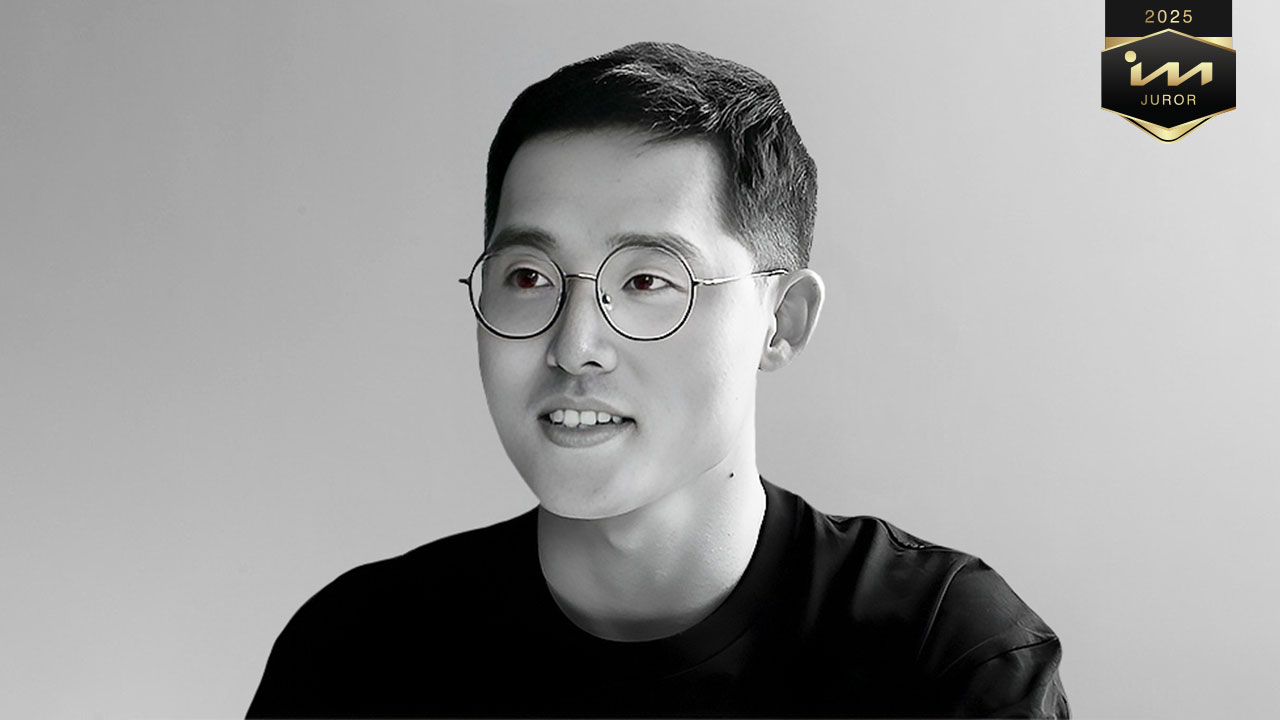
Xiyao Wang is an architect and industrial designer whose expertise spans commercial architecture, urban development, industrial design, and fabrication. With experience leading complex projects across multiple scales, he evaluates design through the lens of technical excellence, structural integrity, material innovation, and human-centered functionality.
My professional journey is shaped by a continuous dialogue between macro-scale urban architecture and micro-scale industrial design. Based in New York City, I lead teams on large-scale commercial and high-rise developments that redefine city skylines while navigating complex zoning and environmental frameworks.
At the same time, I direct an independent design studio where I focus on physical fabrication, custom mechanisms, and tactile objects. Moving fluidly between these two scales allows me to appreciate design both as a large-scale urban contributor and as an intimate, human-scale experience.
Design excellence in 2024 is defined by structural honesty, spatial efficiency, and future-proofing. A truly exceptional design doesn't just look spectacular on day one; it possesses the flexibility to adapt as human needs evolve.
I look for a clear structural logic where form and performance are completely unified. The project must demonstrate rigorous control of proportions, an intelligent use of resources, and an execution that feels inevitable rather than forced.
I track the evolution of tools and fabrication methodologies, as the ways we generate, simulate, and build design ideas continue to evolve. I pay close attention to advancements in digital fabrication, computational workflows, and material science, particularly how innovations from the aerospace and automotive industries influence architecture and product design.
Beyond technology, I also stay informed by observing changing urban patterns and how people naturally adapt public and private spaces in dense cities. These insights help shape my understanding of how design can better respond to the way people live and interact with their environments.
I utilize a "Macro-to-Micro" evaluation framework to ensure a comprehensive review. I begin by analyzing how a project interacts with its broader ecosystem. Does a building respect its urban fabric? Does a product fit logically into a user's life cycle? I look for how effectively it addresses the bigger-picture challenge.
I then shift my focus to the finer details, evaluating the joints, material intersections, and programmatic layout. This allows me to assess the physical reality of the design and determine whether its original concept has been fully realized through thoughtful and well-executed craftsmanship.
The difference between good and exceptional design comes down to intellectual clarity and foresight. Good design handles complexity well. It fulfills the functional requirements of the brief, demonstrates strong aesthetics, and uses materials responsibly. It is reliable, thoughtful, and highly competent.
Exceptional design goes a step further. It anticipates future shifts in human behavior, challenges industry conventions, or solves complex constraints with remarkable simplicity. Above all, it achieves maximum impact with a clear sense of purpose and nothing superfluous.
The defining theme of 2024 is adaptive resilience. We're seeing a remarkable rise in adaptive reuse projects, retrofits, and spaces designed with flexible boundaries to support evolving lifestyles. At the same time, designers are increasingly experimenting with generative AI during the early conceptual stages of industrial and spatial design.
When evaluating these projects, I look closely to see whether these innovations are grounded in real-world feasibility. I value designs where technology and adaptability strengthen human connection rather than simply following emerging trends.
I evaluate projects through the lens of systems thinking, examining how individual elements come together to create a cohesive and functional whole. Whether it's a mixed-use skyscraper, a mechanical device, or a piece of furniture, I believe the fundamental principles of good design remain consistent.
I pay close attention to the relationship between form and function, the flow of movement, and how effectively materials are used to express their inherent qualities. This approach allows me to remain objective across different disciplines and focus on the strength of the design thinking behind each project.
To maintain fairness throughout the evaluation process, I establish a consistent set of performance criteria before reviewing any submissions. I assess each project based on its own merits rather than its scale, budget, or reputation.
A large institutional project does not automatically outweigh a smaller, resourceful community initiative. By evaluating each submission within the geographic, economic, and social context outlined in its brief, I ensure that innovation, thoughtful execution, and design quality remain the primary focus.
I make a conscious effort to separate personal preference from design excellence. While my own work may reflect a particular aesthetic, my role as a juror is to evaluate the integrity of each project's unique design language. Whether a designer embraces a minimalist, highly rational approach or a more expressive direction, I assess how consistently and thoughtfully that vision is carried throughout the project.
For me, objectivity means evaluating how effectively a design fulfills its own intent while contributing to a meaningful human experience.
Demystify your design process. While polished final visuals are important, they rarely tell the complete story. To stand out, show the journey from the initial challenge to the final solution. Include the sketches, diagrams, layouts, and material details that demonstrate how your ideas evolved and how the problem was solved.
When you reveal the thinking behind the design—including the challenges, decisions, and structural logic—you give the jury a deeper understanding of your work. A compelling submission goes beyond beautiful visuals to showcase the strength of the design process itself.
IAA Juror since 2024
MUSE Design Awards, TITAN Property Awards, London Design Awards, French Design Awards, Rome Design Awards, Tokyo Design Awards
────────────────────────────