
Maxim Hair Restoration Is Shaping a New Era of Personalized Hair Re...
SEPTEMBER 30, 2026
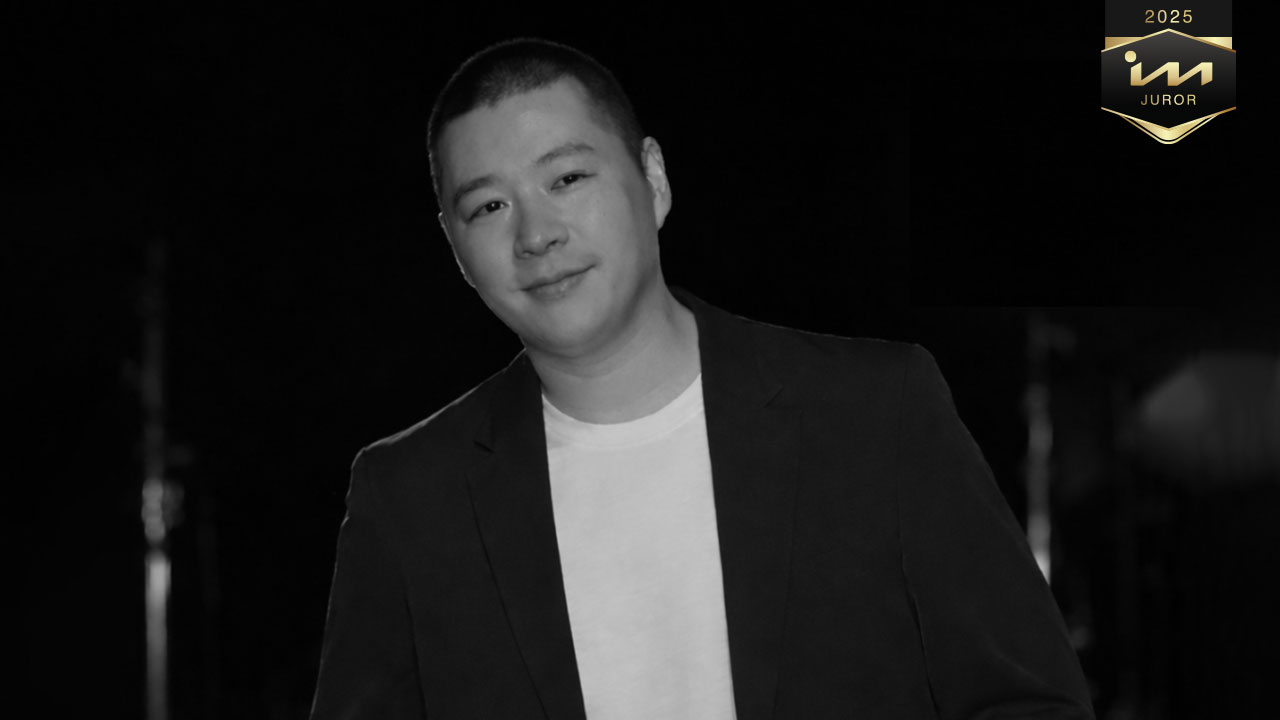
Zhiyi Wang is a composer working across contemporary classical music, film scoring, instrumental composition, and cross cultural collaborations. With experience spanning concert music, media scoring, and international creative projects, he brings a thoughtful perspective to the jury, recognizing artistic vision, technical excellence, and expressive depth.
My background spans contemporary classical composition, film scoring, instrumental music, and cross cultural musical projects. Over the years, I have worked across a wide range of genres and formats, from concert music to media scoring, and have always been interested in connecting artistic depth with practical communication.
My experience also includes collaborating with performers, ensembles, producers, and creative teams across diverse cultural contexts, giving me a broad perspective on how music functions in both artistic and professional environments. What I value most in my career is the ability to move between worlds: contemporary and traditional, experimental and accessible, Eastern and Western.
That diversity has shaped not only my compositional voice but also the way I listen to and evaluate music. I believe a strong musical career is built not only on talent but also on consistency, adaptability, and a genuine commitment to artistic growth.
I approach evaluation with both openness and structure. I first listen without assumptions, allowing the music to speak on its own terms before considering its originality, technical execution, emotional impact, coherence, and how effectively it fulfills its artistic purpose.
When selecting winners, I look for works that combine substance with imagination. A strong entry should demonstrate not only technical skill but also a clear artistic direction and sense of purpose. I also believe it is important to evaluate works within their own context rather than against a single aesthetic standard, as different genres and styles demand different forms of excellence.
I pay close attention to musical identity, structural integrity, emotional authenticity, and technical control. A piece should feel as though it comes from a genuine artistic vision rather than a formula. I also listen for the balance between detail and overall form, as even the most beautiful moments should contribute to a larger musical narrative.
In my own field, I value imagination in sound, sensitivity to pacing, and the ability to create a meaningful expressive world. Whether the music is intimate, dramatic, lyrical, or experimental, I look for intention, coherence, and a distinctive artistic voice.
One of the most rewarding aspects of judging is discovering artists whose names may be unfamiliar, yet whose music demonstrates remarkable vision and maturity. There are moments when a submission immediately stands out through its emotional authenticity and distinctive artistic voice, reminding me why competitions play such an important role in recognizing emerging talent.
What stays with me most is not only the technical quality of a piece but the feeling of discovering a genuine artistic personality. When that happens, you sense the beginning of something meaningful, and that is incredibly rewarding.
Music is deeply subjective, but that does not mean evaluation should be arbitrary. I make a conscious effort to separate personal taste from professional judgment, asking whether a work is convincing on its own terms, thoughtfully crafted, and successful in achieving its artistic intent.
Fairness also requires consistency. I apply the same core standards to every submission and take the time to listen carefully and respectfully to each one. Even when a piece falls outside my personal preferences, I can still recognize excellence in its execution, originality, and artistic courage.
One challenge of judging is that many submissions are exceptional in different ways, making direct comparison difficult. Another is maintaining the same level of focus across a large number of entries while ensuring each one receives the attention it deserves. It can also be challenging to evaluate works that are highly original but uneven, or technically refined yet lacking artistic depth.
I address these challenges by relying on clear evaluation criteria, listening carefully to each submission, and remaining mindful of my own biases. Above all, I remind myself that the goal is not to reward the most familiar or immediately striking work, but to recognize the entries that truly excel in substance, vision, and execution.
The most rewarding part of judging is the opportunity to support artistic excellence and bring well deserving talent into the spotlight. It is meaningful to contribute to a process that encourages artists to continue growing while giving their work a broader platform and wider recognition.
I also find it inspiring to experience the diversity of creative voices that emerge through competitions like this. They remind me that music continues to evolve through the imagination, discipline, and courage of new generations of artists.
I stay informed by listening widely across genres, following contemporary releases, and paying close attention to the work of performers, composers, producers, and institutions around the world. I also remain actively engaged with the broader musical community through collaborations, performances, and professional exchange.
At the same time, I try not to let trends shape my judgment. While trends reflect the present moment, lasting artistic value extends beyond what is fashionable. I believe a strong evaluator should understand current developments while remaining able to recognize work with enduring artistic significance.
A transparent selection process begins with clear standards and their consistent application. I believe every entry should be evaluated according to the same core principles, while remaining mindful of potential influences such as reputation, personal style preferences, or external expectations.
I also believe in evaluating the work itself rather than making assumptions about the artist. Fair judging requires careful listening, thoughtful comparison, and respect for diverse artistic approaches. Ultimately, transparency is built on discipline, consistency, and integrity throughout the evaluation process.
Constructive feedback is essential because it helps artists understand not only what worked but also how their work can continue to grow. Effective feedback should be honest, specific, and encouraging, recognizing strengths while identifying meaningful opportunities for development.
When providing feedback, I strive to be both thoughtful and practical. I focus on musical elements that can genuinely help an artist improve, such as structure, expression, balance, and clarity, rather than offering vague praise or overly harsh criticism. Ultimately, the goal is to support artistic growth, as a competition should not only recognize excellence but also contribute to an artist's ongoing development.
My advice is to stay true to your artistic identity while remaining mindful of craftsmanship, clarity, and presentation. In any competition, judges respond not only to originality but also to the sincerity, discipline, and purpose behind the work. A piece with a clear artistic vision, even if it is not technically perfect, often leaves a stronger impression than one that feels generic or overly calculated.
I also encourage aspiring artists to view competitions as part of a larger creative journey rather than the final measure of their worth. Recognition is meaningful, but growth is even more important. Use each experience as an opportunity to understand how your work communicates, how it resonates with others, and how it can continue to evolve.
IAA Juror since 2022
LIT Music Awards