Heterotopic Symbiosis: Accumulations
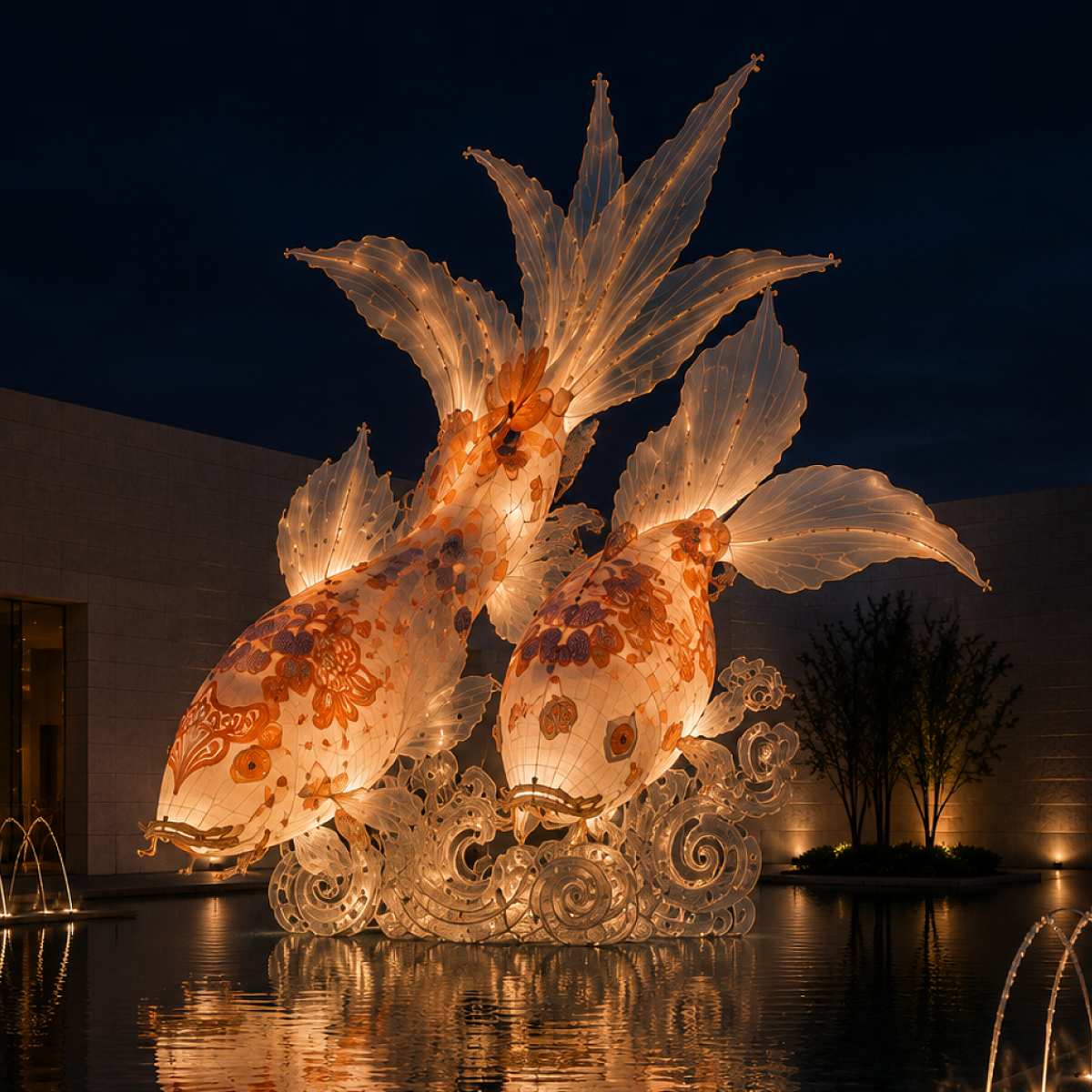
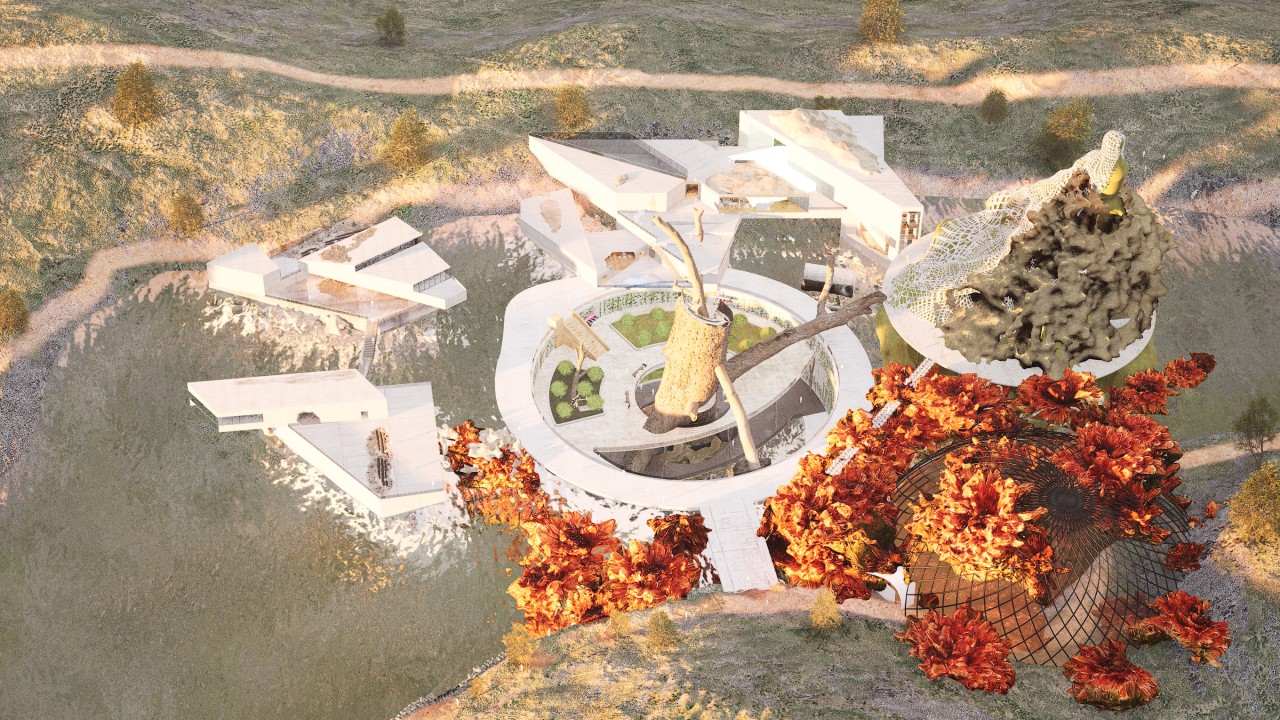
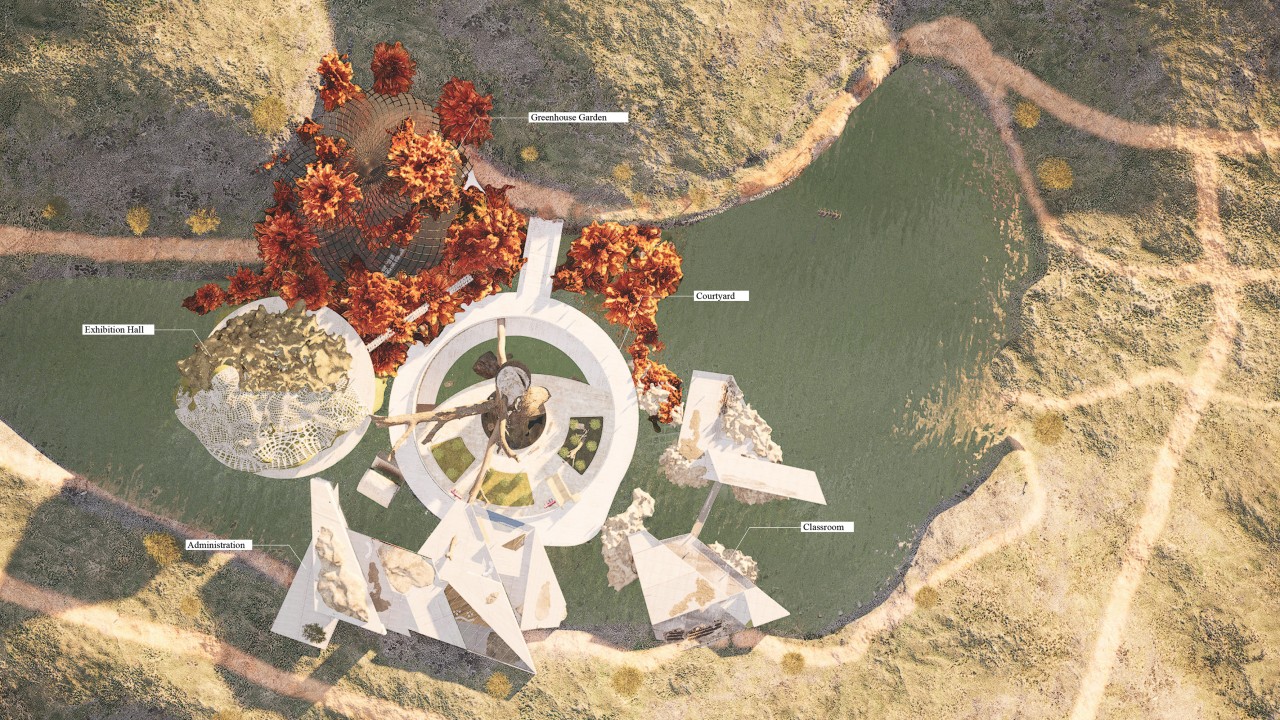
Heterotopic Symbiosis: Accumulations is a biophilic ecological research center that transforms Ascot Reservoir into a...
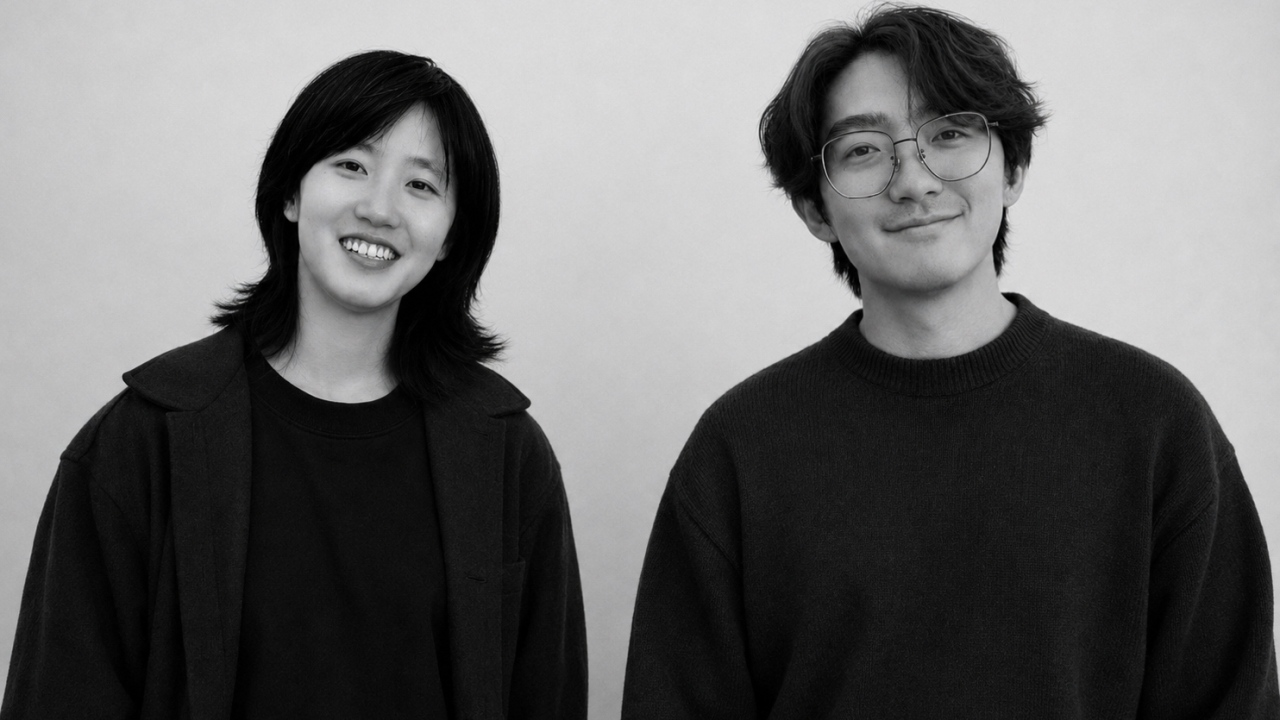
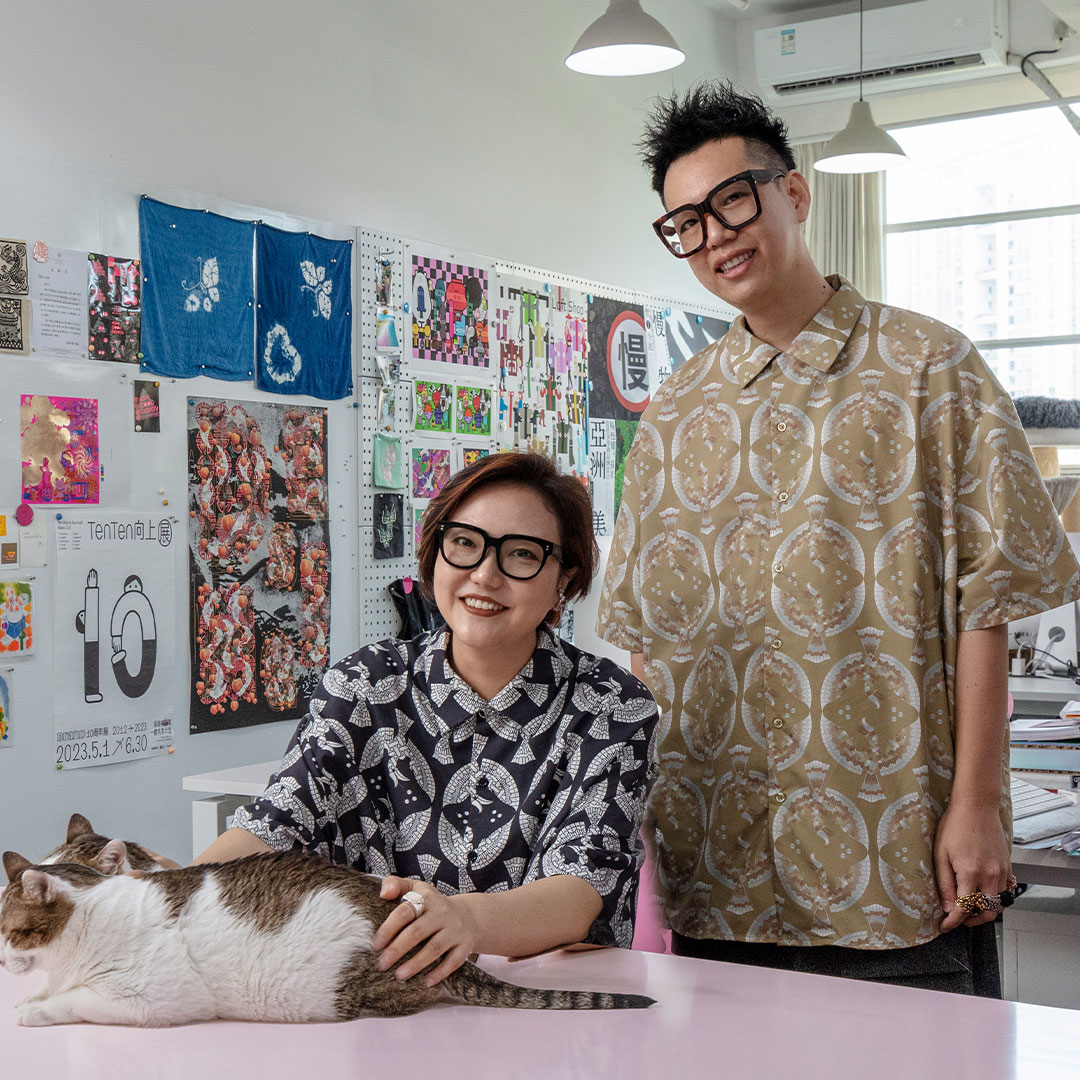
Architectural designers and artists Suyue Jin and Haocun Zou (Joseph) bring together architecture, technology, and the natural world through an experimental design approach shaped by curiosity and research. Drawing on advanced tools such as 3D LiDAR scanning, the duo transforms everyday objects and organic elements into architectural expressions that challenge conventional design thinking.
We are Suyue Jin, an artist and architectural designer based in Los Angeles, and Haocun Zou (also known as Joseph), an artist and architectural designer based in China. We both received our Master of Architecture from SCI-Arc, and we share an interest in how architecture can connect human experience, technology, and natural systems. This shared curiosity inspired our collaboration.
This recognition is a meaningful milestone for us. It acknowledges the research, experimentation, and collaboration behind Heterotopic Symbiosis: Accumulations and encourages us to continue exploring ecological design.
The award has helped more people see our work and understand the ideas behind it. Since we now work in different countries, it also gives us a reason to continue collaborating and developing projects together.
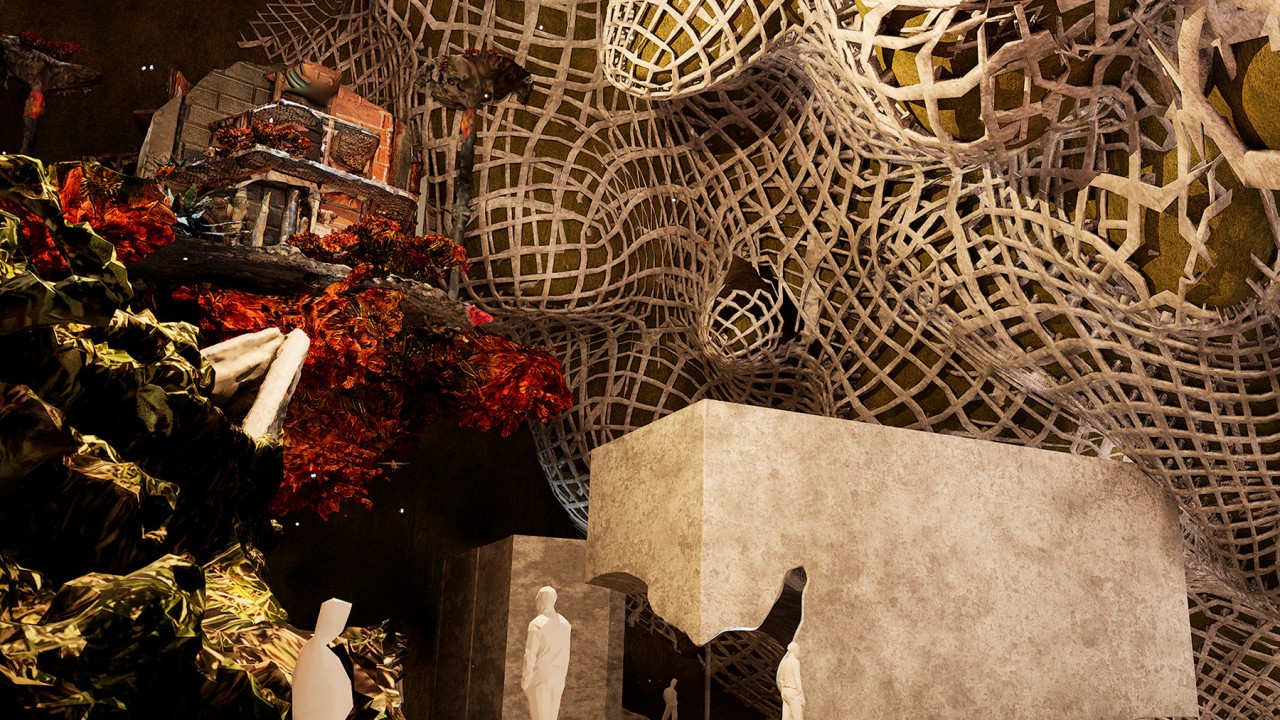
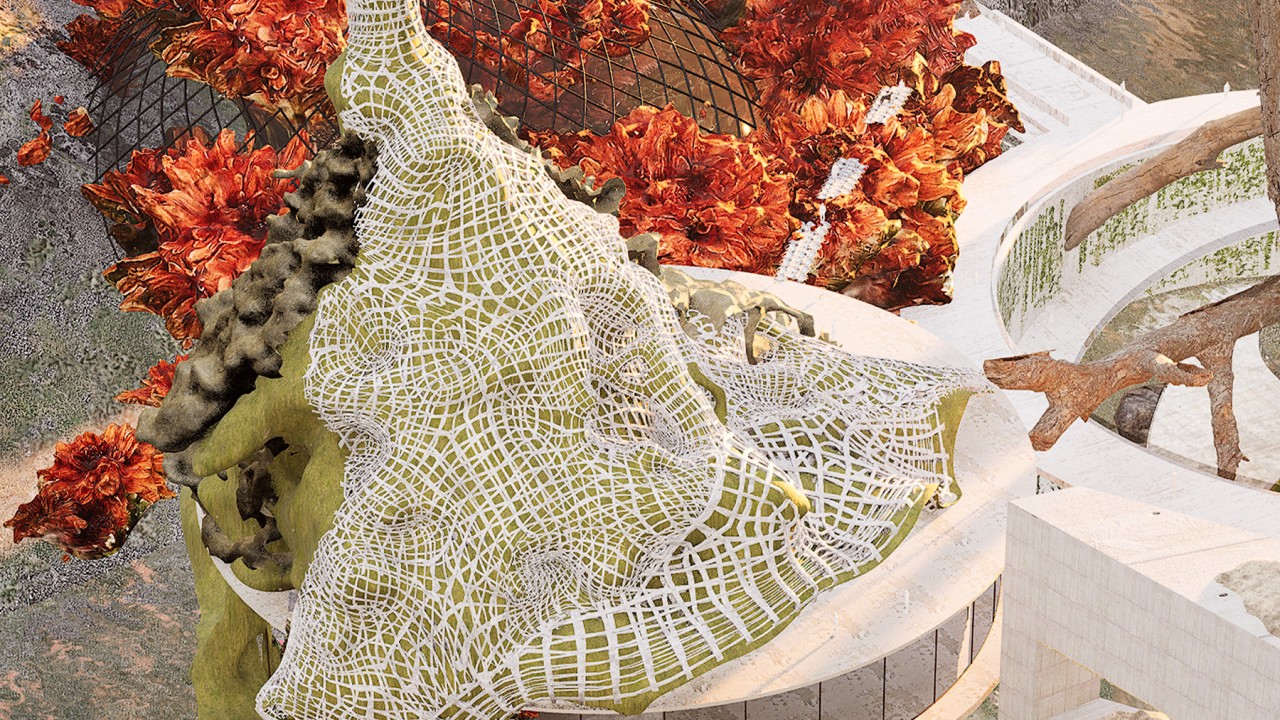
Experimentation is a major part of how we work. For this project, we used 3D LiDAR scanning to capture objects and natural elements that inspired us, such as plants, stones, pipes, and architectural fragments. We then transformed and combined these scanned elements into new architectural forms, using them to develop the project’s design language.
Some of the most unexpected inspiration came from ordinary site elements, including pipes, stones, tree trunks, and reservoir infrastructure. We were also influenced by Toshio Shibata’s photographs, which show how engineered structures and natural landscapes can exist in tension with each other.
Design is rarely a smooth or linear process. A large part of it is testing ideas, realising what does not work, and going back to the original question. The final form is usually the result of many small decisions rather than one perfect idea.
This was a more academically oriented design project without an actual client, so the process naturally placed greater emphasis on exploring and expressing our ideas. I once heard the observation that, without sufficient real-world constraints, speculative work can risk becoming overly theatrical or resembling “Disney Imagineering.” That comment stayed with us and reinforced the importance of balancing imagination with function, context, and feasibility.
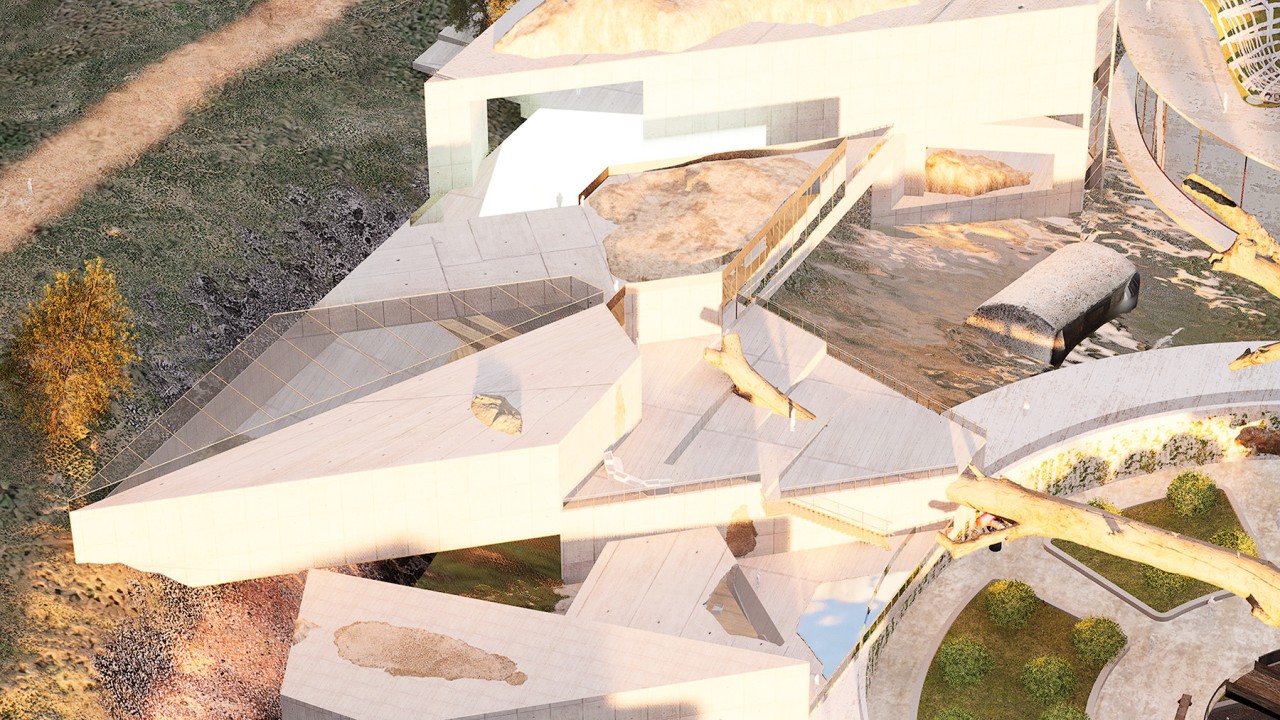
The main challenge was making the architecture feel connected to the reservoir instead of placing a separate object on the site. We responded by treating water, terrain, vegetation, and wildlife habitats as part of the architecture from the beginning.
We usually step away from the computer. Walking through a natural landscape, visiting a building, looking at photography, or simply observing everyday environments often helps us notice something we missed before.
Curiosity and empathy are important to both of us. We are interested in how design can help people experience a place from another point of view. In this project, students can move through enlarged flower-like spaces, habitat hills, and an underwater classroom, seeing nature at different scales.
Stay curious, remain open to experimentation, and do not be afraid to challenge familiar methods. Meaningful design often develops through persistence and collaboration.
Suyue Jin: I would choose I. M. Pei. I admire the clarity and discipline in his architecture, but also the way he navigated complex clients, cultural contexts, and large public projects.
Haocun (Joseph) Zou: I would choose Frank Lloyd Wright. I admire how he integrated architecture with nature and created spaces that respond to their surroundings. His idea of organic architecture continues to inspire me to explore the relationship between human experience, architecture, and natural systems.
How can architecture become part of an ecosystem rather than simply occupy it?
We believe architecture can support natural systems while creating new ways for people to experience and understand them. In this project, architecture, water, vegetation, wildlife, and education operate as one interconnected environment.
Click this link to read about The Invisible Systems Behind Beautiful Spaces: Insights from Qi Zhen, a winner of the 2026 London Design Awards.