VIEWING MONTAGE | London Design Awards
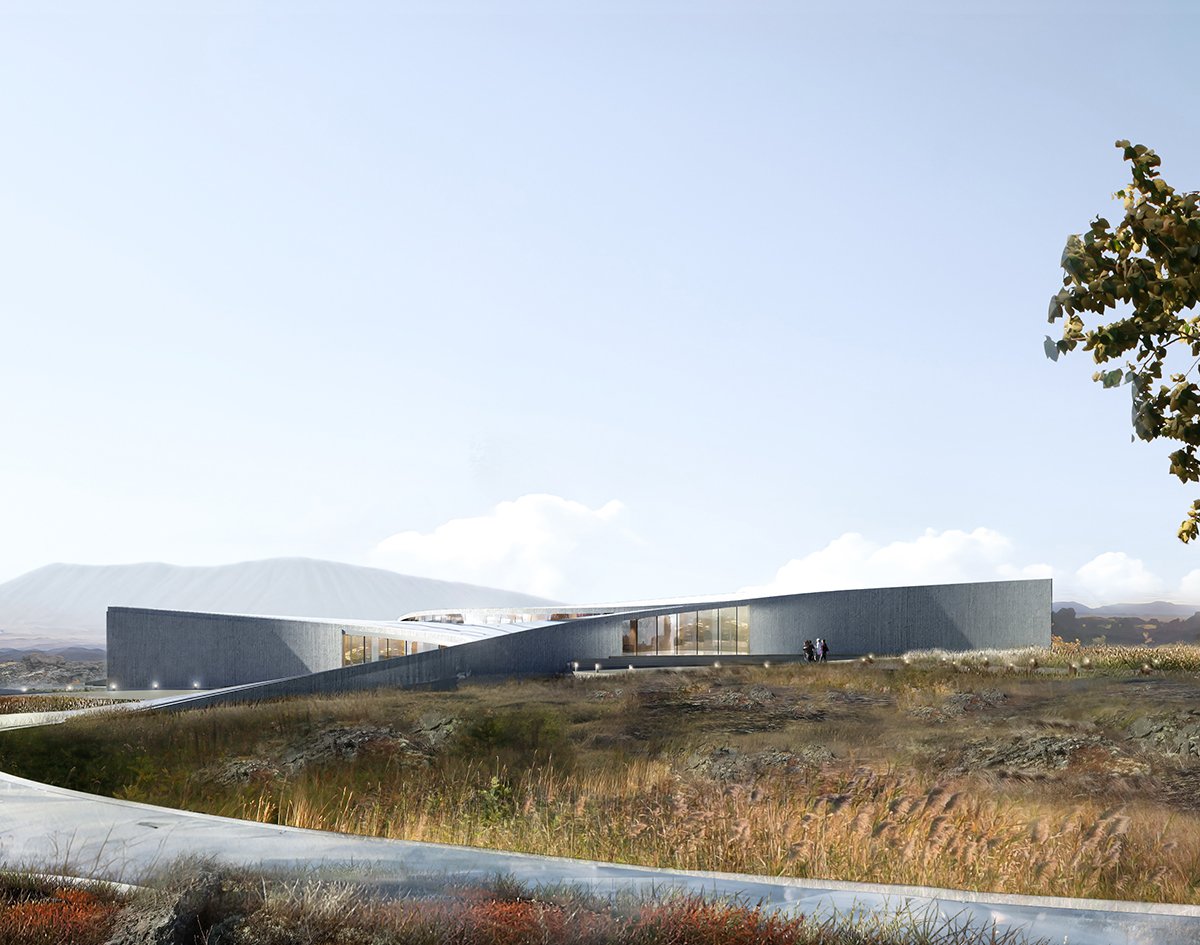
Dimmuborgir, one of Iceland’s most iconic tourist sites, is enchanted with its unique black lava...

I’m Daria Yang Du, a Los Angeles-based architectural designer with a diverse portfolio of work experience at BIG, RIOS, Gensler, MAD, and Woods Bagot in both the U.S. and China. I have extensive experience working on interdisciplinary design projects, including hospitality, education, sports, culture, residential, landscape, and interior design. I apply my expertise in spatial narrative design, bringing a unique and more contextual approach to every project.
For me, the passion for all things with beauty drives me to the architecture field. I was also deeply inspired from a young age by a TV Reality show called Exchange Your House in 48 Hours. Watching the transformation of spaces after renovation, and seeing how the interior designer brought new life to each home, left a lasting impression on me.
What intrigued me even more was how two families would swap homes and become part of the entire rebuilding process. This also reminds me that the design process can deeply engage with human experience, making the journey even more meaningful.
I’ve had the opportunity to work across various design typologies, including science & education, commerce & retail, Culture & arts, sports & landscape, and interior & experience design. I specialise in contextual spatial narrative design, creating spaces that blend functionality with aesthetic value and tell a story through architecture. I’m passionate about collaborating with interdisciplinary teams to deliver innovative, sustainable designs that put the human experience at the centre of every project.
Design has the power to tell stories, shape emotions, and connect people to their surroundings. It’s not just about making something visually appealing but about crafting spaces or objects that are thoughtful, purposeful, and harmonious with their context.
I love designs that organise time, space, and events in a clear sequence. For me, guiding people through spaces that reveal new experiences at each step creates a dynamic and immersive journey, making the design more engaging and meaningful.
Good design should first captivate the eye and draw you in. Once you engage with the space, you should appreciate the designer’s thoughtful intentions, leading to unexpected and delightful spatial experiences. However, all design must be rooted in its contextual background, allowing everything to feel natural and reasonable in its occurrence.
My design style generally includes a detailed design development process and thorough contextual research. I have a strong ability to control details and specific areas within a space, which allows me to create striking expressions in interior design that captivate and impress those who experience them.
My design process begins with thorough background research and analysis, which forms the foundation for my inspired concepts. I continuously develop these ideas in depth, allowing them to evolve over time. I often find unique inspiration in small-scale spaces, which can spark creativity and inform the overall design of larger spaces. This iterative approach ensures that each element is thoughtfully integrated, leading to a cohesive and innovative final result.
Absolutely, I believe my country and its cultural heritage significantly impact my design process. I love travelling and immersing myself in different cultures. The more I explore a place, the better I understand the living conditions of its people and the various perspectives they bring to design challenges.
Cities in China are grand carriers of culture, blending ancient and modern influences, local and foreign elements, as well as urban and rural characteristics. This rich tapestry of diversity greatly informs my approach to design, allowing me to create spaces that resonate with the unique context of each location.
This is a tremendous honour and has given me renewed confidence in the future growth within this field. More importantly, this award represents international recognition of my work. As a testament to my efforts, I will continue striving to deliver outstanding designs and push the boundaries of excellence.
The awarded project is a visitor centre design for Dimmuborgir, one of Iceland’s most iconic natural landmarks. The design integrates seamlessly into the volcanic landscape through a series of curved concrete walls, panoramic glazing, and spatial sequences that frame key views of Hverfjall Volcano, Mývatn Lake, and the surrounding black lava fields. Inspired by the region’s dramatic terrain and geological formations, the architecture uses sculptural massing and site-responsive layout to elevate the visitor experience.
This project was chosen for submission because it reflects a thoughtful balance between bold architectural expression and landscape sensitivity. It showcases a deep respect for place, using minimal material language and organic forms to immerse visitors in the power of Iceland’s natural environment—qualities that align strongly with the values celebrated by the London Design Awards.
One of the primary challenges was designing a structure that respected the fragile and visually dominant volcanic landscape of Dimmuborgir without overpowering it. Balancing architectural presence with environmental sensitivity required a careful study of terrain, sightlines, and material tone. To address this, the design uses low, curved concrete forms that echo the lava field’s natural shapes and minimize visual intrusion, while large glazing elements frame key views rather than compete with them.
Winning a professional award has significantly impacted our career by validating our work and boosting our confidence. It has opened up new opportunities for collaboration and networking, allowing us to connect with other professionals in the industry.
Artistry, emotion, and functionality.
Both the US and China offer unique opportunities in the design industry. The specialisation of different trades in both countries ensures that design and construction processes are highly professional and streamlined, creating an efficient and structured environment for bringing projects to fruition. This allows for the effective execution of innovative design ideas.
I believe the architectural design industry will be increasingly influenced by AI and computational technologies over the next 5-10 years. Routine tasks may become more streamlined, leading to improved efficiency, while sources of inspiration will broaden, allowing for more innovative methods of realisation. As a result, there will be more possibilities in fabrication, and the knowledge requirements for architects will become more demanding.
My advice would be to cultivate a deep passion for both life and this industry and to continuously learn and grow from setbacks and failures. Embrace challenges as opportunities to refine your skills and perspective, and always strive to evolve both personally and professionally. If things don’t go as planned, shift gears and apply the knowledge you’ve gained to find new paths forward.
I would recommend participating in design competitions as much as possible and setting projects from renowned firms and outstanding works as benchmarks. Study and analyse different skill sets, and aim for internship opportunities at well-known companies to gain valuable experience and insights.
I feel that my current design focus has shifted from being primarily aesthetic to emphasising technical details.
My key to success is balancing creativity with practicality and embracing collaboration. Staying adaptable and open-minded in an ever-evolving design field is essential. My parting words of wisdom are to always stay curious and never stop learning; every project is an opportunity to refine your skills and connect meaningfully with people and their environments.
Read about A Sit Down with Jason Wilkinson: Innovating Everyday Solutions with 30+ Years of Expertise here.