Arcana Mantel Collection | 2025 NY Product Design Awards
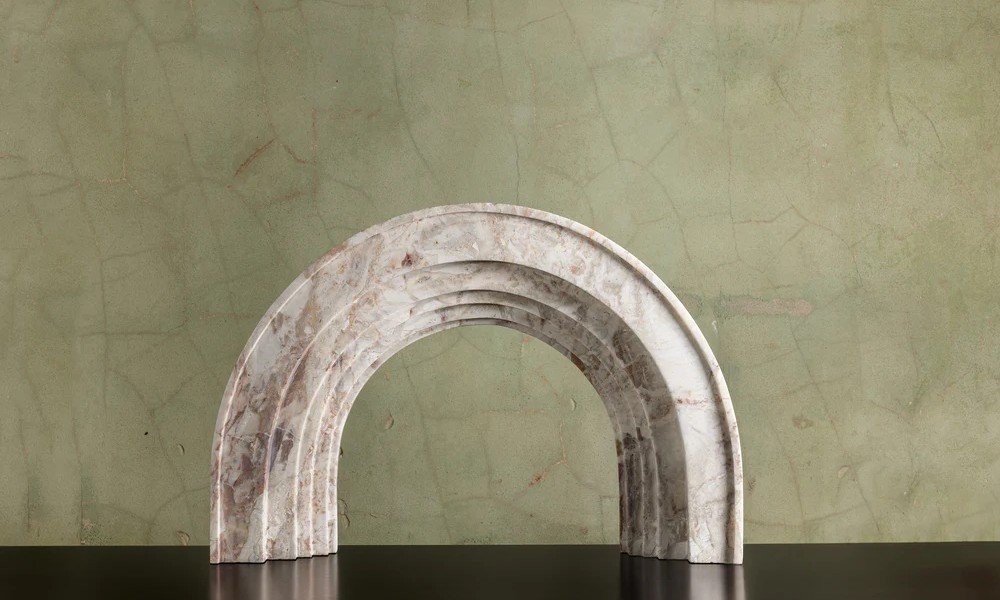
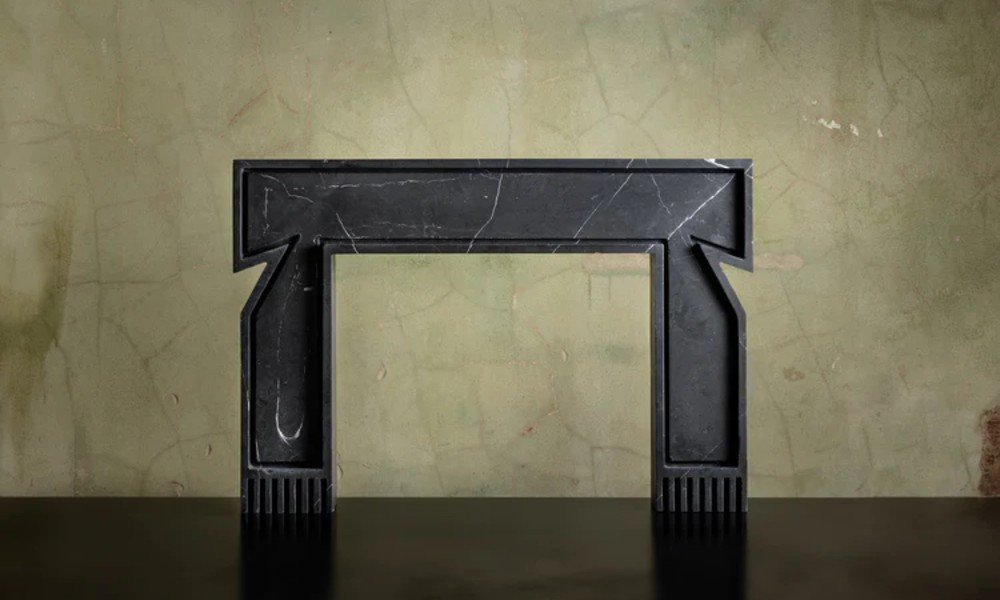
The Arcana Mantel Collection by Maestri Studio redefines the fireplace mantel as an architectural centerpiece—sculptural,...
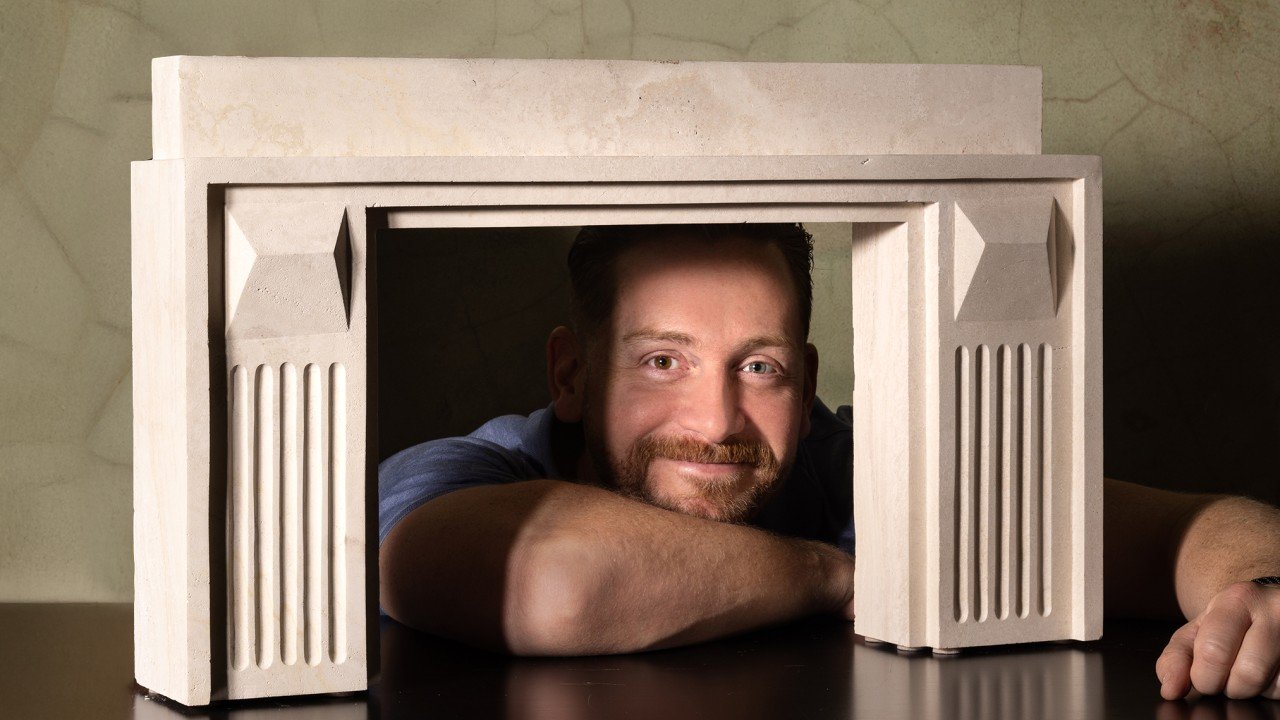
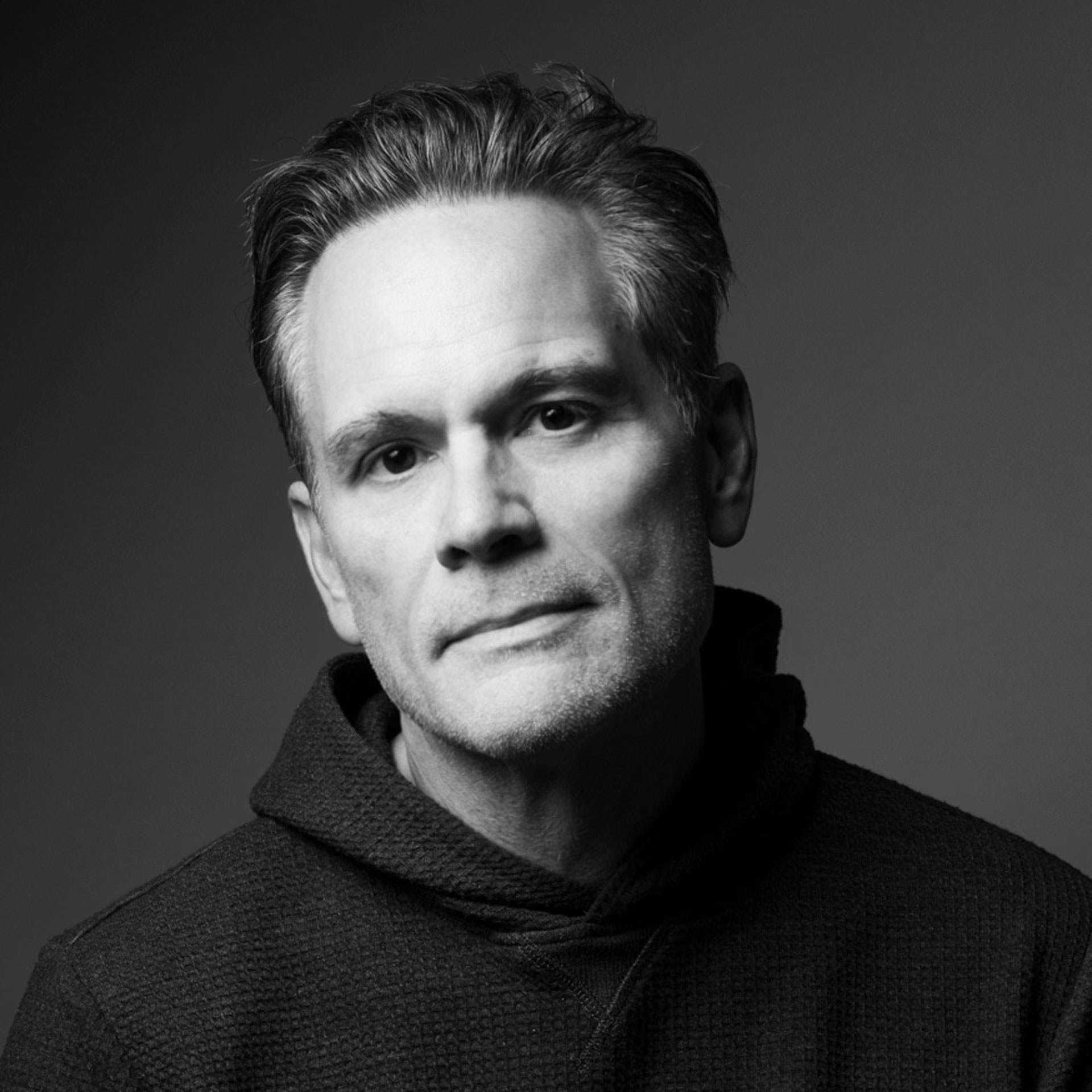
As founder of Maestri Studio, Eddie Maestri brings a lifelong love of design and storytelling to every project. He believes the most impactful architecture comes from a process of thoughtful iteration and emotional clarity.
Thank you—it’s truly an honor. I’m Eddie Maestri, founder and principal of Maestri Studio. I’ve been sketching homes since I was a kid growing up in New Orleans, where history and design are part of the city’s DNA. Architecture became my language for storytelling early on.
Over the years, that passion evolved into a multidisciplinary studio where we approach design holistically—from the ground up to the final detail.
It’s incredibly meaningful to be recognized alongside so many talented designers. For us, this award validates our belief that architectural elements—like a fireplace mantel—can be both functional and sculptural. It’s a reminder that thoughtful, well-crafted design has a place at every scale.
It’s energized our team and reinforced our desire to push boundaries beyond traditional architecture and interiors. The Arcana Mantel Collection opened doors to new collaborations, press interest, and inquiries from designers and clients who are seeking something truly bespoke.
Experimentation is essential. We approach every design—whether it’s a home or a product—as a prototype in progress. For Arcana, we started with classical architectural profiles, then stripped them back to their essence. We played with proportion, scale, and materiality until each silhouette felt timeless yet fresh.
The carved entry of the Greenwich Hotel in New York once sparked the brick detailing for a Texas home’s façade. That’s what I love about travel and design—they’re in constant conversation. I’m often inspired by places where craftsmanship and soul are inseparable.
That great design takes time. There’s an alchemy to the process—sketching, prototyping, editing, reworking. What may look effortless is the result of deep thought and many iterations. Design is not just aesthetic—it’s problem-solving with beauty in mind.
It starts with listening. Once we understand our client’s values and vision, we can guide the design with integrity. Collaboration is key—but so is gently challenging ideas to achieve something even better than imagined. Our best projects happen when there’s mutual trust.
One challenge was translating hand-drawn sketches into forms that felt sculptural in stone—but not heavy or overdone. We worked closely with artisans and fabricators to refine the curves and weight of each piece. Every decision had to balance visual clarity with physical craftsmanship.
I go back to sketching. A pencil in hand, a walk through a historic neighborhood, a quiet museum—those are my reset buttons. Sometimes creativity just needs space to breathe. I also find inspiration in fashion, film, and furniture—anywhere storytelling lives.
Honoring context and history is central to my work. Whether it’s restoring a 1920s home or designing a modern fireplace, I always look to what came before—and then reimagine it for today. I also believe in longevity over trend. Good design should endure.
Be curious. Keep sketching, traveling, and learning. But also: be patient. The best design careers are marathons, not sprints. Develop your voice, hone your craft, and surround yourself with people who challenge and inspire you.
I’d love to sit with Greene and Greene—masters of total design, from architecture to joinery. Their ability to craft immersive environments with a soul is something I deeply admire. They remind me that no detail is too small to design with intention.
“What feeling do you want your work to evoke?”
I want our designs to feel grounded and gracious. Whether it’s a home, a mantel, or a piece of furniture—I want it to have soul, presence, and a sense of belonging. That’s when design becomes meaningful.
Explore design insights through Balancing Function and Feeling with Mobili Fiver’s Ronny Gobbo here.