Calmspace | 2024
Calmspace, a mobile design addressing technology-induced anxiety in young adults who are at school or...
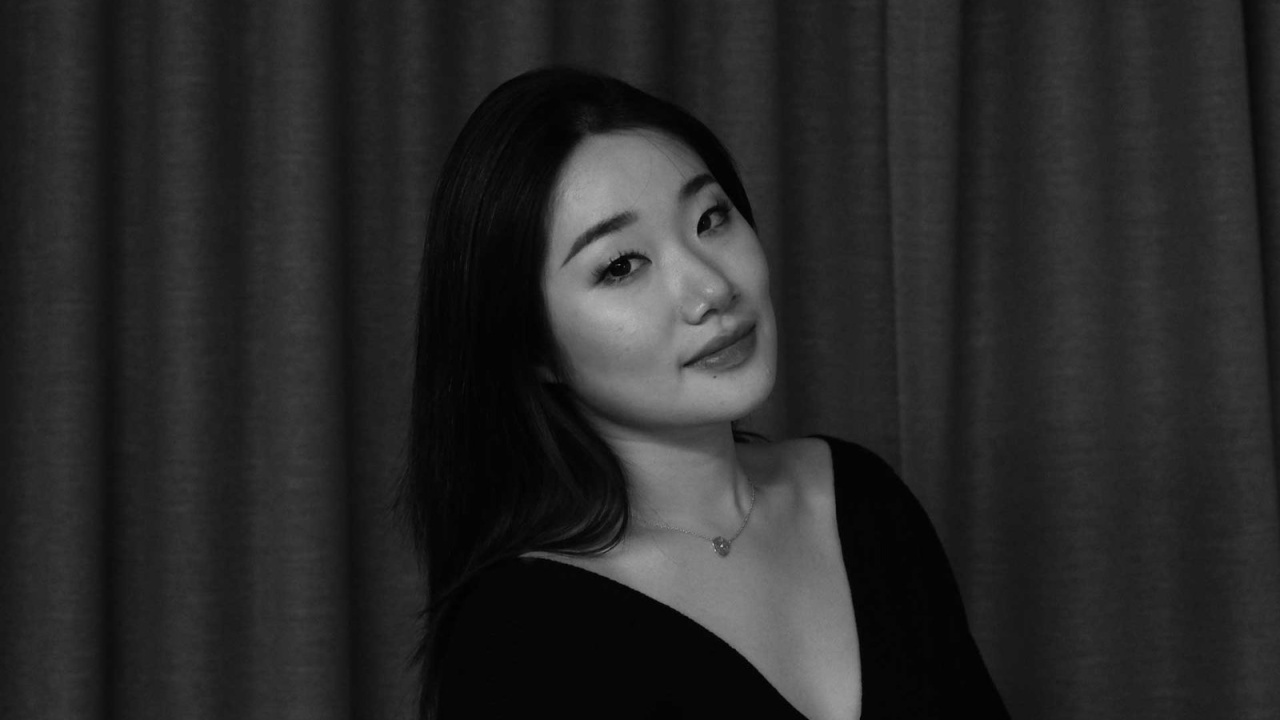
I'm Anqi (Angela) Chen, a New York-based UX Designer with a specialized focus in AI Design. After earning both of my Bachelor’s and Master’s degrees from Cornell University, I have been privileged to explore and dedicate myself to a design journey that has shaped my idea and goal of creating inventive, impactful and empathetic solutions. What is more thrilling is that I’m actively involved in the convergence of AI and design, developing a reinforced understanding in interdisciplinary approaches for real-world applications.
It was my curiosity about the world, my passion for exploring technologies to inspire creativity, and my sense of empathy and desire to help people through designs that are shaped by stories and functionalities. We are at one of the pivotal moments to explore and employ innovative and efficient solutions that can tackle challenges in methods and equipment within the human-computer interaction space.
I’m currently a UX Designer at Veritas Technologies, where my work revolves around crafting refined AI-driven designs that push the boundaries of user experience and business capabilities for complex enterprise data challenges. My approach to design is visually appealing while functional, efficient and user-friendly.
From a daily to weekly work schedule, I’m beyond grateful for the impactful projects that I was honored to work on and collaborated with talented people along the journey. This includes a compelling lifecycle of user experience, from understanding the domain, users, constraints, to exploring design opportunities and crafting solutions through phases.
Design means to me a beautiful balance between creativity and practicality. When driving incredible solutions to improve and change the ways we humans live, design is also a lighthearted space for us to share diverse cultural meanings, narrate stories and convey feelings, discuss opportunities to address problems always existing.
My favorite kind of design is creative and sustainable. I like so many kinds of design types, keeping myself exploring different genres, while designs that look cool and create sustainable impacts excite me most.
Because of having a background originally in urban planning and environmental science, I am extremely aware if the methods and equipment used in design decision-making are sustainable. In my design space, I often ask myself and others that, are we experimenting on solutions that can support many user types? Does design create effective, adaptable, long-lasting positive impact to our day-to-day life and even the blue planet?
A good design tells a compelling story. It can visually connect people to scenarios that help them achieve goals, solving pain problems, and maintaining positivities. Both designers, like us, and our users will both enjoy good designs.
In my design philosophy, I’m dedicated to creating clean and intuitive designs, as they are filled with empathy and strategic thinking. My design is a bridge to connect people with the product, where it emphasizes usability and functionality, and resonates to human emotions from the aesthetics perspective. The inspirations that I have for my designs always come from day-to-day life, from pixel details to a popular life topic, where I strive for making my designs more sustainable and impactful.
My design process begins with an understanding about several perspectives, from the project objectives, challenges, domain knowledge, to users. An “How Might We (HMW)” question is a must to help me brainstorm and narrow down ideas, as well as determine assumptions and solutions that work best.
At the time of refining the concepts, I employ software or hardwares that best fit to present the designs, and at the same it’s pivotal to acknowledge the potential limitations. Colors, formats, and everything else is what I pay attention to make my designs pixel perfect, while they are practical to achieve the core goals.
Of course. I was born and raised in China, where I had lived in a bilingual and multicultural environment. My life experience has inspired me to take a variety of factors into consideration when designing, including but not limited to, cultural diversity, accessibility, minority, and at a higher level, social impact. I’m graced with these missions that are indicated in my designs.
I’m extremely honored to receive 2024 MUSE Design Awards that recognize my commitment and contributions. It is a tremendous milestone for me to understand about myself as a person, as well as my strengths in design. This also encourages me to push boundaries in uncertainties and idea challenges, as I’m more confident to transform the world of learning with extraordinary design opportunities in the future.
I was inspired to design the Calmspace concept in the course of COVID-19 pandemic. Anxiety is a common issue related to the "always connected" existence that most young adults find themselves in. During the pandemic, the limitations to physical contact "forced" them to rely heavily on phones and laptops.
Calmspace is thus a mobile design addressing technology-induced anxiety in young adults who are at school or working in professional industries. It employs a freemium model, providing free well-being features for self-focused and group activities. The innovative reward program encourages users to learn about digital anxiety, earn credits through quizzes and inviting friends for free sessions, and track well-being performance in the profile dashboard.
Calmspace aims to enhance happiness, and natural, proactive interaction for a healthier digital lifestyle. By highlighting both aesthetics and functionality, I was honored to see that Calmspace shapes a creative and impactful legacy in wellness and digital communication as part of the 2024 MUSE Design Awards.
The most challenging aspect of developing the Calmspace concept was delineating the user group while recognizing technical limitations. In the research phase, I assumed that the ideal users for Calmspace would be individuals aged 18 to 30, encompassing both students and industry professionals in sectors with ready access to digital technologies.
Winning this award consolidates my confidence and strength in creating more designs, of course. It is a milestone that recognizes my hard work and proves the meaningful impact of my designs, and throughout the time, I work with more inspirations and can expand my design networks with other cool talents.
Background diversity, empathy and curiosity. I am proud to see that designers are rooted with a sense of curiosity and can show empathy in the designs. When everyone comes from a unique background, we are devoted to creating an inclusive and collaborative design community.
China’s tremendous population supports a diverse group of users. It is interesting to see how different design formats fit into the population segments, and how widespread the adoption for design applications. We are able to detail the “How Might We” questions upon user behaviors, user preferences and user acceptance.
As an advocate of AI Design, I believe that AI plays a vital role in enhancing user insights, personalizing and optimizing user experience. The future of our design industry is unlikely to be replaced by AI, yet the future of AI and design promises continued innovation.
As a UX Designer, I’m excited about closer collaborations where I can focus on humanistic and creative aspects, and allow AI to handle more complex and data-driven workloads. The design process will remain transparent, ethical and advance to meet user demands efficiently.
First, users are key to a good design. It is unlikely to design a visually appealing and functional product without getting to know your users thoroughly. I always do research first to familiarize myself with the market and user groups. Design is ultimately going to address their needs and improve experiences.
Additionally, what also makes design hard to be replaced by AI is its beauty to outline human aesthetics. So I highly recommend aspiring designers to get familiar with design tools (both softwares and hardwares), and practice whenever you can.
A good designer is also a great storyteller. Beyond design space, we love to hear about the stories behind each design, what, when and why we design them.
I often came up with an even better idea when I had difficulty falling asleep. Then I must find a pen and paper, or a digital memo to outline the details before back to bed.
My parents. They are always the support for my emotions and life decisions. I was inspired by their wisdom, resilience and positivity that embolden me to be a better person.
Curiosity, passion, and resilience. Working on things that I enjoy motivates me to invest more commitment, explore different opportunities for better outcomes. When running into bottle necks, I focus on strategic ways by making priorities, acknowledging the limitations and vulnerabilities, and staying optimistic to changes. Practice makes perfect, so keep yourself persistent in the growing path, always learning and asking, and recognize people and timing that are opportunities to turn things around.
_Chen_for_Calmspace_and_Argo_Data_Marketplace_1.jpg)
_Chen_for_Calmspace_and_Argo_Data_Marketplace_2.jpg)
Read more about Anqi (Angela) Chen's interview for the 2024 NY Product Design Awards!