Nettleham Community Market | MUSE Design Awards
This project revitalizes the century-old ruins of Nettleham House, ingeniously transforming them into a bustling...

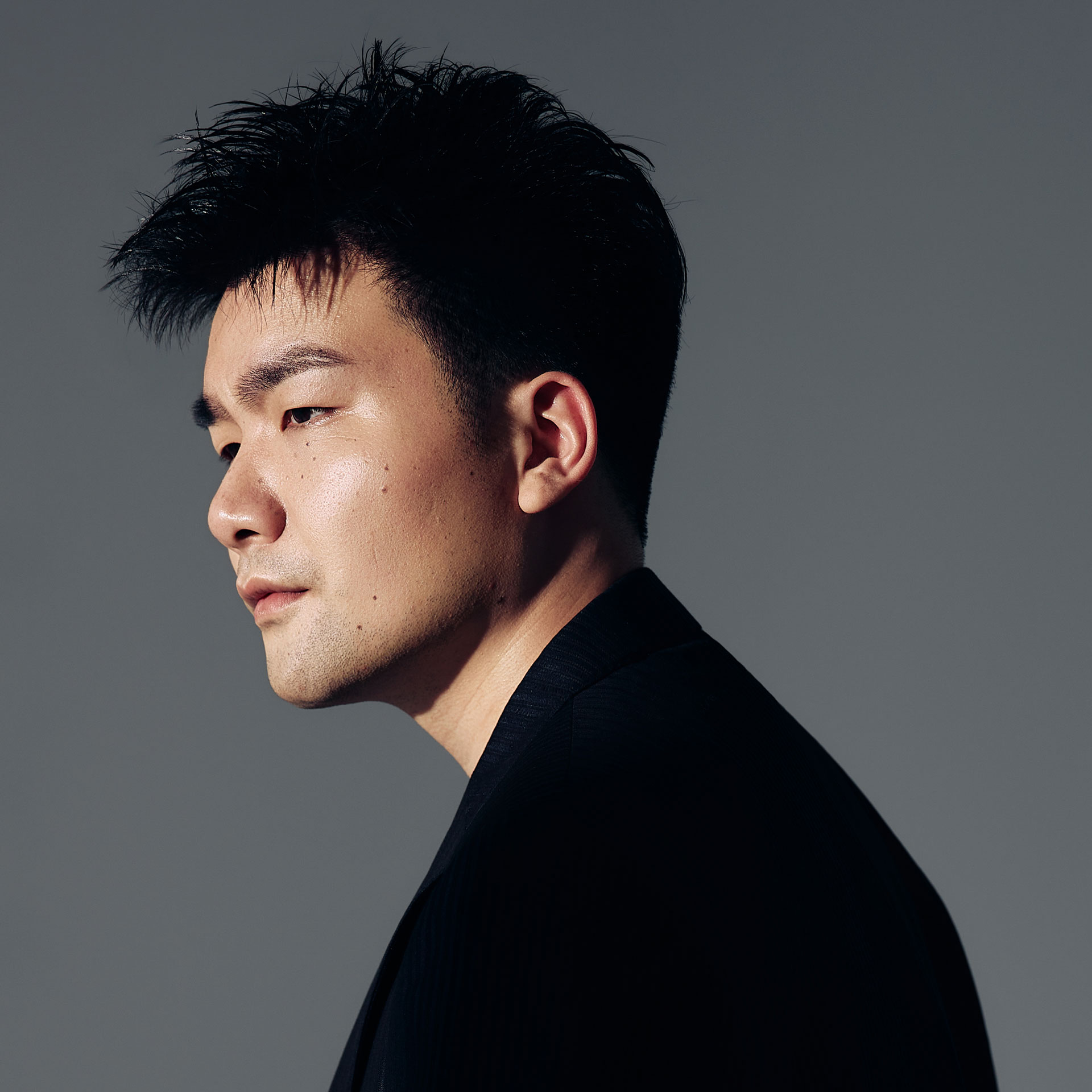
I'm Naixin Shi, a London-based artist and interior designer dedicated to revitalizing neglected spaces through the innovative use of reclaimed materials. With an architectural background and a degree from the Royal College of Art, I specialize in restoration and upcycling. As the founder of Studio N (now known as Patch Design), I champion sustainable design by employing recycled materials to create environmentally transformative spaces.
I have a deep passion for creation, particularly in transforming objects and spaces. I believe that everything has its own vitality, and witnessing neglected spaces and discarded items come to life through my interventions brings me unparalleled satisfaction. The ability to transform the seemingly useless into something functional and vibrant is what drives my work in art and design. This process of creation and change is the core reason why I pursued a career in this field.
My design studio, originally named Studio N then rebranded as Patch Design in 2024, was founded in 2022. We specialize in the renovation of old buildings and the design of sustainable home products. The concept of recycling and repurposing permeates our entire business.
As an eco-conscious design brand, we emphasize preserving existing structures and adapting them to meet modern needs in our space designs. In our product designs, we use recycled plastic to create furniture. Our commitment to sustainability drives us to protect the environment through eco-friendly design practices.
To me, design is about bringing ideas to life and giving spaces and objects a new lifecycle. It involves reimagining architectural elements, ensuring that each project transcends the act of construction itself. Design is the process of transforming concepts into tangible realities, breathing new life and purpose into the built environment.
My favorite kind of design is exemplified by architect David Chipperfield. He emphasizes the importance of the environment in his work, believing that architects should guard, protect, and cherish our existing world, a philosophy I deeply admire. His respect for old buildings and his thoughtful consideration of the lasting impact of architecture on the environment and history are particularly inspiring to me.
Chipperfield's approach involves embracing what exists and designing in dialogue with time and place, updating the local architectural language of each site. One of my favorite examples of his work is the James Simon Gallery.
To me, a "good" design brings positive impacts to both people and the environment. A good design creates spaces where people feel comfortable and where the environment is respected. It should convey purity and order, embodying simplicity without being simplistic, and revealing thoughtful and meticulous logic in every detail.
My design style revolves around the preservation and repurposing of existing spaces and objects, with a focus on renovating old buildings. Rather than constructing entirely new structures, I prefer to celebrate and utilize what already exists.
Through deliberate and meaningful interventions, I aim to strike a balance between preservation and innovation—removing elements while preserving others. This approach fosters dynamic urban renewal through subtle updates that maintain the historical essence of a place while adapting it to contemporary needs.
When it comes to space renovation, my design process begins with the site itself. I observe its existing elements, every brick and trace of time, paying close attention to the building's history. Next, I consider the surrounding environment and context, reflecting on the relationship between the building and its surroundings. Finally, I think about how the future functionality will adapt to this space, ensuring a harmonious integration of the past, present, and future.
Yes, my experiences living in China, Australia, and the UK have significantly influenced my design style and process. These diverse cultural backgrounds make me more attentive to the history of a site, and I tend to selectively preserve the historical traces of buildings.
I have a deep respect for protecting the natural environment, which drives me to commit to sustainable design. I aim to balance preservation with dynamic urban evolution, using distinctive and memorable methods to protect and highlight the existing elements while allowing for progress and change.
I am truly honored to receive the MUSE Silver Award. This recognition is a significant validation of my design work and a tremendous encouragement for me and my team. It inspires us to continue pursuing and implementing projects that align with our vision and values.
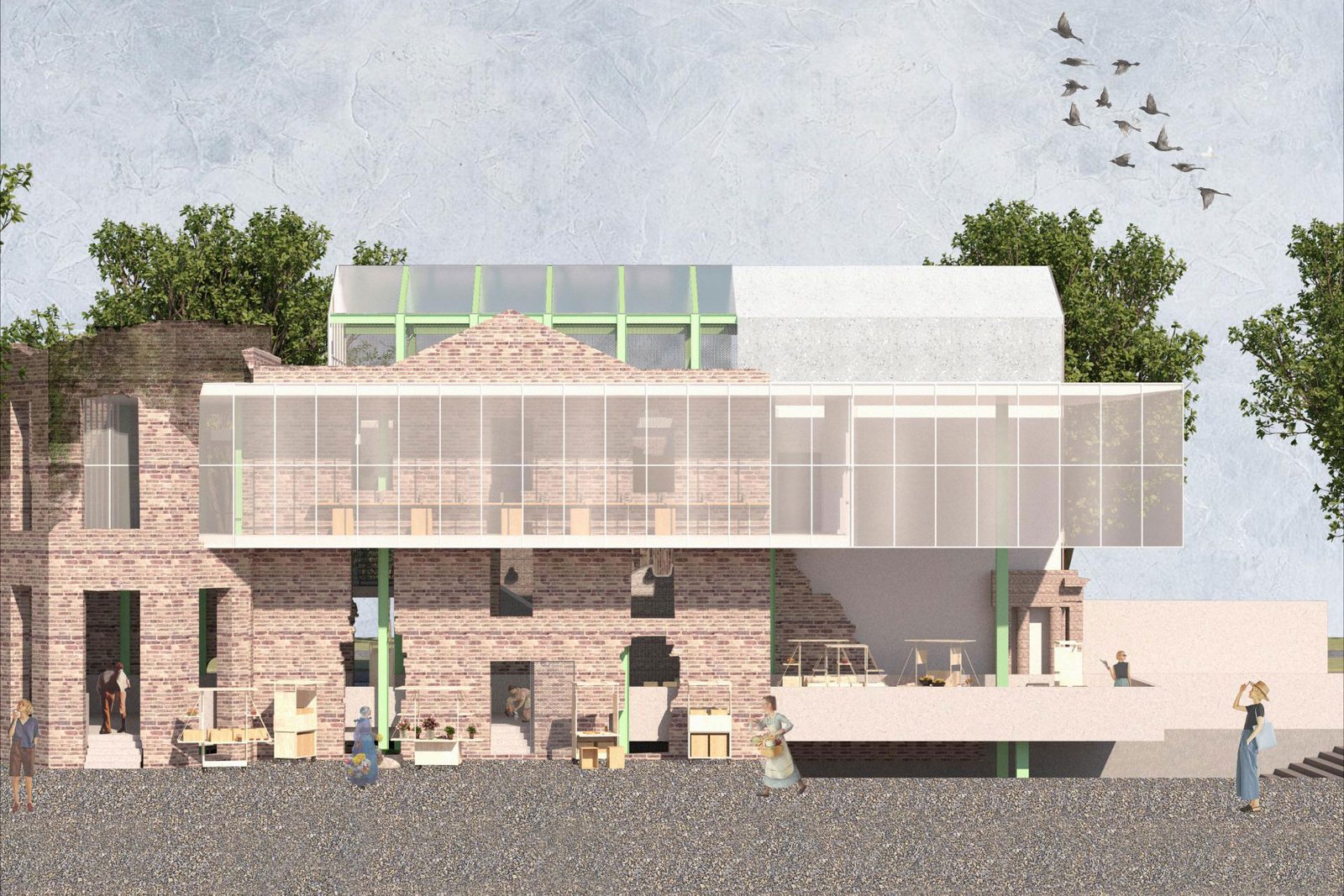
The winning project for the 2024 MUSE Design Awards is a conceptual transformation of the century-old ruins of Nettleham House into a vibrant community market. This project revitalizes an abandoned space, turning it into a bustling social hub serving commercial and communal purposes.
By preserving historical elements and integrating new, lighter structures, the design fosters a stronger sense of community and enhances connections among residents. This project exemplifies the harmonious blend of historical preservation and modern adaptation, breathing new life into a forgotten piece of history and showcasing resilience, innovation, and community spirit.
The biggest challenge with this project was navigating the higher costs and greater complexities associated with renovating historical structures compared to new construction. Finding clients willing to support such endeavors can also be difficult. However, I believe that by being persistent in these projects, we can create more opportunities to successfully realize renovations of old buildings in the future a possibility.
Winning awards has significantly elevated my practice and career by increasing the visibility of my designs and spreading my design philosophy to a wider audience. It has opened doors to new opportunities and collaborations, allowing me to further promote sustainable design principles on a larger scale. This recognition not only validates my approach but also inspires me to continue innovating and pushing boundaries in the field of design.
1. Creativity: I love how design allows us to genuinely transform a place. Architecture gives the feeling of altering history, as buildings become a part of the historical narrative.
2. Dynamism: Constantly engaging with new sites and conceptualizing fresh designs keeps us energized and inspired.
3. Enhanced Logical Thinking: Architectural design enhances our ability to think critically and solve problems effectively, fostering stronger analytical skills.
My country boasts a rich architectural history that provides a unique foundation in the modern design industry. Despite advancements in contemporary design practices, there remains a wealth of heritage and tradition to draw inspiration from. This blend of historical legacy and innovative approaches contributes to a distinctive perspective that enriches our contributions to the global design landscape.
I foresee significant growth in sustainable design over the next 5-10 years, which aligns closely with my passion and focus. Designs centered around environmental and historical preservation will have a profound and lasting impact. As awareness and urgency regarding sustainability continue to rise globally, the design industry will increasingly prioritize solutions that not only enhance functionality and aesthetics but also minimize environmental impact and honor cultural heritage.
This is an excellent opportunity to test your design abilities or strive toward a goal. Embrace it as a chance to showcase your creativity and dedication to innovative design practices.
I recommend attending design and art exhibitions, especially events like Milan Design Week, London Design Festival, Venice Architecture Biennale, and others. These exhibitions are rich sources of inspiration that can stimulate creativity and expand your design perspective.
I plan to expand our design brand to make our eco-friendly home furnishings widely embraced and used. Currently, we're launching a line of chairs and lamps made from recycled plastic, with a series made from ocean plastic waste also set to launch soon. Our studio's new name, Patch Design, reflects our belief that our efforts are akin to patching up the environment after damages occurred.
Many people have inspired me throughout my life, but one person who stands out is Shuhei Aoyama, my former boss at B.L.U.E Architecture Studio. He dedicated himself to revitalizing old Beijing hutongs, respecting their original layouts and preserving their unique qualities while adapting parts of them to suit modern aesthetics and lifestyles, especially appealing to younger generations. I deeply resonate with this approach to urban renewal and have drawn significant inspiration from it.
The key to my success lies in dedication, creativity, and a steadfast commitment to my principles. I believe in continually learning and evolving, embracing challenges as opportunities for growth. Persistence and passion are essential—never underestimate the power of perseverance in achieving your goals.
Read more about the interview with TA Design Studio, the Silver Winners of the 2024 MUSE Design Awards.