Design & Inspiration
Jing Xu of 00Group, Designing Spaces Rooted in Nature and Culture
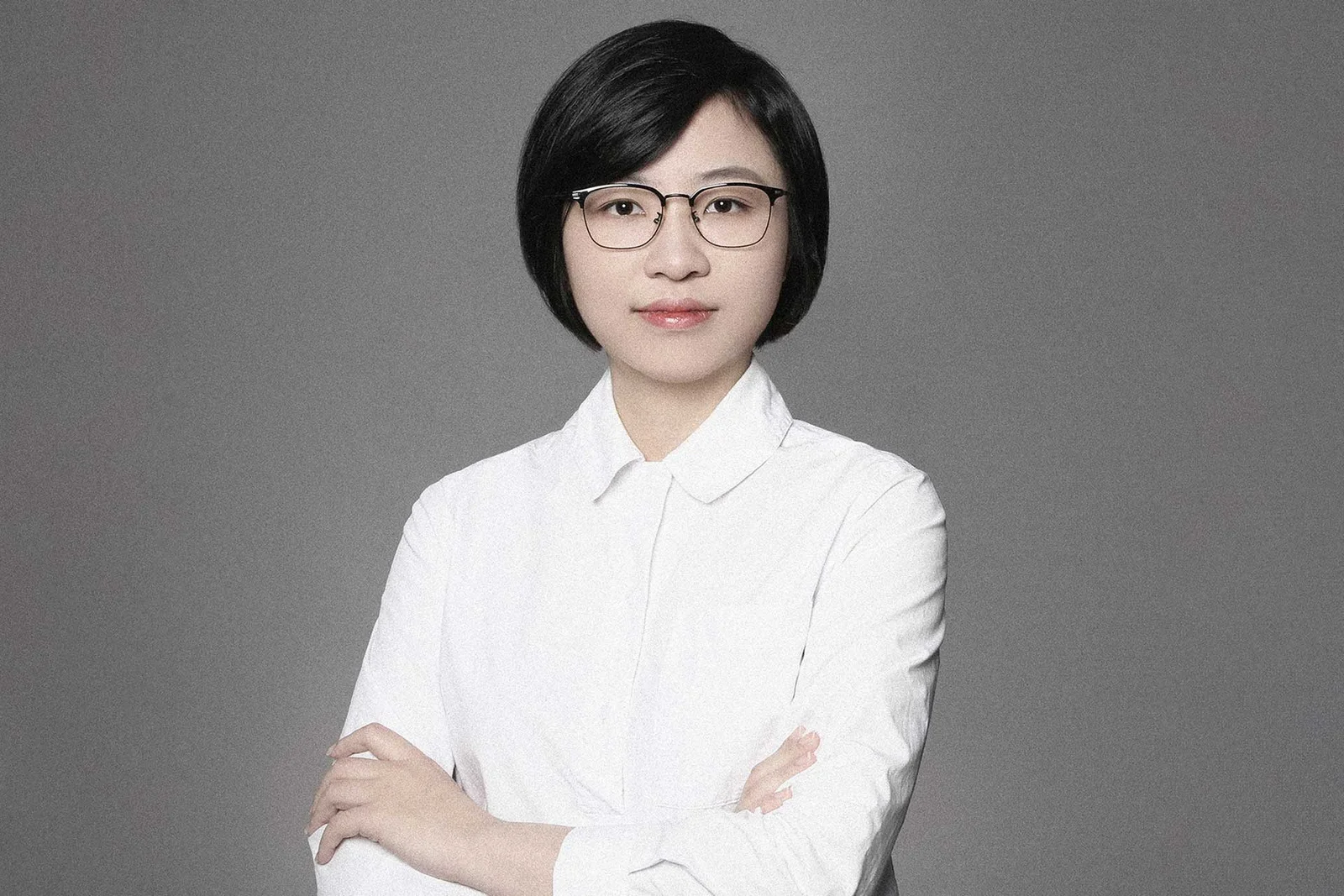
Jing Xu
Jing Xu, architect and design principal at 00Group, a Shanghai-based studio she co-founded, brings a unique vision to creating contemporary spaces infused with oriental aesthetics, shaped by her experience at world-renowned firms like DS+R, Steven Holl, Bjarke Ingels Group, and UNStudio.I am an architect and the design principal at 00Group, a Shanghai-based studio I co-founded with the mission to create innovative, contemporary spaces rooted in oriental aesthetics. My design philosophy focuses on exploring the essence of “0”—a foundation from which our team crafts architectural works that adapt fluidly to the project and environment, rather than adhering to any fixed style.
Over the years, I have gained experience with internationally renowned firms like DS+R, Steven Holl, Bjarke Ingels Group, and UNStudio, which has given me a strong foundation in both conceptual and technical design.
My background spans diverse project types, including cultural centers, office buildings, commercial spaces, and urban landscapes. Recently, my work has emphasized designs that engage with nature and local culture in a meaningful way, such as incorporating ancient Chinese artistic elements in modern architectural expressions.
I’m committed to pushing boundaries in design, harnessing new technologies, and maintaining a collaborative approach to create spaces that resonate deeply with their surroundings and the communities they serve.
I became an architect to modernize and spatially express Chinese culture. My goal is to transform traditional cultural elements into contemporary architectural language, allowing people to experience the depth and elegance of Chinese heritage within modern spaces.
Through design, I seek to merge tradition with innovation, creating environments that resonate culturally while engaging a contemporary audience.
Our firm is dedicated to creating innovative, culturally resonant spaces that blend oriental aesthetics with modern design principles. We work across diverse project types, from cultural and commercial buildings to urban landscapes and residential projects.
My role centers on leading the creative vision, developing design concepts, and ensuring that each project embodies a thoughtful integration of environment, technology, and culture. Our team prioritizes a flexible, explorative approach to design, allowing us to craft unique solutions that connect deeply with both the site and its users.
To me, design is the art of transforming ideas and culture into spaces that shape experiences. It’s a process of translating abstract concepts—whether cultural, emotional, or environmental—into physical forms that resonate with people.
My favorite kind of design is the work of Louis Kahn. His greatest strength lies in his ability to present intangible meanings within tangible spaces, revealing a higher sense of philosophy and vitality.
Kahn’s designs transcend functionality; they evoke a sense of life and deeper purpose, bringing abstract qualities like silence, light, and presence into a physical form. His work resonates on an almost spiritual level, capturing the essence of architecture as a living, meaningful experience.
To me, a "good" design is one that allows people to glimpse a sense of the infinite within the limits of everyday life. It reveals beauty beyond the immediate function, inviting people to connect with something timeless and inspiring in the space around them.
My design style is characterized by a seamless integration of traditional oriental aesthetics with contemporary architectural principles.
My design process starts with abstract concepts that evolve into sketches and physical models. I conduct extensive research and test multiple design options, iterating continuously to refine my ideas. This collaborative approach allows me to get closer to the optimal solution, ensuring the final design resonates with users and fulfills both aesthetic and functional goals.
Yes, my country's cultural heritage significantly impacts my design process. The principles of Chinese culture, particularly the aesthetics of calligraphy and drawings, inspire my approach, guiding my choices in materials and forms.
I aim to reinterpret these elements in a modern context, creating designs that resonate with cultural significance while meeting contemporary needs.
Winning the 2024 MUSE Design Awards is a tremendous honor for both me and my team at 00Group. It validates our commitment to innovative design and reinforces our belief in the power of architecture to connect with culture and community.
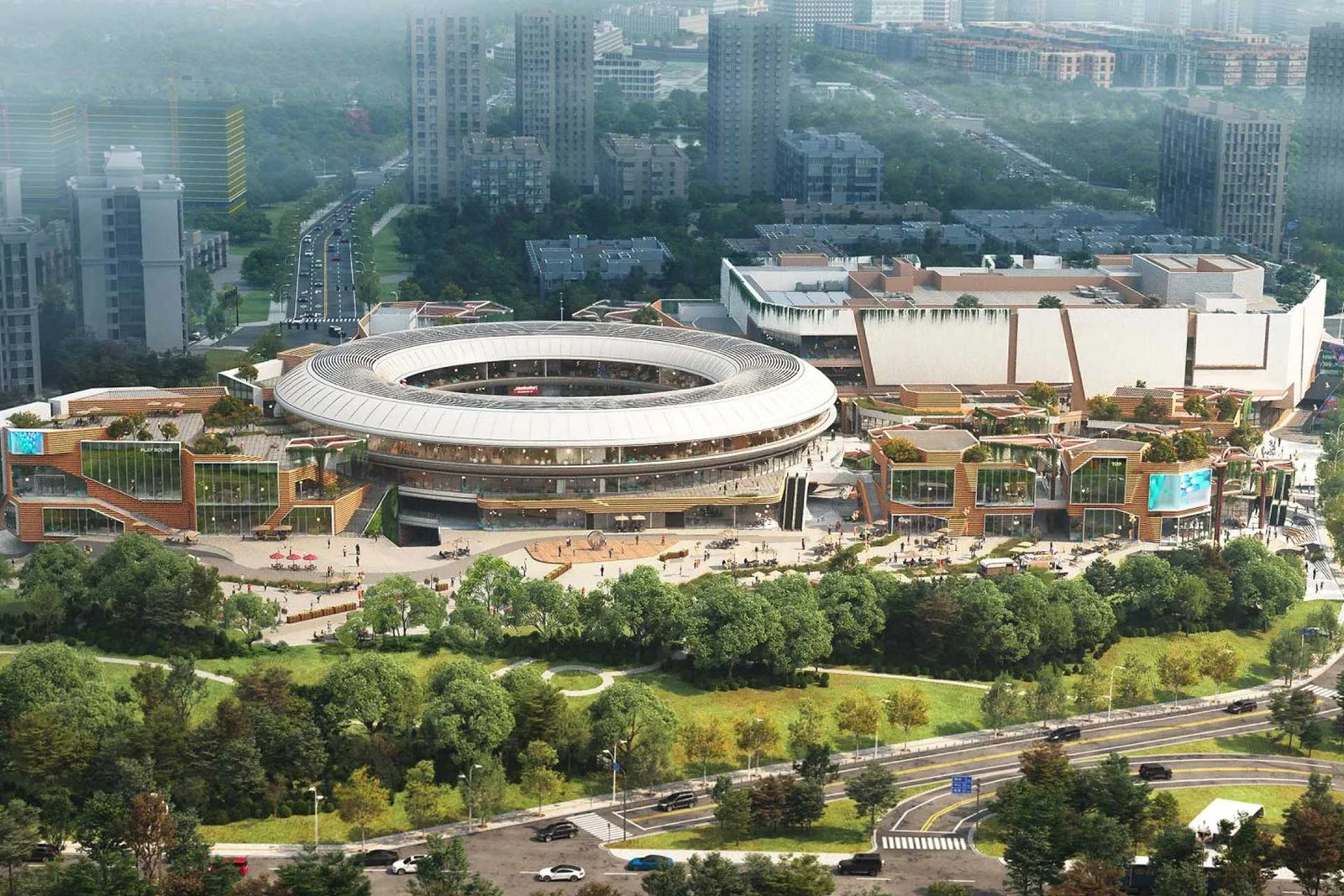
The winning project we entered into the 2024 MUSE Design Awards is The Cosmic Creek, an innovative commercial street development located in Chengdu. This project reflects our design philosophy by integrating natural elements with contemporary architecture to create a vibrant public space.
The biggest challenge was addressing the implementation issues in the architectural design due to the high level of non-standardized elements involved.
This required us to continuously explore and innovate throughout the process, pushing the boundaries of our design tools and methods. We had to adapt and refine our approach to ensure that the vision could be realized effectively, ultimately leading to a more thoughtful and dynamic design solution.
Winning an award has significantly elevated my practice and career by enhancing our credibility and visibility in the architectural community. It has opened up new opportunities for collaboration and project engagement, allowing us to connect with clients and stakeholders who value innovative design.
My top three favorite things about the architecture industry are:
Imagination: The freedom to envision innovative designs and concepts that can reshape spaces and experiences.
Exploration: The continual journey of discovering new materials, technologies, and design approaches that push the boundaries of what architecture can achieve.
Practice: The opportunity to translate ideas into reality, learning through the hands-on process of building and refining spaces that serve and inspire communities.
My country is unique in the design industry due to the coexistence of tradition and modernity, the rapid pace of development, and an open-minded attitude toward experimentation. This dynamic environment allows designers to draw inspiration from rich cultural heritage while embracing contemporary innovations.
The blending of traditional elements with cutting-edge practices creates a distinct architectural language that reflects our identity. Additionally, the swift development in urbanization provides opportunities for creative exploration and implementation of bold ideas, fostering a culture of collaboration and forward-thinking within the design community.
In the next 5-10 years, I see the evolution of the design industry being significantly influenced by AI, which will take over many mechanical and repetitive tasks. This shift will allow architects to focus less on labor-intensive processes and more on the conceptual aspects of design, much like artists.
As a result, architects will have the freedom to concentrate on innovative thinking and pushing the boundaries of design. This evolution will lead to more creative and experimental approaches, enabling us to explore new ideas and possibilities while enhancing the overall quality and impact of our work.
Ultimately, AI will serve as a powerful tool that complements human creativity, allowing for a richer and more dynamic design process.
My advice would be to maintain your curiosity and passion for design. Stay open to exploring new ideas, materials, and techniques, as this will enrich your creative process. Embrace challenges as opportunities to learn and grow, and always seek to understand the cultural and contextual significance behind your designs.
This mindset will not only enhance your skills but also lead to more meaningful and impactful work in the industry.
I recommend exploring a variety of books related to architecture and design. These resources can provide valuable insights and inspiration, covering topics from fundamental principles to contemporary practices.
One of my greatest inspirations is Su Shi (Su Dongpo), a renowned Chinese poet, calligrapher, and statesman from the Song Dynasty. His ability to persevere through adversity while achieving high artistic accomplishments is truly admirable.
Su Shi faced numerous challenges and setbacks throughout his life, yet he continued to express his creativity and passion for art and literature.
My key to success is the continuous pursuit of growth and improvement. I believe that success is a journey rather than a destination, and I remain dedicated to honing my skills and expanding my knowledge.
Winning Entry
Explore the journey of MAKITR10 STUDIO, the Silver Winners at the 2024 MUSE Design Awards.Xu Liyi, Yijuan Li, Chenwei Ye, and Shurong Han share a passion for human-centered design. Drawing from expertise in design, multimedia research, game development, and psychology, they tackle social challenges with creativity. Focused on games that promote emotional well-being and cognitive growth, they blend innovation with meaningful engagement to craft impactful, playful solutions through technology.
Latest Posts
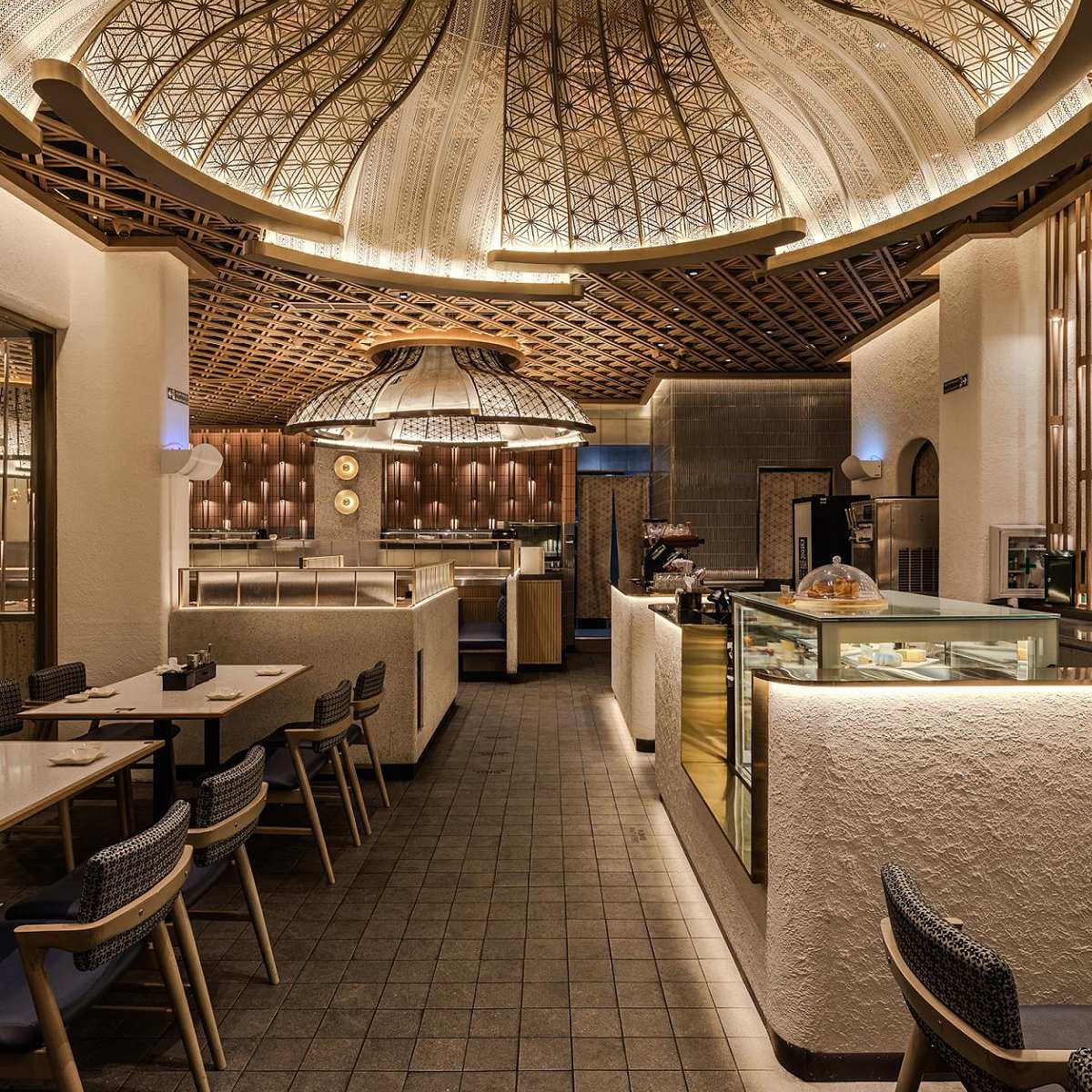
MoMo.Co.,Ltd. Creates a Refined Dining Environment for Sushi Tei Jawa
SEPTEMBER 28, 2026
2026 Global Photography Awards Reveals Photographers of the Year an...
SEPTEMBER 25, 2026
How Many Awards Should You Enter? (Strategy Guide)
SEPTEMBER 23, 2026
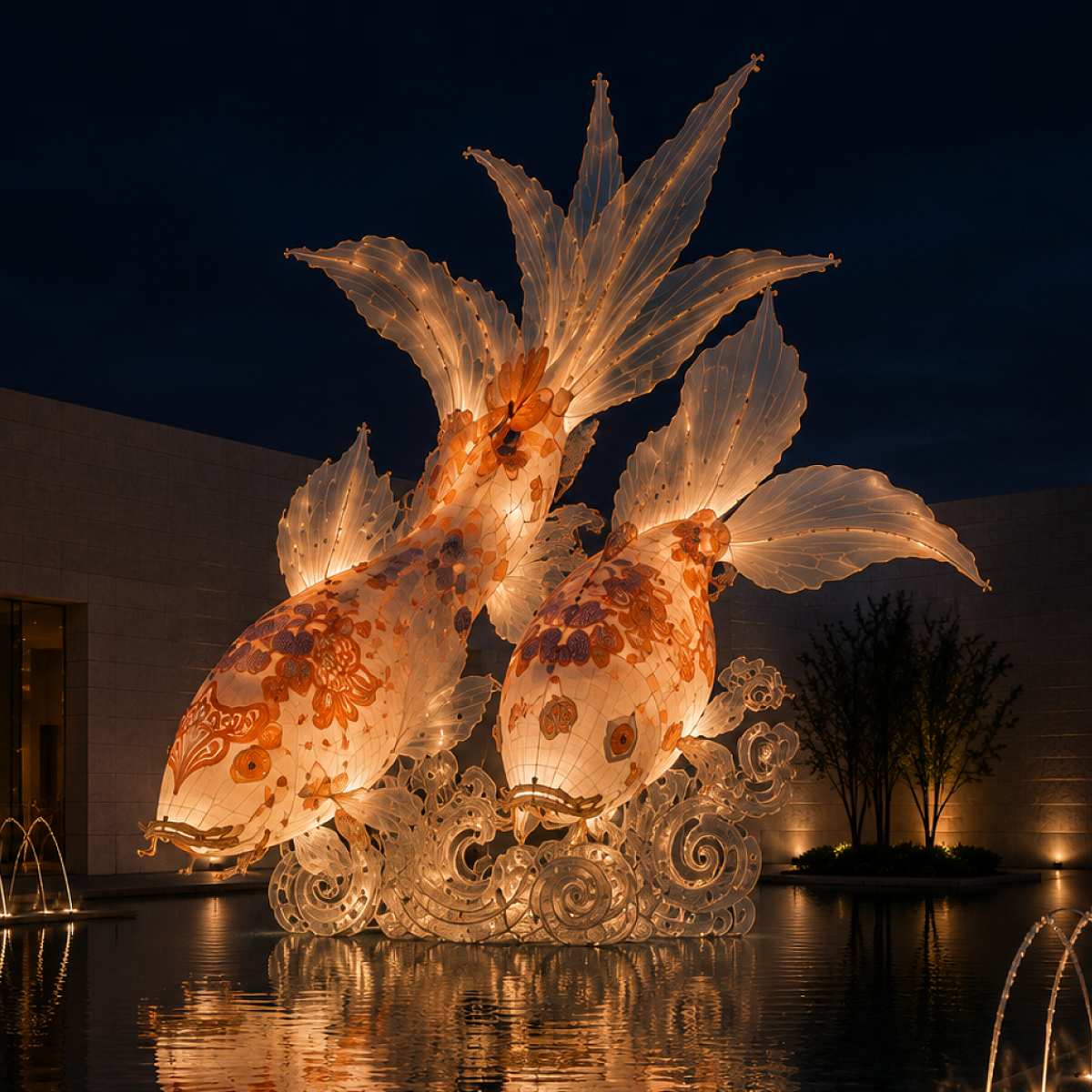
Interactive Light Installation: Before Fish Become Birds Creates a ...
SEPTEMBER 22, 2026
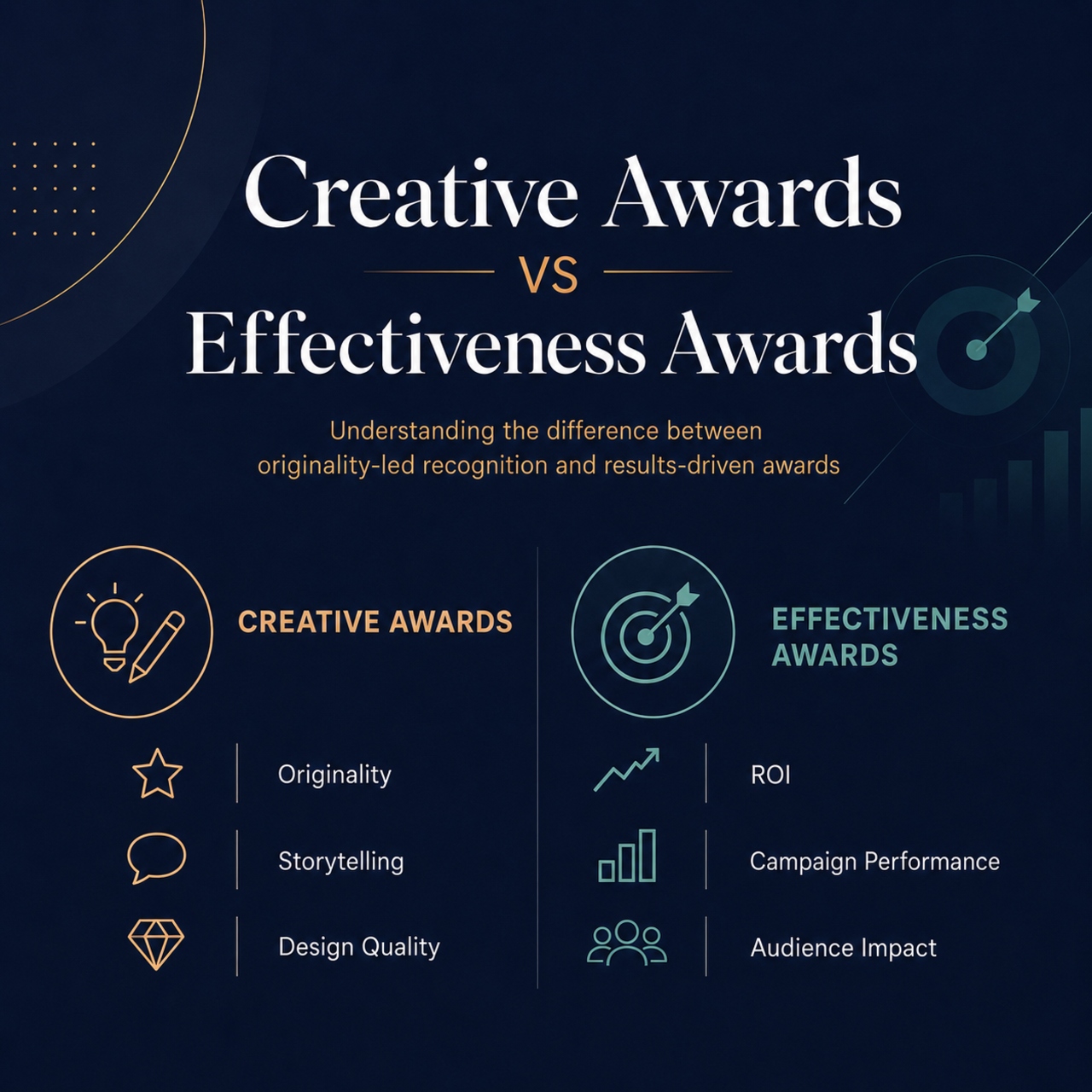
Creative vs Effectiveness Awards | Key Differences Explained
SEPTEMBER 21, 2026

Tonic DNA Brings Highmark’s (un)Hungry Community Story to Life Thro...
SEPTEMBER 17, 2026
Marketing Awards for Startups | Small Business Awards Guide
SEPTEMBER 16, 2026
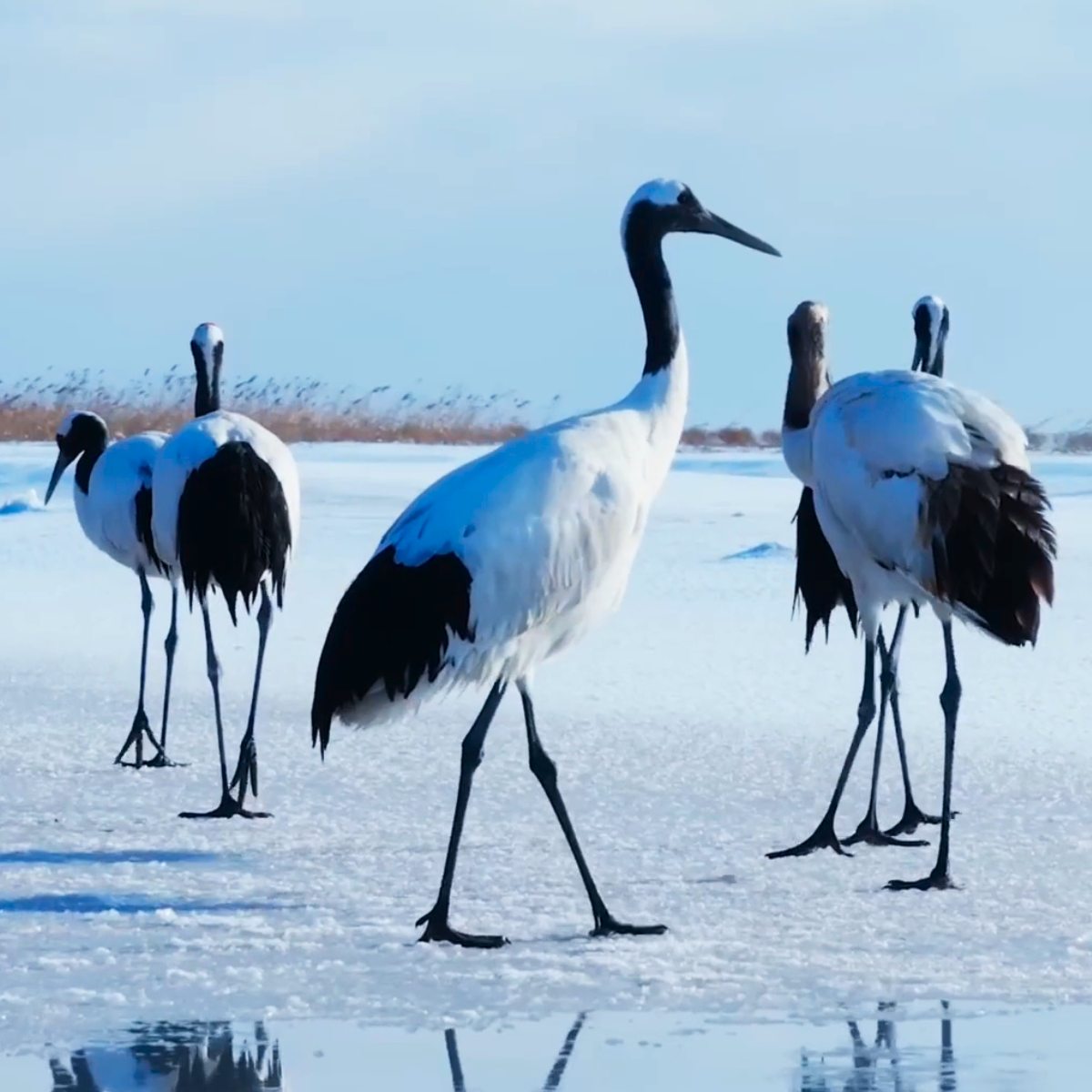
National Geographic, SDRATS & CICC Capture Life at the Yellow River...
SEPTEMBER 16, 2026
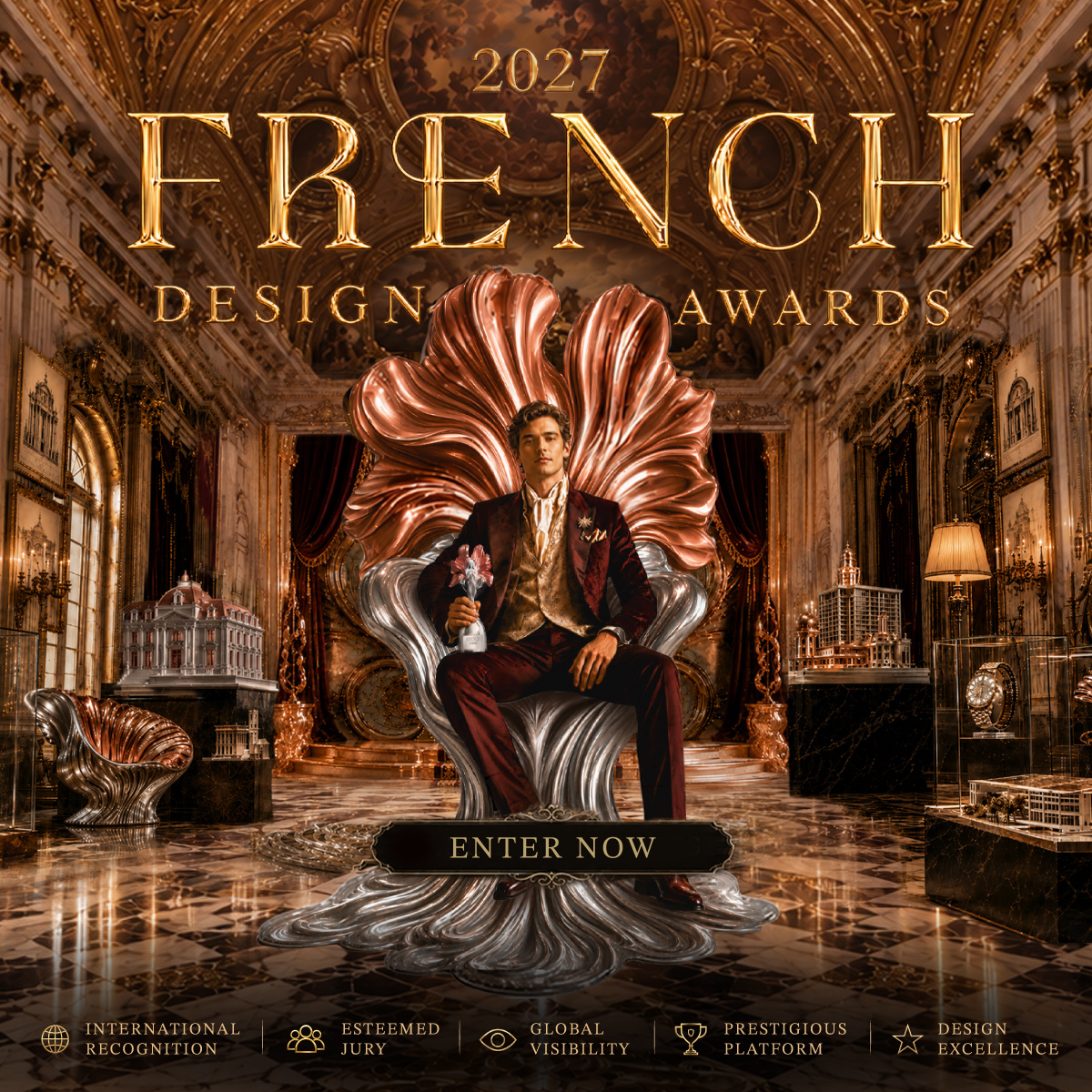
2027 French Design Awards Opens Global Entries for Design Excellence
SEPTEMBER 15, 2026
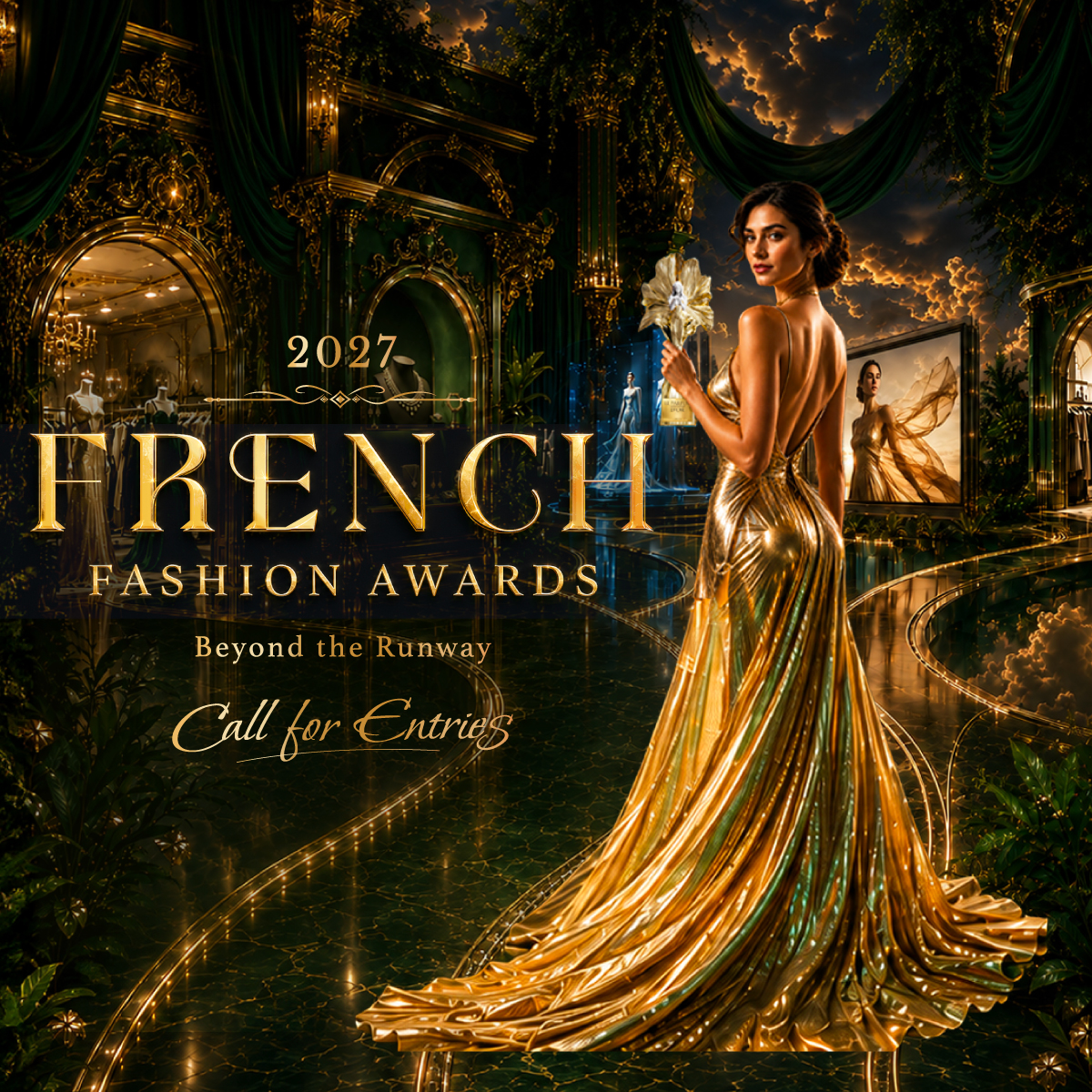
2027 French Fashion Awards Opens Global Call for Entries
SEPTEMBER 15, 2026
IAA GLOBAL AWARDS
MUSE Awards
Vega Awards
NYX Awards
TITAN Awards
- TITAN Business Awards
- TITAN American Business Awards
- TITAN Property Awards
- TITAN Women in Business and Leadership Awards
- TITAN Health Awards
- TITAN Innovation Awards
- TITAN Brand Awards