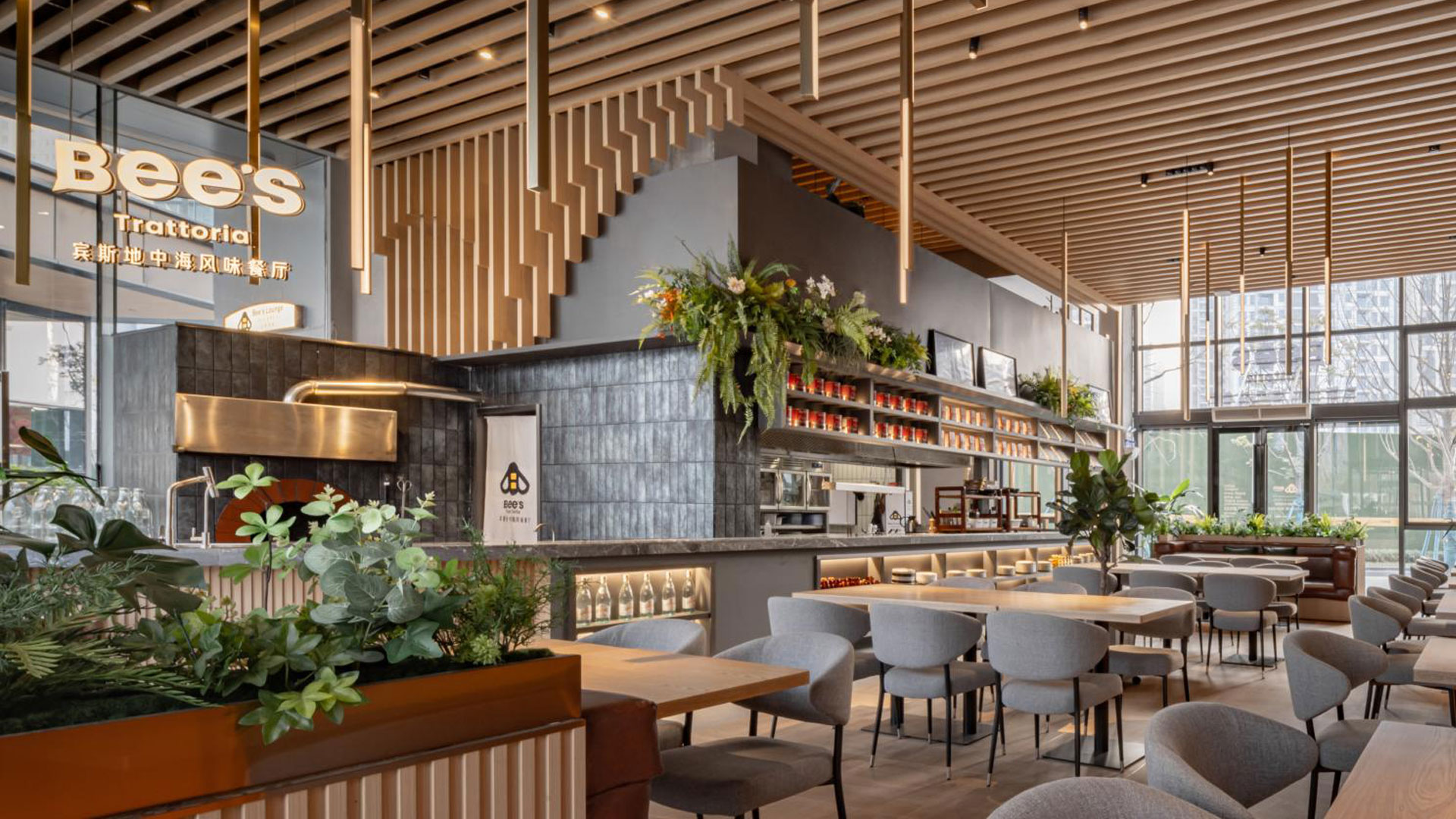
Bee's Trattoria
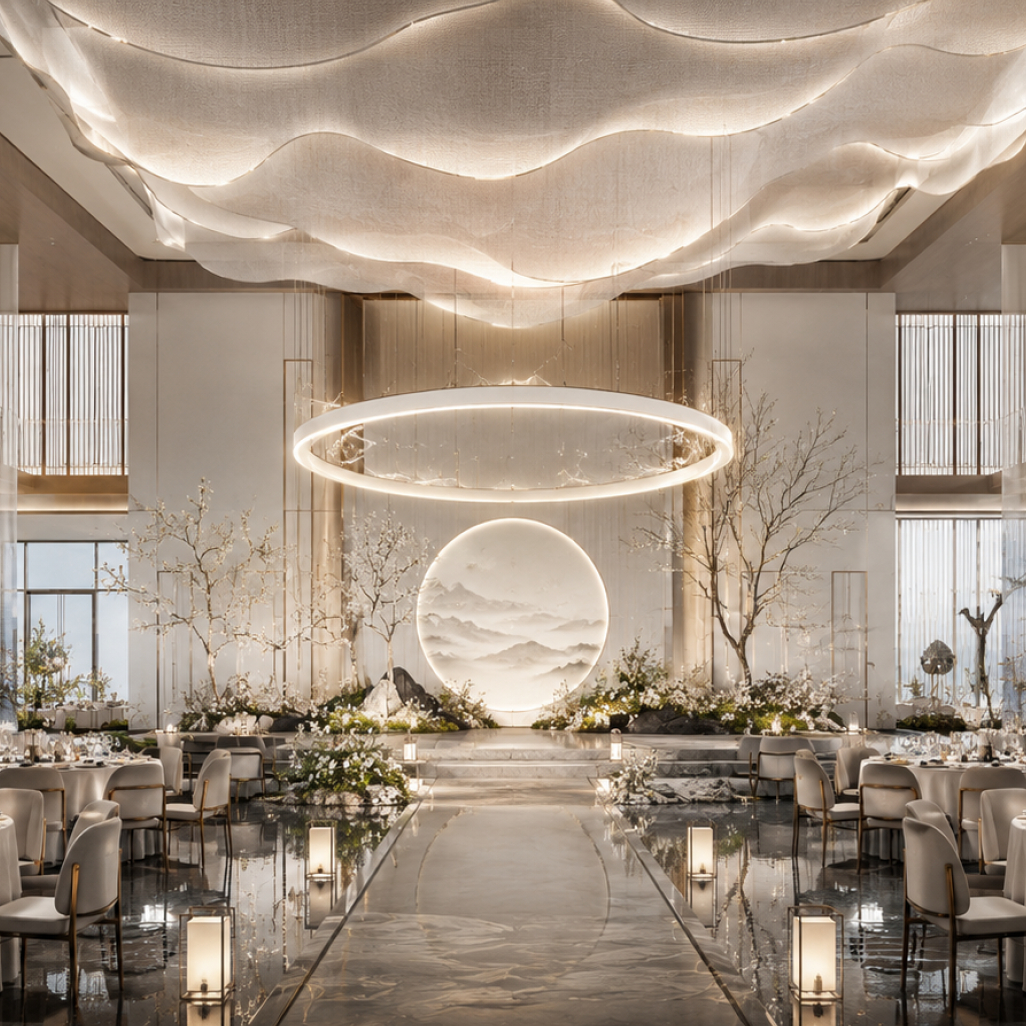
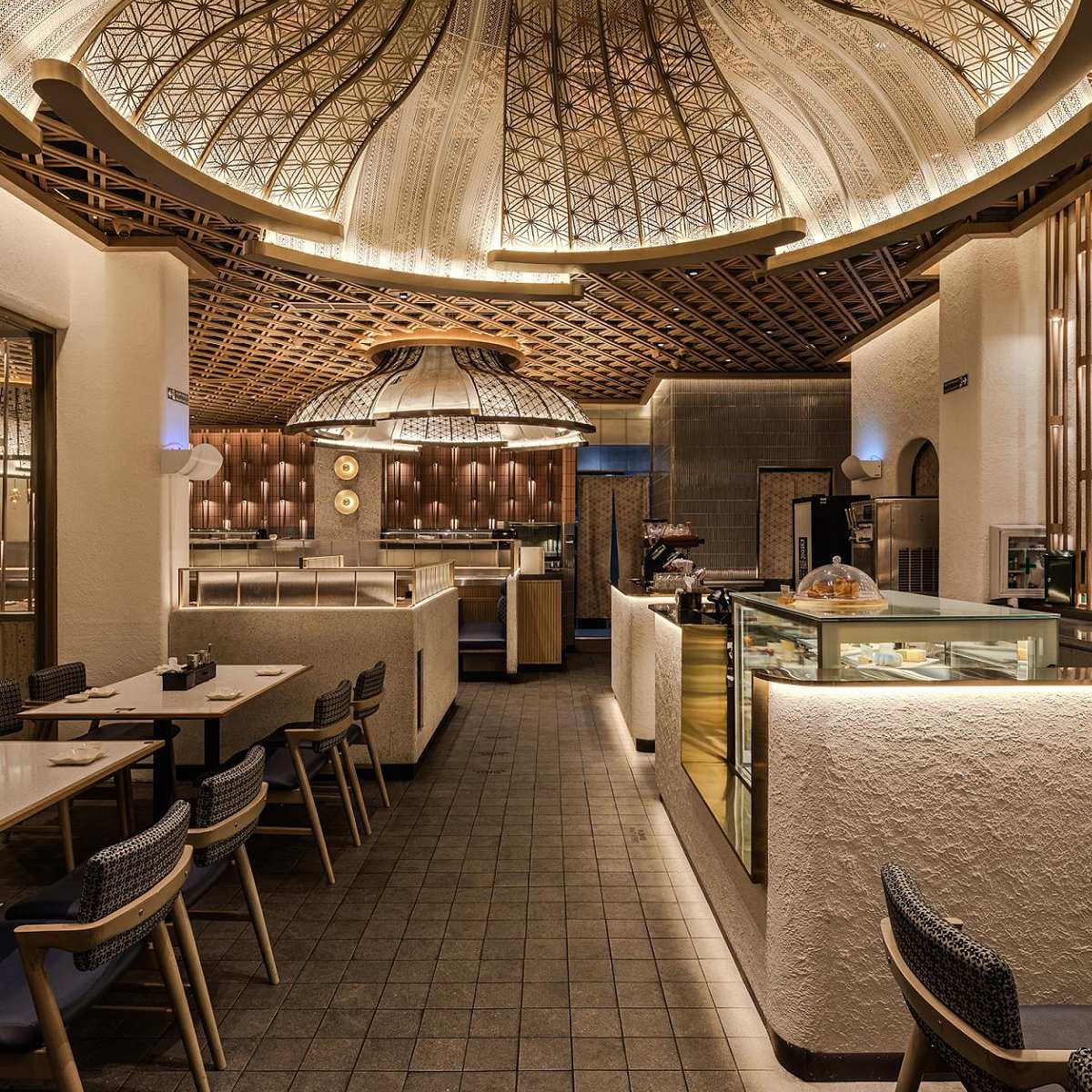
Bee's Trattoria is a restaurant whose culinary specialty is pizza and steak. The venue provides...

Jinhui He is a licensed architect and BIM specialist whose work is guided by the emotional power of space. With experience across projects of varying scales, he creates architecture that uses light, material, and atmosphere to shape meaningful experiences for the people who inhabit it.
Thank you! I'm Jinhui He, a licensed architect and BIM specialist with over seven years of experience in architectural design across projects of varying scales. I have a deep passion for creating spaces that feel meaningful to the people who inhabit them.
From an early age, I was drawn to the way a room could influence your mood and how light falling across a surface could make you feel calm or energized. That emotional power of space is what first inspired me to pursue design, and it continues to motivate me every day.
To me, it means the emotional intention behind the work truly resonated. Design is a form of communication, and when a jury of peers recognizes that connection, it affirms that the dialogue between the designer, the space, and its users has been successful. That kind of recognition is both meaningful and deeply encouraging.
The recognition has opened the door to more meaningful conversations with clients who value people-first design. For our team at TEG, it reinforces our shared belief that thoughtful, human-centered design is always worth the care, collaboration, and attention it requires.
Experimentation is an essential part of my creative process. Early in a project, I often test different material combinations and lighting scenarios to understand how they influence the overall atmosphere before making key design decisions.
On one project, for example, we explored a range of wall finishes under both warm and cool lighting. That process helped us identify the combination that created the quiet sense of intimacy the client envisioned.
Mechanical watches have always fascinated me. The way each component is carefully layered, visible, and purposeful reminds me of a thoughtfully designed interior.
Every finish, fixture, and detail should contribute to the overall experience—nothing should exist without intention.
That good design is mostly about listening. The most beautiful spaces I've worked on came from deeply understanding how a person wanted to feel inside them, not just what they wanted them to look like.
I try to understand the why behind every preference a client expresses. Once I understand the feeling or function they're really after, I can find a solution that honors their intent while staying true to a coherent design language.
It rarely feels like a compromise when you get involved early enough.
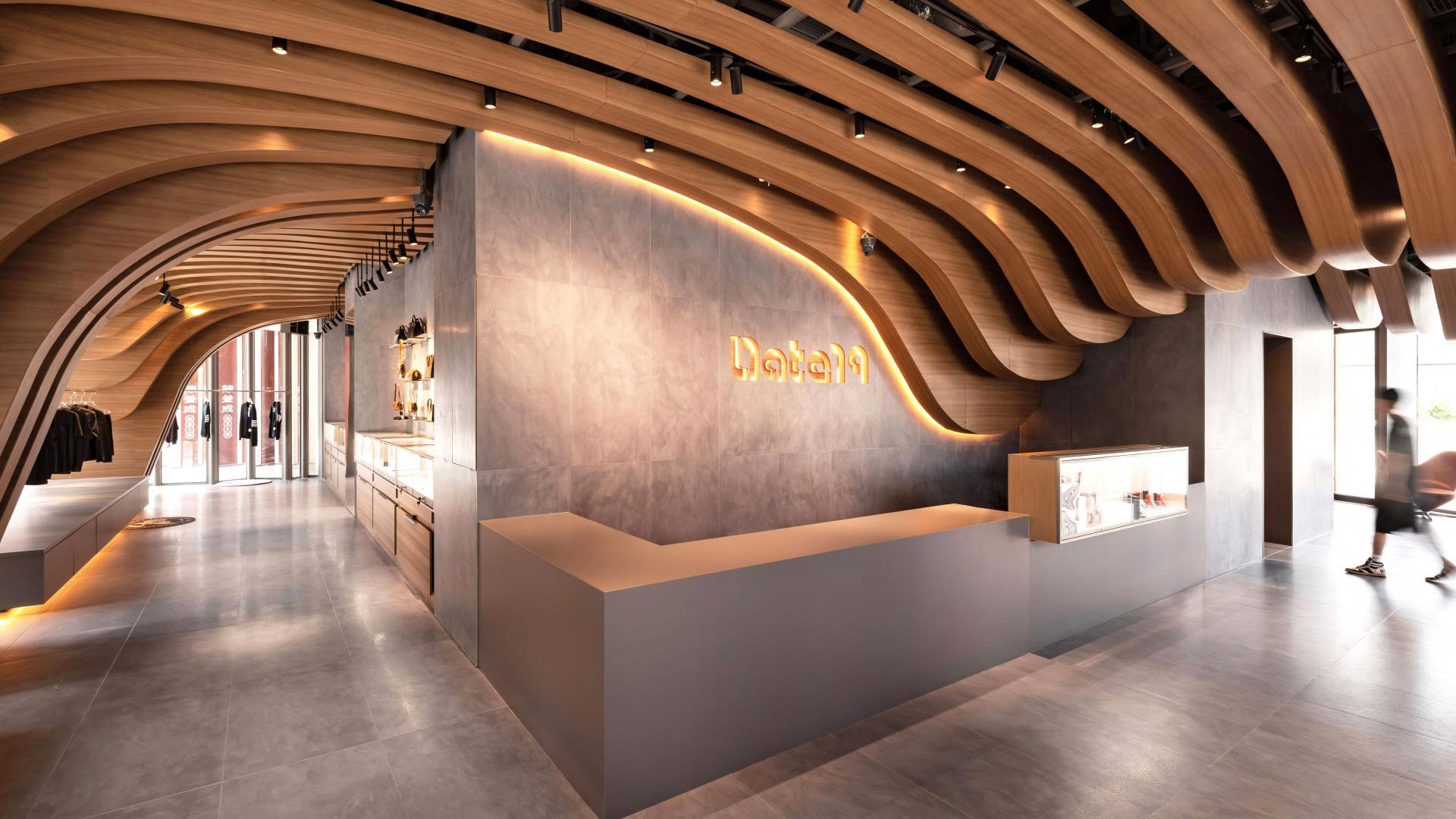
The biggest challenge was creating a sense of warmth and human scale within a space with strong architectural bones.
We carefully layered textured materials, curated lighting, and intentionally placed furniture to create a more human-centered environment without competing with the architecture.
I step away from screens entirely. I go bouldering, cycling, or simply take a walk through a neighborhood I haven't explored before. Experiencing spaces as a user rather than a designer always gives me a fresh perspective.
Honesty of materials, warmth, and quiet confidence. I want people to feel at ease in the spaces I design without necessarily knowing why. Creating that invisible sense of comfort is what I'm always striving for.
Spend as much time studying how people use and experience spaces as you do studying aesthetics. The best designers are exceptional observers of human behavior. And always submit your work.
The process of articulating what makes a project meaningful sharpens your instincts every time.
Steven Holl. His work exists at the intersection of poetic concept and raw sensory experience, where light, material, and spatial sequence become the emotional language of a space.
That's exactly where I want my own work to exist.
I wish people would ask me, "How does this space make you feel?"
Not what it looks like or what materials were used, but how it makes you feel. To me, that's the true measure of whether a design has succeeded. A space can photograph beautifully yet still feel cold or disconnected in person. That's why I always design for the lived experience first.