CANEST: Bio-based Nomadic Furniture System
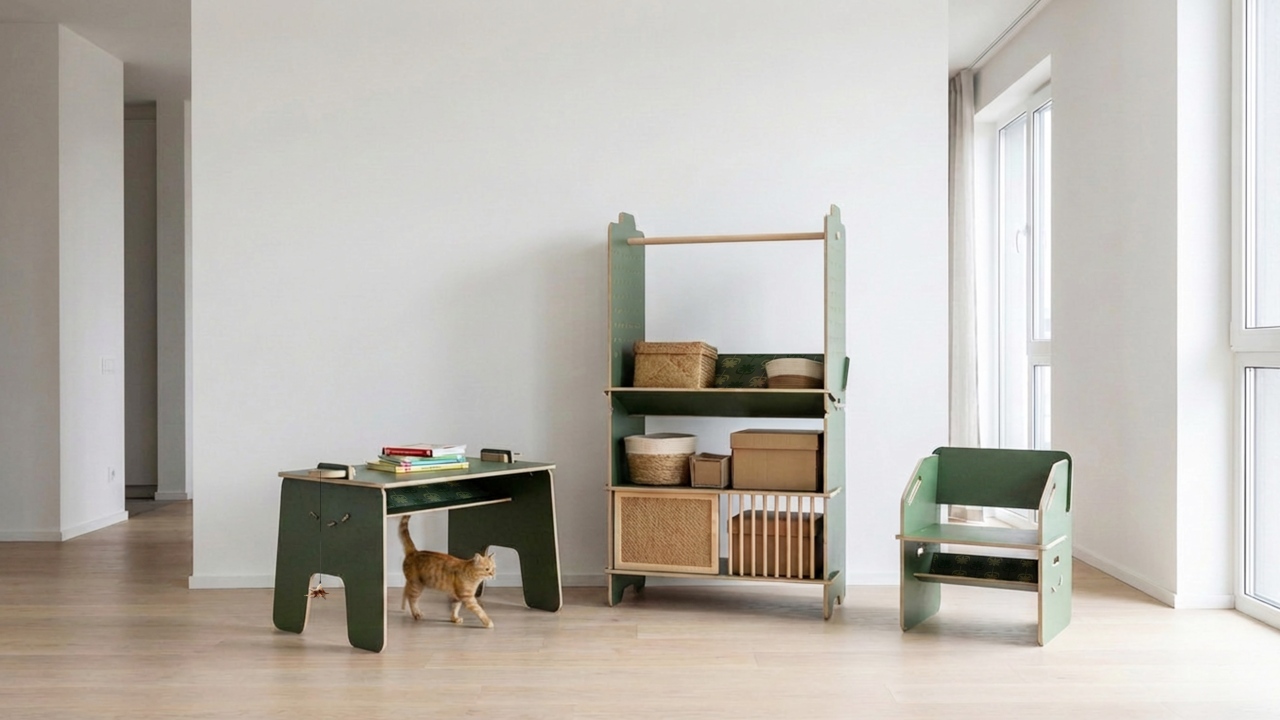
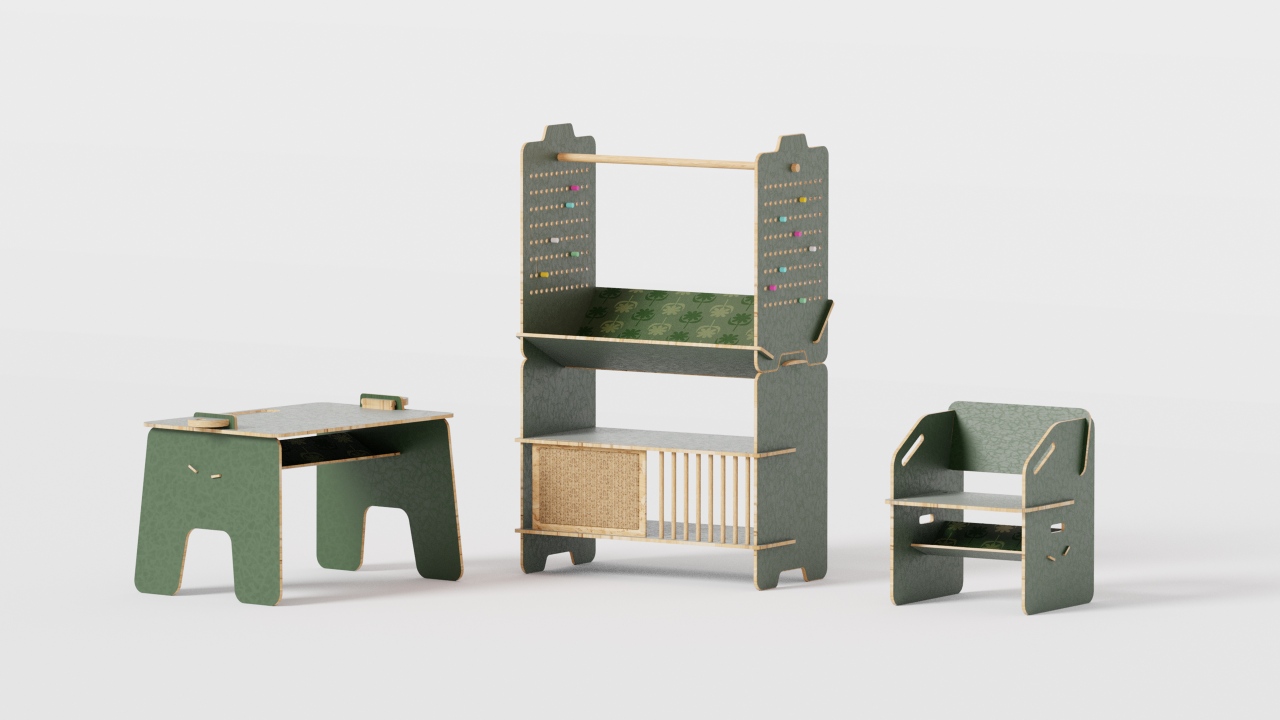
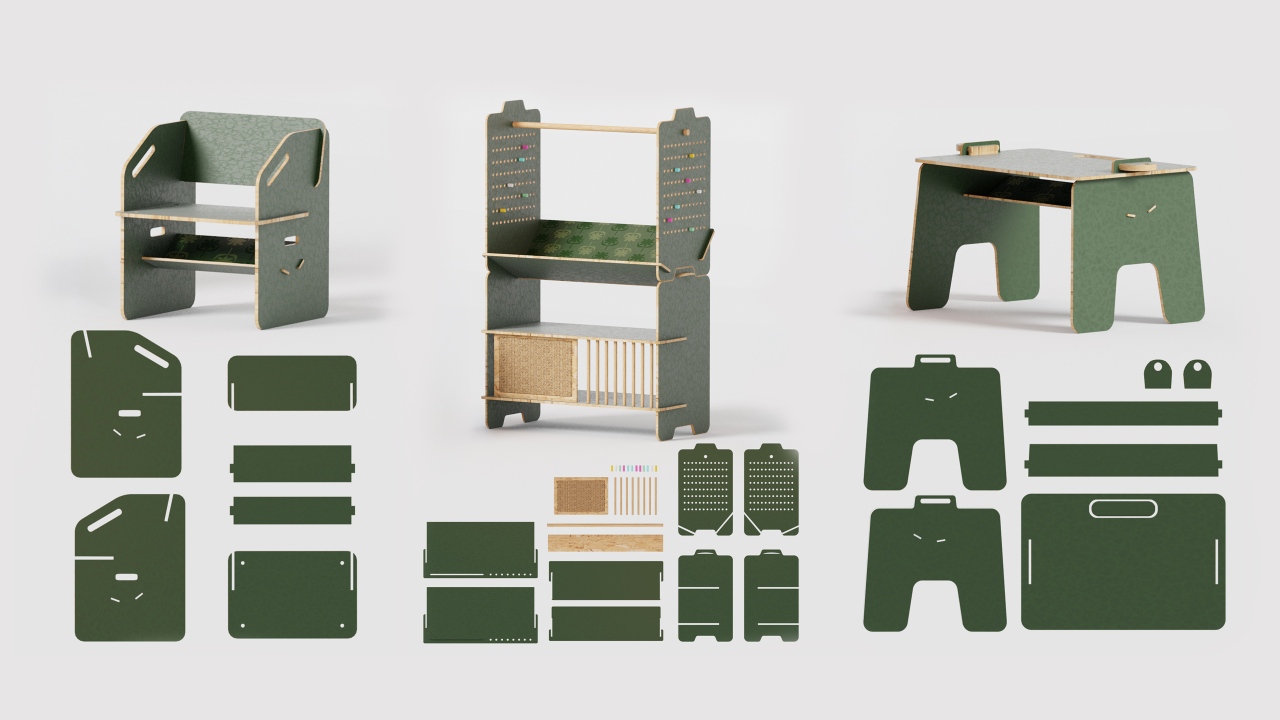
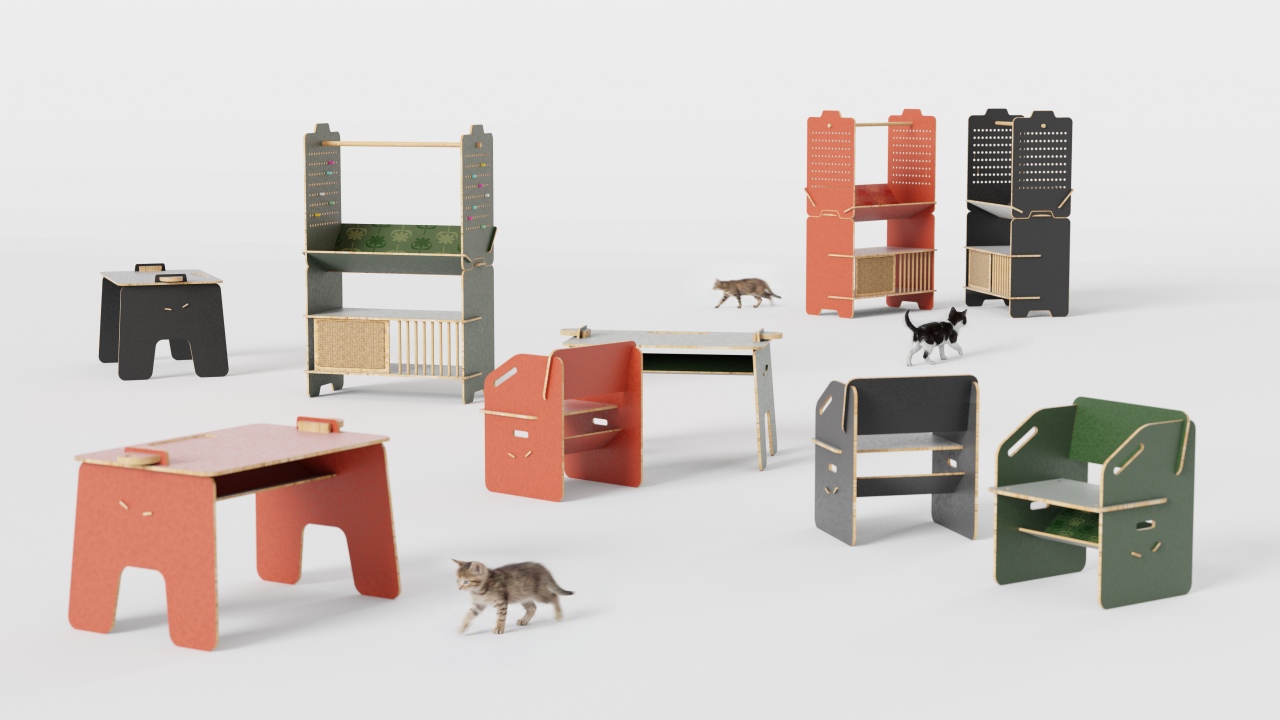
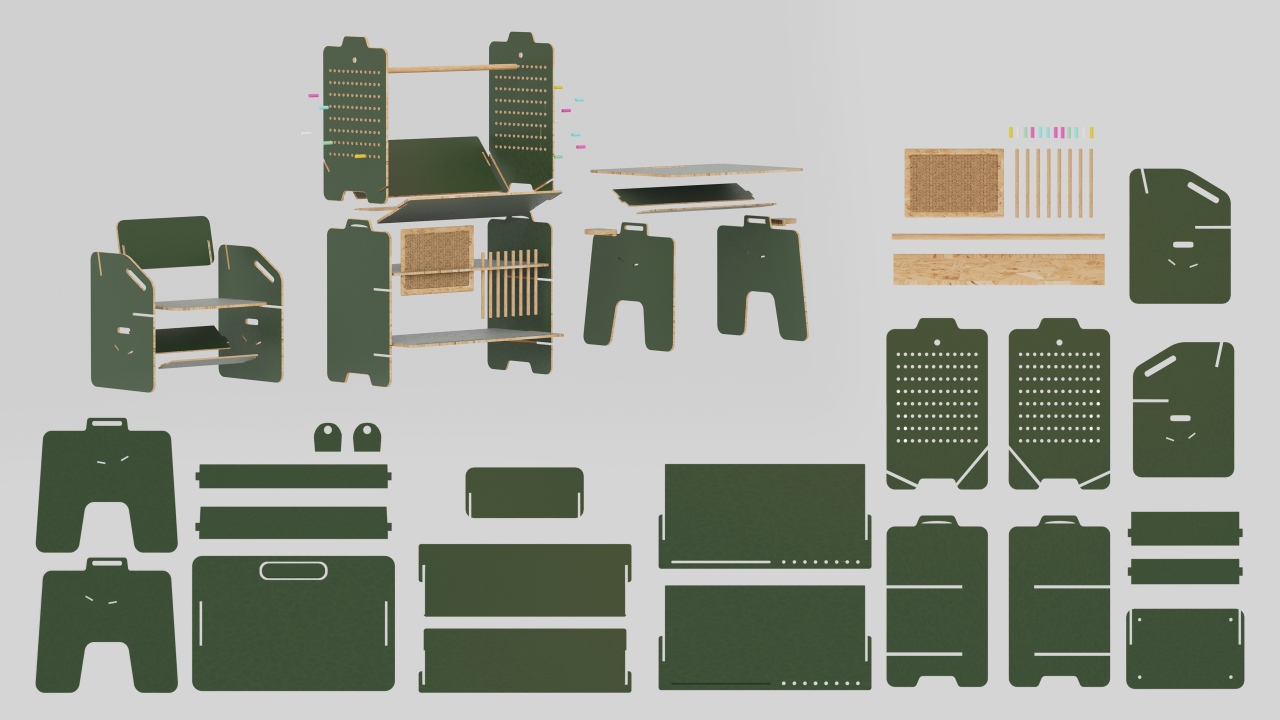
Designed for compact living, the CANEST system integrates a desk, a chair, and modular storage...
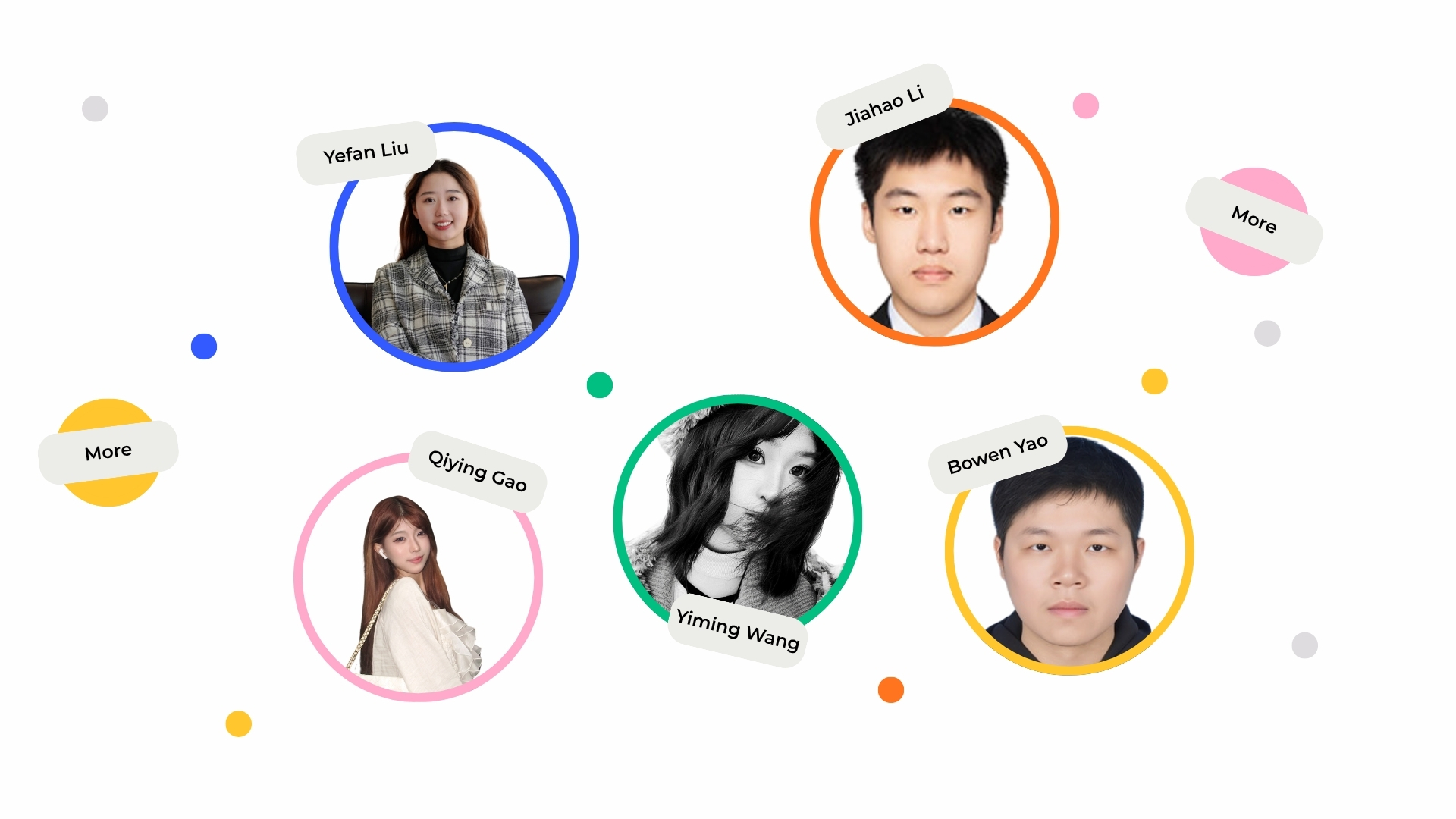
Yefan Liu, an industrial and visual designer, shares both her and her team's work behind the CANEST project, consisting of Jiahao Li, Yiming Wang, Qiying Cao and Bowen Yao. Although their design journeys are different, they are all driven by the same goal: creating meaningful experiences through award-winning designs.
My name is Yefan Liu, and I work in both industrial design and visual design. I have also been actively involved in interdisciplinary design projects that bring together different perspectives and areas of expertise.
What drew me to design was its unique ability to connect creativity, technology, production, and the market. I’ve always been fascinated by the journey of transforming an idea into a tangible product that can genuinely improve people’s experiences.
Through this award-winning project, I also witnessed how different team members found their own paths into design. Jiahao Li shared that he truly fell in love with design when he saw one of his digital concepts become a physical object for the first time. Yiming Wang, on the other hand, was inspired from a young age by the visual storytelling and character design he encountered in films. Although our journeys are different, we are all driven by the same goal: creating meaningful experiences through design.
This recognition is a tremendous encouragement for our entire team.
Before participating in this project, Jiahao Li often felt that international design awards were something far beyond reach. Winning this award showed him that his ideas could be seen and appreciated on a global stage. I believe many members of our team share that feeling.
For Yiming Wang, the award validated the value of crossing disciplinary boundaries and exploring new creative territories. For Qiying Gao, it reinforced her belief that designs rooted in Eastern culture can resonate within an international design context.
For me, the greatest value of this award is the confidence it gives us to continue exploring new possibilities through design.
One of the biggest impacts of this achievement has been encouraging us to rethink what truly defines good design.
After the project, Ziqi Wei reflected on the relationship between design and social value, and how design can genuinely improve people’s quality of life. Bowen Yao emphasized that the most valuable part of the experience was not the award itself, but the new perspectives gained through collaboration, discussion, and practice.
For me, the award has created opportunities for continued learning and dialogue. Through interviews, design discussions, and interactions with other professionals, we have been able to broaden our perspectives and further develop our approach to design.
Experimentation plays a fundamental role in our design process.
Throughout this project, we went through multiple rounds of iteration—from sketch exploration and model making to testing and refinement. Every prototype revealed something new, and sometimes even the smallest adjustment significantly improved the user experience.
I believe experimentation is not only about validating ideas; it is also about uncovering problems and discovering new possibilities.
One inspiration that left a lasting impression on our team came from a story Jiahao Li encountered while reading Designing Design by Kenya Hara. The story described Naoto Fukasawa’s umbrella stand design, which relied on simple grooves rather than additional structures to guide users naturally.
It reminded us that great design is not always about adding more. Sometimes, the most elegant solution comes from removing complexity.
At the same time, Qiying Gao often draws inspiration from nature. Plants, animals, and subtle moments from everyday life frequently become starting points for her creative thinking. These observations often inspire fresh perspectives within our projects.
I wish more people understood the importance of trial and error.
Most people only see the final product, but behind every successful outcome are countless discarded concepts, failed prototypes, and repeated revisions. As Jiahao Li once said, those abandoned ideas and unsuccessful prints are often where the real substance of design exists.
Bowen Yao also pointed out that many challenges only emerge during the making process, and solving those unexpected problems is often where designers grow the most. Design is rarely a moment of sudden inspiration—it is an ongoing process of discovering and solving problems.
For me, the key is not deciding whether the client or the designer is right—it is understanding the user.
Jiahao Li often asks a simple but important question: “Why does the user need this?” If an idea does not address a genuine need, it should be reconsidered regardless of where it comes from.
Bowen Yao also believes that creativity should ultimately serve users and project goals rather than personal preferences.
When disagreements arise, we rely on research, prototyping, and user feedback to guide decisions. This allows us to remain open-minded while still maintaining professional judgment.
One of the biggest challenges was bringing together different viewpoints into a cohesive design solution.
Because our team members came from diverse backgrounds, we often had different perspectives on functionality, presentation, and design details. Rather than rushing toward a decision, we relied on research, case studies, and prototype testing to evaluate our options.
By continually returning to real user needs, many disagreements naturally found their resolution. Looking back, those discussions and adjustments became some of the most valuable parts of the project.
When I reach a creative block, I usually stop forcing ideas.
Jiahao Li likes to go running, listen to music, or observe everyday products. Bowen Yao believes that inspiration comes from life itself and that stepping away from work often leads to fresh insights.
I share a similar approach. Traveling, visiting exhibitions, reading, and simply observing daily life help me reconnect ideas in unexpected ways. Many great concepts are discovered in the real world rather than at a desk.
Our different backgrounds naturally shape the way we approach design.
Jiahao Li tends to pay close attention to overlooked user needs, while Yiming Wang is highly sensitive to form and detail. Both perspectives contributed significantly to this project.
Personally, I strive to balance aesthetics, functionality, and social value. I believe design should not only solve problems but also communicate meaning and create positive experiences.
Jiahao Li often shares a simple piece of advice: “Don’t wait until you feel ready.”
Many design skills are developed through action rather than preparation. At the same time, Qiying Gao reminds us not to disconnect design from real materials, real people, and real life.
Together, these ideas reflect a philosophy we strongly believe in: start boldly, but stay grounded in reality.
I would choose to collaborate with Naoto Fukasawa.
Jiahao Li admires his ability to create products that users can understand intuitively without instruction. I am equally fascinated by his deep understanding of human behavior.
His concept of “without thought” design demonstrates how careful observation of everyday life can lead to solutions that feel completely natural. I would love to learn more about how he transforms those observations into design decisions.
I wish people would ask: “What does design ultimately change?”
My answer would be: design changes the way people interact with the world. The best designs often go unnoticed, yet they make actions feel more natural, experiences more comfortable, and human connections more meaningful.
When a product genuinely responds to people’s needs and creates a positive impact, that is when I believe design achieves its greatest value.
Click here to read about Building Better Products Through Experimentation with Shirley Guo by reading her winner interview after securing award-winning designs from the 2026 NY Product Design Awards.