The Mary Celeste
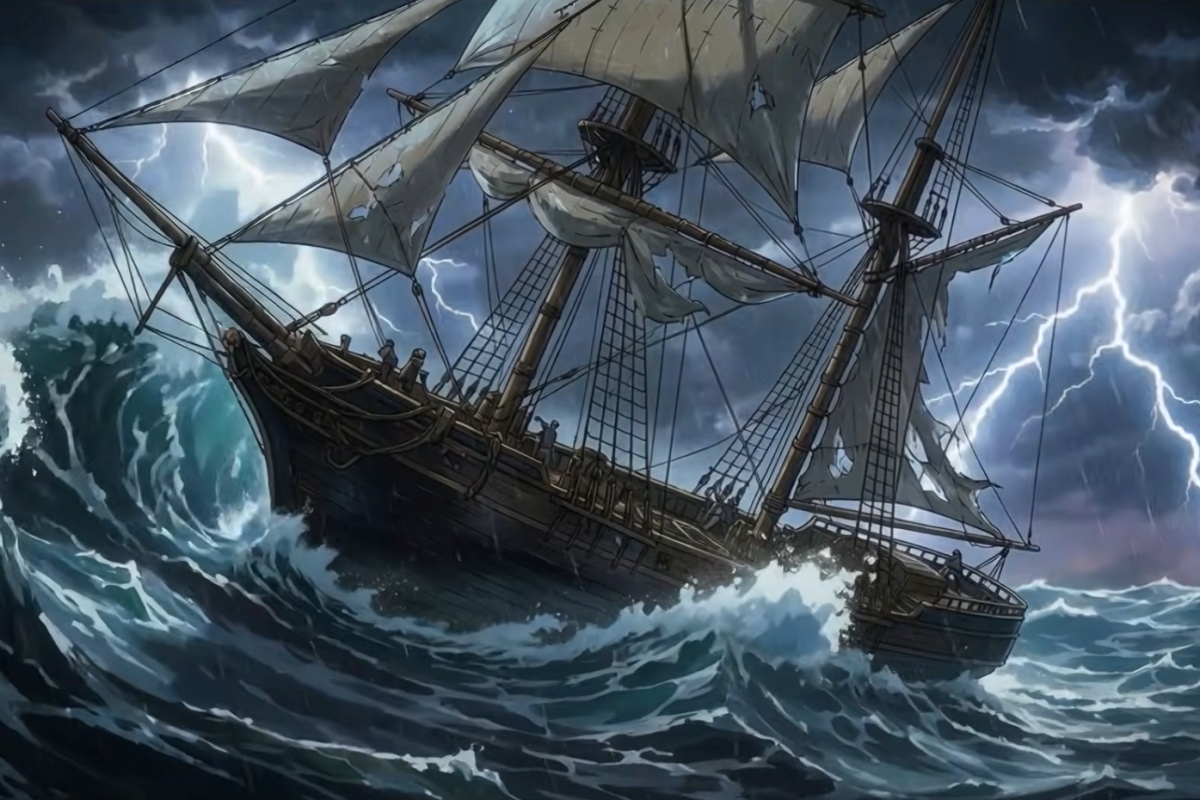
Step aboard the world’s most enduring maritime enigma. This documentary short utilizes stylized animation to...
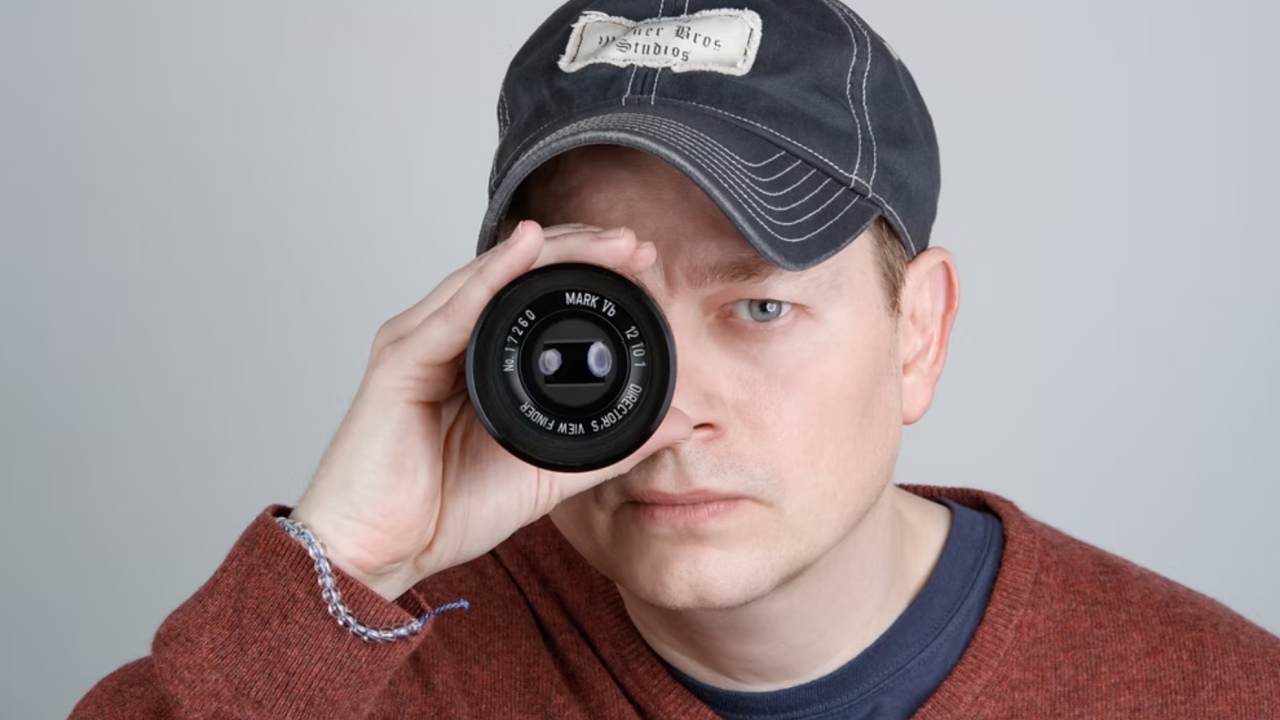
Ray Griggs is a filmmaker and founder of RG Entertainment, whose work bridges traditional Hollywood production and next-generation storytelling technologies. Drawing on decades of experience, he is exploring new models of filmmaking that give creators greater creative and distributional freedom.
I’m Ray Griggs, a director, writer, and producer, and the founder of RG Entertainment. I’ve spent over 20 years in storytelling, working across traditional productions and now pushing into AI-assisted filmmaking.
My journey started in the traditional Hollywood system—developing, financing, working with high-end VFX teams, assembling massive production crews, and securing distribution for films—but over time, I came to see both the strengths and limitations of that model.
What excites me now is being part of a new wave, where technology is empowering independent creators to tell stories at a scale that once required massive studios, and to build their own audience and distribution platforms. That evolution is really what led me to create The Long Glass.
I submitted the Mary Celeste, a story from The Long Glass because I believed it represented something different—both creatively and technically. It’s not just a story; it’s a new way of telling stories at a fast pace.
Winning the NYX Awards is incredibly meaningful. Personally, it’s validation that taking risks and stepping outside traditional pipelines is worth it. Professionally, it signals that audiences and industry professionals are ready for this next chapter of storytelling.
The Long Glass was born out of a fascination with historical mysteries, the unexplained or unusual—the mysteries that were never solved or don’t have clear answers.
Opening it up to how the story goes, but then adding a reconstruction of what might have happened, that’s when the little boy in me wakes up.
But more than that, it represents a shift. It’s a blend of cinematic storytelling, animation, and AI-assisted production, all working together to create something immersive and emotionally engaging in a short 10-minute window or less.
In today’s fragmented industry, I think it represents a return to compelling storytelling—just delivered through a new medium.
What sets the project apart is that there are plenty of documentaries, live-action shows, and mysteries to watch, but the combination of cinematic discipline and emerging technology to create all of them in a graphic novel animation style, with a reconstruction of one possible outcome, is engaging.
We approached it like a film—careful shot design, characters, pacing, music, and emotional beats—but used AI as a tool to expand what was possible visually and efficiently—pushing it with VFX, original music, and sound effects.
I think that balance is key. It’s not about replacing creativity—it’s about enhancing it.
One of the biggest challenges was maintaining consistency and quality across an AI-driven pipeline while maintaining that 2-week turnaround for each episode.
Unlike traditional production, where you control every frame, AI introduces variability. So we had to build a very controlled workflow—research, writing, both non-fiction and fictional development, shot planning, visual references, and iteration—to ensure everything felt cohesive and intentional.
In a way, the challenge forced us to become more precise storytellers.
I hope this recognition helps open doors—not just for me, but for the idea that independent, AI-assisted storytelling can compete at a high level. It’s already sparked conversations and interest, which is encouraging. Long term, I see it helping position RG Entertainment as a leader in this evolving space.
The response has been incredibly encouraging. What stands out most is how engaged the audience is—people aren’t just watching, they’re commenting, sharing theories, and asking for more stories. The retention rate on YouTube is quite high. That level of interaction tells me the format is connecting on a deeper level.
Focus on the story first, period—always. Technology will change, tools will evolve, but a compelling story is timeless.
At the same time, don’t be afraid to experiment. The creators who are willing to explore new tools and workflows right now are the ones who will shape the future of the industry. And finally, finish your work. Execution matters more than perfection.
The industry is going through one of the most significant shifts we’ve ever seen as the traditional Hollywood model is broken, and Netflix might have a part in that. We are seeing budgets coming down, and the days of tent-pole multi-hundred-million-dollar budgets are numbered. I have been blessed in my career to have worked with Weta,
Lucas, and CafeEffects when it was around. The digital houses were amazing, and some talented people worked there, but for the average indie filmmaker without a Studio behind them, working with these people to tell a story that required dozens of visual effects was just a reality.
AI and YouTube are lower barriers to entry, which means more voices and more stories can be told. That’s incredibly exciting—but it also raises the bar creatively, because now you have more to compete with, and if you refuse to adapt to new AI technology or try to let it do everything for you…you will be left behind.
My goal is to be at the forefront of that shift—blending strong storytelling with innovative production methods, but be in consistent control of the creative process, but at a quicker pace.
You don’t need to feel “ready” to enter.
Competitions like this are an opportunity to put your work out into the world and get validation, feedback, and exposure. Even just entering pushes you to elevate your standards. Confidence comes from doing the work—not waiting for the perfect moment. You have a story to tell, so tell it. The universe can never have too many stories.
We’re at a turning point. The tools are changing, but the mission remains the same—to tell stories that move people. Stay curious, stay adaptable, and don’t lose sight of why you started creating in the first place.
When I'm on set, I tell the crew it takes everyone to sail this ship to its destination, as a director, my only job behind the wheel is to make sure we don't go off course from my vision. I hired my crew for a reason and need to trust them. So yes, this is absolutely a team effort.
I want to thank Max Di Carlo for his incredible work on the music—it added so much depth and emotion to the project. And of course, the audience. Their support, engagement, and belief in what we’re building mean everything.
A cinematic reimagining of historical mysteries that blends storytelling, animation and technology to bring the unknown possiblities to life.
We’re just getting started. There are more episodes of The Long Glass coming, each pushing the storytelling and visual quality further.
Beyond that, I’m expanding into larger projects—films and series that use this same hybrid approach to create high-quality, scalable storytelling. The goal is to continue building stories and worlds that audiences can escape to.
Checked out the winners Celebrating a Journey of Detail and Dedication with Hirofumi Kamigaki & IC4DESIGN in this interview.