Traverse
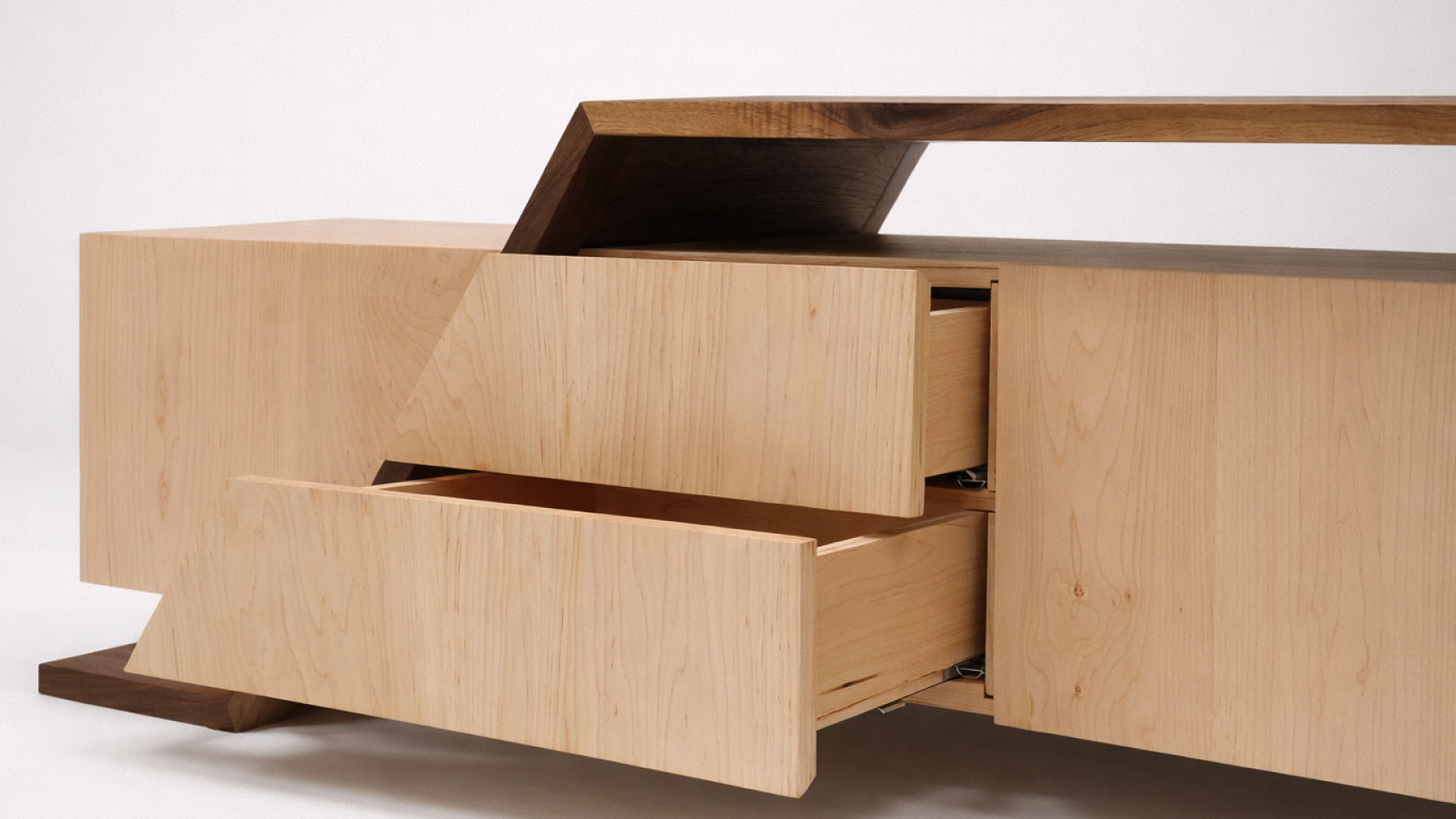
Inspired by cantilever architecture, Traverse explores the tension created when one object passes through another....
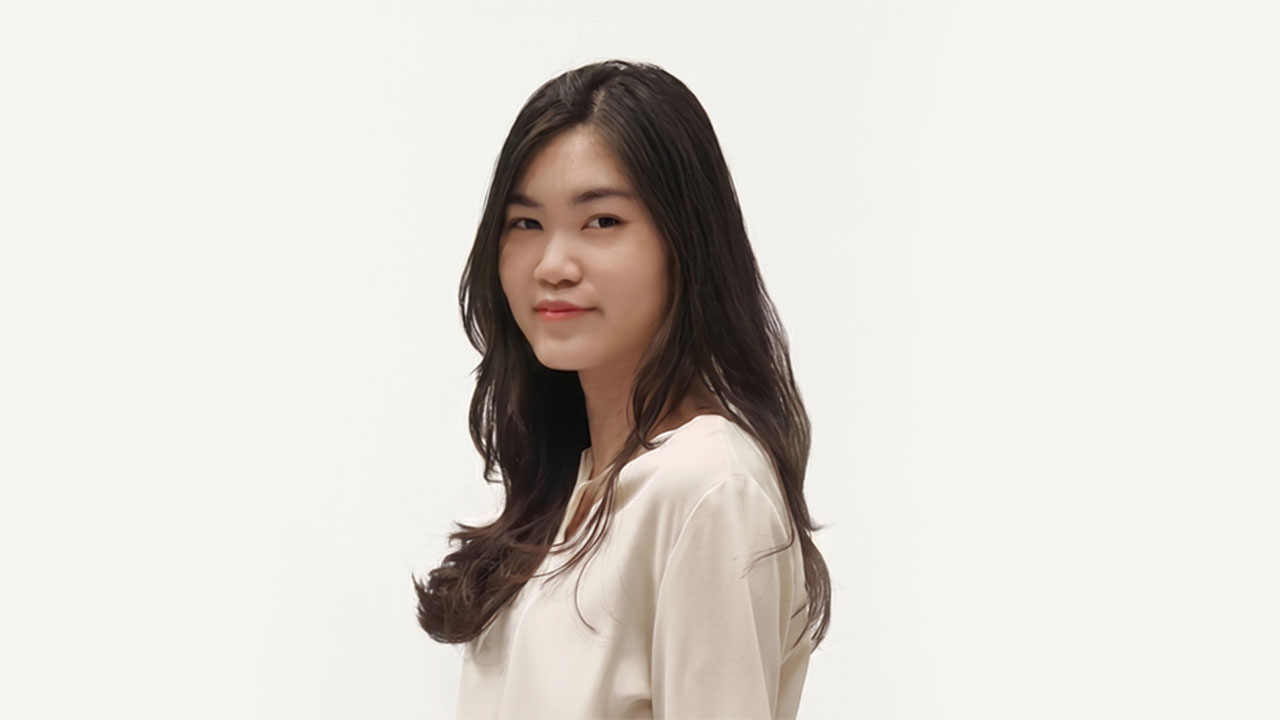
Weng Lam Chan creates hospitality spaces and furniture guided by dynamism, proportion, and structure. With a focus on material honesty and thoughtful detailing, she crafts designs that reveal subtle complexity and invite lasting experiences.
I am Weng Lam (Stephy) Chan, a designer born and raised in Macao. Growing up alongside Macao's vibrant luxury hospitality industry sparked my passion to specialise in creating memorable, relaxing spaces away from home. I approach design through an exploration of dynamism, proportion, and structure, prioritising material honesty and thoughtful detailing.
My goal is to bring this unique cultural background and philosophy to the global hospitality design landscape, creating spaces and furniture whose complexity is subtly revealed over time.
As an emerging designer, being recognised by the Rome Design Awards is incredibly meaningful, especially since the winning piece is one I am deeply attached to. This honour serves as a powerful validation of my creative vision and design philosophy.
It gives me the confidence to keep pushing boundaries, and I hope it opens doors for a wider audience to connect with my work on a global stage.
Winning this award has given me a powerful sense of momentum as I establish my footprint in the design world. So far, the biggest opportunity has been the platform itself. It has allowed my work to be seen by a global audience and has given me a confident foundation to launch my next series of projects.
For me, experimentation is the bridge between a wild concept and physical reality. A great example is my award-winning piece, Traverse. Inspired by cantilever architecture, I wanted to experiment with the tension created when one object physically passes through another.
I challenged myself structurally to have a solid wooden volume intersected by a continuous frame that traverses the cabinet’s body. It required a lot of trial and error to achieve the right balance and successfully create the final illusion of a suspended, gravity-defying mass.
Lately, my most unusual source of inspiration has been the concept of human perception and the geometry of a single, continuous line. I’ve been experimenting with how to construct the structure of a piece of furniture using just one uninterrupted line, exploring how that restraint alters the viewer's perception of space.
I love the idea of blurring the boundaries between two and three dimensions, essentially challenging the eye to see if a flat, hand-drawn sketch can physically come to life as a functional object.
I wish more people understood that a truly successful design is a balance of structural reality and storytelling. Without a narrative, a design is just another chair or another table. But a story alone isn't enough. It has to survive the transition from a 3D render to physical reality.
Because I hand-build my own pieces, I know firsthand that the real challenge lies in taking a meaningful story and engineering it so it is durable, innovative, and structurally sound in real life.
When working with brand-driven briefs, my approach is always rooted in deep research. I immerse myself in the company’s background, iconic works, and core philosophies, such as their commitment to sustainable materials.
Once I understand their DNA, I look for intersections where their brand beliefs can naturally merge with my own design language. The key is ensuring the final piece honours the client's identity while still carrying its own distinct story and structural integrity, preventing it from becoming just another predictable product.
The biggest challenge with the project was the strict sequential fabrication required to achieve its complex geometry. Achieving the perfect suspension angle meant the frame had to be fully completed and levelled before the carcass could even be measured and constructed.
In a craft where gluing, milling, and sanding dictate the timeline, I overcame this by treating the workflow as a puzzle of strict dependencies.
When I hit a creative block, I find the best solution is to shift my focus from output to input. I spend time diving into design books, exploring industry websites, and studying the social media portfolios of global brands and contemporary designers.
Building thematic mood boards also helps me organise these scattered inspirations into cohesive design directions. Often, simply observing how other creatives solve spatial or structural problems around the world is exactly what breaks the block for me.
The core value I infuse into my work is the idea that furniture should be an experiential art form. I constantly seek to balance functionality with sculptural expression by blending minimalist structures with expressive forms that elevate a space.
For me, design is about creating an emotional impact. I prioritise honest materials and use dynamic movement to invite people to slow down, observe, and interact with the object, proving that furniture can be deeply functional while still igniting human curiosity.
I would encourage aspiring designers to focus on storytelling rather than just aesthetics. The design world doesn't just need another object. It needs your unique perspective. Build a clear design philosophy around your work, explore concepts that spark your own curiosity, and design with emotional impact in mind.
Success comes when you stop chasing safe, predictable trends and instead commit to creating pieces that invite people to slow down and truly experience a space.
If I could choose from the past, it would be Poul Kjærholm and Isamu Noguchi. I deeply admire Kjærholm’s ability to elevate industrial structures into elegant, architectural furniture by balancing technical precision with warm, tactile materials. This directly mirrors my own aim to reinterpret industrial elements into refined, sculptural forms. From Noguchi, I draw inspiration from his organic, space-shaping forms and his belief that furniture should function as a sculptural centrepiece.
Both masters prove that furniture can exist at the intersection of art and utility, reinforcing my own commitment to creating pieces that actively define how people perceive and experience a space.
How do you embed an element of surprise into a minimalist structure? I want people to ask this because my goal is to create furniture that sparks interaction and curiosity. I love blending a clean, minimalist silhouette with a structural twist that requires a double-take to fully understand.
By exploring dynamic movement and shifting perspectives, the piece becomes more than just a functional object; it becomes an experiential, sculptural centrepiece. I design with the hope that the user will interact with the object, gradually uncovering its emotional story and intentional details over time.