Under Bridge Space 2.0 | 2025 Rome Design Awards
As both rent and home prices keep growing while inflation does not show any sign...
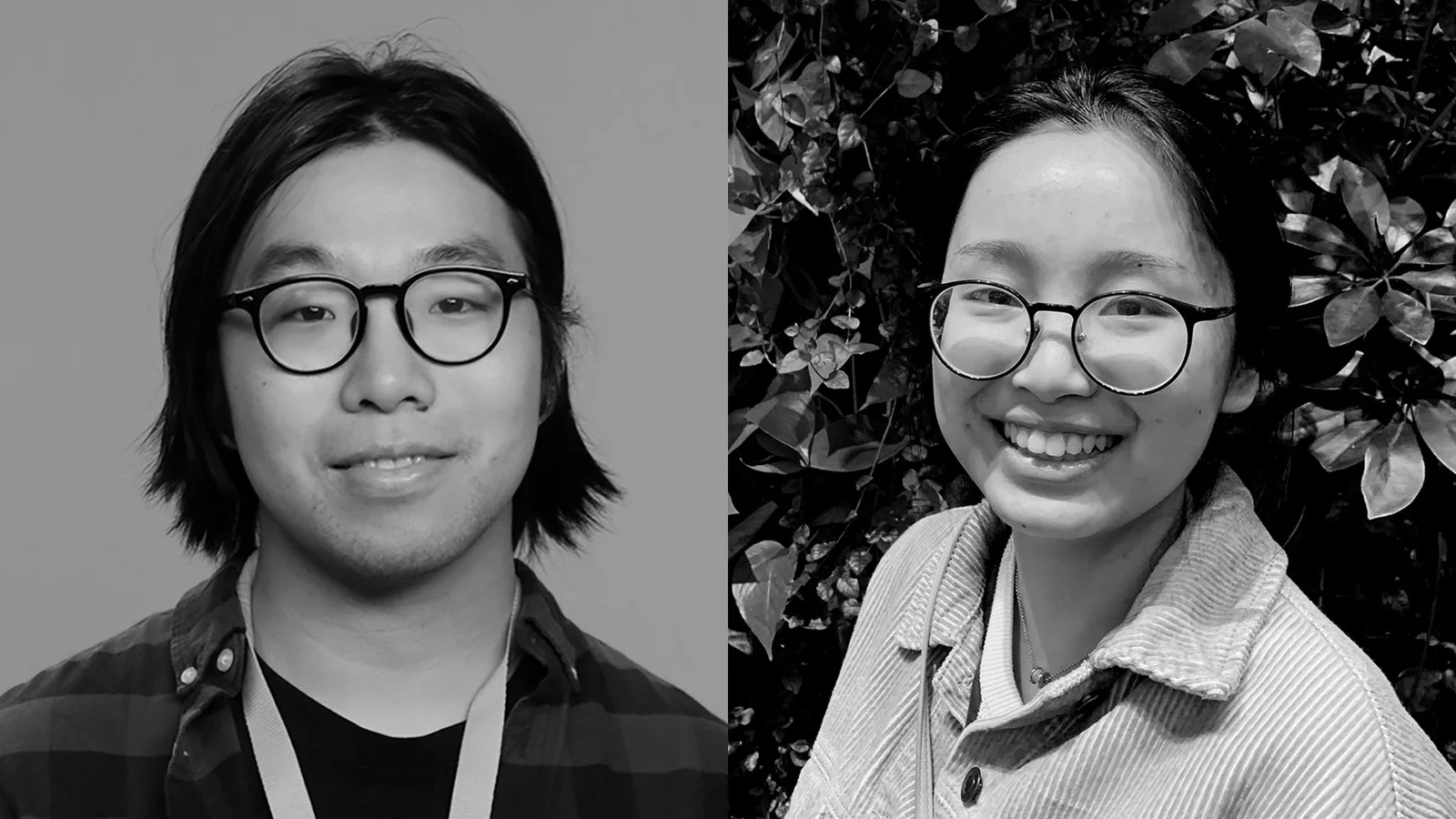
Chuan Liu and Sijie Ji are the designers behind CL Studio. With backgrounds in architecture and development, they create spaces that are functional, sustainable, and rooted in community resilience. Their work responds to urban challenges and climate realities through thoughtful, future-focused design.
Chuan: My name is Chuan Liu, and I’m a design professional in the architecture and development industry. My work centres on housing practices in the LA area and the transformation of development ideas before a project takes place. I am keen to explore design opportunities and deliver socially responsible outcomes.
Sijie: I'm Sijie Ji, and I’m an architectural designer based in Los Angeles, where urban challenges and climate realities intersect. My work focuses on leveraging architectural thinking and urban design to address pressing issues such as displacement caused by rising sea levels, housing inequity, and the socioeconomic strains of rapid urbanisation.
Chuan Liu and Sijie Ji: We specialise in creating spaces that are not only functional and sustainable but also deeply rooted in community resilience.
Whether reimagining adaptive housing solutions for climate-vulnerable populations or advocating for inclusive urban policies, we aim to bridge the gap between environmental stewardship and social justice.
The recognition means a great deal. As design professionals, we constantly reflect on the relationship between innovation and functionality in architecture. This award program offer us an opportunity to translate our innovative design ideas into socially impactful projects.
This recognition affirms the value of our approach and motivates us to pursue design excellence that actively enhances the built environment.
The achievement will be a source of motivation for both our careers. We will continue to delve deeper into transforming design ideas into socially responsible solutions and addressing crises within our built environment.
We hope our design philosophy will inspire more design professionals—as well as urban planners and agencies—to rethink the current housing crisis and explore potential development opportunities.
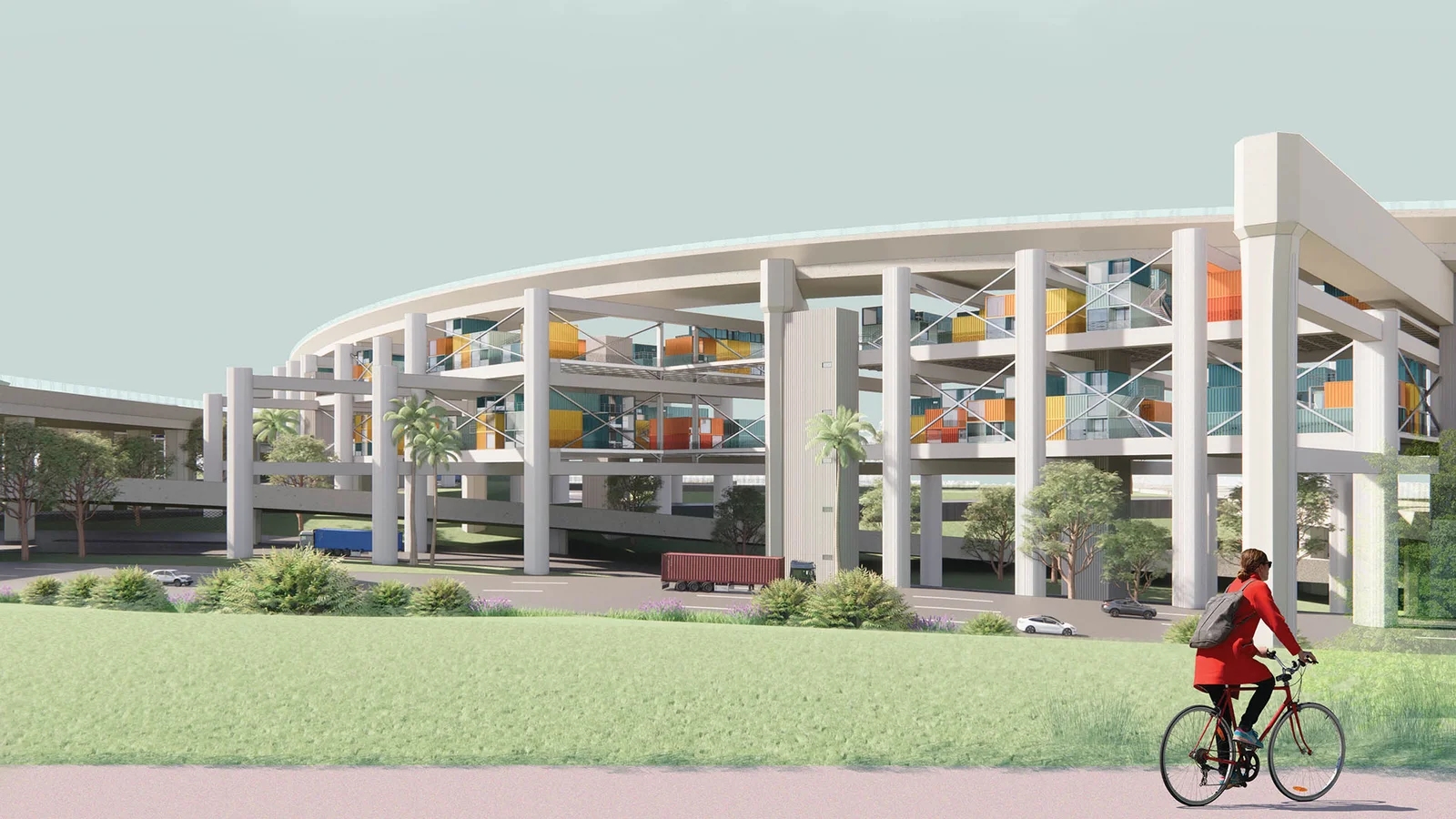
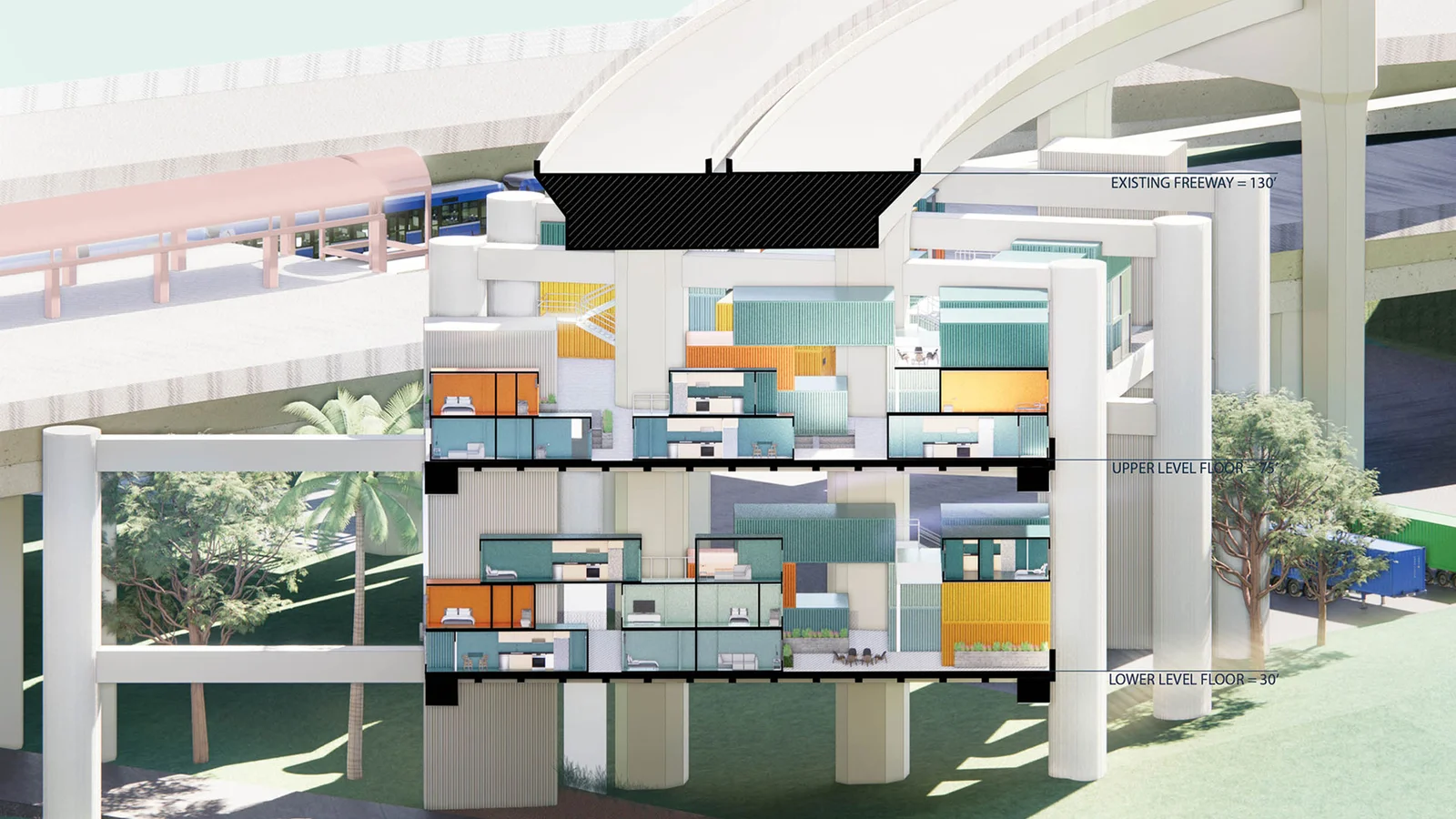
Experimentation is crucial to our design process. For instance, in our approach to low-cost housing design for the submission, we reimagine the existing built environment by utilising under-bridge spaces.
This experimentation challenges current development standards and building codes. While it presents design challenges, we also propose prototypical solutions to legitimise experimental ideas in a socially responsible way.
For us, inspiration comes from bold design ideas that question the very definition of architecture. A remarkable project often stems from an unconventional concept that strategically engages with site, space, and culture.
We aim to embed strategic thinking into the design process from the outset to ensure the project stands out.
The design process is as important as the design outcome. It tests ideas and helps calibrate our overall strategy to shape the final result.
While delivering a project that meets the client's development vision and financial requirements, we also aim to ensure social responsibility and functionality.
The major challenge lies in the existing design standards and building codes. Although there are many low-cost housing options available today, the housing crisis persists. We are working to incorporate an exceptional design idea by utilising under-bridge spaces to rethink existing standards and design systematically.
In this case, we have developed a unique structural system that introduces containers as dwelling units. The system includes a prototype that can be replicated in similar contexts.
Creative blocks are common, and we can't always avoid them during the design process. Whenever they occur, we prefer to take a break and spend time outdoors. The built environment offers inspiration in every detail.
We value design that is both sustainable and socially impactful. Therefore, our work focuses on low-cost, affordable housing while rethinking existing development models. We are interested in how innovative ideas can be transformed into projects that improve the built environment.
Stay motivated, keep innovative. Be socially responsible.
We would like to collaborate with Le Corbusier. It would be invaluable to understand his perspective on the current housing crisis and to see how he might apply his philosophy of efficiency and sustainability to today’s housing market.
We would like to say: What will the low-cost housing be in the future? What can design professionals do regarding the housing crisis?
To which I would answer that the project provides a prototype that challenges current code and development standards. We cannot guarantee all under-bridge spaces will be used as low-cost housing, but we do hope there are more prototypical ideas that come up to challenge and innovate. To resolve the housing crisis, we need more informative ideas from all occupations.
Explore the journey of Chengzhe Zhang, the Silver Winner at the 2025 Rome Design Awards. He’s a landscape and urban designer at Sasaki, focused on sustainable design, urban renewal, and turning challenges into creative, lasting solutions.