Times Square in Motion
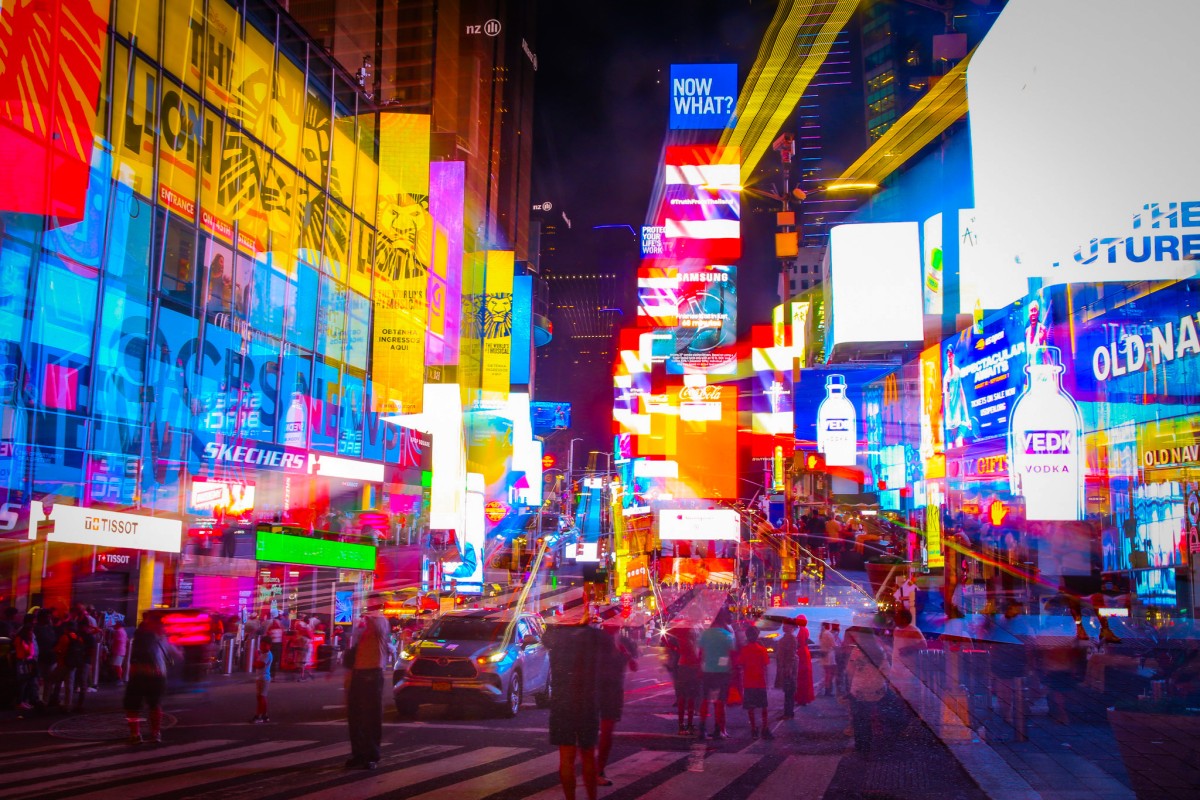
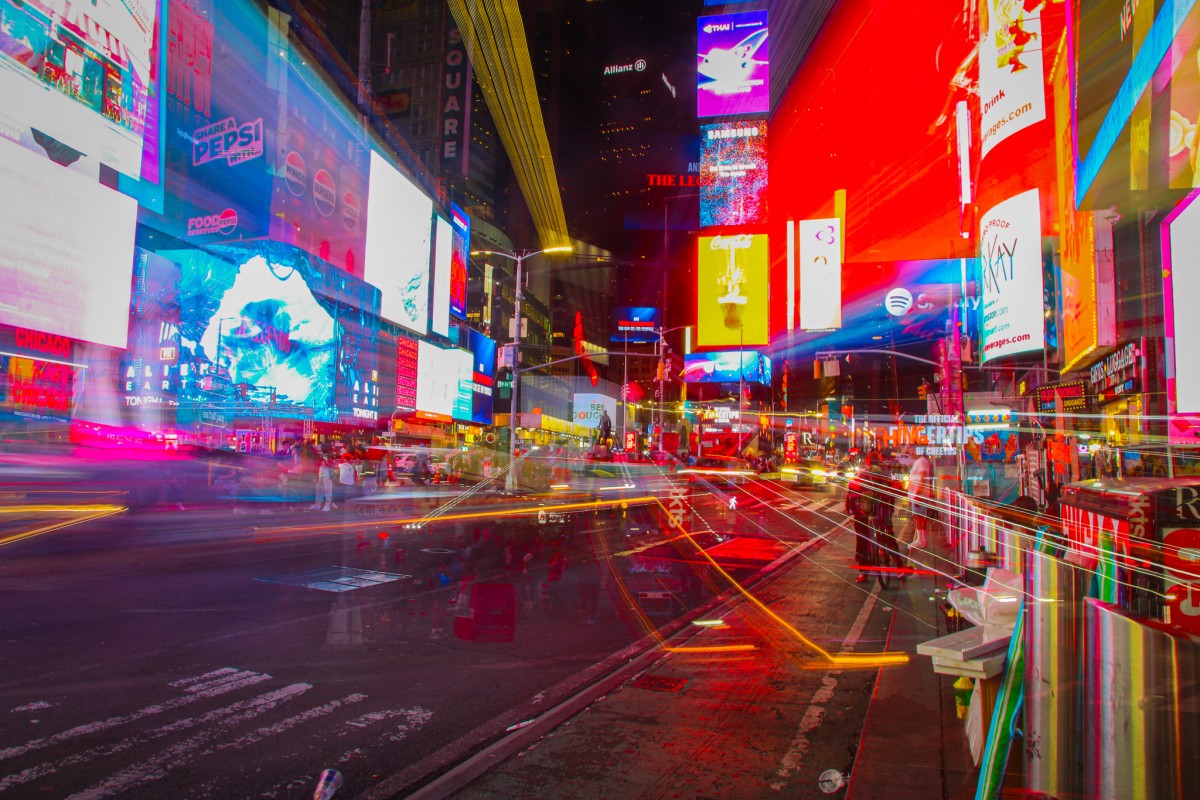
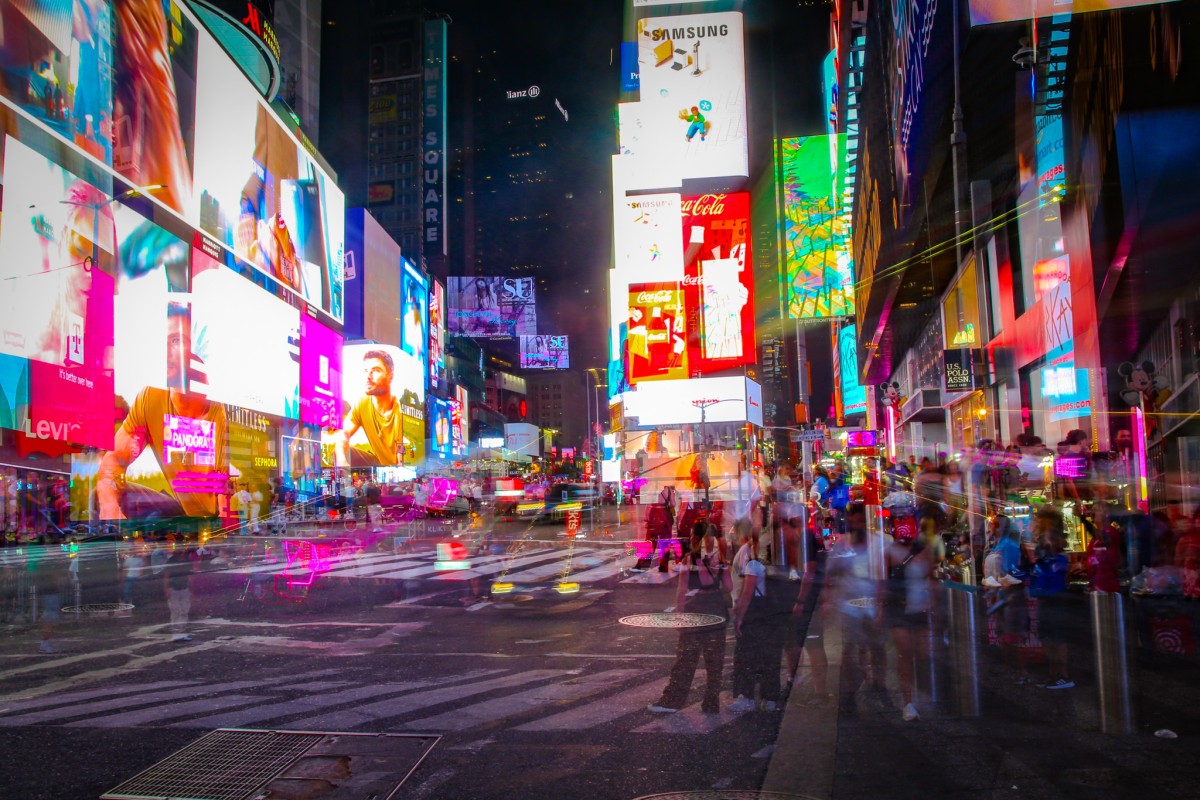
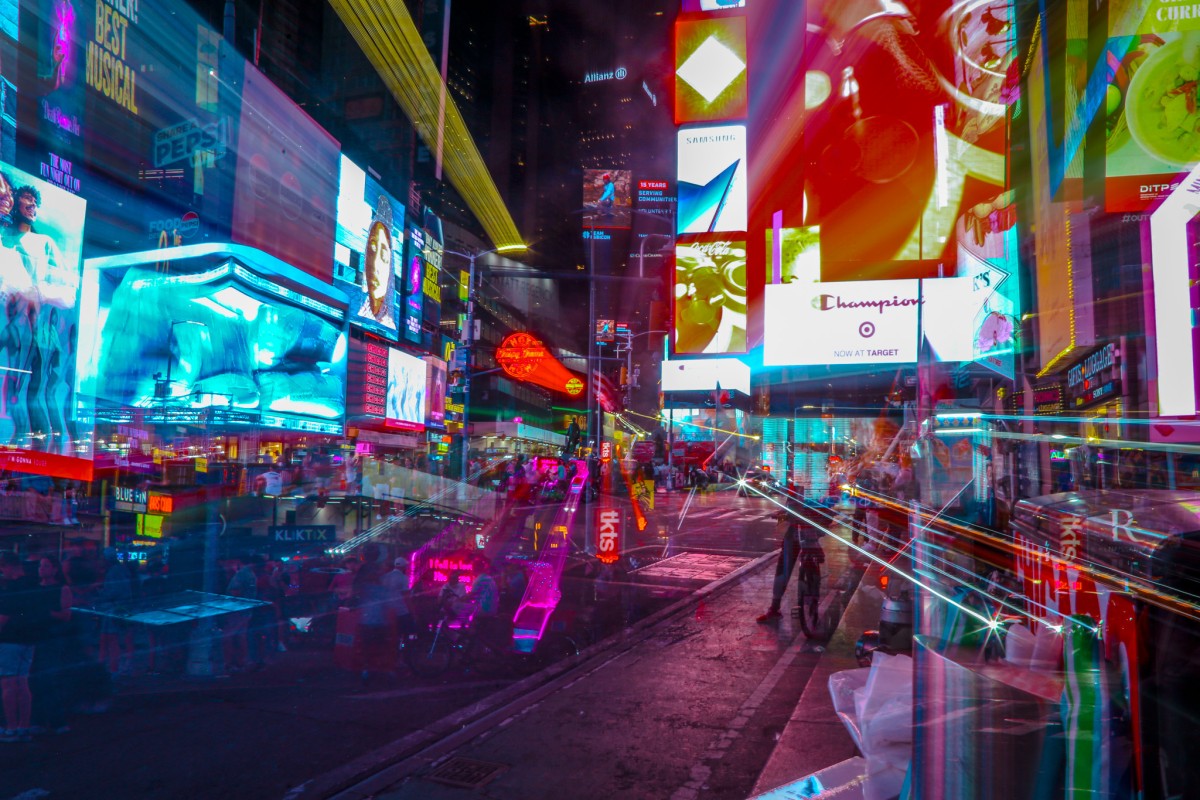
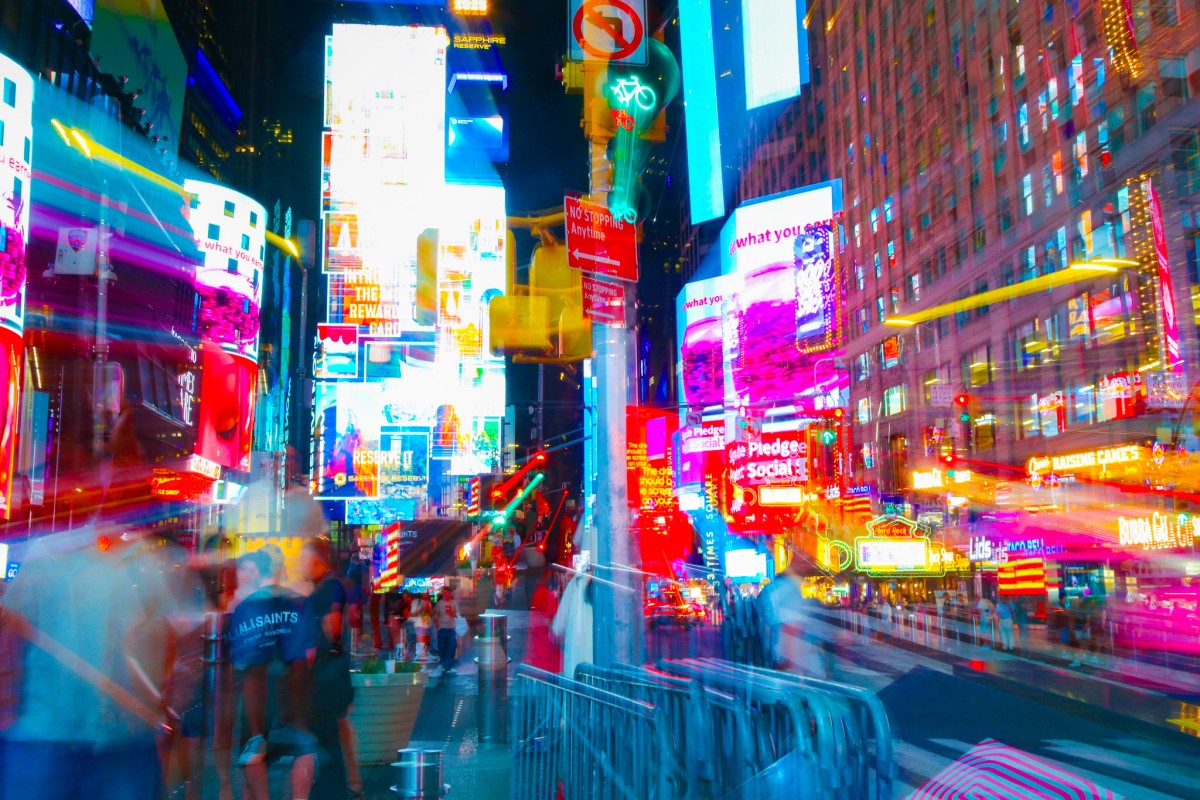
Movements and lights are predominant elements, enriching this photographic series visually. Taking as a reference...
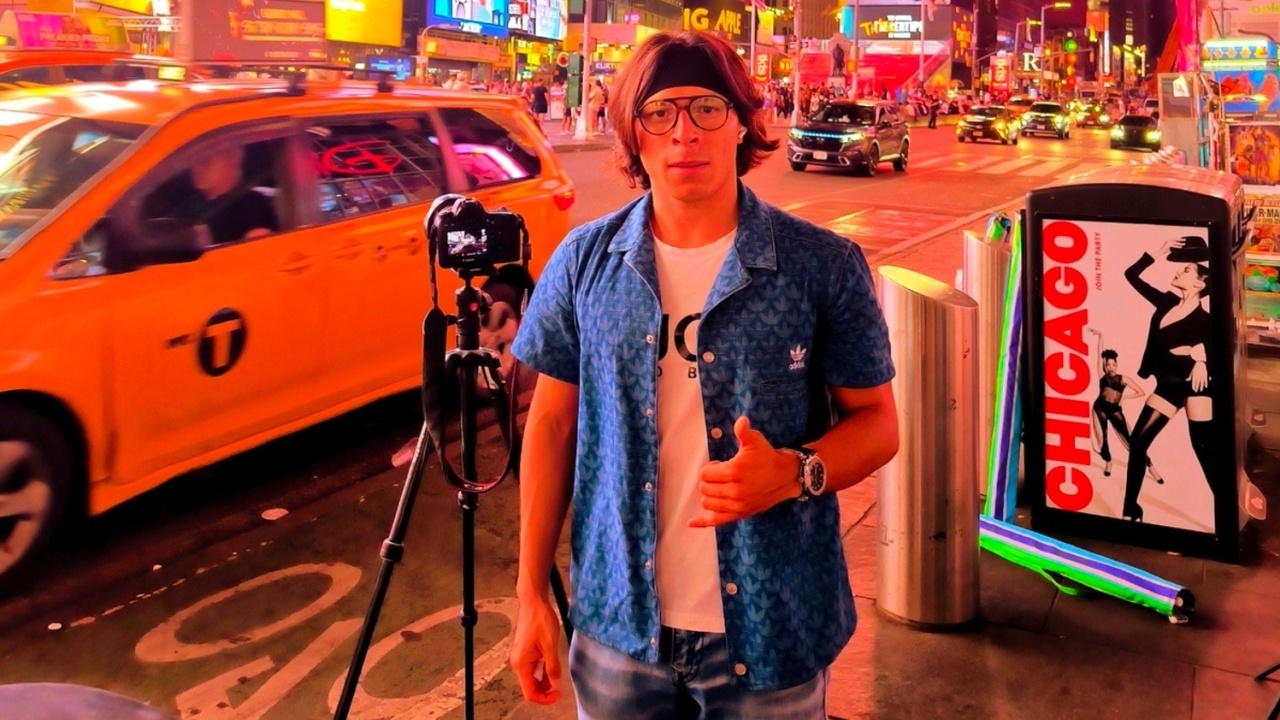
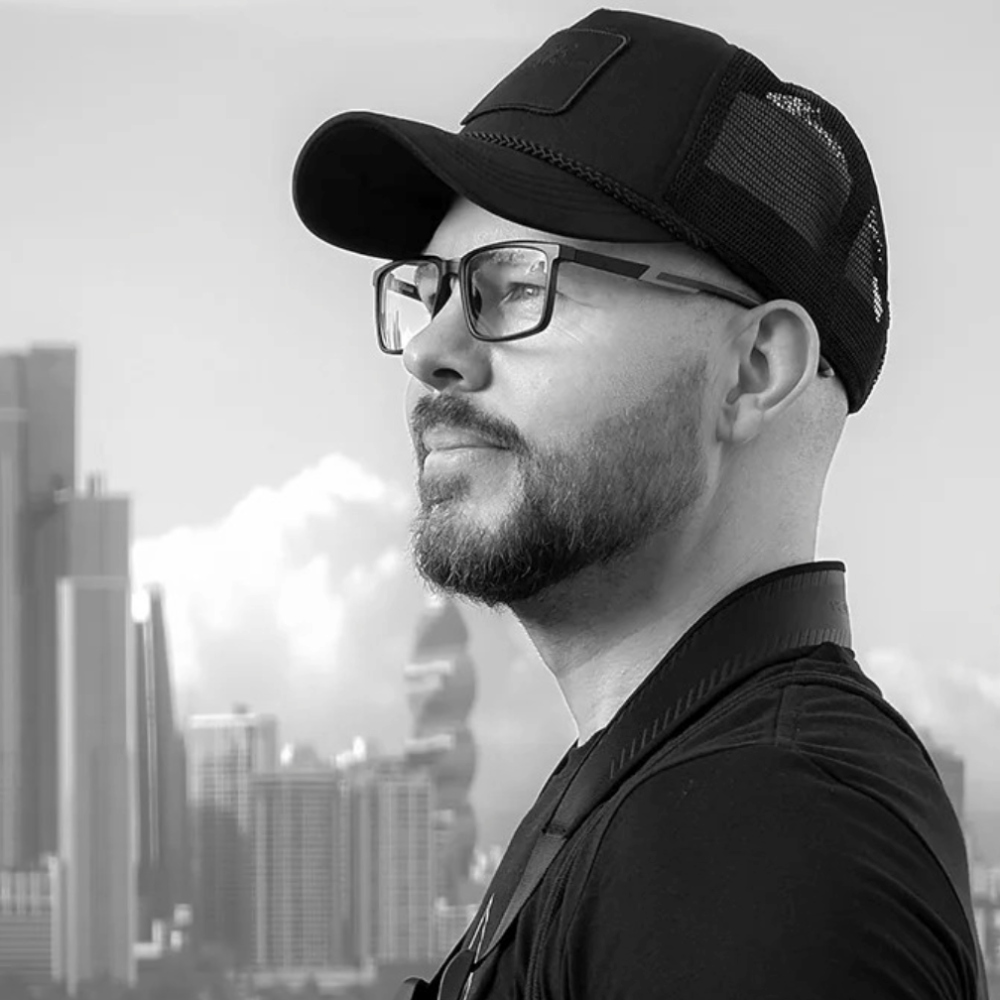
Victor Zuñiga is a visual artist and photographer whose practice evolved from documenting cities and architecture into an exploration of abstraction through motion and light. Influenced by travel and experimentation, his nocturnal images blur form and structure, encouraging viewers to read cities as living, shifting environments.
I was born in Ciudad del Carmen, an island in the state of Campeche, in southern Mexico. From a very early age, I began to consume a lot of movies and music; unconsciously, I think that was essential in making me a very visual person. I started experimenting with my first camera phone; the first photos I took were of the sunsets on that island, without knowing that it was a composition.
In college, I moved to the city of Puebla to study interaction design and animation. Around that time, I was given an amateur Canon camera. I remember that the exercises in a photography workshop at university allowed us to take photos of nature. I took it so seriously that I came back with a great photo of the Popocatépetl volcano, and from then on, I started photographing the landscapes of that area, the streets, and the city's cathedrals like crazy.
At that time, I used to go to nearby Mexico City to photograph different aspects of the city's architecture and visit the various art exhibitions that were constantly on display in its different museums.
During my last semester of college, I took the same workshop again for fun with another professor, an older person who was an artist. By then, I was already using a professional camera and had traveled to different countries to photograph architecture, streets, and landscapes on my own initiative. In this class, I experimented with a night technique I had discovered. It was an exercise in which we had to present something different, but it was open. I presented an abstract night photo of a city monument in which lights were visible everywhere, and they appeared double, like something surreal but well done.
At the end of the semester, the professor was the first person to recognize my work and my original ideas; it was unexpected for me because it was something I did for pleasure. She encouraged me to take it seriously, since I was not majoring in photography but was in the design department. Her words gave me a boost. Later, I moved to Toronto, Canada, for a semester, where I experimented with the night technique I had learned in the workshop months earlier at university in the different urban landscapes the city had to offer. Currently, I continue to use this technique at night in different places I photograph.
I went to New York for a film festival; before leaving, I made a daily list of places I had to visit to take photographs on my days off; Times Square was a must. I had seen the experimental short film by New York photographer William Klein, Broadway by Light, a French-American production (1958), in which the lights and neon signs of Times Square create a light show, achieving a powerful and unique visual aesthetic for that time.
I had in mind the futurist movement in photography, in which the brothers Anton and ArturoBragaglia were pioneers in this type of photography, which they experimented through movement at the beginning of the last century. Based on these two references, I knew I had to do something interesting with the nocturnal style I like to work with.
That day, I arrived at the iconic intersection at night, set up in the middle with my tripod and a good music playlist in my headphones, as I usually do. I worked until dawn, changing locations to capture different angles. Times Square is very dynamic, as the number of people passing by, the advertisements on the screens, the city's iconic taxis, and the neon lights change constantly.
There were so many elements to experiment with for the type of photo I wanted to take. I took about 700 photos during those hours. When I developed the photos, I did a very meticulous selection process and came up with a series of eight photos that I named Times Square in Motion, which I used to enter the contest. I am very grateful, as it is a pleasure and an honor for me to receive the Silver Winner award in recognition of my work in a photography contest that features talent from all over the world.
It is very symbolic for me to win for the first time at the New York Photography Awards with a photo series of such an iconic place in the world in the New York Photography – Abstract section. This broadens my horizons internationally and is motivating, but above all, it is a great reminder that there is still a lot of work to be done.
It's difficult to select a photograph to enter into a contest when you have so much material stored away; I think it's something you just feel. On this occasion, I had a series on different avenues in New York; from the moment I developed them, the ones I liked best were those in the Times Square series; I knew something was interesting about the composition of the photos, as they had a unique visual power and made me feel the moment.
Upon my return to Tijuana, the city where I live, I spent weeks organizing my photo folders and couldn't stop looking at the Times Square series. During those weeks, I made my selection, and that's how I decided to submit them.
At university, we were required to bring a camera to some classes, and that's where I learned to use it in manual mode. From there, I started experimenting on my own, but my first real introduction to photography had actually been with a cell phone camera because I was so curious about it. When I opened the camera, it was very new to me at the time, and I was fascinated by the idea of being able to store memories on my phone.
That's when I started framing my first shots intuitively, and landscapes were what I tried to photograph the most, although it's not the same as a normal camera. Once I learned the basics of how the camera worked, I haven't stopped to this day.
It's a very difficult question because I like landscapes in all their different forms: mountains, sunsets; likewise, architectural, street, and night photography. But right now, I would say abstract photography at night with long exposure.
I am fascinated by the elements in the streets that can play into your compositions, such as people, car lights, light poles, and experimenting with the speed and movement of the lens over a long period of time to achieve unexpected but very interesting results.
I always use my camera in manual mode for the long exposure night photography that I like to do, with an aperture depending on the lighting conditions on the street at that moment. I start from a range of ƒ/10.0 to ƒ/22.0, as I also manipulate the lens with the zoom movement. In terms of shutter speed, I start from 1.0 to 1.6 up to 4 seconds and a high ISO, I can start from 800 and increase it depending on the light.
This combination allows me to experiment with the different moving elements around the composition. However, in the case of the Times Square series, for example, I used the lowest ISO on my camera, 100, since the iconic street is lit up on all sides, in addition to being long exposure photos. My favorite function is shutter speed because it shows movement, and you can play with it as you like, depending on what you're specifically looking for.
I want the viewer to be able to perceive the vibe and atmosphere of each photograph in a dreamlike way, creating something more dynamic through movement, and giving them the feeling that they are not just looking at a static scene, encouraging them to seek meaning in the abstract. This also serves as a reminder that the life we are immersed in and the way we live it every day is like this, in constant motion.
As I mentioned in part of the second question, to get the series, I spent hours on the avenue with my tripod and my camera, but I would say that the most challenging part was choosing the right spot to set up. Times Square can be photographed from different angles, taking care not to get in the way because it is very touristy and there are people everywhere taking selfies and photos.
Once I set up on a corner, I waited for people and cars to pass by, elements that would enrich the photo in front of my frame. I did the same thing at different points, and the hours flew by with my music in my headphones. As dawn broke, the intensity of the people and traffic decreased, which made my work easier. In short, working for a long period of time like a ghost on an avenue like this, with a large crowd of people and cars passing by almost all the time.
I really like sunsets on the beach; the colors that appear as the sun goes down are incredible. However, right now, what attracts me most are nighttime cityscapes, definitely inspired by the surrealist movement.
It's a difficult question, as I have several references and couldn't single out just one as my greatest influence. I'll try to be brief. Art in all its forms has definitely influenced me, not just photographers. I really like the work of the surrealists. Dali was the first one I began to appreciate as a child. There was a replica of The Persistence of Memory in my living room, and I remember being very attracted to that landscape with the clocks, without being aware of what I was seeing or who the author was.
Remedios Varo and Leonora Carrington, of course, the universes you can appreciate in the paintings of these three are like a kind of lucid dream; their work is simply wonderful. The work of Mexican cinematographer Gabriel Figueroa strikes me as so refined for that era, as is everything he did in his career. Another great Mexican photographer, Manuel Álvarez Bravo, like his wife, Lola Álvarez Bravo, are great reference for me.
The French Henri Cartier-Bresson is, of course, one of my influences, but getting a little more into the subject matter that I currently like to work with, the Italian brothers Anton and Arturo Bragaglia, who were the pioneers of futurist photography that played with movement, as I have already mentioned as part of the justification for the Times Square series.
The surrealist visual artist Man Ray, who achieved visually interesting results with his light painting experiments, was a visionary for his time. In fact, I could mention more artists who have influenced me over the years, but in short, the work of the surrealists and photographers I mentioned has been fundamental and a great inspiration to me. Their work has helped me visually to develop the type of night photography I currently like to work with and thus create a particular style.
Work hard; it doesn't matter what type of photo you take, whether it's landscape, portrait, street, whatever category you specialize in, you can always do great work. If you are disciplined in your work, you will reach a point where a photo series or a single photo will convey something to you, like when you see a great painting in a museum and you can't take your eyes off it; when you feel that, enter the contest.
You may or may not be selected; if you don't make it the first few times, don't be discouraged, it's a call to keep working and keep trying. I've done it countless times in different competitions and wasn't selected; this was the first time I won something, and I'm very happy with the result. Being persistent and believing in your work is key.
Pick up the camera without hesitation, even if you have never taken a class; there are many tutorials online to learn how to use it in manual mode and different techniques. Experiment with everything that catches your eye until you get tired, whether it's landscape, portrait, street photography, whatever really moves you, without waiting for a class; this will help you define the type of photography you would like to specialize in and develop your own style.
Having a wide range of artistic references is essential; consuming art in its different forms will help you develop your own criteria and serve as a source of inspiration. I highly recommend consuming cinema, as you can gain a lot visually from it. There are many hidden references in films that, if you know how to appreciate them, can be very useful.
For example, in Pedro Almodóvar's film The Room Next Door (2024), the photography and visual design are inspired by the work of painter Edward Hopper; there are scenes that look like you're looking at one of his paintings. This is intentional, as they sought to evoke the artist's style. This is a clear example of how the director used this great painter as inspiration and reference for the photography and artistic style of his film project.
Going to museums to see works by different artists, appreciating them regardless of style, painters, photographers, sculptors, reading, listening to music, and appreciating architecture will help you develop broad criteria, an original style, and great sources of inspiration. If you are not one to visit museums, nowadays you can find information on any topic on the internet.
The more references you have, the better; you might start with landscapes and end up becoming a master of architectural photography. All of these are tools that will eventually be reflected in your work.
It depends on what I'm working on; for example, in landscape photography, I make basic adjustments such as contrast and shadows, perhaps removing small elements that cause distraction. In night photography, I like to work on color grading and create a vibrant atmosphere and narrative with the color palette; I remove noise for photos with very high ISOs, depending on the elements in the frame; as with landscapes, I remove small elements that may cause distraction.
But to be honest, I only do this if I feel it's necessary; sometimes the photo itself has a lot of visual impact and may only need a basic adjustment of contrast and shadows. When developing them, I analyze which photos I need to work on more.
As Marshall McLuhan, the prophet of the digital age, rightly said, technological media are extensions of human beings, and the message of the media is the impact they have on society on a large scale. Decades ago, he predicted the revolution we would experience with the internet and the impact it would have on society, which inevitably led to the emergence of social networks, for example.
When mentioning AI, it is impossible for me not to remember these concepts, as they still apply today. AI is already present in all industries around the world. I think that in photography, it can be a positive thing in certain ways, particularly if it makes certain post-production tasks easier, which might take time, with just one click. This is obviously very positive in terms of optimizing your workflow, and I am interested to see what new developments are coming out and what they will bring us in the future, in that sense, as well as the new advances they will bring to photographic equipment.
Currently, there are already images that have been generated and modified in a deceptive way that people may believe to be original, and this is where I think it is controversial. However, there are things that AI cannot replace, such as passion, creativity, authenticity, and the artistic sense to create through the emotions and inspirations of the photographer.
The Shibuya intersection in Tokyo at night, the northern lights, some tribe in Africa, and if it were a person, Yayoi Kusama, in an interesting way inside her large Infinity Mirror Room installation. I mention these options because it is impossible for me to say just one thing; any of these options, although they are different styles, would fill me with great satisfaction to be able to work on them.
Explore more by clicking here to read about Rene Kuipers: Classical Light in Contemporary Portrait Photography.