Landscape of Time: Regenerating a Forgotten Terrain
Located within the Suffolk Coast and Heaths Area of Outstanding Natural Beauty, the Sizewell region...
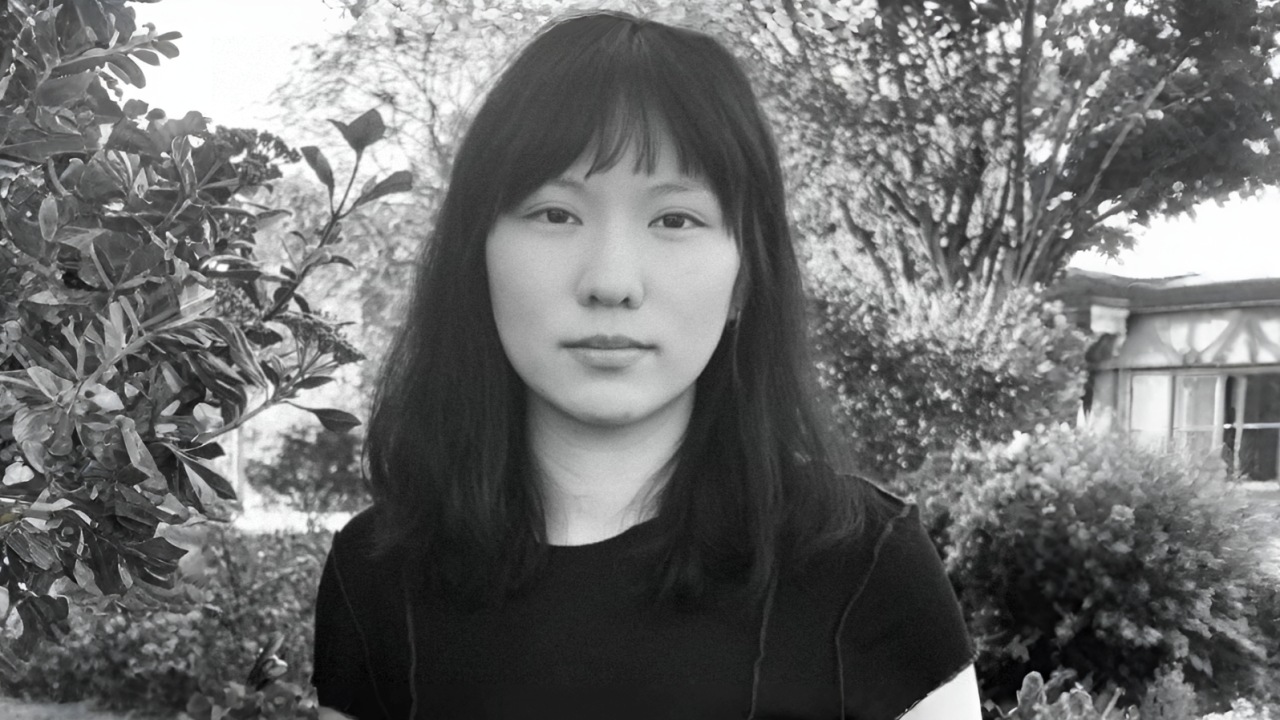
For Chuan Liu, every site carries traces of forgotten rituals, shifting ecologies, and layered histories waiting to be interpreted through design. Her landscapes bridge functional modern needs with emotional resonance, creating environments that balance stillness, movement, and the relationship between people and place.
I was inspired to submit these projects because they both explore the balance between contrasting environments—whether it’s industrial infrastructure meeting nature, or a quiet retreat within a dense city. I wanted to see how these localized design challenges would resonate on an international stage, and winning these awards is a great validation of that global relevance.
The defining vision is about navigating contrasts. For the Suffolk coast project, it was about connecting industrial infrastructure with ecological memory to create a 'memory-scape' that evolves over time. For the Nanjing project, it was about creating a 'porous urban retreat'—a rhythmic island of calm within a dense, high-speed city. Ultimately, the vision is to design landscapes that don't just exist as spaces, but as connective systems between nature, history, and modern life.
What inspires me is the ability to work with 'living' materials: time, water, and shifting vegetation to solve complex modern challenges.
My goal is to design landscapes that work as living systems. My studio is interested in the balance between contrasting environments—whether that’s integrating nature into industrial sites or creating a quiet retreat in a busy city.
The constraints of the sites. Balancing industrial safety with ecology, or noise control with openness. These limits actually pushed the design to be more creative.
I look for the 'hidden' stories, like the shifting tides at Sizewell or the old urban rituals in Nanjing. From there, it’s a process of sketching and testing how to balance these memories with modern functional needs, moving from conceptual mapping to the final tactile details.
Resilience, memory, and ritual.
The most meaningful feedback was hearing that the projects felt 'deeply rooted' in their locations.
This recognition is a powerful validation of my approach to resilient landscapes. It proves that designing for complex industrial and urban contexts has a global resonance. For me, it’s a significant milestone that motivates me to keep pushing the boundaries of landscape architecture to solve modern environmental and social challenges.
This award is a significant milestone that expands the reach of my design philosophy. It provides a global platform to tackle even more complex environmental and urban challenges. Moving forward, it motivates me to continue integrating 'living systems' into infrastructure-heavy landscapes, proving that resilient design can be both functional and poetic on a large scale.
I dream of a 'productive infrastructure' project, transforming decaying industrial sites into self-sustaining energy and food parks. It inspires me to move beyond aesthetics, turning landscape architecture into a vital, functional system that addresses both climate resilience and community needs.
The future is about performance-driven landscapes. Architecture will focus less on style and more on climate adaptation. I want to contribute by designing 'living infrastructure', spaces that function as carbon sinks and water filters while still serving as vital social hubs.
I see my designs as 'nature-based solutions' that replace static concrete with living systems. By integrating carbon sequestration and natural water management into the urban fabric, my work proves that high-density cities can coexist with healthy ecosystems. It's about making sustainability a functional reality, not just a label.
I would design a global network of ecological corridors that reconnects fragmented habitats across continents. Imagine infrastructure—highways, bridges, and dams—fully integrated with migration paths and water filtration systems. It’s the ultimate challenge: erasing the boundary between human civilization and the wild to create a truly balanced planet.


Click here to read about Ron Van Leeuwen and the Future of Residential Architecture with Kokon Architectuur & Stedenbouw.