The Reach of an Inch
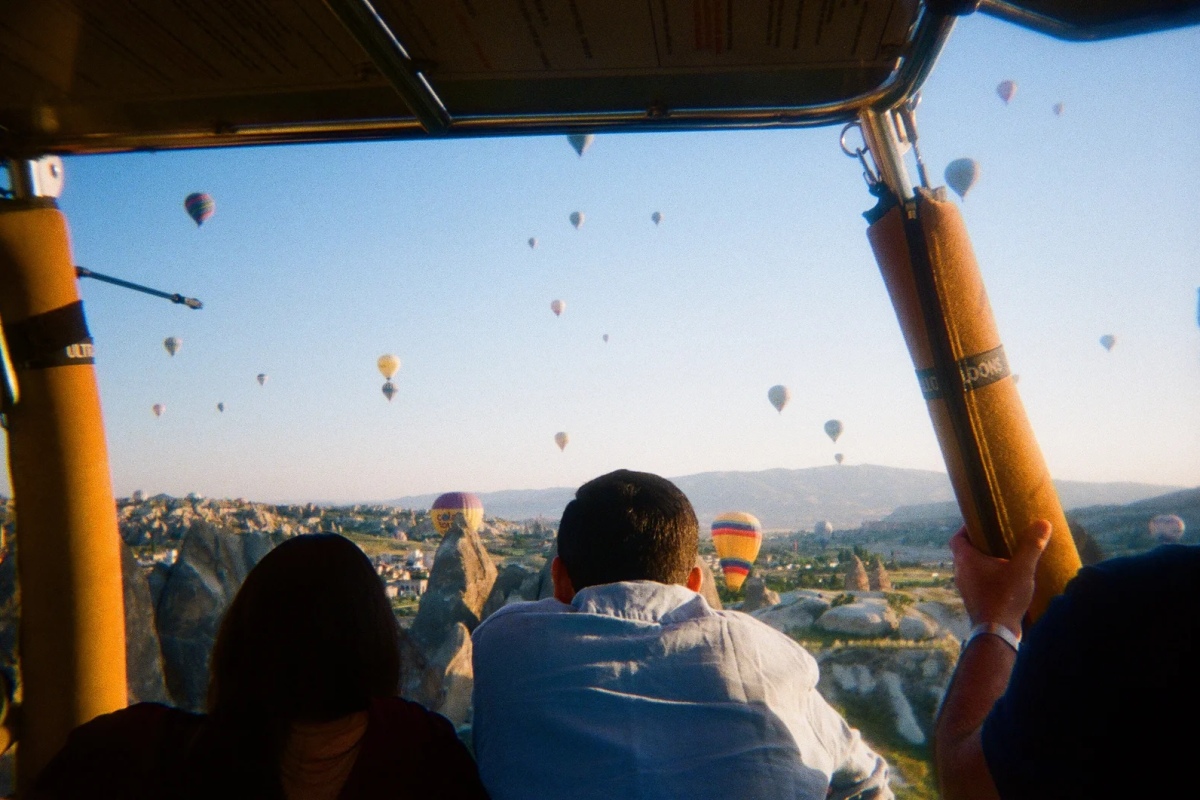
Framed by the rugged textures of a balloon basket, two silhouettes sit on the edge...
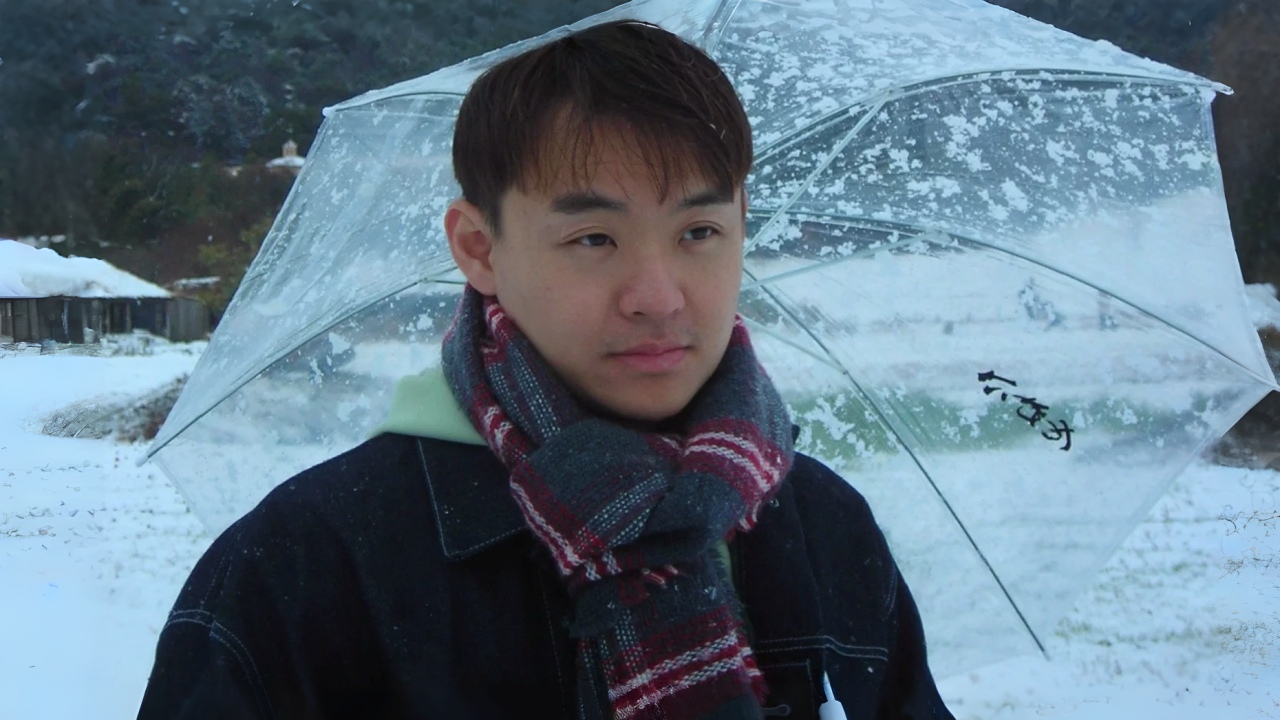
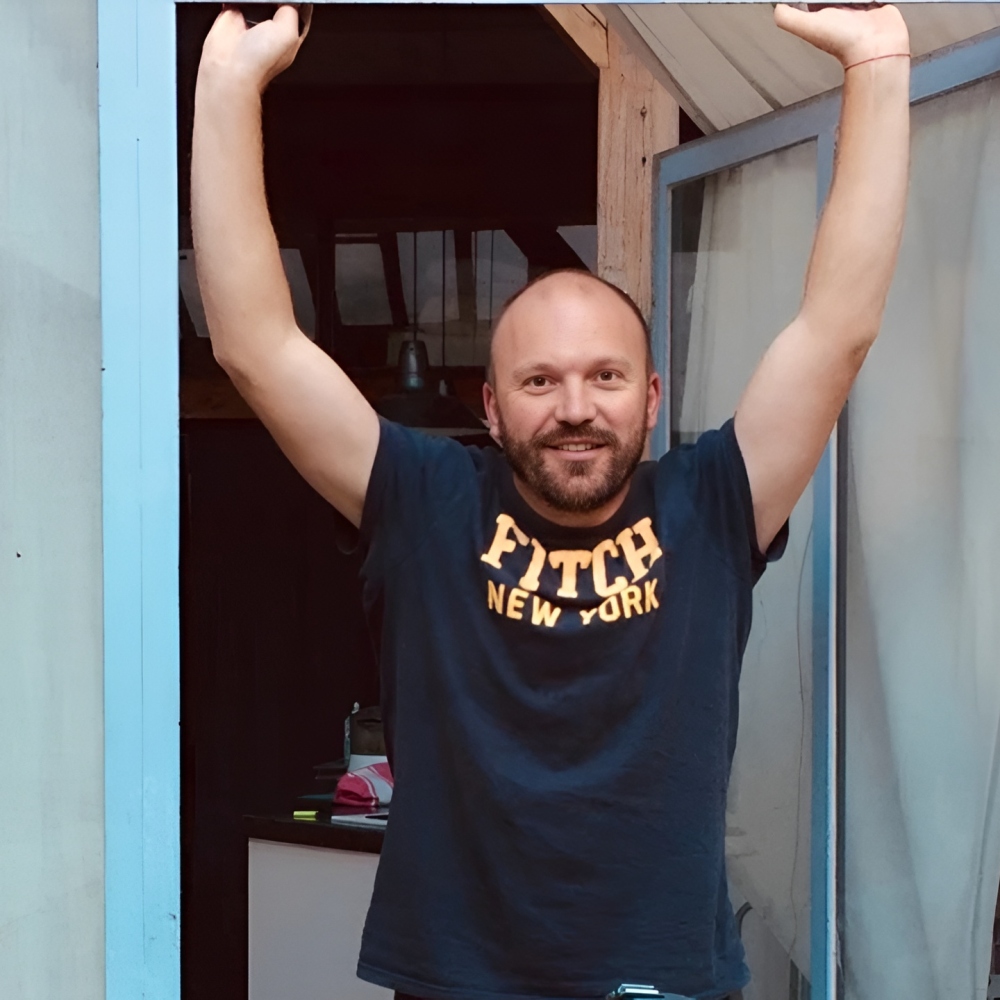
As an architectural designer and freelance florist, Chin Ming Lam brings a unique perspective to photography, where space and human presence are equally essential. His images honour brief, unrehearsed moments that reveal the quiet relationship between people and their environment.
I am an architectural designer as well as a freelance florist. With my architectural background, I possess a deep professional appreciation for form and space. My personal photography philosophy is rooted in the "instant moment"—the singular, unreproducible slice of time that occurs only when a human enters the frame. I believe that if a moment can be witnessed by anyone, it doesn't need to be captured.
A photograph only gains its soul through human activity, capturing the intricate relationships between individuals, their environment, and their internal selves. My work serves as a vital record of spontaneous interactions, turning the camera into a tool for honouring the ephemeral.
“The Reach of an Inch” was born during a hot air balloon ride over Cappadocia. While the vast sky was filled with dozens of balloons, my attention was drawn to a couple – I supposed they were a couple – standing right in front of me. I instinctively felt a beautiful, quiet romance in that exact composition, so I captured it.
When I looked at the result, I immediately knew it had caught something special. There was an undeniable, evocative warmth to it that gave me a deeply pleasant feeling every time I looked at it.
This was actually the very first photography competition I had ever entered. As a newbie to photography, I have always trusted my eye and my instinct behind the lens. Winning a gold award is incredibly validating. It feels like an amazing start to my journey, and it gives me a tremendous amount of courage to continue trusting my vision and capturing those precious moments.
Choosing which piece to submit was a tough decision, especially when factoring in the financial investment of entry fees and the challenge of finding the perfect category.
I reviewed dozens of my past works. When a photo gives you a certain feeling, you just know it's the one to go for. Ultimately, I chose this specific photograph because I wanted to share a truly singular moment with the audience. Beyond being technically sound, it is emotionally fulfilling.
I can’t recall a single moment that made me pick up a camera. I guess, like most people, my journey started casually, through trial and error using a smartphone—simply trying to capture whatever caught my eye.
My favourite type of photography is street photography, specifically because it allows me to focus on the utter uniqueness of human activity. I love capturing the entire spectrum of human presence—from the dynamics of a large crowd down to the subtle, solitary gesture of a single person.
Every candid moment on the street hints at a hidden story waiting to be revealed. The act of guessing is deeply intriguing. I believe that for a photograph to be truly good, the element captured by the photographer in that single frame must possess the power to tell a story all on its own.
The camera I recently use the most is the Canon PowerShot SX620 HS digital camera, which I found at home. It belonged to my father. I found it nostalgic yet automatic and easy to use. light in weight.
I have a deep appreciation for interesting and unexpected compositions, and I use them to draw people in. Ultimately, when someone looks at my work, the one thing I want them to feel is a sense of curiosity. I want them to stop, look closer, and wonder about the story unfolding in that exact moment—to feel captivated by the mystery.
I think the most challenging part of capturing this shot was the terrifying possibility of missing the opportunity entirely. I hadn't planned or prepared for that specific moment. The world in front of me had already arranged the perfect setting—the lighting, the background, the human element. The challenge wasn't in creating the scene, but in having the presence of mind to notice it, react instantly, and capture it before it vanished forever.
I am deeply inspired by the experience of kayaking. I completely fall in love with the feeling of being entirely alone in the middle of the sea—just lying back, floating, and listening to the rhythmic sound of the water.
In a world that is constantly moving and filled with noise, being out on the open water brings me a sense of profound clarity and stillness. It is a rare moment where I am fully present in the environment. That quiet solitude resets my mind.
Rather than pointing to a specific photographer, my biggest influence comes from a lesson that shaped my entire approach to art. When I was in primary school, I entered a drawing competition themed around “protecting nature". I drew a beautiful bird, which is already considered the best in my class.
However, my visual art teacher stopped me and said words I will never forget: "Everyone can draw a bird. What makes you outstanding is the meaning your artwork gives to your audience." That was a defining, eye-opening moment for me. It completely shifted my perspective.
Since then, whether I am painting, designing architectural spaces, or taking photographs, my goal is never just to capture something visually pleasing. I always ask myself what story or deeper meaning I am trying to convey. It is the reason I seek out the unrepeatable human moments in my photography today.
Entering a photography competition is an incredible opportunity to showcase your personal philosophy to the world. A powerful photograph can speak a thousand words, which is more impactful than a long paragraph of text.
My advice to anyone looking to excel is to trust your own unique way of seeing the world. Focus on finding that singular, meaningful story within your frame. If an image can make an audience stop, feel something, and wonder about the moment you captured, it will naturally stand out in any competition.
My mom recently picked up photography. I have been telling her to try not to capture everything she sees. But I believe you should first witness and appreciate the world with your own eyes—which are, after all, the best camera you will ever own. Learn to truly experience a moment first. If you train yourself to see and feel the depth of a scene with your eyes, you will know exactly when it is the right time to lift the camera and take the shot.
I never do editing because I mainly take photos for myself as a daily record and I am lazy to do so.
It is hard to tell whether an image is real or AI-generated today. However, I believe that the source material for AI is always reality; just as our dreams are built from things we have already seen, AI can only create from what already exists.
AI can generate a flawless image, but it cannot live through a moment or experience the genuine emotional tension between two people. I hope that the raw beauty of reality, paired with the infinite depths of human imagination and lived experience, will always stay one step ahead of technology.
Without a doubt, I would photograph my girlfriend as much as possible. She is the most important person in my life. Frankly speaking, the rest of the world doesn't need me to capture it—as my philosophy dictates, if a moment can be witnessed by anyone, it doesn't need to be captured by my lens.
However, every single fleeting moment with her holds immense, irreplaceable value to me. It is an unrepeatable history that belongs solely to us. I actually keep a dedicated photobook where I store all of our photos, chronicling our life together.
Check out The World Through Andre Magarao's Lens: From Film Photography to Global Action by clicking here.