Ground Without Ground
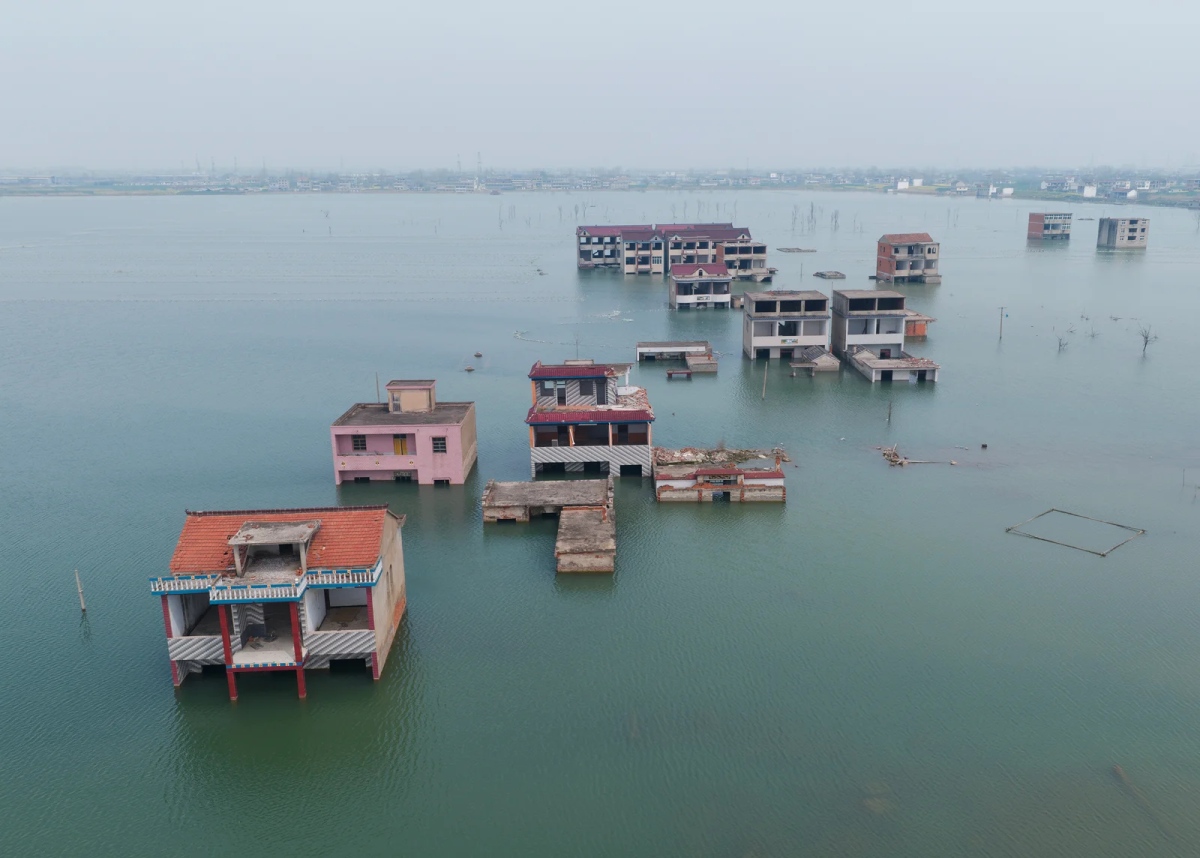
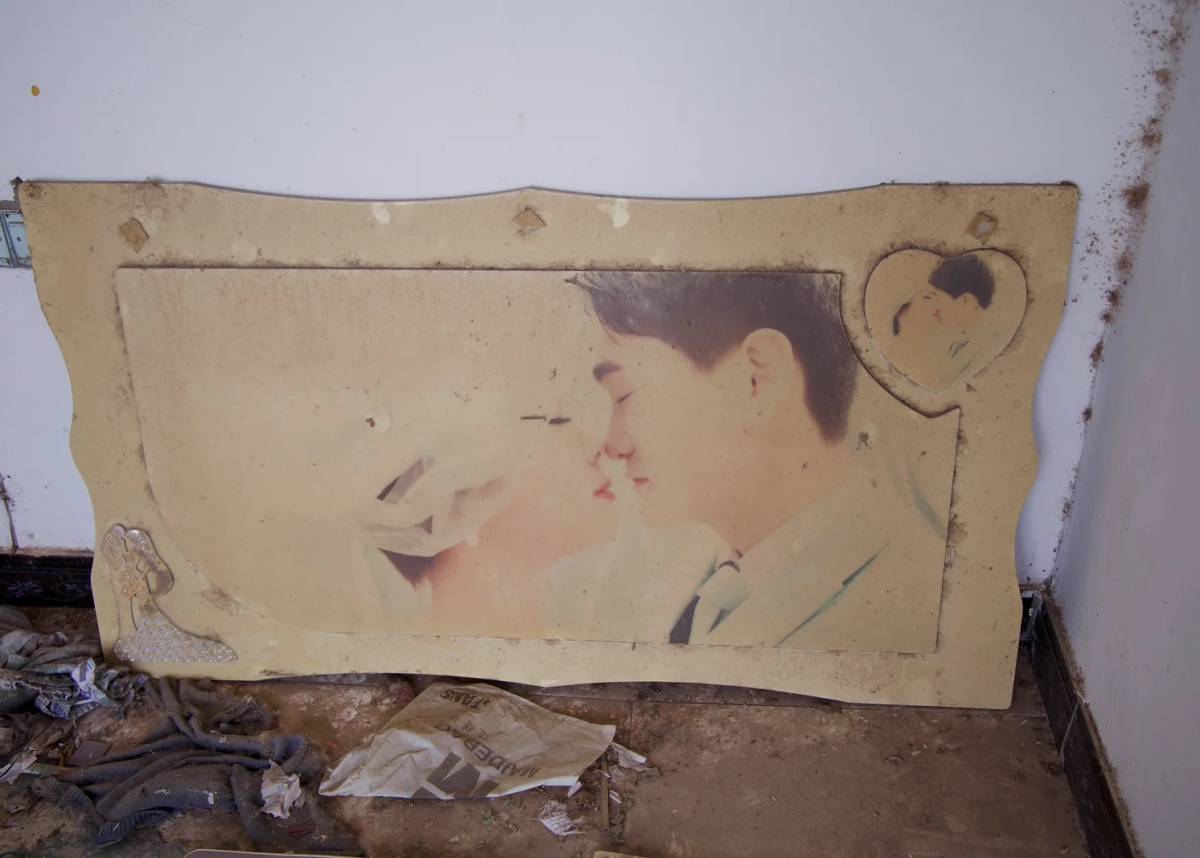
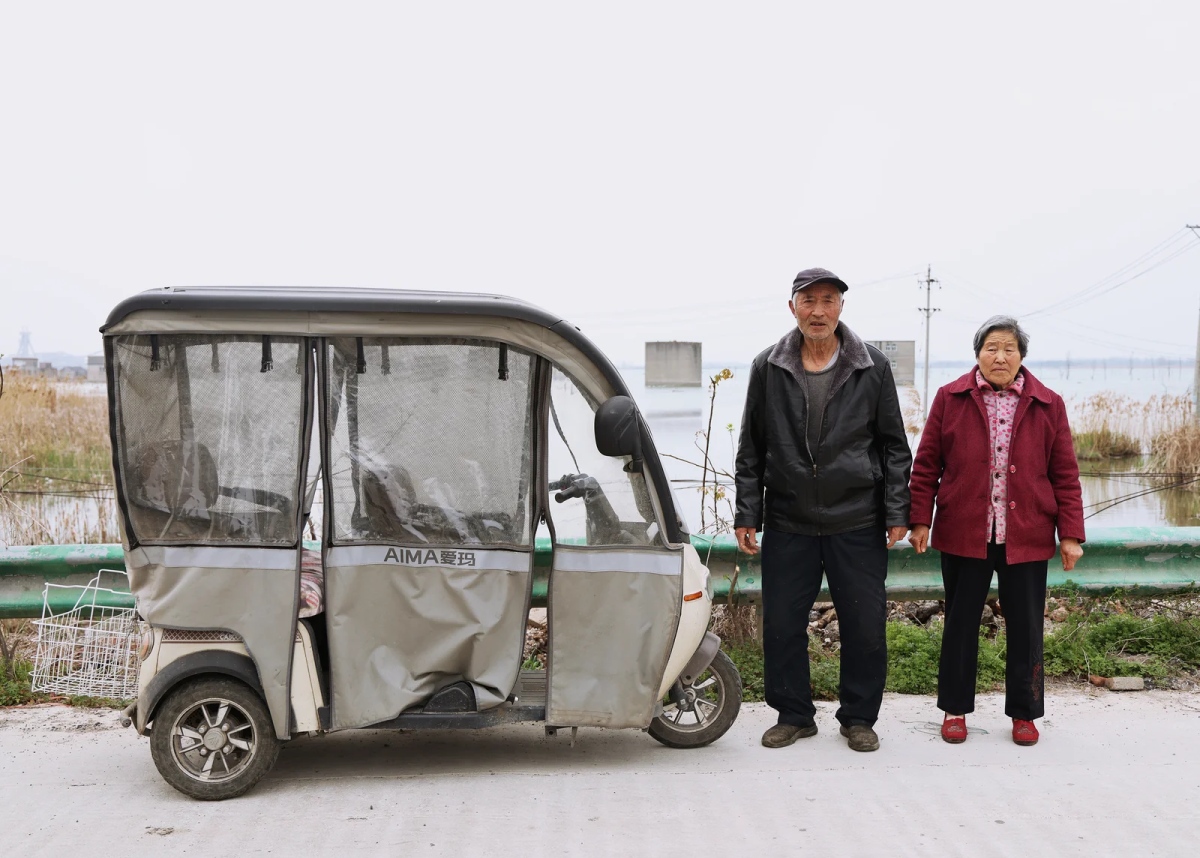
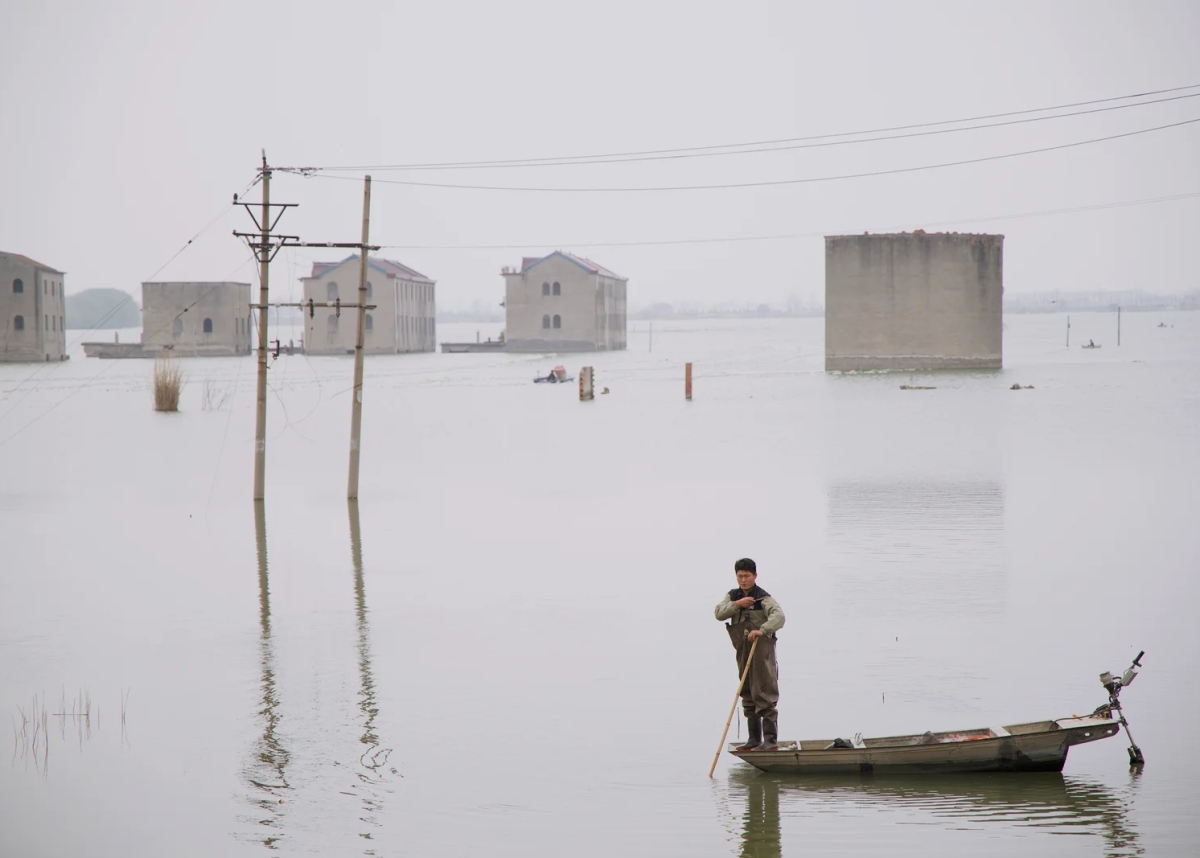
The series documents a rural area in Yingshang County, Anhui Province, where long-term underground mining...
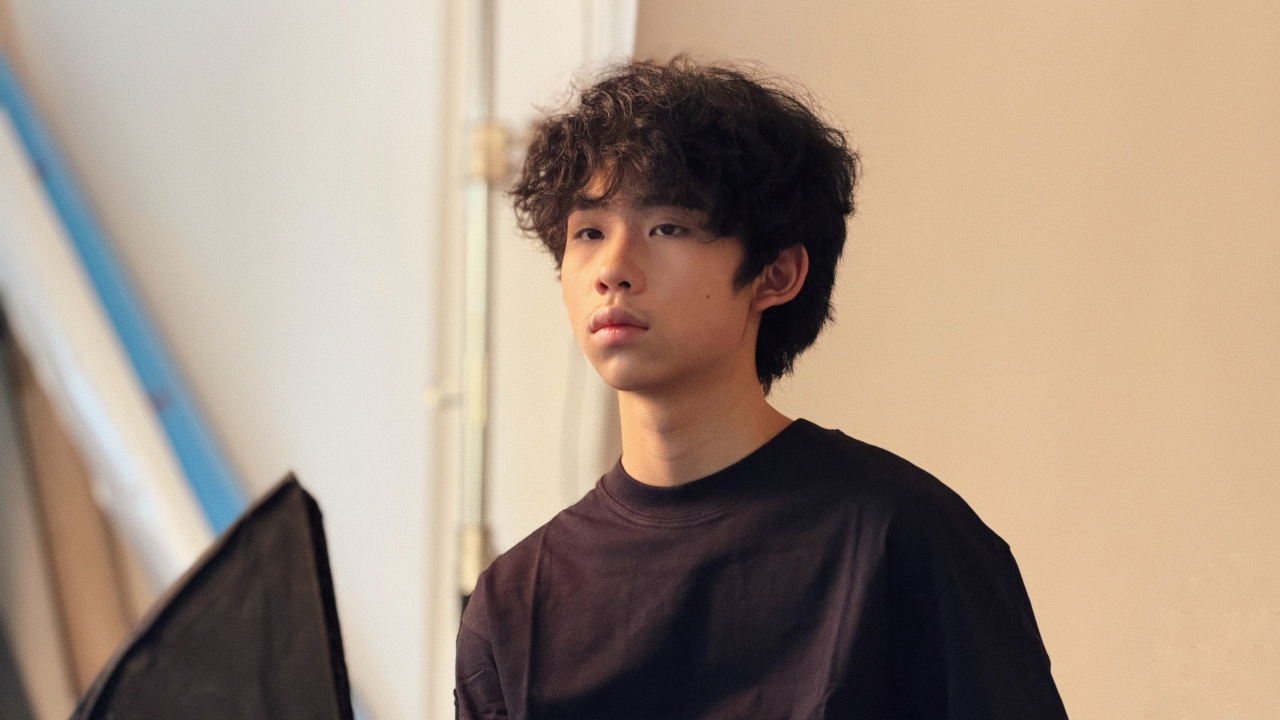
Yuchen Peng is a young Beijing-based photographer whose interest in visual arts has developed into a dedication to contemporary documentary photography. Through long-term projects, Yuchen uses the camera to examine everyday life and social realities, treating each photograph as a record of a particular moment in time.
Thank you so much! I am Yuchen Peng, a 15-year-old photographer based in Beijing, China. Growing up in an environment rich in visual arts, I was naturally drawn to the power of images. My journey evolved from randomly capturing the aesthetics of the daily world to embarking on rigorous, long-term documentary projects. Over time, I realised that photography is not just about catching a beautiful moment; it is a vital tool for social observation and historical archiving.
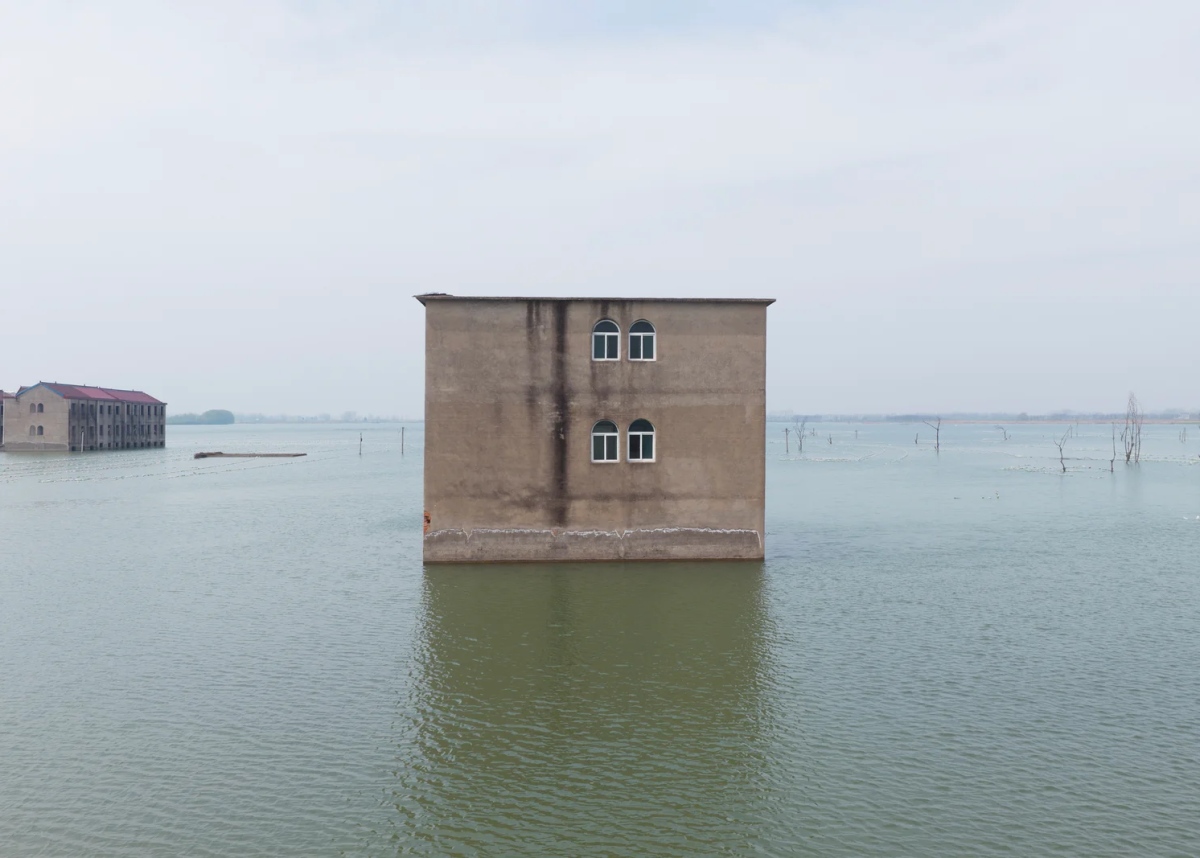
My project, "Ground Without Ground," documents the coal subsidence zones in Yingshang County, Anhui. Decades of intensive underground mining caused the earth to sink, allowing groundwater to swallow entire villages.
Winning this award in London is deeply encouraging. It proves that a regional ecological crisis in rural China, when observed with genuine empathy and professional dedication, can transcend geographic boundaries and resonate with an international audience. It validates my path as a young visual researcher.
I look for images that strike a balance between a powerful conceptual narrative and a disciplined visual structure. For a documentary series, individual photos must hold strong aesthetic weight on their own, but they must also function like chapters in a book. I choose images that raise questions rather than just provide answers, leaving room for the audience to ponder.
I have loved archaeology and museums since childhood, and I feel that the camera is somewhat like an archaeologist's tool, anchoring time in place.
My favourite genre is contemporary documentary. I love it because it demands patience and intellectual rigour. It requires the photographer to act like an anthropologist—spending time in the field, analysing and translating complex social realities into a refined visual language.
My go-to setup is the Canon EOS R5 Mark II paired with the RF 24-105mm F4 L IS USM lens. The 45-megapixel sensor of the R5 Mark II delivers exceptional resolution and dynamic range, which offers immense flexibility for precise post-processing adjustments. The RF 24-105mm F4 L lens is incredibly versatile, seamlessly spanning from 24mm wide-angle environmental storytelling to 105mm telephoto humanistic close-ups. In the field, this eliminates the need for frequent lens changes, allowing me to fully immerse myself in observing the environment and capturing fleeting emotions.
My favourite feature is the camera's powerful Coordinated Image Stabilisation (up to 8.5 stops), combined with its outstanding low-light autofocus and dynamic range. Many of my scenes are captured during the "magic hour" (dusk or dawn) or under complex, dim lighting conditions. The reliable stabilisation and autofocus liberate me from the constraints of a tripod, enabling me to shoot handheld in the most intuitive and lightweight manner.
I want them to feel a sense of "quiet tension." I do not want to evoke cheap sentimentality or dramatic shock. Instead, I hope the viewer feels the heavy, surreal silence of a disappearing homeland, prompting them to reflect on the fragile equilibrium between modern industrial expansion and nature’s reclamation.
The psychological distance. Standing before a vast lake that used to be farmland and ancestral homes was emotionally heavy. The challenge was to restrain my emotions and maintain a "deadpan," objective aesthetic. I had to resist the urge to make the images overly dramatic and instead let the silent, surreal geometry of the half-submerged houses speak for itself.
Currently, landscapes in transition inspire me the most—places where human footprints are actively being erased or altered by environmental shifts. The rural landscapes of Anhui, with their complex layers of history, rapid industrialization, and ecological resilience, serve as my primary canvas and endless source of inspiration.
My deep obsession with archaeology and museums since childhood has, I believe, profoundly molded my photographic vision. Archaeology has shown me how to find grand narratives within tiny fragments and details, and inspired me to look at the world with an almost meditative gaze, using the camera not just to record a moment, but to archive the time.
Participating in awards is not about seeking validation through a trophy; it is about throwing your voice into a global dialogue. My advice is to dig deep into your own local reality. Do not chase exotic or trendy subjects. The most powerful stories are often found right under your feet, waiting for a unique, disciplined eye to uncover their universal significance.
Put down the gear guides and pick up a book on history, sociology, or philosophy. Technical mastery of a camera can be learned in a few weeks, but developing a unique eye and a meaningful worldview takes years. What matters most is why you press the shutter, not how expensive your camera is.
In documentary photography, integrity is paramount. For me, post-processing is strictly limited to restorative adjustments—managing contrast, exposure, and color temperature to match the atmospheric reality of the scene when I shot it.
Read how Junichi Shimono Discusses the Beauty of Authentic Moments, The Inspiration Behind His Photography in this link here.