Mantle of Landscape
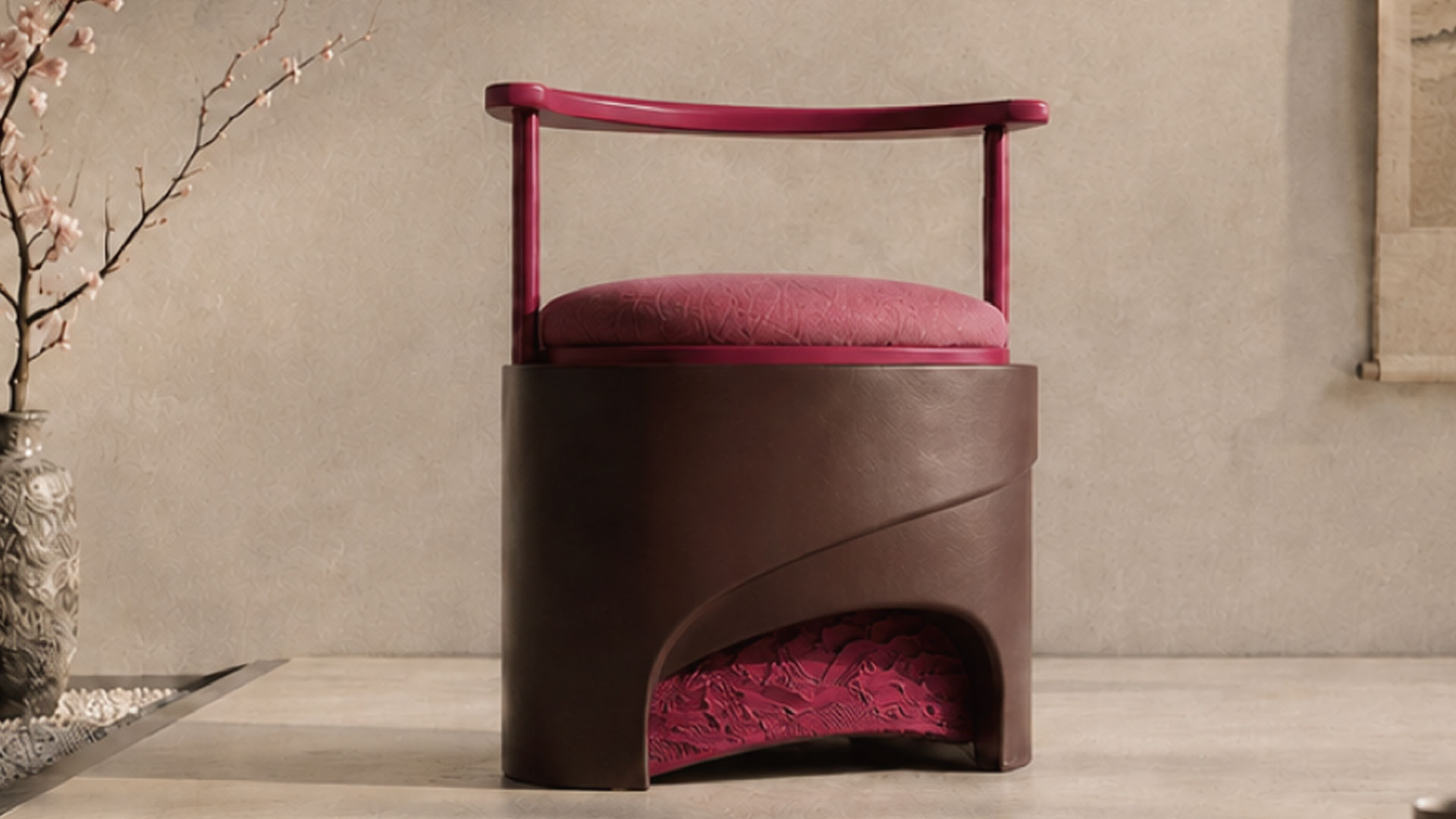
Mantle of Landscape is a sculptural chair that explores the dynamic relationship between external structure...
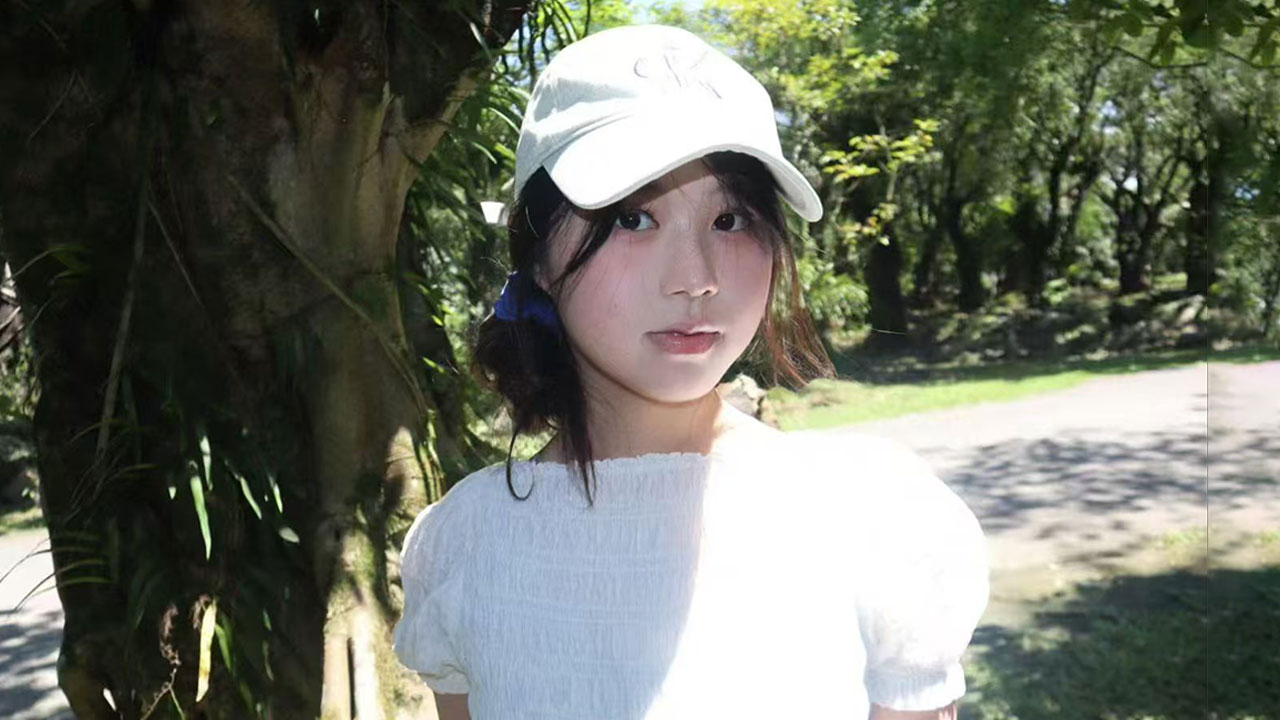
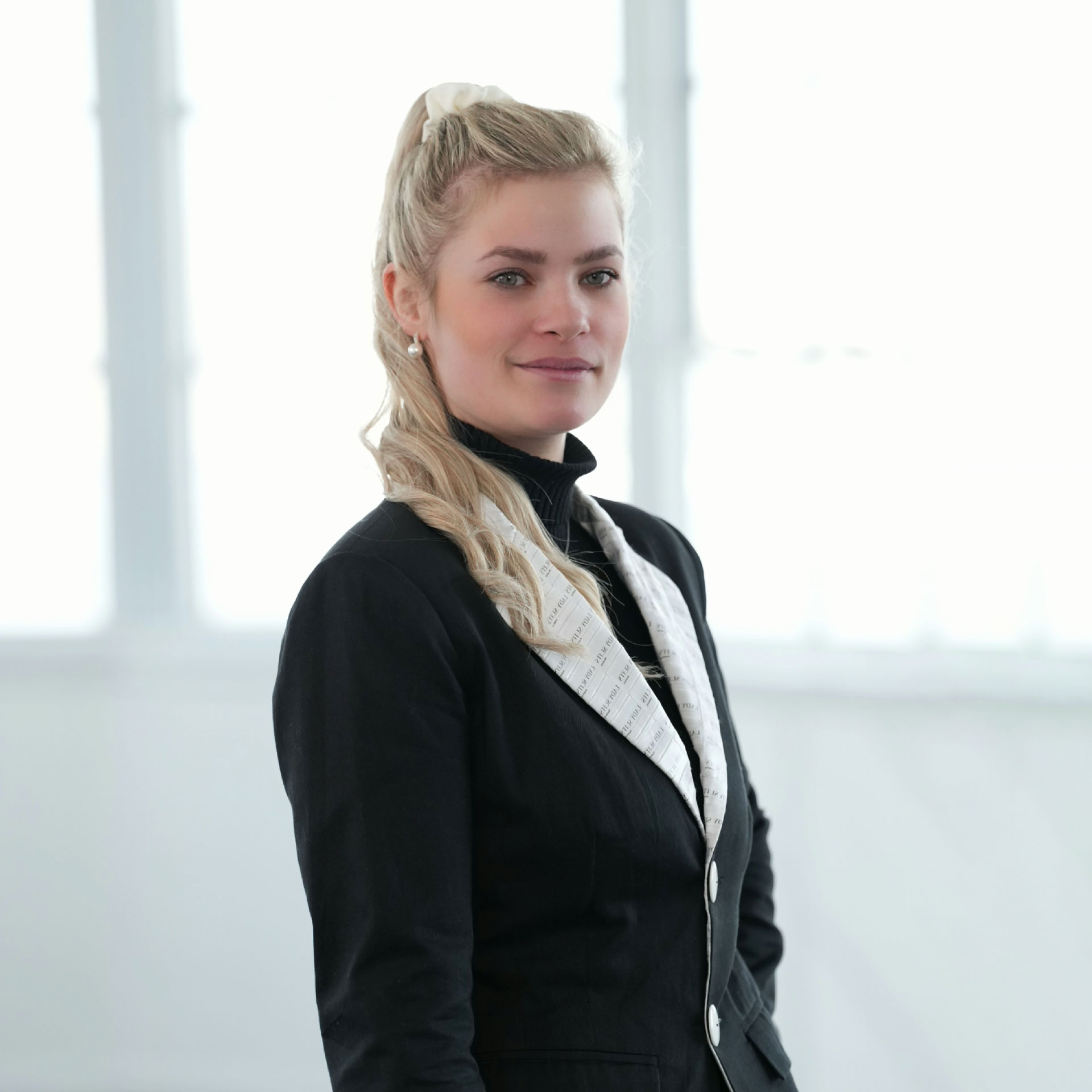
Yuxin Sun is an emerging designer exploring the relationship between objects, people, and their surroundings, with a practice shaped by cultural memory, everyday experiences, and contemporary furniture design.
Thank you so much. I’m currently a university student studying design, and I’m still in the process of discovering my own design language and exploring what kind of designer I hope to become in the future.
What inspired me to choose design is my curiosity about how everyday objects can influence the way we experience our surroundings. I’ve always been interested in how a simple object can carry emotions, cultural memories, and personal stories. For me, design is a way to observe the world, experiment with ideas, and turn those ideas into something tangible.
My award-winning work, Mantle of Landscape, is also an exploration of this idea. Through furniture, I wanted to rethink the relationship between objects, people, and their environment while incorporating elements of traditional culture into a contemporary form.
As a student, I’m still learning and experimenting, and that is what makes the process exciting for me. Winning the MUSE Design Awards is a great encouragement. It gives me more confidence to continue exploring, making mistakes, and finding my own voice through design.
I hope that in the future, I can create designs that are not only visually interesting, but also bring people new emotions, experiences, and ways of seeing the world.
Being recognized means a lot to me, especially because I am still a university student and have so much more to learn. This award is not only an honor, but also an encouragement that gives me confidence in the direction I am exploring.
I tried to express my understanding of the relationship between furniture, culture, and the environment through a contemporary design language. Seeing this idea receive recognition from an international design award made me feel that my exploration and experimentation have real value.
At this stage of my journey, I don’t see this award as an endpoint. Instead, I see it as a starting point. It motivates me to keep learning, to be more courageous in experimenting with different ideas, and to gradually develop my own perspective and design language.
I’m very grateful for this recognition, and I hope it will inspire me to keep creating work that is meaningful, thoughtful, and connected to people’s everyday lives.
As a university student, this achievement has had a meaningful impact on my journey in design. Rather than immediately changing my professional career, it has given me greater confidence in my abilities and encouraged me to take my ideas and creative experiments more seriously.
Receiving international recognition has also given me the opportunity to share my work with a wider audience. It has become an important part of my portfolio and has encouraged me to participate in more design competitions, exhibitions, and creative projects.
More importantly, the award has opened up new possibilities for my future. It has motivated me to continue learning, communicate with people from different backgrounds, and explore different approaches to furniture and product design. It has also made me more confident about applying for future study opportunities and pursuing design as a career.
Since I am still a student, I see this achievement not as the result of a finished career, but as an important starting point. It reminds me that there is value in experimentation and that even as a student, my ideas can reach and resonate with an international audience.
Experimentation plays a very important role in my creative process. As a design student, I don’t always start with a completely clear answer. Instead, I often begin with an idea or a feeling, and then use experimentation to discover what the design can become.
For example, in my award-winning project, Mantle of Landscape, I experimented with different forms, proportions, materials, and color combinations. I wanted to explore how a piece of furniture could express the feeling of a landscape without simply reproducing natural forms. Through continuously adjusting the structure and visual details, I gradually found a balance between functionality, cultural expression, and artistic form.
For me, experimentation is not just about trying different options. It is a way of thinking. Sometimes an unexpected result can lead to a completely new direction. I believe that being willing to experiment, make mistakes, and rethink decisions is an important part of developing my own design language.
As a student, I’m still exploring and learning, so I see experimentation as one of the most valuable parts of my design journey.
One of the most unusual sources of inspiration for my work came from traditional Chinese landscape painting, particularly its sense of restraint and subtlety. Instead of directly reproducing mountains, rivers, or other natural forms, I was more interested in the way traditional Chinese landscape painting expresses nature through suggestion. What is left blank can be just as meaningful as what is shown. This idea of “less but more” deeply influenced my approach to my work.
I tried to translate this Eastern way of thinking into a contemporary furniture form. Rather than making the design overly decorative or directly using traditional Chinese symbols, I focused on proportion, negative space, material relationships, and the balance between solid and empty areas. The intention was to create a quiet visual experience that allows people to imagine the landscape rather than simply see it.
For me, this work is also an exploration of how traditional Eastern aesthetics can be expressed in a contemporary design language. The inspiration did not come from copying Chinese landscape painting, but from understanding the philosophy behind it—restraint, balance, ambiguity, and the relationship between humans and nature.
I think that is what makes the source of inspiration unusual: it is not a specific object or shape, but a way of seeing and thinking.
One thing I wish more people understood about the design process is that good design rarely happens in a straight line.
People often see the final result and assume that the designer had a clear idea from the beginning. In reality, the process involves a lot of questioning, experimentation, failure, and sometimes even letting go of an idea that initially seemed right.
In my project, I started with my understanding of the restrained and subtle beauty of traditional Chinese landscape painting. I didn’t want to simply reproduce traditional Chinese elements. Instead, I kept asking myself how the spirit of Eastern aesthetics could be translated into a contemporary form. Through this process, I gradually explored the relationship between form, space, material, and negative space.
I think the most valuable part of design is often invisible in the final product—the thinking and exploration behind it. Design is not simply about making something look beautiful; it is about continuously asking questions until the form has a reason to exist.
As a student, I’m still learning this process myself, but I believe that curiosity and the courage to keep experimenting are just as important as the final outcome.
As a design student, I haven’t had extensive experience working with clients yet, but I’ve learned that balancing different expectations is an important part of the design process. I believe the key is not to simply choose between what the client wants and what I want, but to find a meaningful connection between the two.
For me, a designer’s personal vision should have a clear reason behind it. At the same time, I need to understand the needs, context, and expectations of the people I am designing for. When these perspectives seem to conflict, I try to go back to the core concept of the project and ask what is truly essential.
In my project, for example, I wanted to express the restrained and subtle spirit of traditional Chinese landscape aesthetics without making the design overly traditional or decorative. I had to constantly consider how to translate that cultural idea into a contemporary form that people could understand and connect with.
I think good design is not about completely giving up your own ideas or insisting on them at all costs. It is about finding a way for your ideas to respond to real needs while still retaining their original meaning. That balance is something I’m continuing to learn as a design student.
One of the biggest challenges I faced was finding the right way to express the spirit of traditional Chinese landscape without simply copying its visual elements.
I was inspired by the restrained, subtle quality of Eastern aesthetics, especially the idea that what is not shown can be just as meaningful as what is shown. However, translating such an abstract cultural idea into a physical piece of furniture was not easy. My early explorations were sometimes too literal, too decorative, or visually disconnected from the original concept.
To overcome this, I kept going back to the essence of the idea rather than focusing only on its appearance. I experimented with different proportions, structures, materials, and negative spaces, gradually removing unnecessary elements. This helped me create a more contemporary form while retaining the quiet and contemplative quality I wanted.
Another challenge was finding the balance between artistic expression and practical considerations. As a student, I also had to work within limited resources and a realistic production process. This encouraged me to think more carefully about materials and construction instead of simply pursuing a complicated form.
In the end, I learned that constraints can actually make the design stronger. The process taught me to be patient, keep questioning my decisions, and allow the concept to evolve through experimentation.
When I experience a creative block, I usually try not to force myself to come up with an answer immediately. Instead, I step away from the project for a while and give myself time to observe and experience things outside of design.
I often find inspiration in everyday life, nature, architecture, traditional culture, or even small details that I might normally overlook. I also like to revisit the original concept of a project and ask myself why I started it in the first place. Sometimes, going back to the original intention helps me see the problem from a completely different perspective.
For the work, I spent time thinking about traditional Chinese landscape aesthetics and the ideas of restraint, balance, and negative space. Rather than actively searching for a new form, I tried to understand the feeling I wanted the work to communicate. That shift in perspective helped me move forward.
I’ve learned that a creative block is not necessarily a bad thing. Sometimes it is a signal to slow down, step back, and look at the problem differently. For me, creativity often returns when I stop trying to force it.
One of the most important values I bring into my designs is my appreciation for the quiet and subtle beauty of Eastern culture. Growing up surrounded by Chinese culture, I have always been drawn to the idea that beauty does not necessarily need to be loud or immediately obvious. Sometimes, restraint, balance, and what is left unsaid can create a deeper emotional connection.
This perspective strongly influenced my work. I was inspired by the spirit of traditional Chinese landscape painting, particularly its relationship between presence and absence, and between people and nature. Rather than directly copying traditional forms, I tried to translate this way of thinking into a contemporary furniture design.
I also value curiosity and openness in my creative process. As a design student, I’m still learning, so I don’t want to limit myself to one fixed style or way of thinking. I enjoy questioning familiar ideas and exploring how traditional cultural values can be expressed through new forms.
Ultimately, I hope my designs can reflect where I come from while also creating something that feels contemporary and relevant. For me, design is a way to connect personal experience, cultural memory, and new possibilities.
My advice to aspiring designers would be: don’t be afraid of not having all the answers yet.
Especially as a design student, I think it is easy to compare yourself with others and feel that you need to develop a recognizable style or achieve something quickly. But I believe that good design comes from continuous observation, experimentation, and questioning.
My own experience with my work taught me that an idea does not have to be loud or complicated to be meaningful. I started from my understanding of the subtle and restrained beauty of traditional Chinese landscape aesthetics, and through constant experimentation, I gradually found my own way of expressing it.
So I would encourage aspiring designers to stay curious, keep experimenting, and give themselves permission to make mistakes. Don’t focus too much on creating a perfect portfolio or finding your style immediately. Instead, focus on understanding what you care about and why you design.
Success may come from awards, recognition, or opportunities, but I believe the most important thing is to keep developing your own perspective. Once you have something meaningful to say, design becomes a powerful way to share it with others.
If I could collaborate with any designer, past or present, I would choose Kengo Kuma.
I admire the way he translates the relationship between nature, traditional culture, materials, and contemporary architecture into a modern design language. His work often feels light, subtle, and deeply connected to its surroundings, rather than relying on strong or purely decorative forms.
This resonates with my own approach to my work, where I explored the restrained and poetic qualities of traditional Chinese landscape aesthetics. I’m interested in how Eastern cultural ideas can be transformed into contemporary design without simply copying traditional symbols or forms.
I would love to collaborate with him because I think the combination of his experience and my perspective as a young design student could create an interesting dialogue between different generations and interpretations of Eastern culture. I would especially like to explore how materials, space, and negative space can be used to create an emotional experience.
For me, the most exciting part of such a collaboration would not simply be creating a beautiful object, but discovering how two different perspectives can challenge and inspire each other.
One question I wish people would ask me is: “What do you want people to feel when they experience your work?”
My answer would be: I hope they feel something before they try to understand it.
With my work, I was inspired by the quiet, restrained, and poetic qualities of traditional Chinese landscape aesthetics. I didn’t want to directly reproduce mountains, rivers, or traditional symbols. Instead, I wanted to create a sense of landscape through proportion, rhythm, negative space, and the relationship between the object and its surroundings.
I hope that when people see the work, they can slow down for a moment and experience a sense of calm, openness, and imagination. Perhaps different people will see different things in it, and I think that is part of the beauty of the work.
For me, design doesn’t always need to give people a single answer. Sometimes, leaving space for people to interpret and feel is more meaningful than telling them exactly what to see.