The Urban Gallery:Reimagining Space Through Mural Network
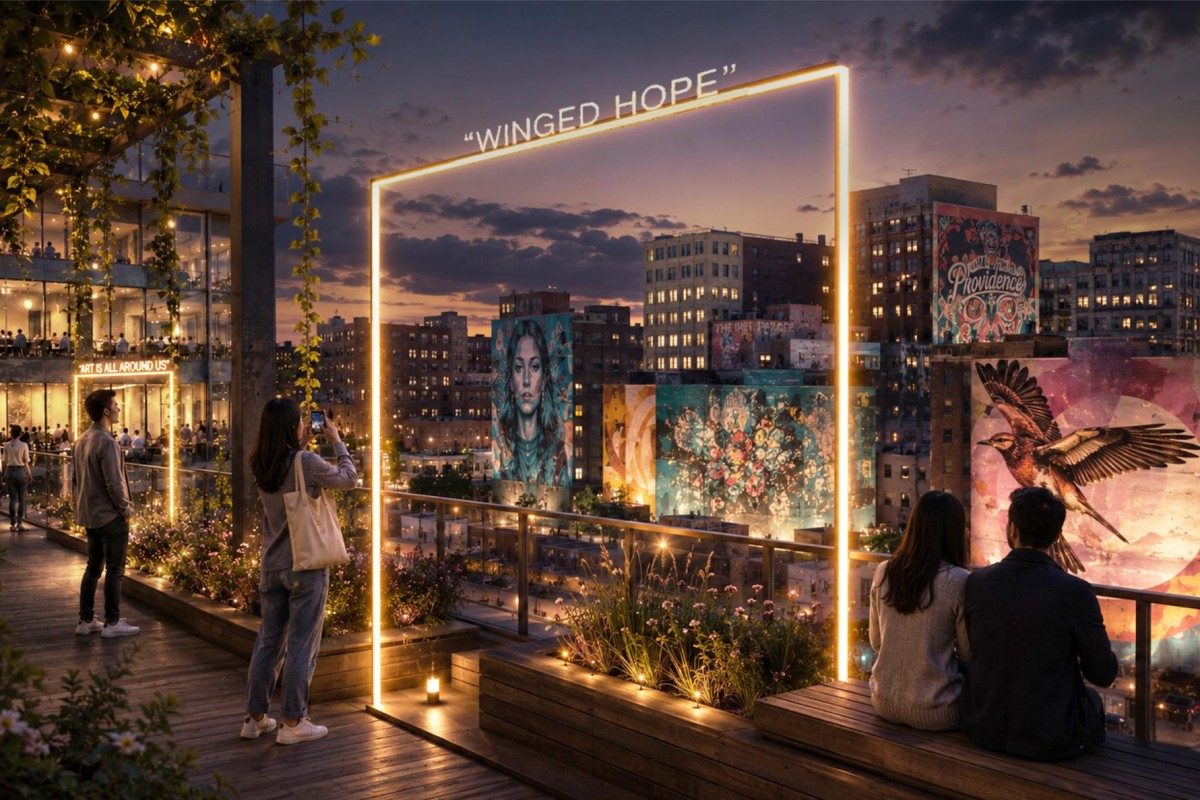
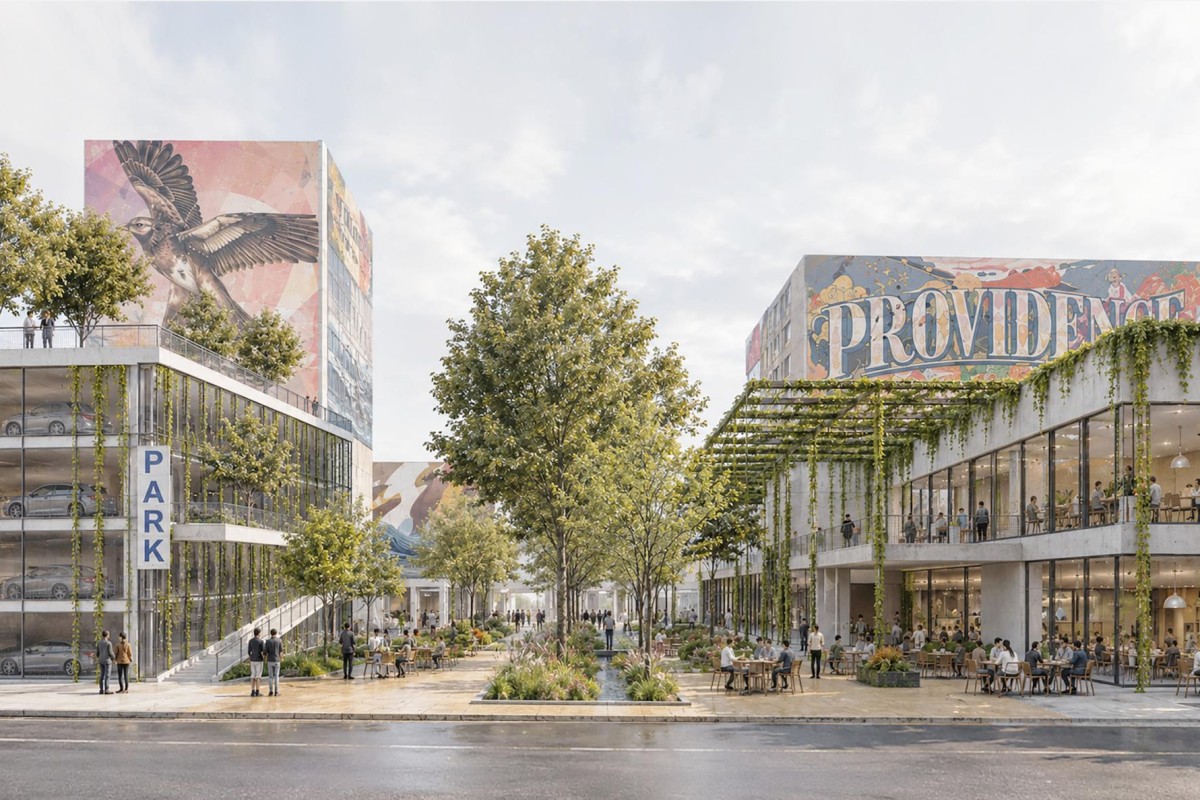
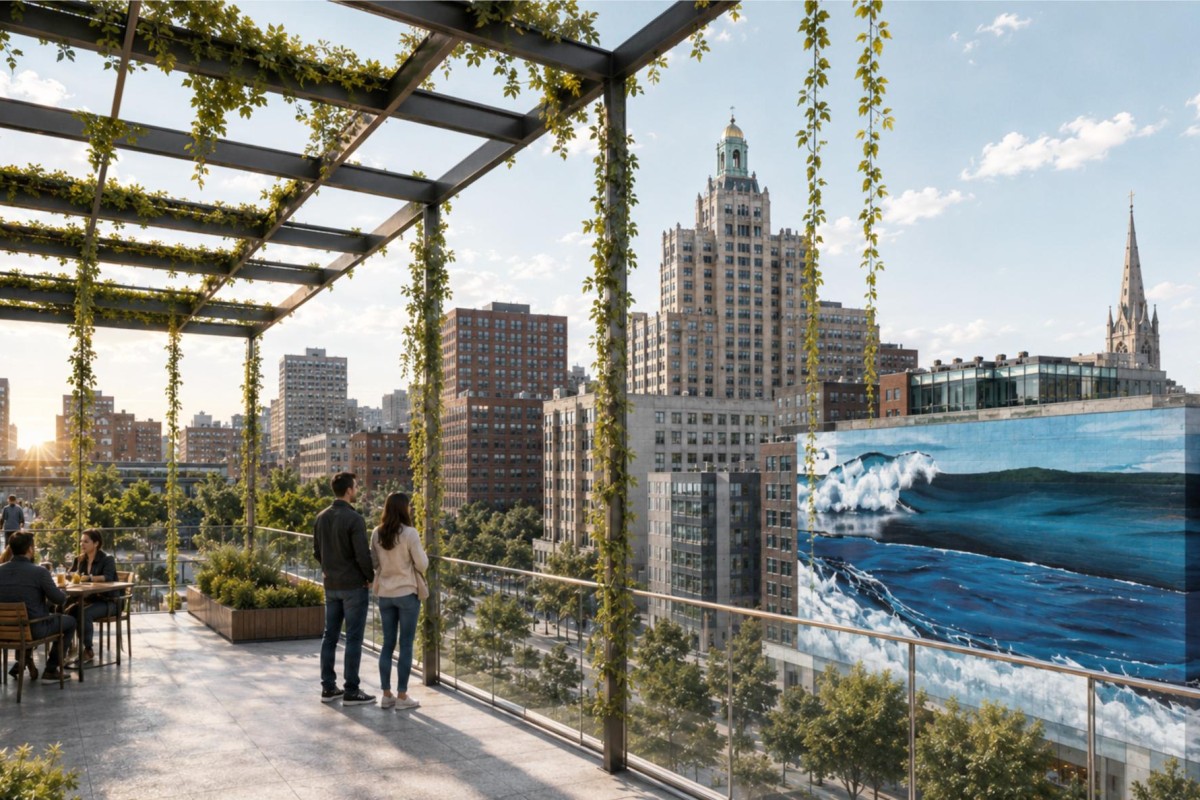
Providence is a city shaped by creativity. Within its compact downtown, dozens of large-scale murals...

Zitong Hui is a landscape designer whose work transforms public spaces into places that encourage cultural exchange, social connection, and a stronger relationship with their surroundings. Inspired by the potential of overlooked urban infrastructure, she brings an interdisciplinary approach to creating landscapes that are both meaningful and enduring.
This project represents many of the ideas I care about most as a landscape designer—creating public spaces that are both visually engaging and deeply connected to their surroundings. I wanted to explore how landscape could become an active cultural and social experience.
Being recognized by the NY Architectural & Interior Design Awards was meaningful because it affirmed that experimental and interdisciplinary landscape design can have a strong impact.
I hope to design a next-generation civic destination that seamlessly combines sports, culture, education, and public space. Rather than functioning only during major events, it would serve as an active community hub every day of the year. This idea inspires me because I believe architecture should create opportunities for people to gather, connect, and build a stronger sense of place.
I began my design education in urban planning before pursuing a Master's degree in Landscape Architecture at the Rhode Island School of Design (RISD). I have approximately four years of full-time professional experience in landscape architecture, working on a range of projects across the United States.
My interest in design began with a fascination for the relationship between people and the environment. I believe landscape has the power to hold memory, heal wounds, and bring people together. I was drawn to landscape architecture because it can serve as a language—one that communicates care, evokes emotion, nurtures the human spirit, and is deeply integrated with its surroundings while respecting a site’s history, current conditions, and cultural context. The goal is not simply to create something visually compelling, but to identify the most appropriate response for that particular place.
The goal is to create resilient, sustainable, and people-centered environments by integrating thoughtful design with technical excellence. We believe successful landscape architecture should respond to environmental challenges, support communities, and deliver lasting value through collaboration across disciplines.
One of the biggest challenges was integrating a city-wide network of public art without overwhelming the existing urban fabric. Each mural and landscape intervention needed to respond to its specific neighborhood while still contributing to a unified identity across the city.
I spent a great deal of time studying pedestrian circulation, existing public spaces, and the character of different districts to determine where each intervention would have the greatest impact. That process ultimately strengthened the design, resulting in a proposal that feels both locally responsive and connected at the city scale.
My design process begins with understanding the site's context—its ecology, culture, history, and the way people use the space. From there, I develop a clear concept and test ideas through sketches, digital modeling, and iterative design. Throughout the process, I refine the design by balancing creativity with environmental performance, functionality, and user experience. The goal is always to create landscapes that are both meaningful and practical.
Contextual, Transformation and Integration.
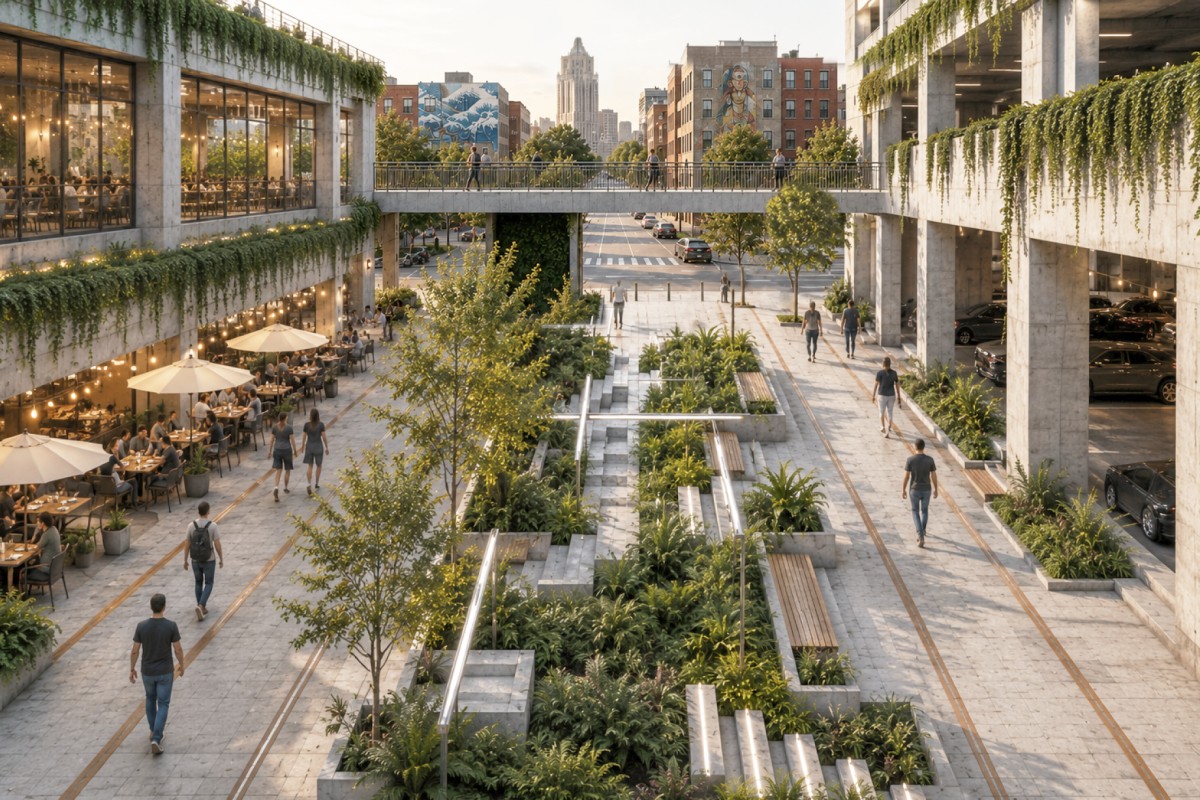
One of the most meaningful pieces of feedback I received was that the project's spatial strategy felt both innovative and practical. Reviewers noted that the layered circulation system and the carefully designed overlap between different user groups created a realistic balance between security and openness.
They also appreciated that the adaptive reuse of the existing church was not treated simply as a formal design gesture, but as a socially grounded strategy that strengthened the project's connection to the community and enhanced its overall impact.
Receiving this recognition is both an encouragement and a validation of my long-term interest in adaptive reuse and the transformation of existing urban infrastructure. It reinforces my belief that landscape architecture can play a meaningful role in addressing complex social challenges while creating places that are both resilient and engaging. As an emerging designer, it motivates me to continue exploring innovative design solutions that bridge research, practice, and community impact.
Looking ahead, I hope to apply these ideas to real-world projects, particularly in civic and public environments where design can create lasting social and environmental value. This award also provides a valuable platform to share my design approach with a broader professional audience, foster new collaborations, and continue exploring innovative solutions that connect landscape, culture, and community.
I've always been inspired by the idea of transforming underused urban infrastructure into vibrant public landscapes. Projects like the High Line in New York and The Bentway in Toronto demonstrate how overlooked infrastructure can be reimagined as welcoming public spaces that strengthen community life, improve ecological performance, and create a new identity for the city. I'd love to explore similar ideas in future projects, adapting them to different cultural and environmental contexts rather than simply replicating existing models.
In the next decade, I see architecture shifting toward transformation rather than expansion. As cities mature, the focus will increasingly move toward adapting existing buildings, infrastructure, and urban systems instead of continually building from the ground up. This shift will require designers to think more critically about adaptive reuse, climate resilience, and the long-term social value of the built environment.
I hope to contribute by exploring how underused urban infrastructure can be transformed into vibrant, inclusive, and ecologically responsive public spaces. I am also interested in how computational tools and AI can support environmental analysis and design decision-making, while keeping human experience, cultural context, and community needs at the center of the process.
My goal is to design spaces that don't just 'do less harm,' but actually function as performative, living landscapes that regulate temperature, manage stormwater naturally, and improve human comfort. For me, true sustainability isn't just about reducing a building's energy footprint; it's about how the built environment interfaces with the landscape around it.
By leveraging advanced computational workflows and microclimate simulations during the earliest stages of design, we can actively optimize outdoor spaces—like mitigating harsh wind tunnels under building overhangs or reducing urban heat islands.
If there were no limits, I would design an underwater public landscape. The ocean is Earth's largest and least explored environment, and I believe it offers extraordinary opportunities for innovation in design. I imagine creating spaces that combine marine habitat restoration, research, education, and immersive public experiences, allowing people to engage with the underwater world in ways that inspire curiosity, conservation, and a deeper appreciation of our planet.
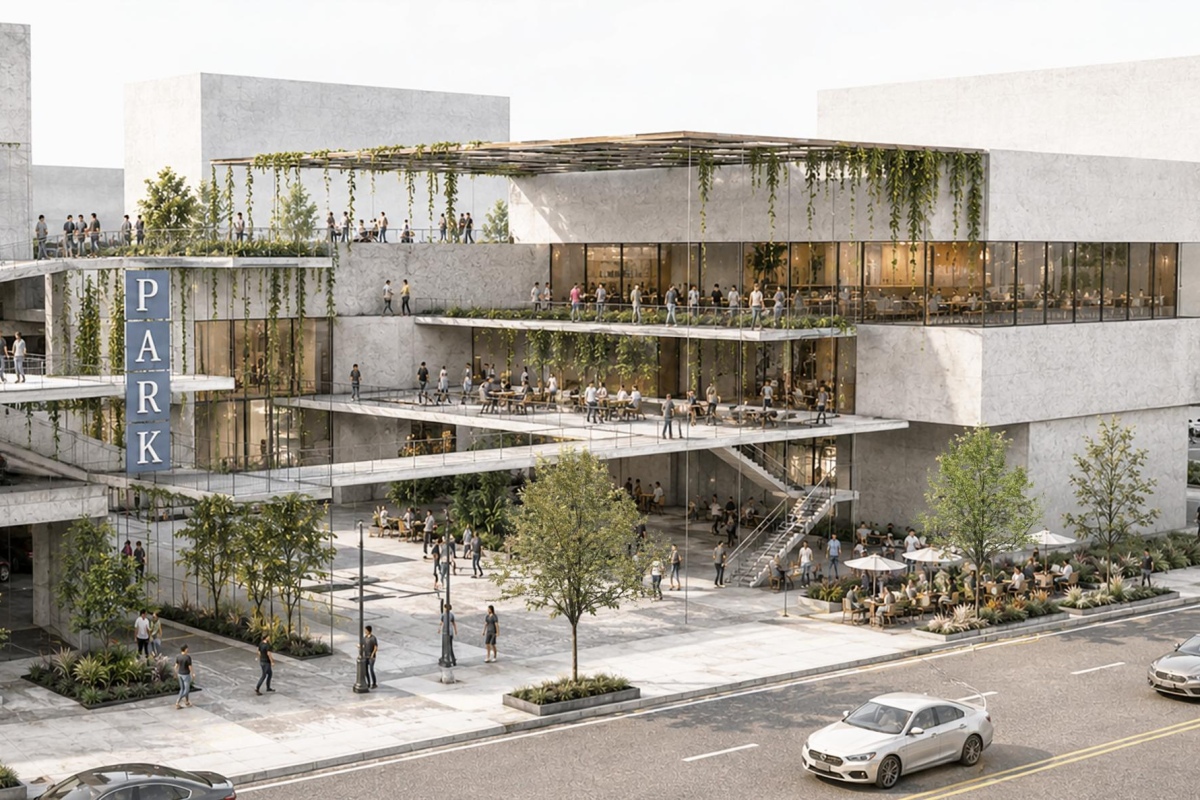
Check out how to Design for Life by Creating Meaningful Environments Shares Hsu Te-Hsien in his interview here.