
Design & Inspiration
Engineering Harmony: Building Scalable Streaming Experiences at A+E Networks with Packiaraj
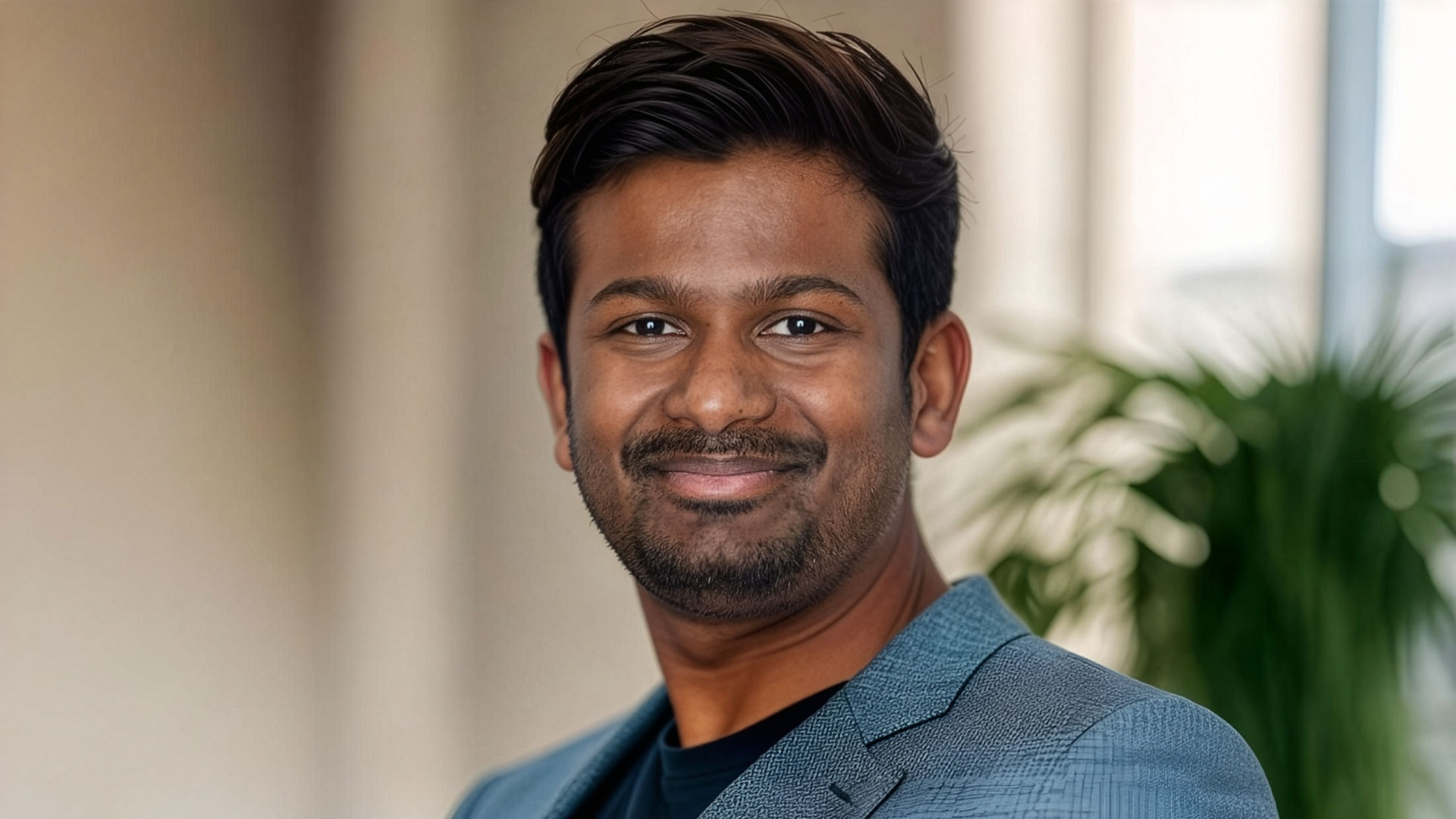
Packiaraj Kasi Rajan
At A+E Networks, Director of Mobile Technology Packiaraj Kasi Rajan leads the engineering vision behind the company’s multi-platform streaming ecosystem. His focus on unifying codebases and optimizing performance demonstrates how thoughtful architecture can drive both creativity and business growth.
Thank you! I’m Packiaraj Kasi Rajan, Director of Mobile Technology at A+E Networks. I lead engineering initiatives across our streaming brands—HISTORY Vault, Lifetime Movie Club, and Crime Central—spanning mobile and connected-TV ecosystems.
My background combines fifteen years of mobile engineering experience with a deep focus on streaming architecture, advertising technology, and large-scale code unification. My passion lies in transforming complex systems into efficient, scalable, and user-centric digital products.
The motivation came from a clear need to simplify development across multiple brands while improving performance and monetization. For A+E Networks, aligning technology with storytelling was essential. Personally, I wanted to prove that thoughtful architecture could deliver both creative flexibility and measurable business impact—bridging engineering precision with content reach.
The foundation was a multi-brand shared codebase—one modular architecture powering four distinct apps. It introduced Server-Side Ad Insertion (SSAI) for seamless monetization, cross-platform authentication via Adobe Pass, and data-driven analytics through Tealium and Firebase. Together, these innovations produced faster releases, higher stability, and a unified user experience across devices.
As senior architect, I defined the engineering vision, mentored the team, and aligned product, backend, and QA functions under one delivery pipeline. My leadership ensured accountability, clear communication, and technical consistency, which directly translated into improved app reliability and faster feature rollouts.
It solved the fragmentation problem of maintaining separate codebases for each brand. By consolidating development into one architecture, we reduced duplication, accelerated deployment, and established a single source of truth. The outcome was a 50 percent reduction in crash rates and significant savings in infrastructure cost.
Some of the key features and aspects of the innovation are:
• SSAI integration that eliminated buffering and increased ad fill rates and CPM values.
• Privacy-first compliance meeting GDPR and CCPA standards ahead of schedule.
• Analytics-driven optimization enabling real-time insights for user engagement.
• Modular scalability allowing each brand to retain individuality within one shared system.
This success was built on collaboration. The product, design, and backend teams at A+E Networks embraced a unified vision, showing immense adaptability. Their openness to re-imagining workflows made it possible to execute a transformation at both technical and organizational levels.
Coordinating multiple stakeholders across time zones and legacy systems was the main challenge. My problem-solving mindset and emphasis on documentation and transparency helped align everyone. By breaking milestones into measurable goals, we kept momentum and built confidence throughout the process.
I hope it demonstrates that media companies can modernize without losing brand identity. The architecture proved that legacy networks can compete with digital-native streamers by adopting scalable, data-driven frameworks that respect both users and advertisers.
It validates my belief that innovation is not about disruption alone—it’s about sustainable evolution. The TITAN Innovation Awards affirms that engineering excellence and creative vision can coexist, driving measurable results while improving the viewer experience.
Balancing speed with quality was a constant tension. We introduced continuous integration and automated testing pipelines, ensuring rapid delivery without compromising stability. These disciplined engineering practices turned short-term pressure into long-term reliability.
It sets a precedent for multi-brand, unified streaming ecosystems. As the industry moves toward consolidated technology stacks, this model will help media organizations reduce cost, increase agility, and maintain creative differentiation.
I’m particularly excited about AI-driven personalization, real-time analytics, and cloud-native architectures. These technologies are redefining how content is curated and delivered. In my work, I’m exploring ways to integrate AI into quality control and recommendation systems to enhance viewer satisfaction.
Start with a clear purpose—solve a real problem, not just a technical one. Build iteratively, measure impact, and never underestimate the power of collaboration. Innovation is a team sport, and sustainable success comes from aligning vision with execution.
Winning Entry

Read here about The Future of Print: Rahul Pingale’s Mission to Make Sustainability the Standard, a winner of the 2025 TITAN Innovation Awards.
Latest Posts

DESIGN COMMUNITY | Who Gets Credit for Great Design?
OCTOBER 12, 2026

DESIGN PERSPECTIVES | What Makes Good Design?
OCTOBER 12, 2026
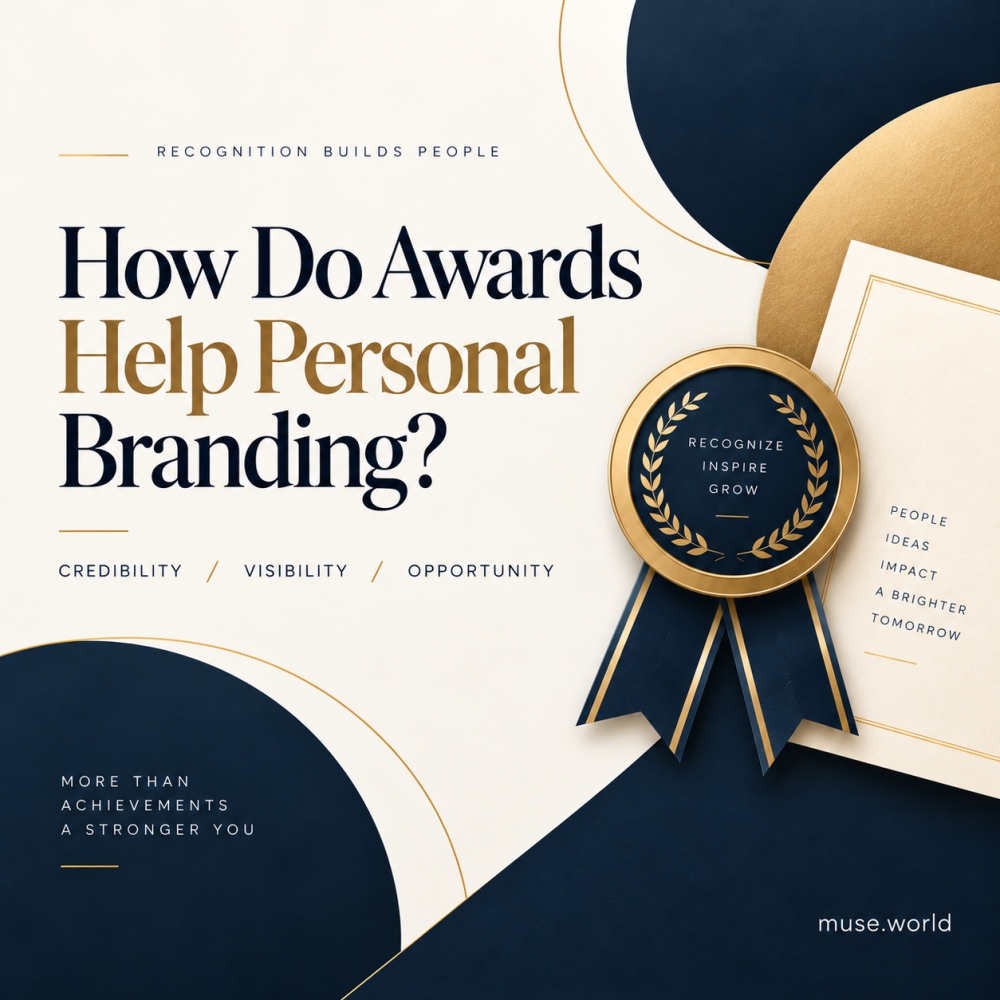
How Awards Build Personal Brand | Marketing Awards Benefits
OCTOBER 7, 2026

Cloud Banquet Transforms Eastern Inspiration Into Modern Design
OCTOBER 1, 2026

Maxim Hair Restoration Is Shaping a New Era of Personalized Hair Re...
SEPTEMBER 30, 2026
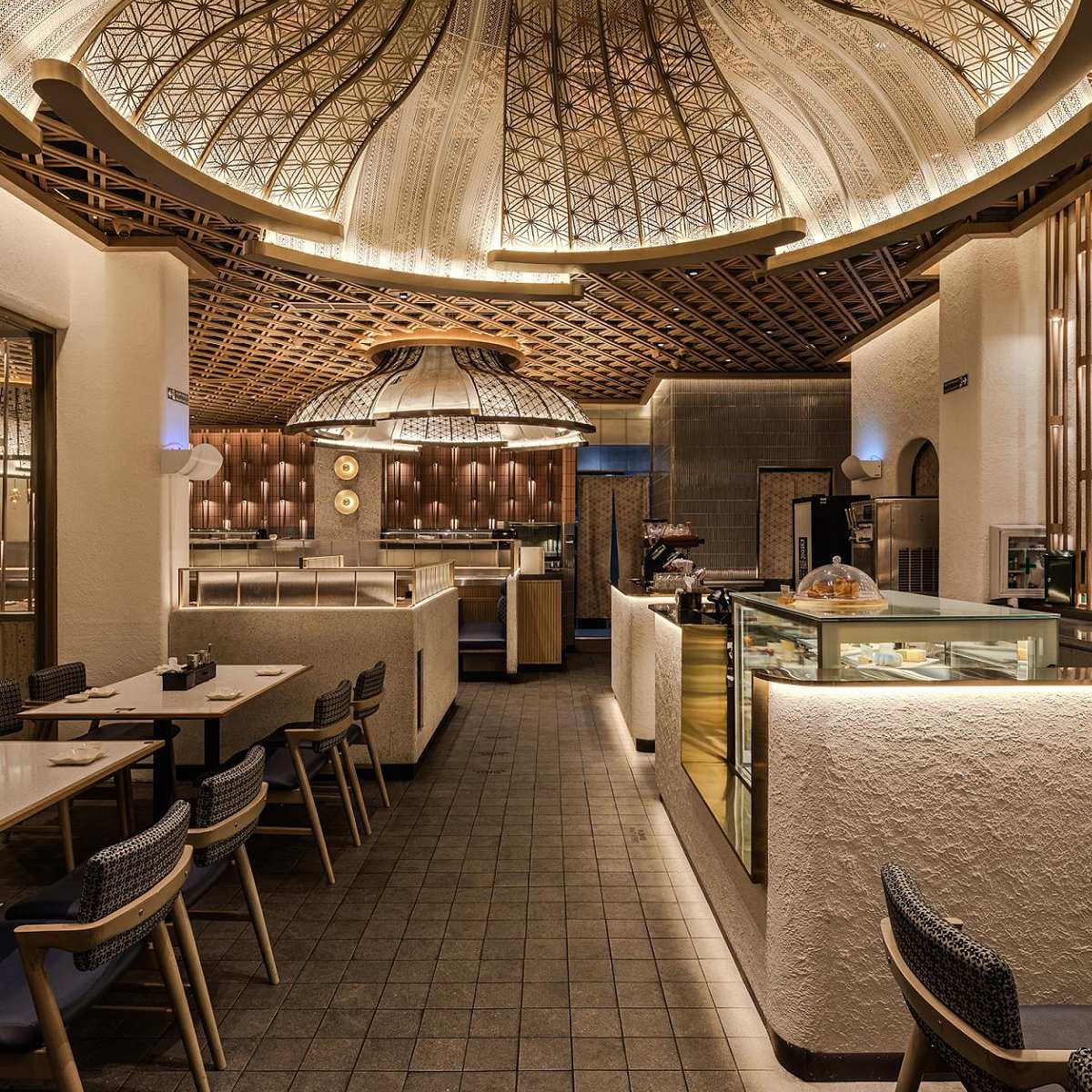
MoMo.Co.,Ltd. Creates a Refined Dining Environment for Sushi Tei Jawa
SEPTEMBER 28, 2026

2026 Global Photography Awards Reveals Photographers of the Year an...
SEPTEMBER 25, 2026
How Many Awards Should You Enter? (Strategy Guide)
SEPTEMBER 23, 2026

Interactive Light Installation: Before Fish Become Birds Creates a ...
SEPTEMBER 22, 2026
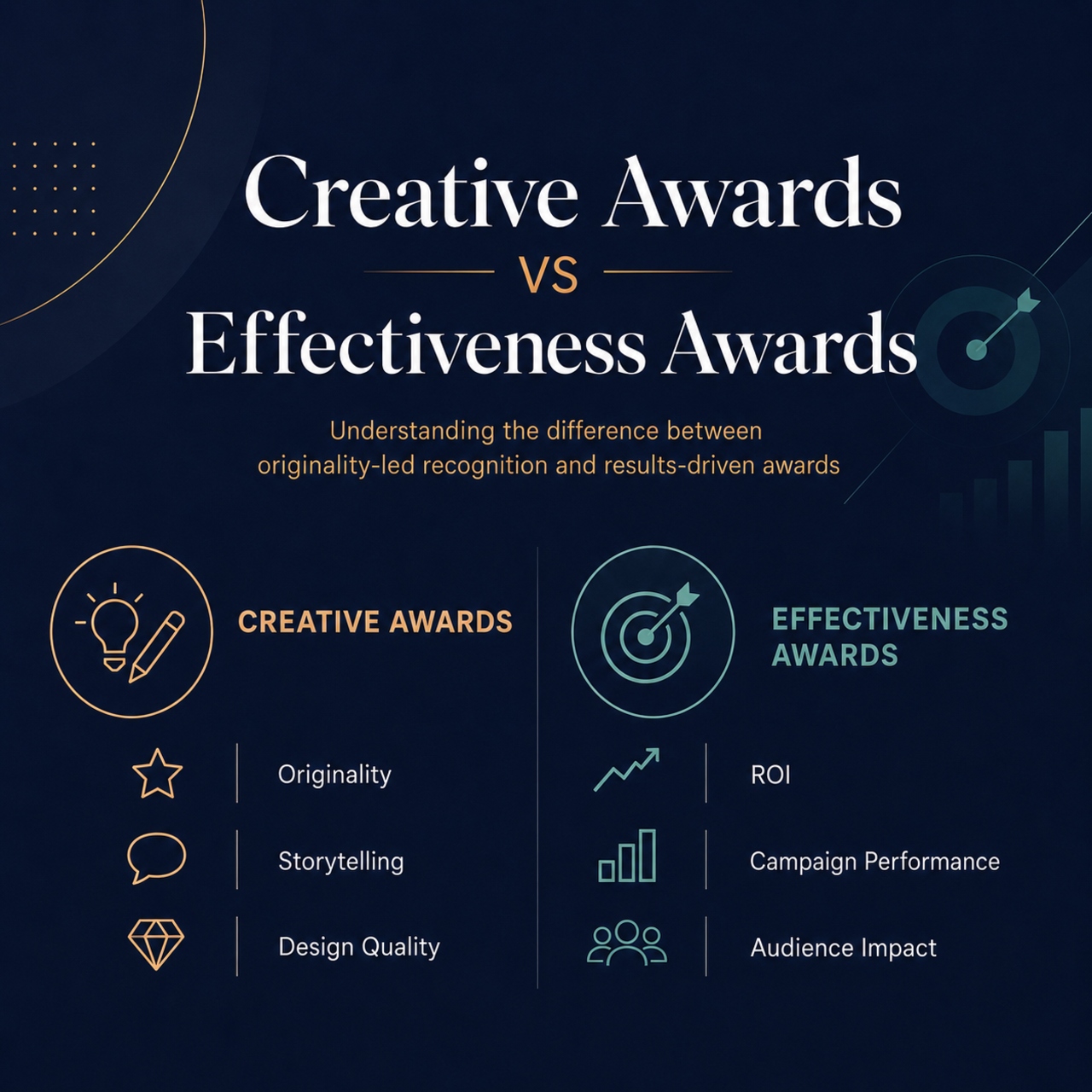
Creative vs Effectiveness Awards | Key Differences Explained
SEPTEMBER 21, 2026



IAA GLOBAL AWARDS
MUSE Awards
Vega Awards
NYX Awards
TITAN Awards
- TITAN Business Awards
- TITAN American Business Awards
- TITAN Property Awards
- TITAN Women in Business and Leadership Awards
- TITAN Health Awards
- TITAN Innovation Awards
- TITAN Brand Awards