
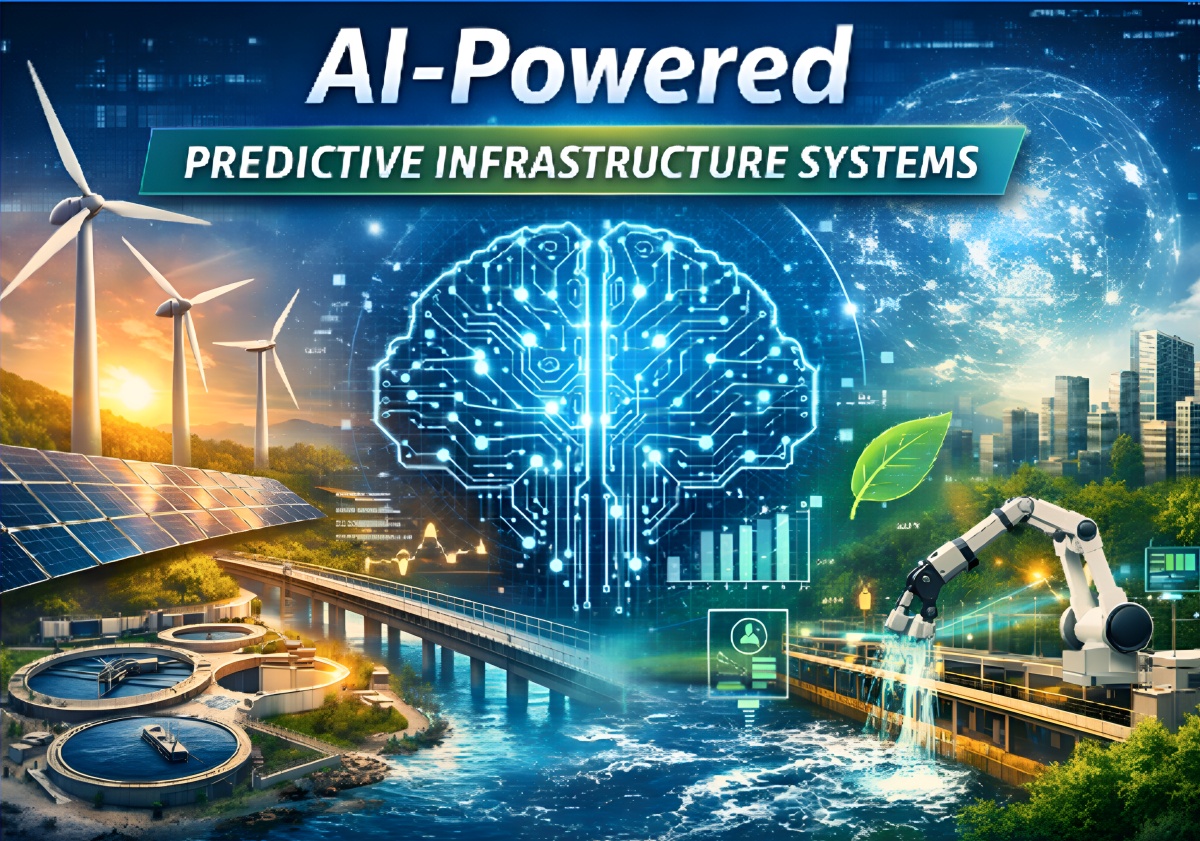
AI-Powered Predictive Infrastructure Systems
AI-Powered Predictive Infrastructure Systems for Sustainable Industrial and Environmental Optimization is an integrated artificial intelligence...
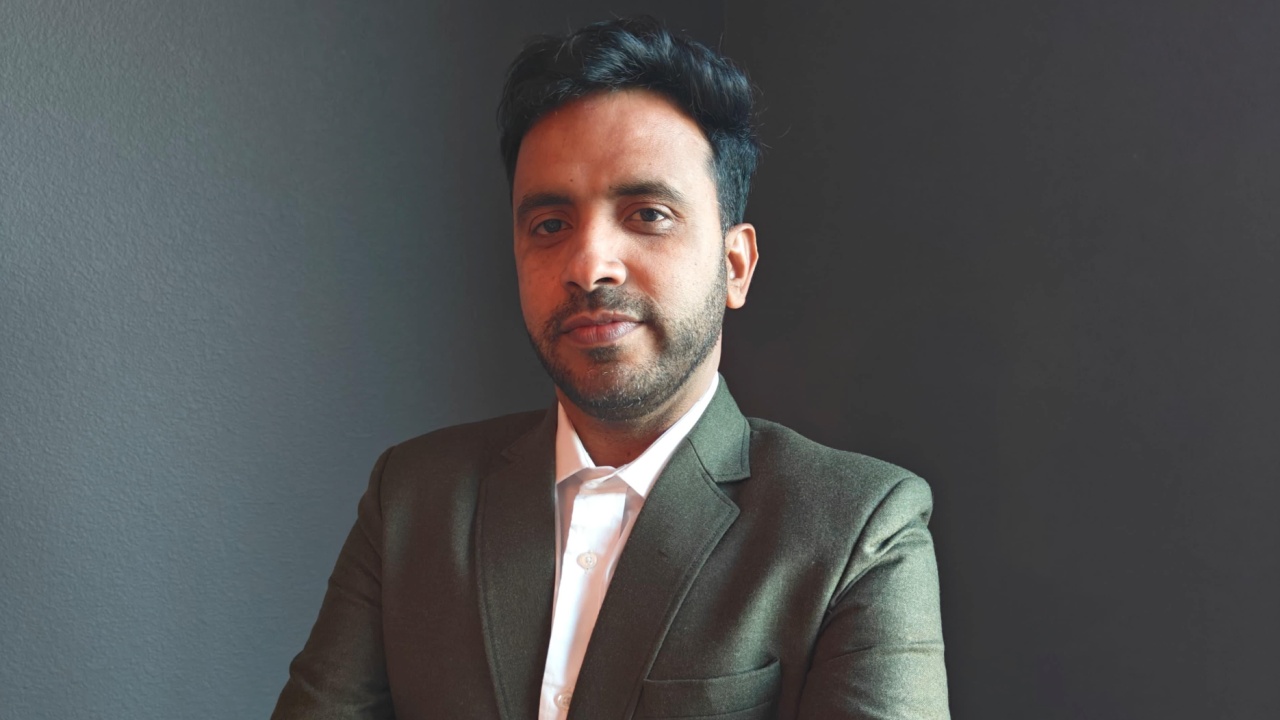
An AI systems innovator, Mustafa Eisa Misri develops solutions that integrate machine learning and IoT to optimize infrastructure performance. His work addresses key challenges in sustainability and operational efficiency across energy, water, and industrial sectors. Through predictive insights, he enables smarter and more resilient systems.
I am an AI systems innovator focused on predictive infrastructure and intelligent automation. My work centers on applying machine learning and IoT technologies to improve reliability and sustainability across systems like renewable energy, water management, and industrial environments.
I started working on this after seeing how many infrastructure systems still rely on reactive maintenance and disconnected monitoring tools. That gap pushed me to design a more predictive and unified approach that could improve efficiency and reduce risk.
At its core, this innovation brings together predictive maintenance, IoT sensing, and real-time analytics into one system. It uses techniques like vibration analysis, anomaly detection, and adaptive thresholds to predict failures and optimize performance across different environments.
I was primarily responsible for designing the system architecture and integrating the AI models into real-world use cases. My focus was on making sure the solution is not just technically sound but also practical and scalable.
The main problem is that many systems still operate reactively. This leads to downtime, inefficiencies, and higher costs. This solution shifts that model toward predictive intelligence, allowing issues to be addressed before they become failures.
What makes it stand out is that it’s not limited to one domain. It connects predictive intelligence across energy, environmental, and industrial systems in a unified way, which is not common in existing solutions.
This work was shaped by a combination of independent research and hands-on experience with enterprise systems. It reflects both technical development and practical insights from real-world environments.
One challenge was ensuring consistency across different types of data and environments. I addressed this by using adaptive models and designing the system in a modular way so it can scale and adjust as needed.
The goal is to improve reliability, reduce operational costs, and support more sustainable infrastructure. It helps organizations move toward more proactive and data-driven decision-making.
Winning this award reinforces the importance of applying AI to real-world challenges. It’s encouraging to see work focused on practical impact being recognized at a global level.
Balancing technical complexity with usability was a challenge. I focused on iterative development and validation to ensure the system remains practical while still delivering advanced capabilities.
I see this contributing to a future where infrastructure systems are continuously monitored and optimized using AI, leading to more resilient and efficient operations.
I’m particularly interested in the combination of AI, IoT, and edge computing. These technologies enable real-time intelligence and are shaping the next generation of infrastructure systems.
I’m particularly interested in the combination of AI, IoT, and edge computing. These technologies enable real-time intelligence and are shaping the next generation of infrastructure systems.
Explore another insight from the TITAN Innovation Awards by clicking this link here to read about Tackling Data Security Challenges in Large-Scale SAP Environments with Srinivasulu Reddy Battu.