Access for All
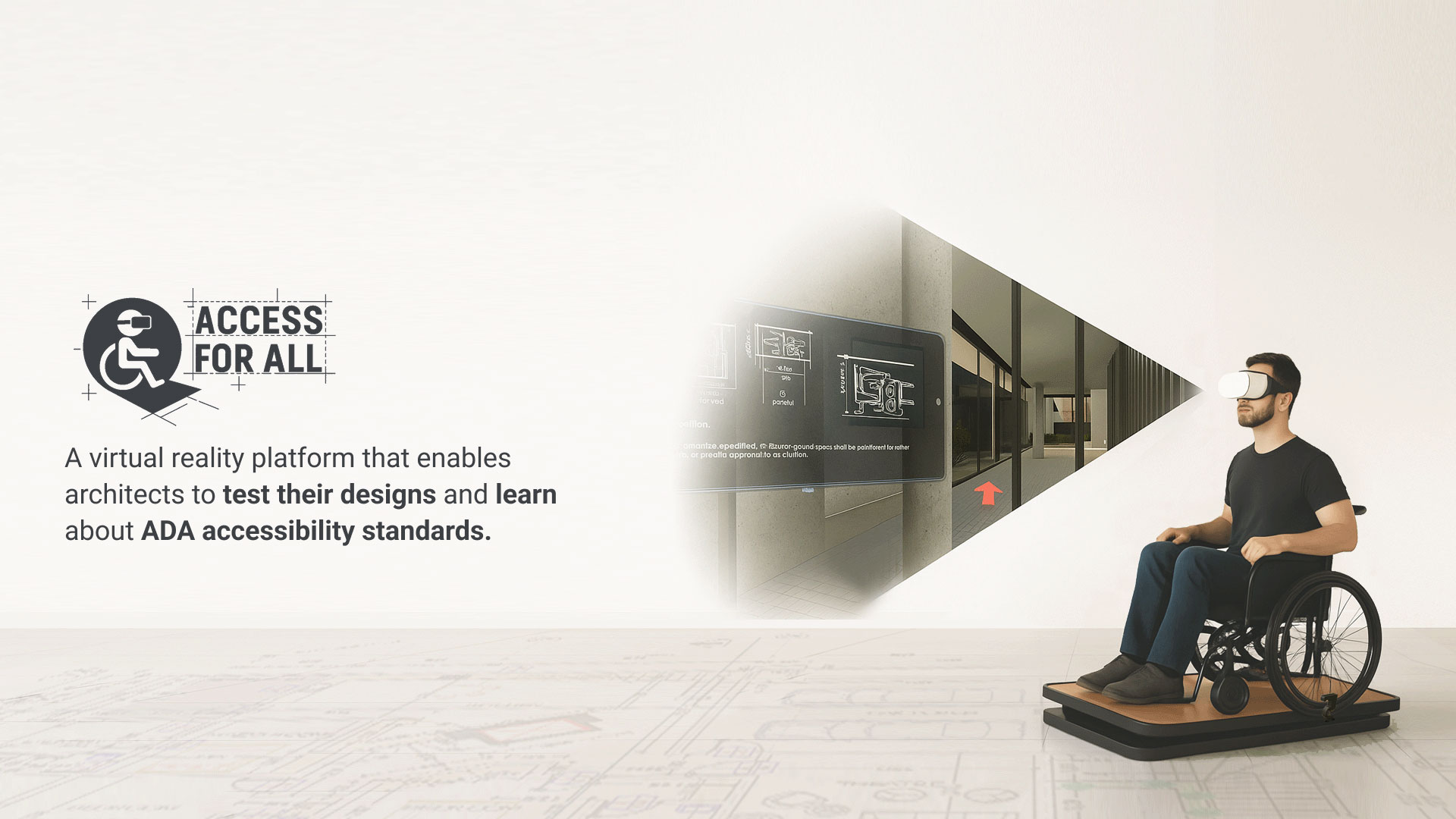
'Access for All' is a virtual reality platform that enables architects to test their designs...

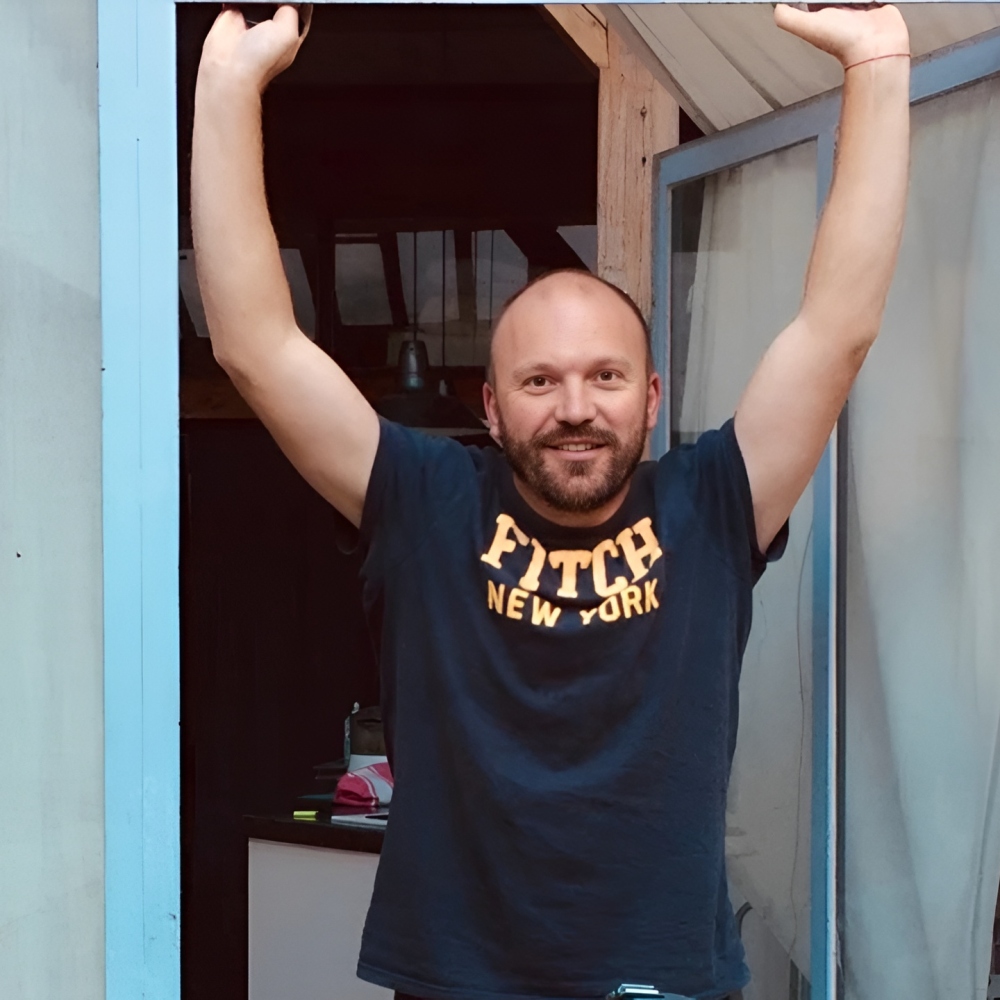
Zhenwen Zhang is a Senior UX Designer with a multidisciplinary background spanning UX, interaction, architecture, and digital experience design. With dual Master’s degrees in Digital Media and Architecture, he approaches design spatially, visually, and behaviorally, creating experiences grounded in research and real human insight.
I’m a Senior UX Designer with a multidisciplinary background that bridges UX, interaction, architecture, and digital experience design. I have over seven years of experience in UX design and research, focusing on e-commerce, retail, and technology, along with three years of interaction and architecture design experience. I hold dual Master’s degrees — one in Integrated Digital Media from New York University, where I focused on UX and visual design, and another in Architecture with a concentration in Interaction Design.
This combination of disciplines has shaped my holistic approach to design, allowing me to think spatially, visually, and behaviorally all at once. Beyond my professional work, I’m also a photographer, vlogger, and art enthusiast. I enjoy experimenting with creative mediums to better understand how people experience the world. My guiding philosophy is that great design should be grounded in research and evidence—not assumptions—and that the most impactful experiences are both meaningful and measurable.
I’m genuinely thrilled to have both projects recognized this year. I submitted them because the MUSE Creative Awards celebrates not only aesthetic creativity but also the impact design can have on people’s experiences. For me, these awards affirm my belief that design should go beyond the screen — that it can be felt and lived.
Professionally, they motivate me to keep exploring emerging technologies like VR and sensory design to make accessibility and environmental awareness more tangible.
Both Access for All and FEELIT began with empathy — with the question of how design can help people better understand the world around them. Access for All grew out of my architecture background and my desire to bridge physical and digital accessibility.
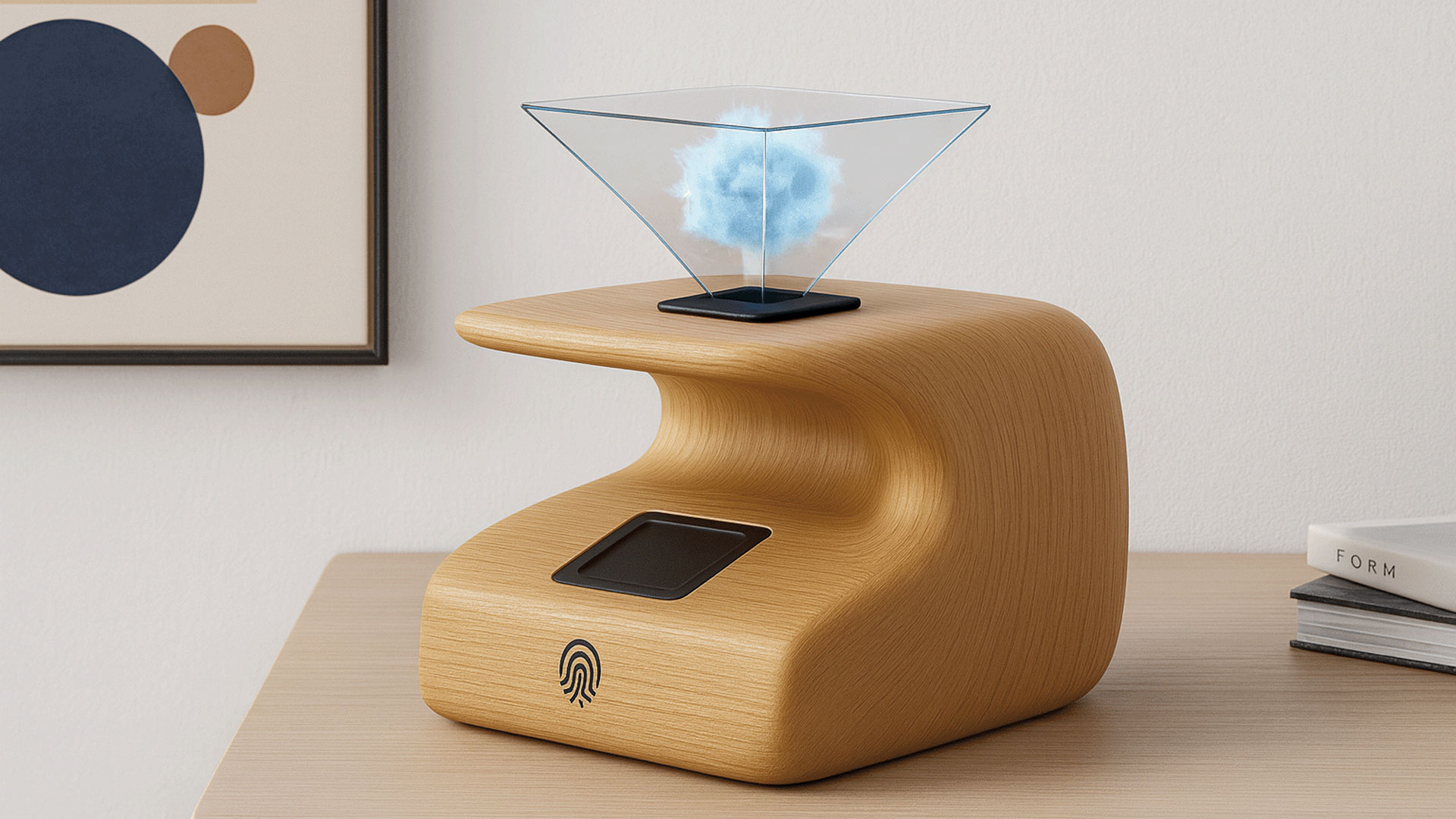
It allows designers to experience accessibility barriers firsthand through VR. FEELIT, on the other hand, was inspired by our emotional connection to weather — translating temperature, humidity, and atmosphere into touch and light.
I believe both projects stood out because they challenge the traditional boundaries of UX design. Instead of focusing solely on digital screens, they explore how people can physically and emotionally experience data and accessibility. These ideas aren’t just concepts — they are fully prototyped and tested experiences that bring together design, psychology, and emerging technology.
For Access for All, one major challenge was ensuring the virtual simulations were realistic enough to accurately represent ADA conditions. I had to collaborate closely with developers and accessibility experts to calibrate distances, slopes, and interactions in VR.
For FEELIT, the challenge was translating intangible weather data into physical sensations without losing its poetic subtlety — balancing engineering precision with emotional intention. In both projects, iterative prototyping and user testing were essential.
Winning reinforces my goal of using design as a bridge between empathy and technology. It opens new conversations about accessibility innovation and sensory experience design. It also gives my collaborators a meaningful boost — a reminder that creative experimentation and purpose-driven design are worth pursuing even without a large team or budget.
The response has been overwhelmingly positive. Many peers reached out saying that Access for All helped them rethink how they teach or present accessibility. For FEELIT, people described it as both poetic and eye-opening — something that made them think differently about climate and perception. Those reactions remind me why I design: to evoke curiosity, empathy, and reflection.
My biggest advice is: don’t chase awards — chase meaning. Awards are a byproduct of authenticity and persistence. When you create something that genuinely solves a problem or changes how people feel, recognition naturally follows. I believe three elements matter most:
Empathy: Start with real people, not assumptions. Observe, listen, and design with compassion.
Curiosity: Never stop experimenting. Some of my most impactful ideas grew from failed prototypes that led me somewhere unexpected.
Storytelling: Even the most technical projects need a narrative. Frame your work as a journey — the “why” behind it often matters more than the “what.”
We’re witnessing a shift from purely digital design toward experiential ecosystems — where physical, digital, and sensory interactions merge. AI, VR, and spatial computing are redefining what “interface” means, yet they also remind us how essential human sensitivity still is. I see myself at the intersection of UX, emerging technology, and accessibility innovation — helping shape experiences that everyone can understand and feel.
My goal is to continue pushing boundaries in multi-sensory design, creating systems that respond not only to user input but to emotion, context, and inclusion. In the long run, I want to inspire a generation of designers to see technology not as a barrier but as a bridge — connecting empathy with innovation.
I completely understand that hesitation — I felt the same way when I first started submitting my work. It’s easy to think, “I’m not ready yet” or “My work isn’t perfect.” But in reality, no project ever is. What matters most is sharing your perspective and learning from the process. Competitions like this aren’t just about winning; they’re opportunities for reflection.
They push you to articulate your ideas clearly, celebrate your growth, and connect with a global creative community. Even if you don’t take home a trophy, the experience helps you see your work differently — and that clarity often becomes the foundation for your next success. My advice is: start small, stay curious, and don’t wait for validation to create something meaningful.
I’d say that collaboration is the most underrated creative skill. No great idea exists in isolation. The best work happens when designers, developers, and thinkers share ownership of the process and respect each other’s craft. We live in an era where creativity is no longer confined to a single discipline — a designer might code, an engineer might storyboard, and a marketer might shape the narrative.
I’d like to dedicate this achievement to Ye He, who has been a creative partner and close collaborator throughout these projects. She’s not only a talented developer, designer, and artist, but also someone who shares the same curiosity about the intersection of technology, emotion, and human experience.
Her technical precision balanced my conceptual vision — she transformed many of the most challenging ideas into working prototypes and interactive models. Beyond her skills, her optimism and creative resilience continually inspired me to push boundaries and keep the work grounded in empathy and beauty.
An exploration of how technology can help people not just see or hear the world — but truly feel it. Both Access for All and FEELIT transform abstract ideas like accessibility and climate awareness into physical, emotional experiences. They invite people to engage through empathy, reminding us that design’s purpose is to connect human senses with understanding.
I’m currently expanding Access for All into a retail UX focused application. After spending several years designing experiences for the retail and e-commerce industry, I’ve realized how physical accessibility and digital accessibility often overlap — and how important it is to bridge the two.
The next phase of Access for All will adapt its virtual reality simulations for retail environments, helping design teams test store layouts, fixture placements, and customer flow through an accessibility lens. The goal is to make inclusivity a measurable, testable part of spatial UX — ensuring every shopper, regardless of ability, can navigate retail spaces comfortably and independently.