
DESIGN COMMUNITY | Who Gets Credit for Great Design?
OCTOBER 12, 2026
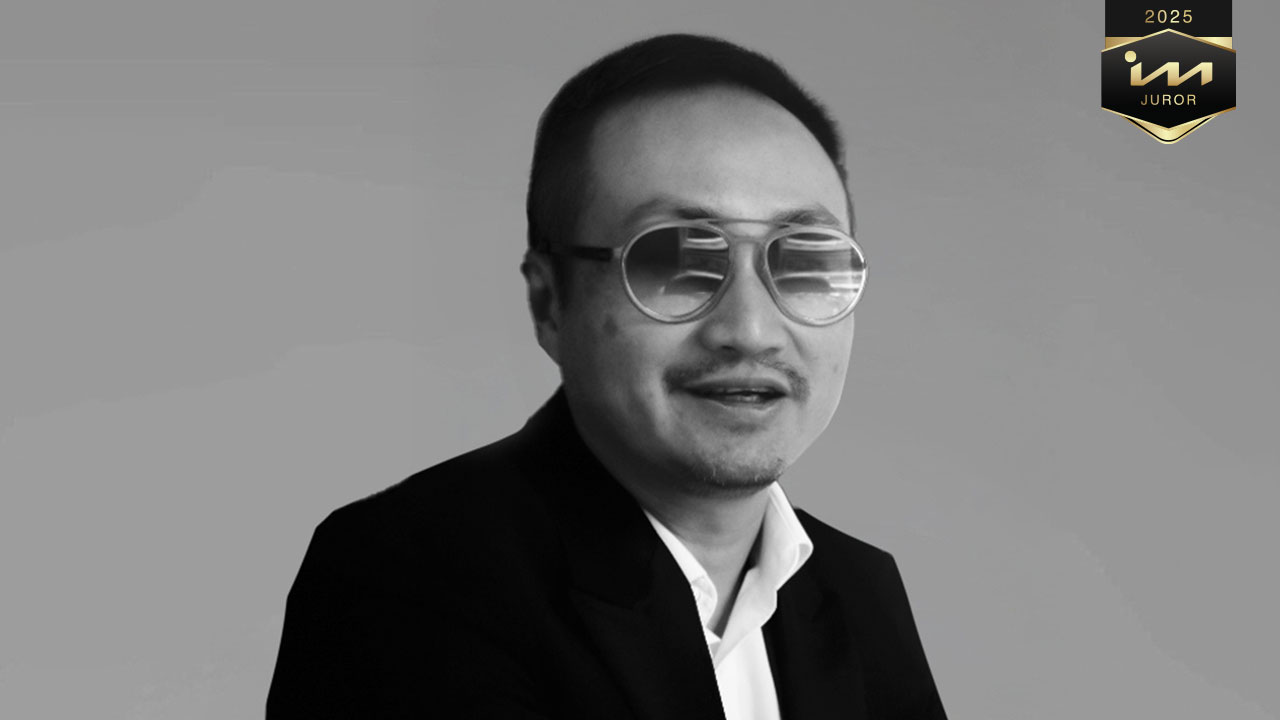
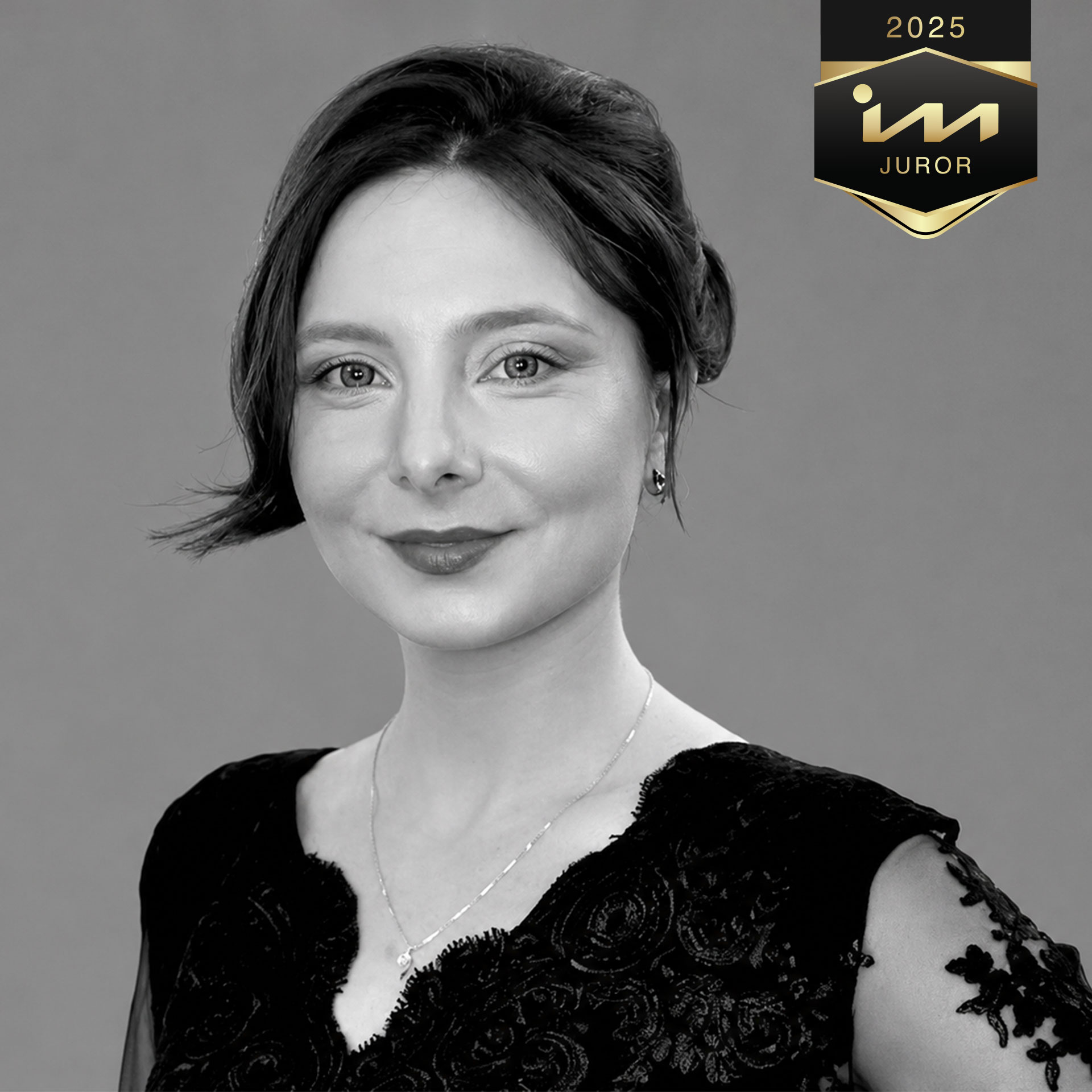
Pal Pang is the Founder of ANOTHER DESIGN, an international design practice specializing in luxury hospitality and long term asset strategy. Drawing on experience across London, Hong Kong, Shanghai, and Beijing, he brings a strategic perspective to the jury, evaluating projects through the lens of design longevity, operational performance, and enduring commercial value.
My training began in Interior Architecture at the University for the Creative Arts (UCA) in the United Kingdom, followed by professional practice across London, Hong Kong, Shanghai, and Beijing. I founded ANOTHER DESIGN after recognizing a structural inefficiency in the global hospitality development cycle: most projects are still optimized for the "Opening Day" moment rather than long-term asset performance across a 10 to 20 year operational horizon.
A luxury hospitality asset typically requires three to five years from concept to completion. During this period, design decisions made for short-term visual impact often result in accelerated visual depreciation upon opening. Our role is therefore not to produce stylistic outcomes, but to build spatial systems that preserve brand equity and pricing power over time.
We work at the intersection of design and investment strategy, helping hotel groups, developers, and family offices translate architecture into a durable commercial asset that supports ADR (Average Daily Rate) stability and RevPAR (Revenue per Available Room) resilience.
The most memorable projects are not always the most visually striking, but those that demonstrate a disciplined understanding of time. One of the most common challenges in hospitality investment is premature refurbishment within three to five years of opening, often driven by aesthetic obsolescence rather than technical failure.
I recall a boutique project that deliberately rejected trend driven design in favor of continuity, restrained detailing, and natural materials selected to age gracefully through years of operation. What distinguished the project was not its immediate visual impact, but its longevity. By avoiding over design, it reduced early capital reinvestment while strengthening guest loyalty and long term operational performance.
It reinforced a fundamental shift in luxury hospitality: the industry has moved from a resource based advantage to a system based advantage. Historically, differentiation was defined by scarce materials, bespoke craftsmanship, and artisanal detail. Today, those elements are far more accessible, making materiality alone insufficient to sustain long term competitive value.
What now defines lasting brand strength is a clear spatial grammar—a consistent, repeatable design logic that can be applied across geographies without diluting brand identity. Leading hospitality groups increasingly treat design not as decoration, but as scalable brand infrastructure that delivers consistency across global portfolios while remaining locally relevant.
I evaluate projects through four operational lenses: visual depreciation control, spatial rhythm calibration, tactile longevity, and temporal coherence. Together, these principles assess how well a space maintains its relevance, functionality, and brand value over time, rather than focusing solely on its initial visual impact.
I look for environments that balance visual restraint with strong spatial identity, use materials that age gracefully under operational demands, and demonstrate a design strategy capable of sustaining long term performance. To me, exceptional hospitality design is measured not only by how it looks on opening day, but by how effectively it performs for years to come.
One of the greatest challenges is separating rendered perception from operational reality. Many projects are optimized for digital presentation, with carefully curated imagery and cinematic staging that can obscure inefficiencies in planning, circulation, or long term material performance.
My approach is deliberately analytical. I look beyond presentation to evaluate spatial logic, operational functionality, and material resilience under real world hospitality conditions. To me, design excellence lies not in adding more, but in removing the unnecessary to protect long term asset value.
I believe effective evaluation requires a glocal perspective—balancing global consistency with local intelligence. Every market operates within its own cultural and operational context, so projects should be assessed according to how well they respond to their environment rather than a single aesthetic standard.
The strongest hospitality projects maintain a consistent global identity while thoughtfully interpreting local culture through contemporary design. It is this balance between international coherence and authentic local expression that ultimately defines lasting design excellence.
Its defining strength lies in its emphasis on design conviction over production scale. While many awards recognize effort, budget, or material complexity, MUSE places greater value on the clarity of design intent and long term vision.
It celebrates projects that remain true to a coherent spatial identity rather than following short lived trends. In today's hospitality landscape, where immediate visual impact often competes with long term asset performance, that distinction is especially meaningful.
In hospitality, emotional experience is not an abstract concept—it is a driver of commercial value. Guests are paying not only for a space but also for a sense of comfort and cognitive relief. When a hotel successfully reduces sensory load through clear circulation, acoustic control, and thoughtful lighting, it enhances both guest satisfaction and overall well being.
These emotional outcomes translate into measurable business results, including stronger guest loyalty, higher retention, and more resilient pricing power. From an investment perspective, emotional comfort is a key contributor to long term revenue stability.
Evaluate projects from the perspective of long term performance rather than first impressions. Renderings are designed to persuade, but successful hospitality environments are designed to endure. The true measure of a project lies in its material transitions, detailing, and how it performs over time.
Strong judging should prioritize restraint, coherence, and operational durability over immediate visual impact. The most successful projects are often those that require the least explanation once they are built.
The hospitality industry is entering a structural shift toward soft luxury, defined by restoration, quietness, and long term resilience. As travelers become increasingly sensitive to cognitive overload, hospitality is evolving from spaces designed for visual stimulation to environments that support recovery and well being.
At the same time, AI is rapidly commoditizing design production, making authorship and spatial originality more valuable than ever. The next generation of hospitality assets will be defined not only by visual coherence, but also by their ability to deliver emotional restoration and operational resilience.
I am particularly drawn to adaptive reuse projects in dense urban environments such as Central Hong Kong and Knightsbridge, London. Their greatest strength lies not in visual expression, but in their ability to create a sense of calm within highly complex settings through thoughtful planning, acoustic precision, and sustainable material strategies.
What I find most compelling is the transition from the energy of the city to the tranquility of the interior. To me, that transformation is far more than decoration—it is the thoughtful design of human experience and one of the highest expressions of hospitality design.
IAA Juror since 2023
MUSE Hotel Awards, London Design Awards, iLuxury Awards, Noble World Hotel Awards and Tokyo Design Awards