Floating Appetite — Contemporary Gaze of Beef Noodles
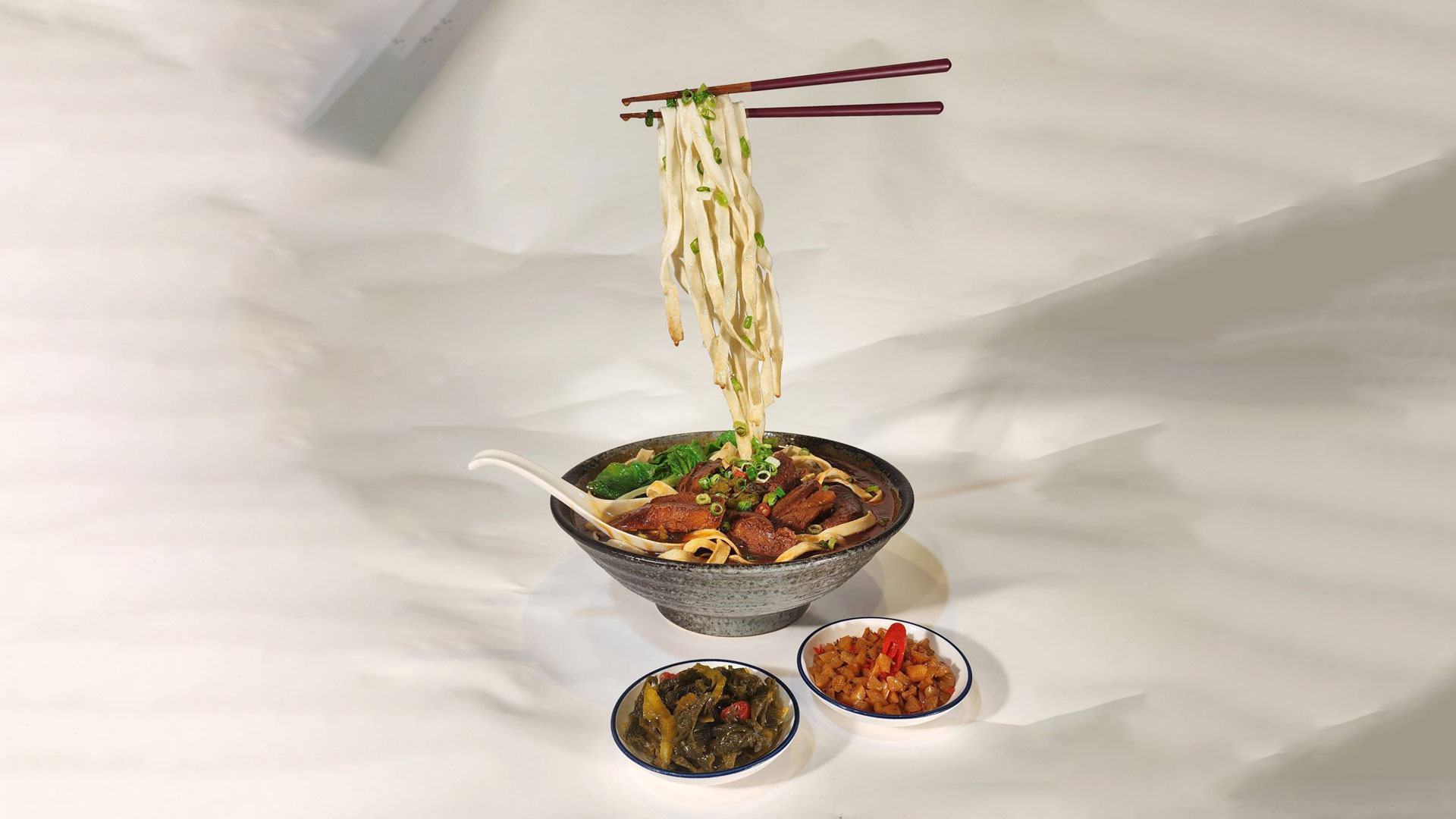
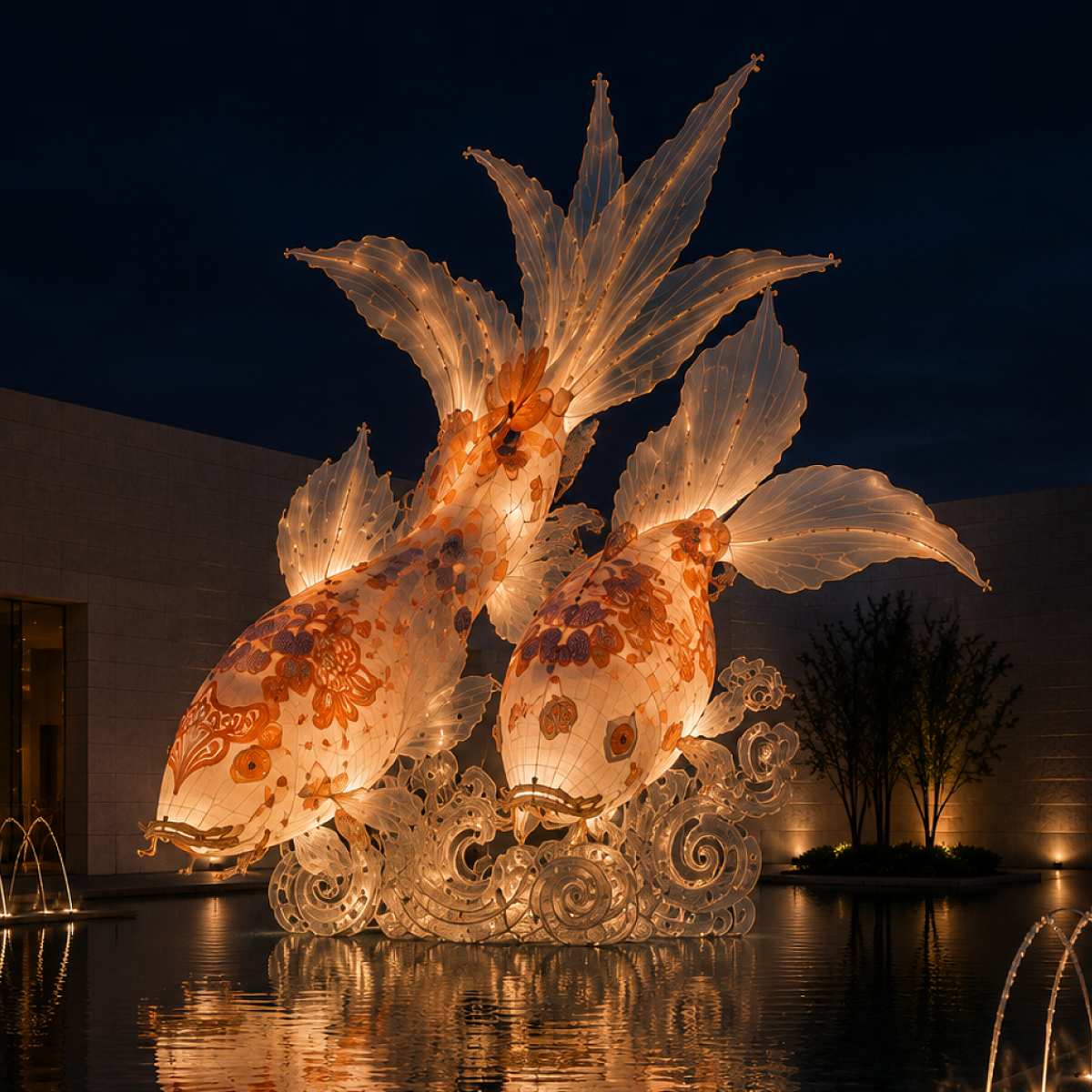
"Floating Appetite" is a contemporary sculpture that transforms the craftsmanship of hyper-realistic food modeling into...

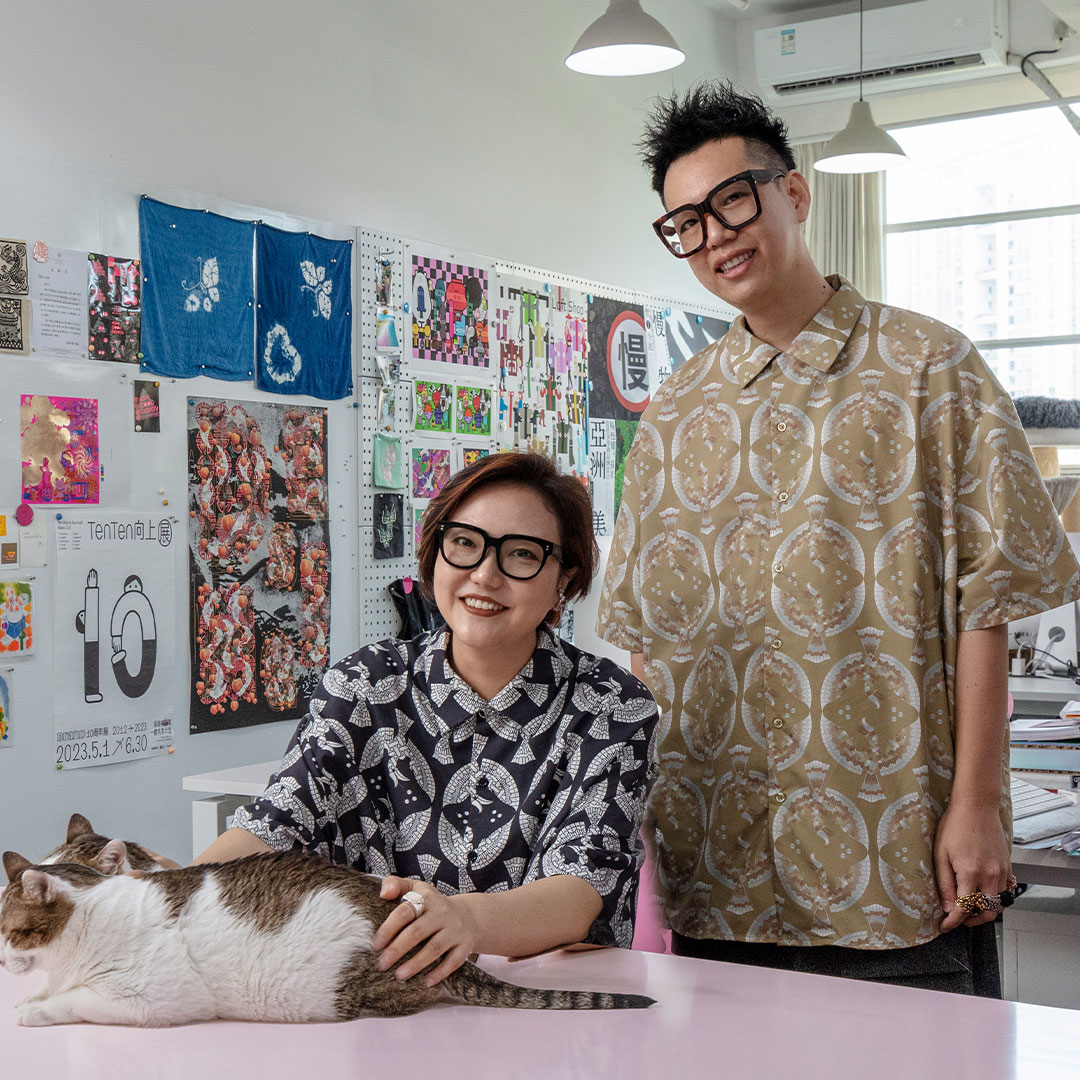
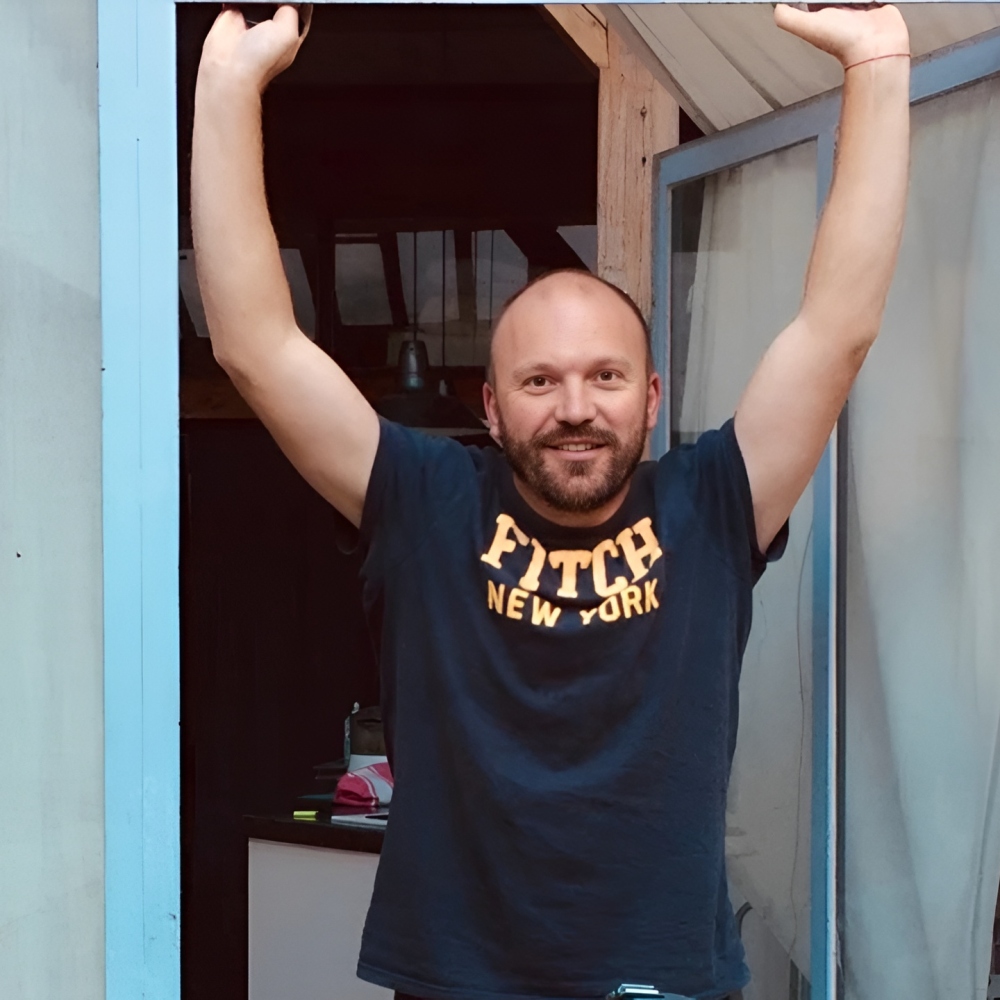
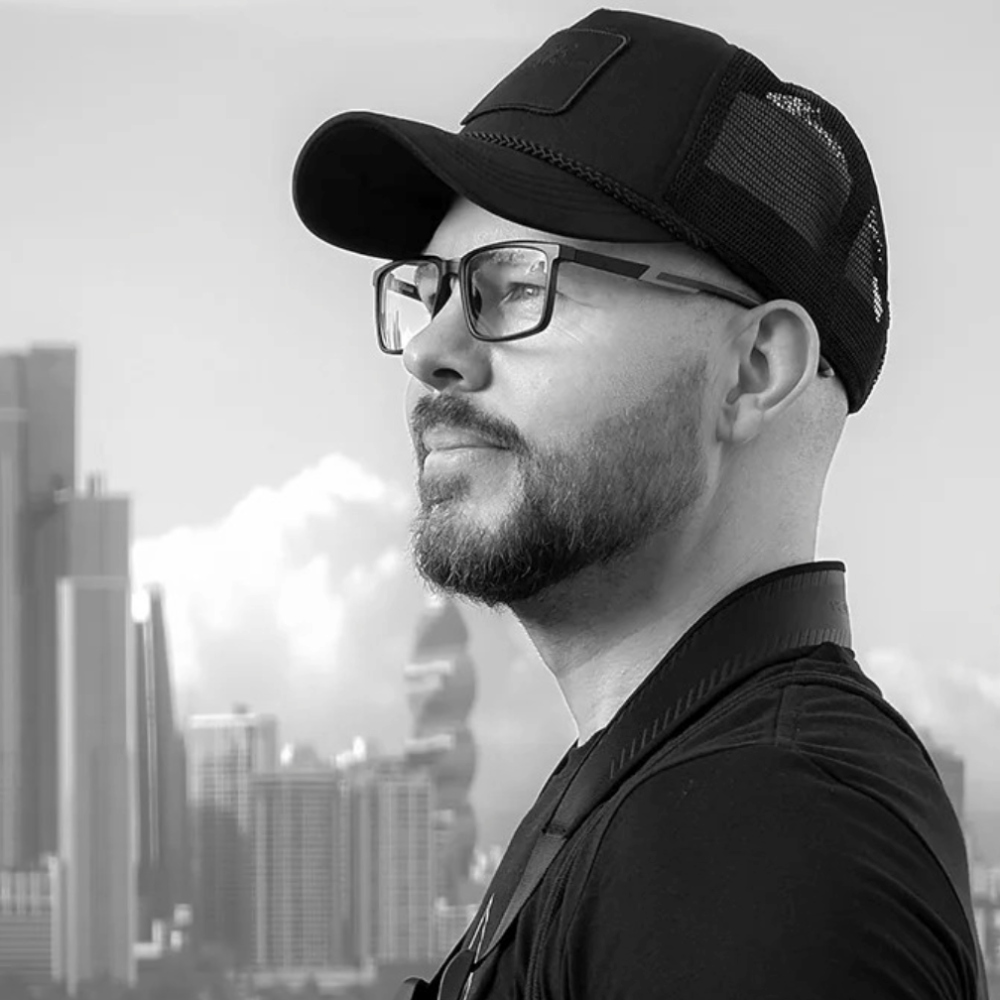
KAKU KOW, a food model artisan with 28 years of experience, is the first professional food model creator. His journey began when a Japanese mentor noticed his oyster omelet model, giving him the confidence to pursue this path. For KAKU, design transforms food into stories, culture, and emotion.
Hello, I’m KAKU KOW, a food model artisan with 28 years of experience, recognised as the first professional food model creator.
My journey began when a Japanese mentor noticed my oyster omelet model, giving me the confidence to pursue this path. For me, design is not merely about aesthetics—it is a medium to preserve culture and emotion.
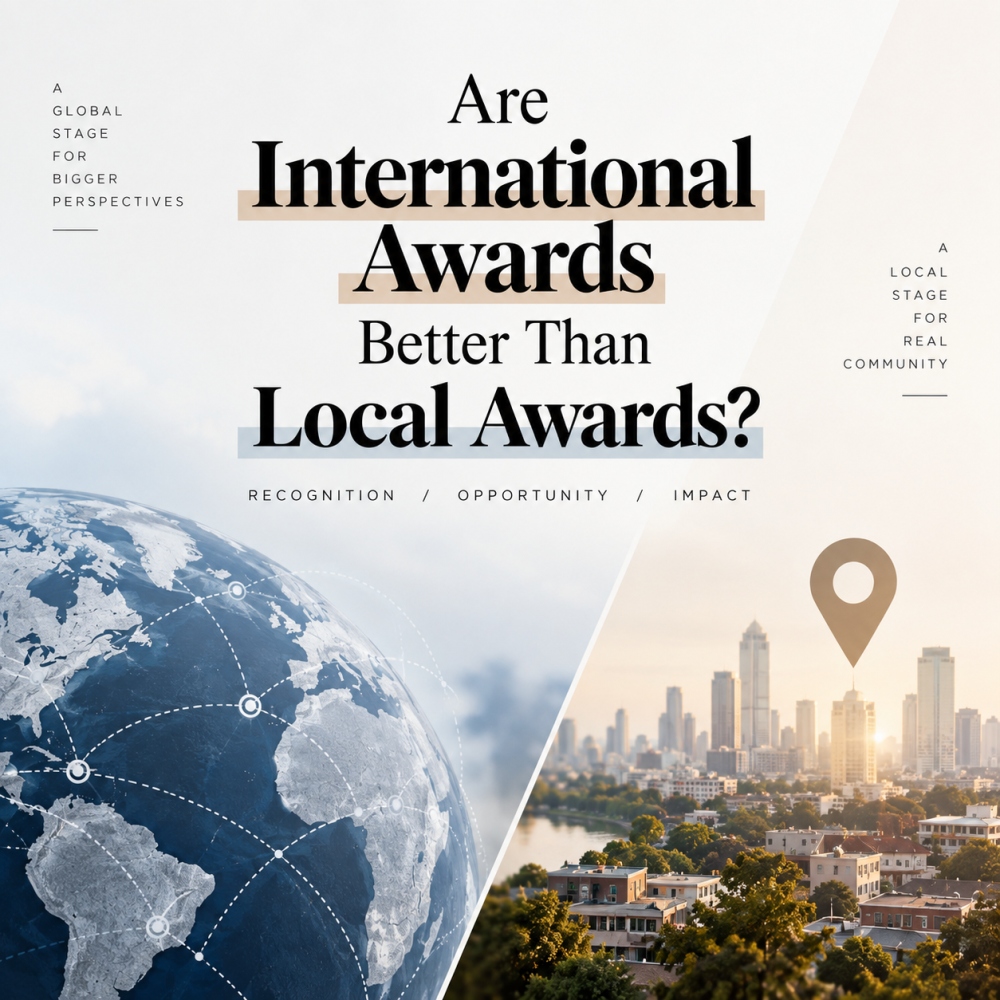
This award is a meaningful affirmation of my persistence in craftsmanship and cultural storytelling. It demonstrates that traditional cuisine, when reinterpreted through contemporary design, can resonate globally.
The award has raised international visibility for me and my team, opening doors for cross-border collaborations. Several cultural institutions and brands are now in discussion with us regarding future exhibitions and projects.
Experimentation is central to my work. For instance, to make the noodles float realistically in the winning piece, I had to develop a unique resin mixture that allowed the structure to rise while remaining visually light.
One of my most unusual inspirations came from watching how an old noodle shop owner angles his wrist while serving noodles—there was an unexpected elegance in that everyday gesture.
I wish more people understood that design is not just about creativity—it is about respecting detail and time. Even a single millimetre can change how a piece conveys emotion.
I first seek to understand the client’s core values, then amplify them through my own perspective. It is not about compromise, but about finding the intersection between both visions.
The biggest challenge was creating the floating noodles effect. After hundreds of trials, the solution emerged by combining craft techniques with structural calculations.
I cook noodles in my kitchen or listen to my daughter practising her speeches. Returning to everyday life often brings clarity and inspiration.
My work often embodies the values of “no waste” and “respect for food,” rooted in my Hakka heritage and childhood experiences.
Don’t rush to follow trends. First, find the story you truly want to tell. When your work carries genuine emotion, people will naturally take notice.
I would love to collaborate with Shigeo Fukuda. His ability to challenge perception with humour and intelligence resonates with my belief that food can communicate in the same way.
I wish I were asked, “Is a food model simply a replication of food?”—my answer would be that I am replicating emotion, with the food merely as the medium.