Pulse
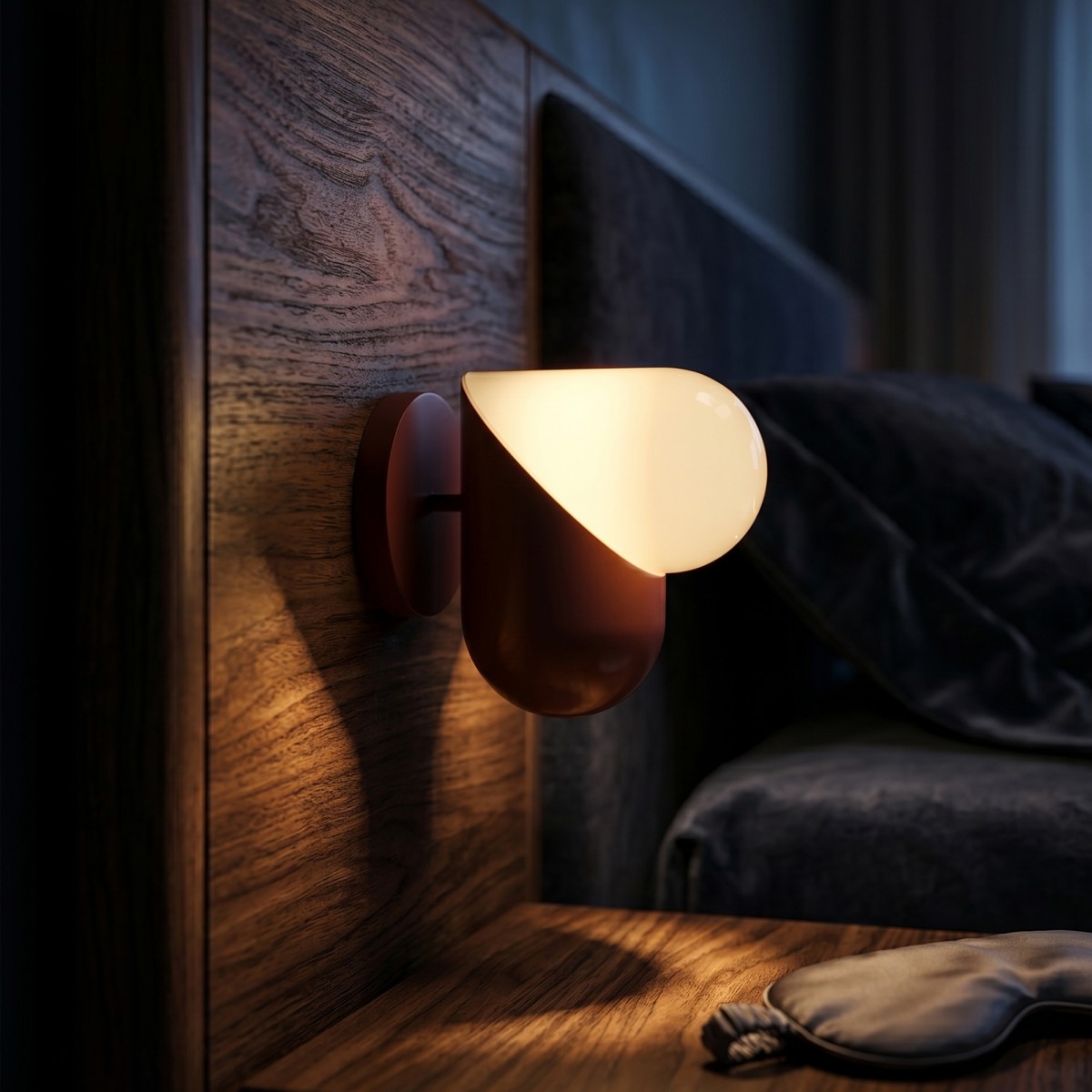
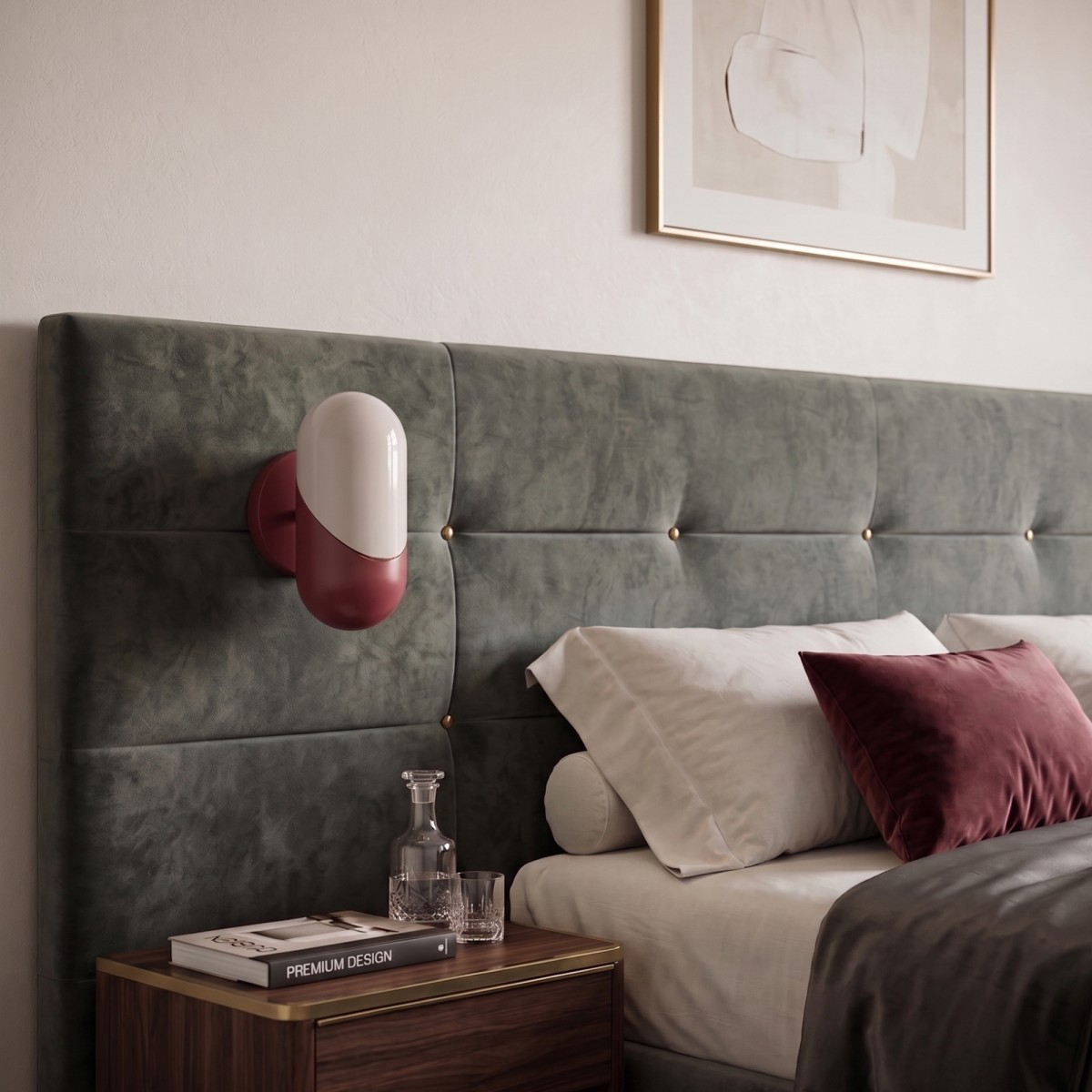
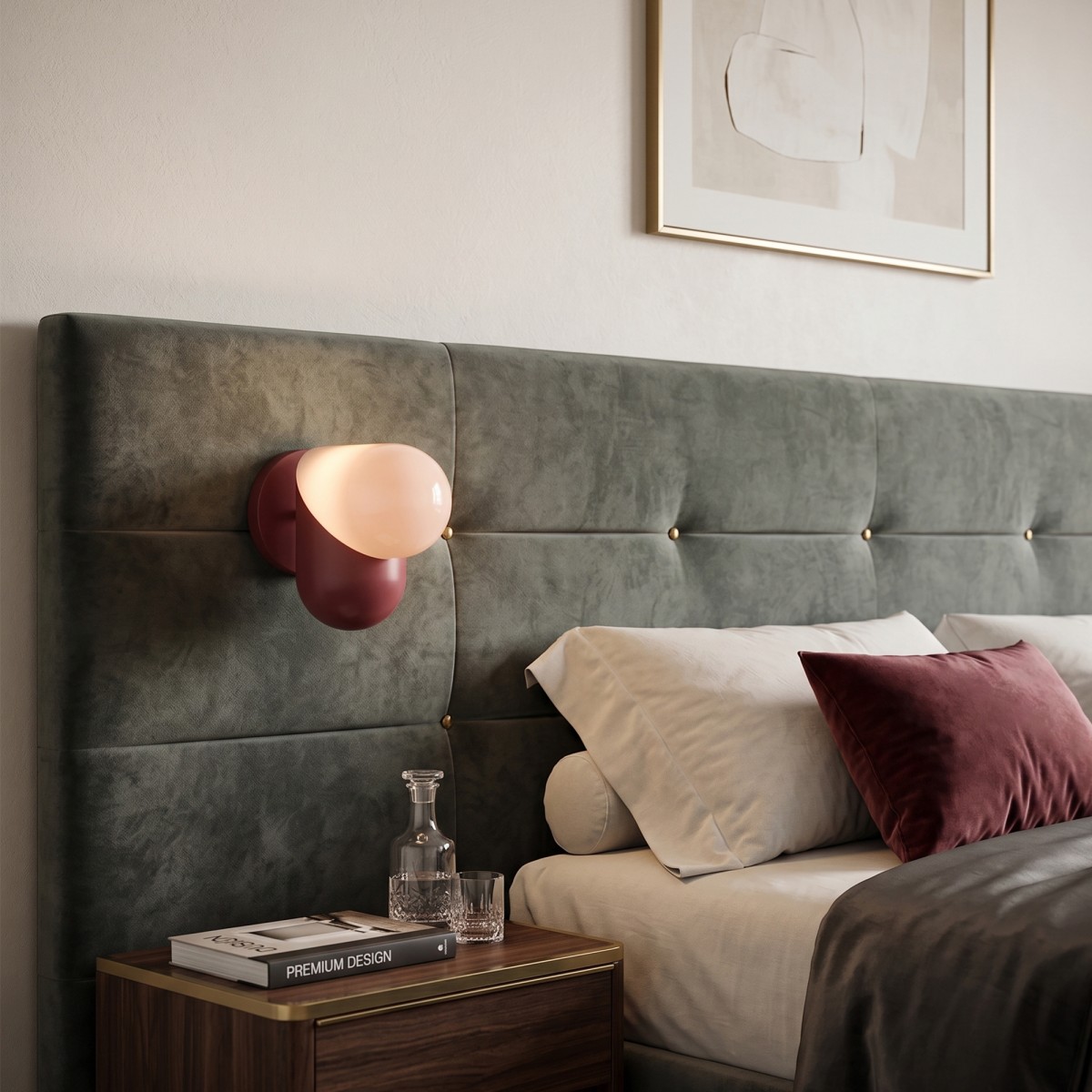
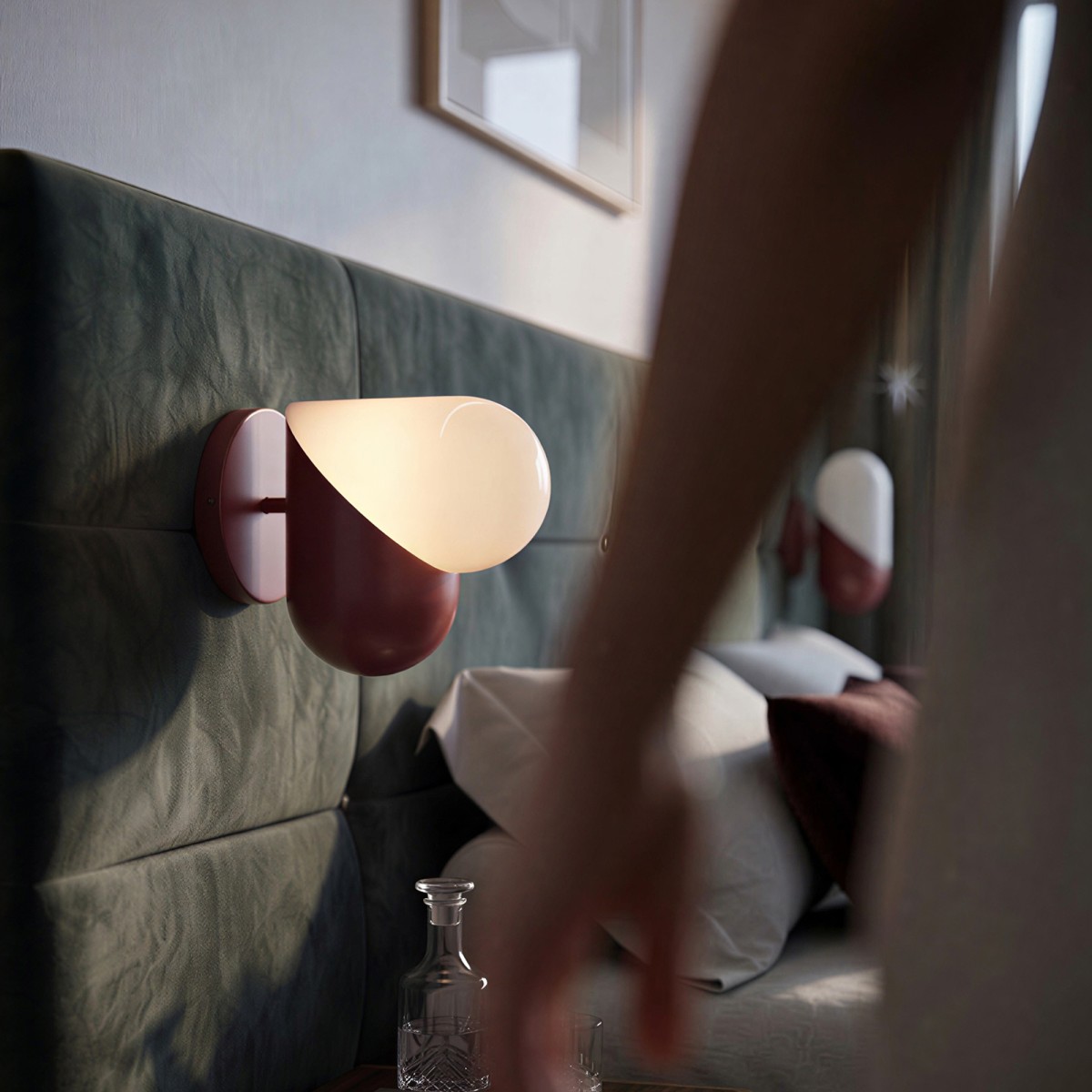
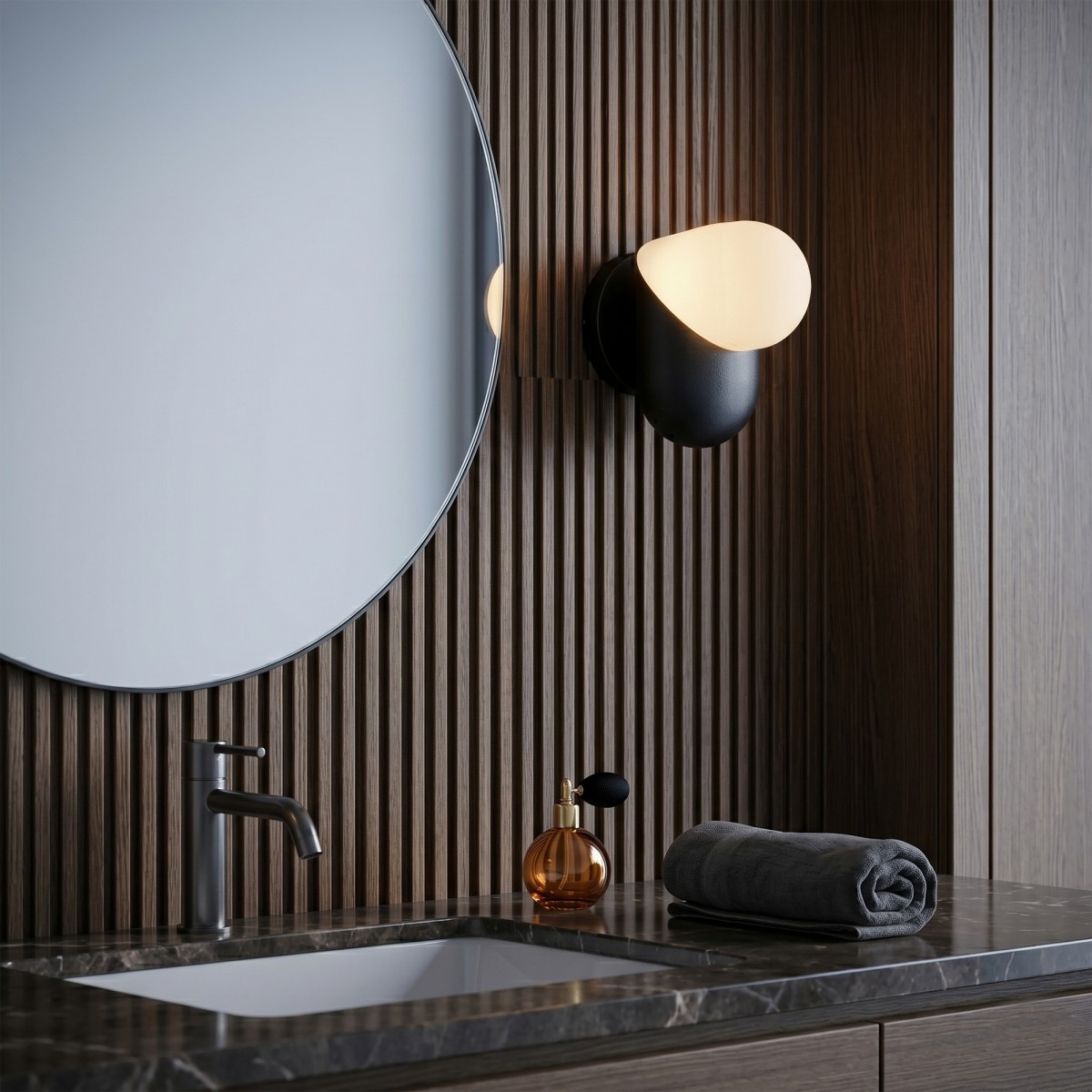
Pulse is a wall lamp in a mortal world but a journey, metaphorically. It is...
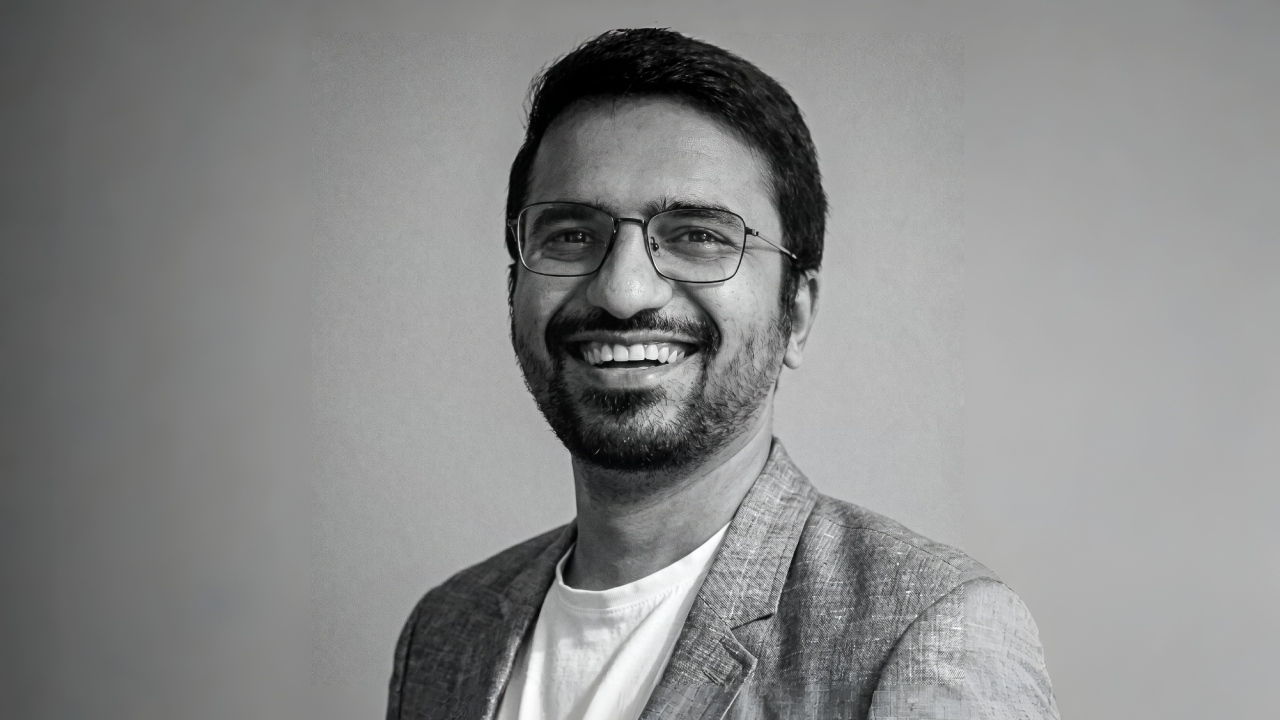
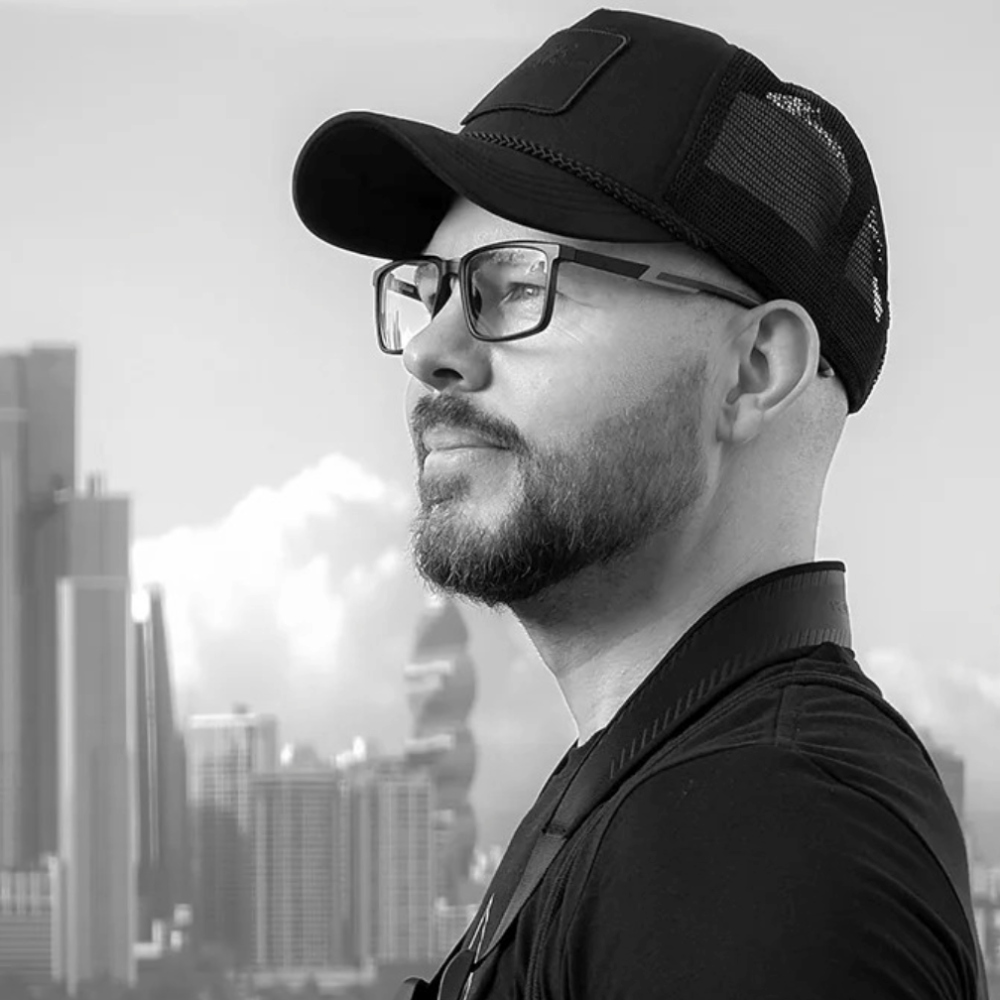
Yash Rathod is the Design Director at Mario Contract Lighting, where he focuses on custom lighting and signage for hospitality environments. His work explores how light, material, and form can shape emotional atmosphere and transform the way people experience space.
My name is Yash Rathod, and I serve as Design Director at Mario Contract Lighting, a fourth-generation American manufacturer specializing in custom lighting and signage for the hospitality industry.
My journey into design started long before formal education. As a child, I was fascinated by how everyday objects could quietly shape human experience, whether through form, material, light, or emotion. That curiosity eventually led me to study industrial design and design management, but what truly pulled me in was realizing that good design is not simply about making something beautiful. It is about solving real problems while creating emotional connection.
Lighting, in particular, felt powerful because it can completely transform how a space feels without saying a word.
This recognition means a great deal because it validates years of quietly pushing ideas, challenging conventions, and believing that thoughtful design still matters.
For me, this award is not just about one product. It represents the intersection of creativity, engineering, craftsmanship, and persistence. It also reflects the trust my team and company have placed in me to keep exploring what hospitality lighting can become.
Awards like this create credibility, but more importantly, they create conversations.
It will strengthen confidence within our team, generate meaningful discussions with clients, and open doors to industry connections that may not have happened otherwise. Internally, it reinforces that investing in original design, even in a highly practical manufacturing environment, is worth it.
Some of our strongest ideas started as sketches that seemed almost too unconventional to manufacture. My process often involves combining digital modeling, AI-assisted visualization, physical prototyping, and direct collaboration with engineers and artisans. For our award-winning design, we explored multiple structural variations before arriving at a form that felt emotionally expressive yet commercially manufacturable.
That balance only comes through experimentation.
Some of my best inspiration comes from things that have nothing to do with lighting. I have studied everything from childhood hand sketches and traditional pottery to architectural shadows, industrial piping, and even imperfections found in handmade objects. Sometimes the most interesting ideas come from remembering how something felt, not how it looked.
Good design mostly starts off messy. People often see the final product but not the hundreds of small decisions behind it, the failed prototypes, cost constraints, manufacturing discussions, supplier limitations, and countless refinements.
Design is not decoration. It is disciplined problem-solving.
Clients usually communicate goals, but not always the underlying problem. Once I understand what success looks like for them, I look for opportunities where function, budget, brand identity, and design integrity can all coexist.
The goal is never to impose my vision. It is to elevate theirs.
One of the biggest challenges was preserving the emotional character of the design while ensuring it remained scalable for manufacturing. A concept can look exciting on screen, but if it cannot be built consistently, it remains art instead of product.
By working closely with engineers, fabricators, and our production team, we refined the design until it achieved both visual impact and production feasibility.
I actually step away from it and do something hands on. Simply talking to people helps. That could be calling an old friend from my design school and exchanging ideas itself helps a lot with creative block.
Coming from a multicultural background and working in American manufacturing has taught me to value both tradition and innovation. I try to design products that feel modern but timeless, expressive but practical.
Learn materials. Learn manufacturing. Learn business. Learn how people actually use what you design. The designers who create lasting impact are not just artists. They are problem solvers, communicators, and leaders.
I would have loved to collaborate with Zaha Hadid. I have admired her work since design school, especially her fearless exploration of form and her extraordinary ability to transform bold concepts into iconic built structures, which continues to influence how I approach lighting as an extension of architecture rather than simply an object within it.
I wish more people would ask me, “What is your unique design thinking like?”
My design thinking lives at the intersection of emotion, manufacturability, and business reality. I love exploring bold forms and unexpected ideas, but I also believe great design must survive the real world, budgets, engineering constraints, installation challenges, and the human experience, because to me, the most successful design is not just something that looks beautiful, but something that gets built, performs, and quietly leaves a lasting impression.
Designing the Questions that Matter Most with Angelica Kramarski, read about her insight through this interview here.