Mt.ShooTao Hotpot Chinese Restaurant
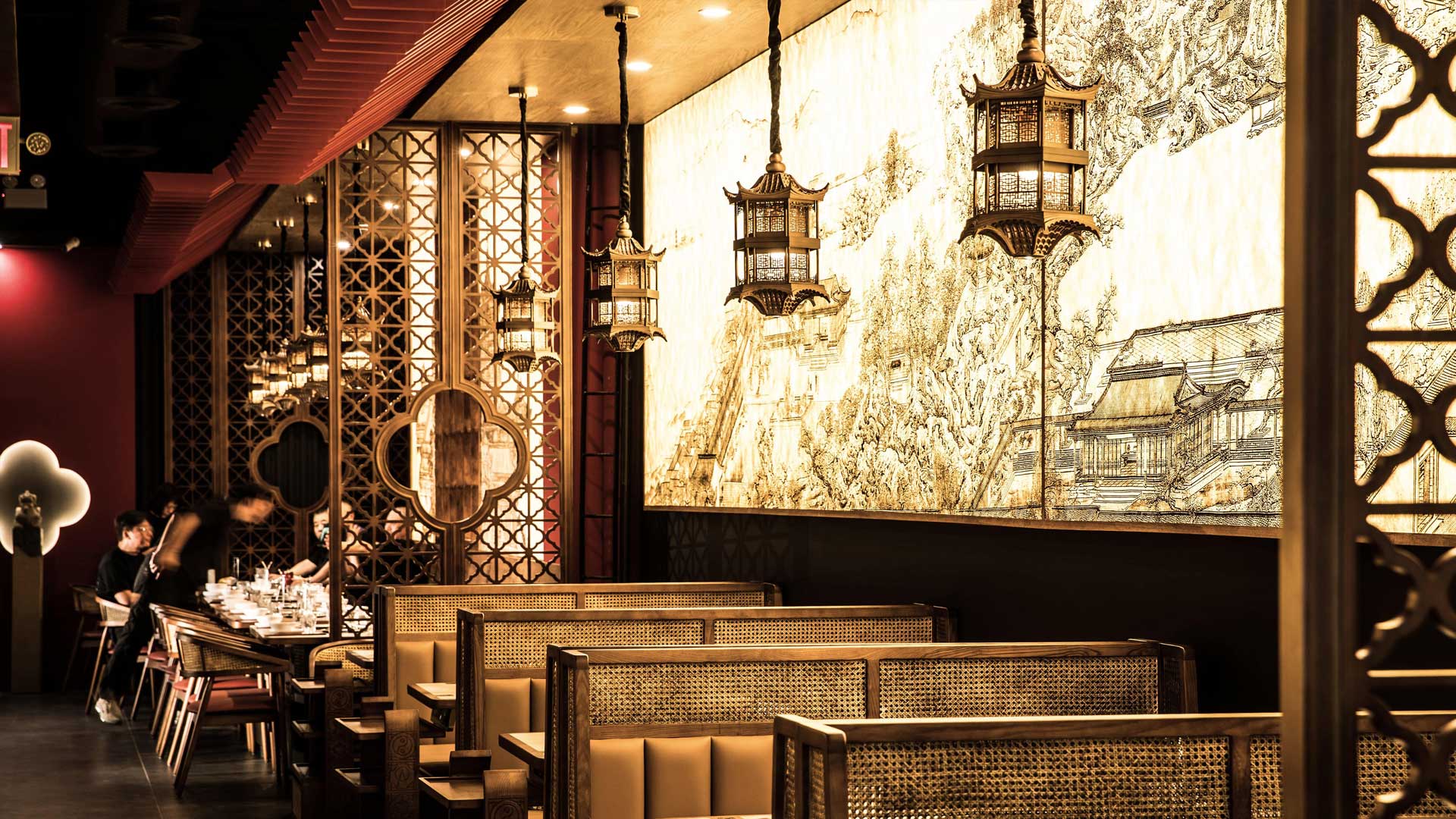
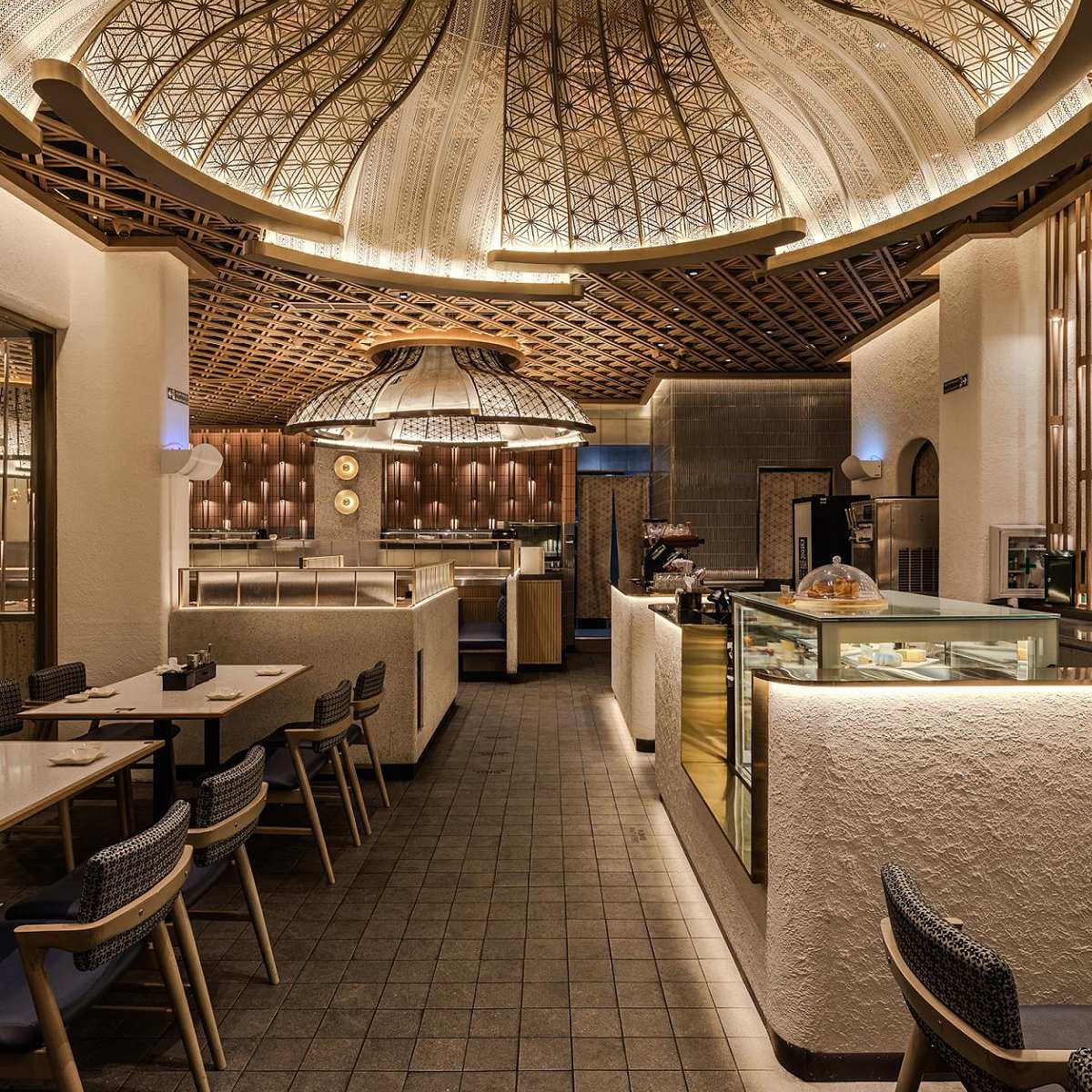
Located in Midtown Manhattan near the vibrant K-Town district, Mt. ShooTao is a 1,442 sq...
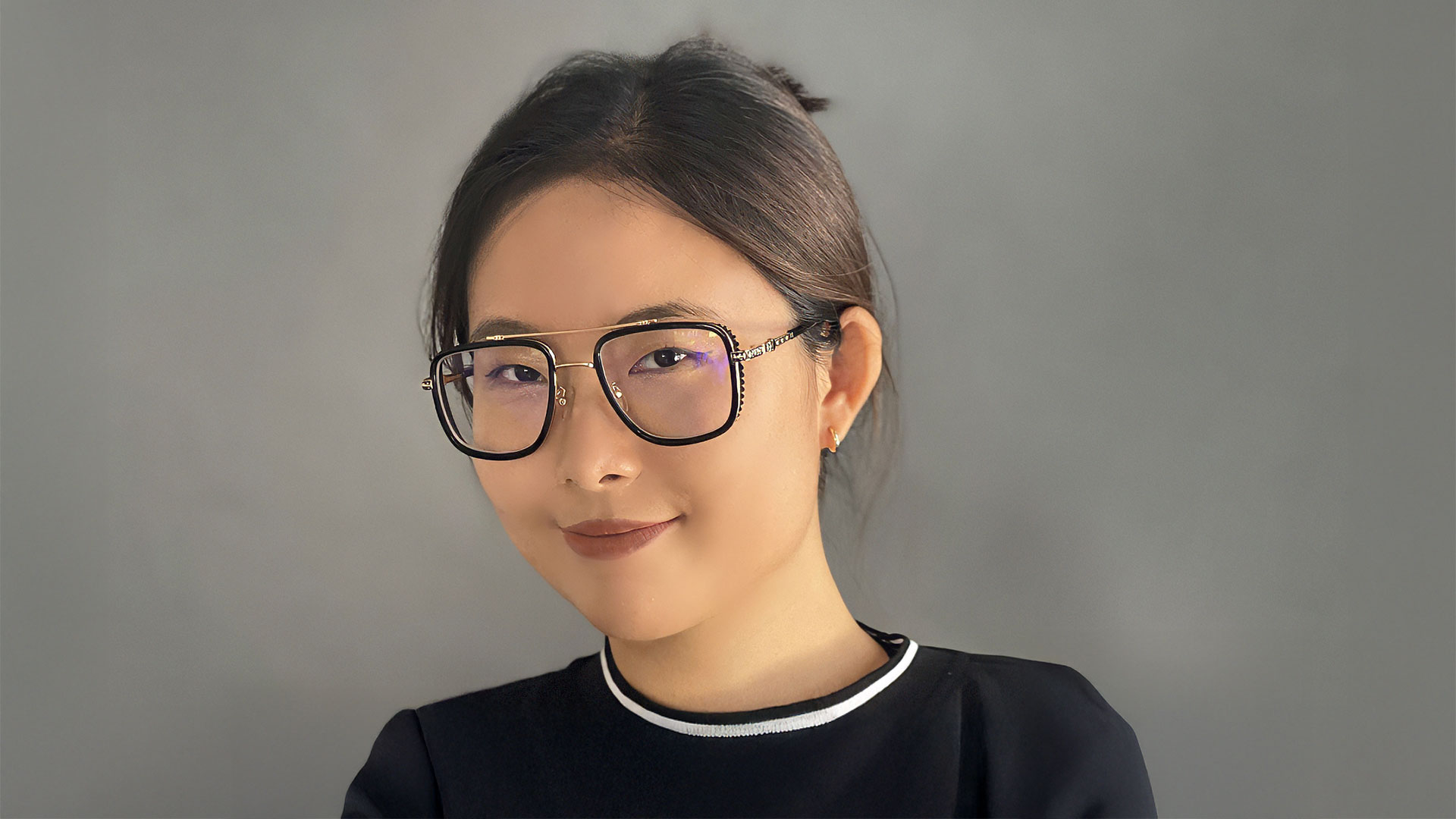
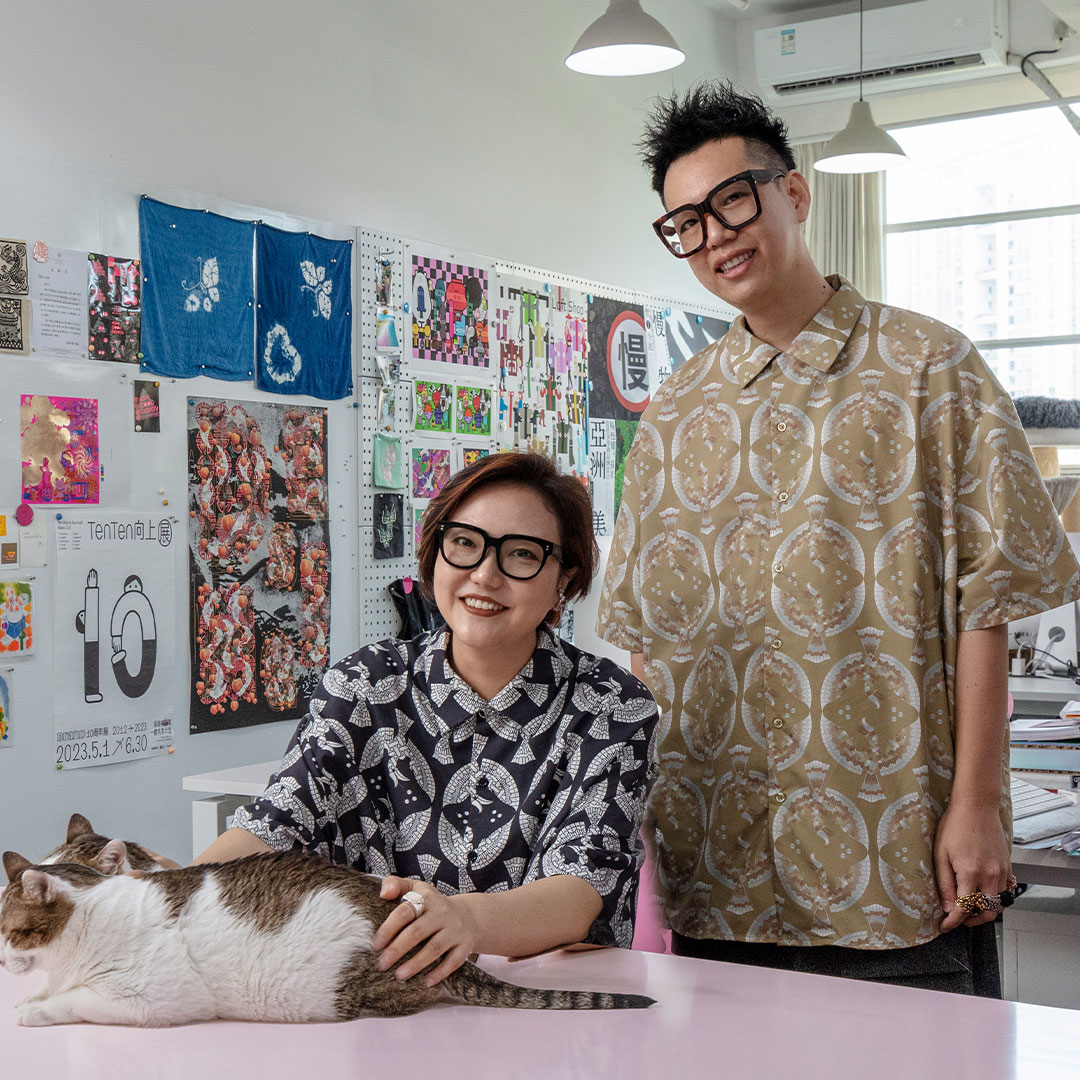
Jessie Wang is a New York–based designer pursuing her MFA in Products of Design at SVA, where she builds on her BFA in Interior Design. Her work centers on cultural storytelling and sensory experience, drawing inspiration from subtle, everyday moments of warmth, texture, and light.
My name is Jessie Wang, and I am a designer based in New York. I secured my BFA in Interior Design from the School of Visual Arts (SVA) and am currently pursuing my MFA in Products of Design at SVA. Becoming an interior designer has been my dream since childhood, and it continues to be a journey of constant growth.
My work revolves around cultural storytelling and sensory experience — I believe design is a form of storytelling that helps people reconnect with warmth and emotion in everyday life. My inspiration often comes from subtle, genuine moments: sharing a meal, touching a material, or observing the movement of light.
I submitted Mt. ShooTao because it represents a cultural dialogue — a reinterpretation of Sichuan’s spirit and aesthetics within the urban context of New York City.
Winning this award is both an honor and a responsibility. It reinforces my belief that when design is rooted in culture and emotion, it can transcend geography and language, allowing Chinese culture to be reimagined and appreciated globally through a contemporary lens.
The concept of Mt. ShooTao draws inspiration from Sichuan’s mountains and its iconic hotpot culture. Hotpot symbolizes the warmth of gathering, while the mountains evoke ascent and arrival.
I wanted the spatial flow to feel like a “mountain journey,” guiding guests from the entrance upward toward a pavilion-like peak. The beams and ridge-shaped ceiling create a sense of rhythm and elevation — turning spatial transition into an emotional climax.
It’s the harmony between emotional storytelling and spatial rhythm. Rather than replicating tradition, the design translates it through a modern lens. By shaping light, structure, and material, I reconstructed the rhythm of Eastern architecture so its essence could be experienced rather than merely observed.
Especially in a multicultural city like New York, a Chinese restaurant should do more than display cultural symbols — it should bring tradition to life through a new, contemporary language.
Space constraints were the greatest challenge. In a city like New York, every square foot counts. Designing a layered “mountain experience” within just 1,442 square feet required precision. Through a ridge-shaped ceiling, directional lighting, and carefully modulated spatial compression and release, I was able to create a sense of journey and elevation within a compact footprint.
This recognition encourages me to continue exploring cultural storytelling within hospitality and public space design — to make design a bridge that connects people, emotion, and memory.
I believe meaningful design goes beyond form or style; it should help cultural identity find its place in a diverse world, leaving a trace — a “monumental memory” of who we are.
Many guests said that entering the restaurant felt like being transported into the mountains of China. They described feeling the warmth, the atmosphere, and the human connection — that sense of heat, liveliness, and togetherness. These reactions move me more than the award itself.
Stay curious and build your own design narrative. Design is not only about form — it’s an attitude. Observe the subtleties of daily life and understand human emotion; the more you connect with people, the stronger your design becomes. Above all, stay true to your design philosophy.
I believe design will increasingly focus on people and stories. In this fast-paced world, people long for experiences that feel genuine and emotionally resonant. The future of design lies not in spectacle, but in creating warmth, empathy, and human connection.
Just go for it. You’ll never feel fully ready, but every submission is a chance to better understand yourself and your work. The process of sharing your design with the world is part of becoming a more confident creator.
Creativity gains meaning through sharing. Each of us carries a unique cultural background — a source of inspiration worth showing to the world. When we share, we expand the global design language.
To everyone who believed in me — especially William and Mr. Fang. Their trust and support made Mt. ShooTao possible.
A space that transforms Sichuan’s mountain soul and the warmth of hotpot into an architectural experience.
I’ll continue exploring the relationship between design and emotion, especially within dining and public spaces. My goal is to use light, space, and material to stimulate the senses — allowing people to rediscover a sense of happiness and ritual in everyday life.