Italian DNA - A Suburban Home
This project began with the personal purchase of a property located in Greater La Plata...

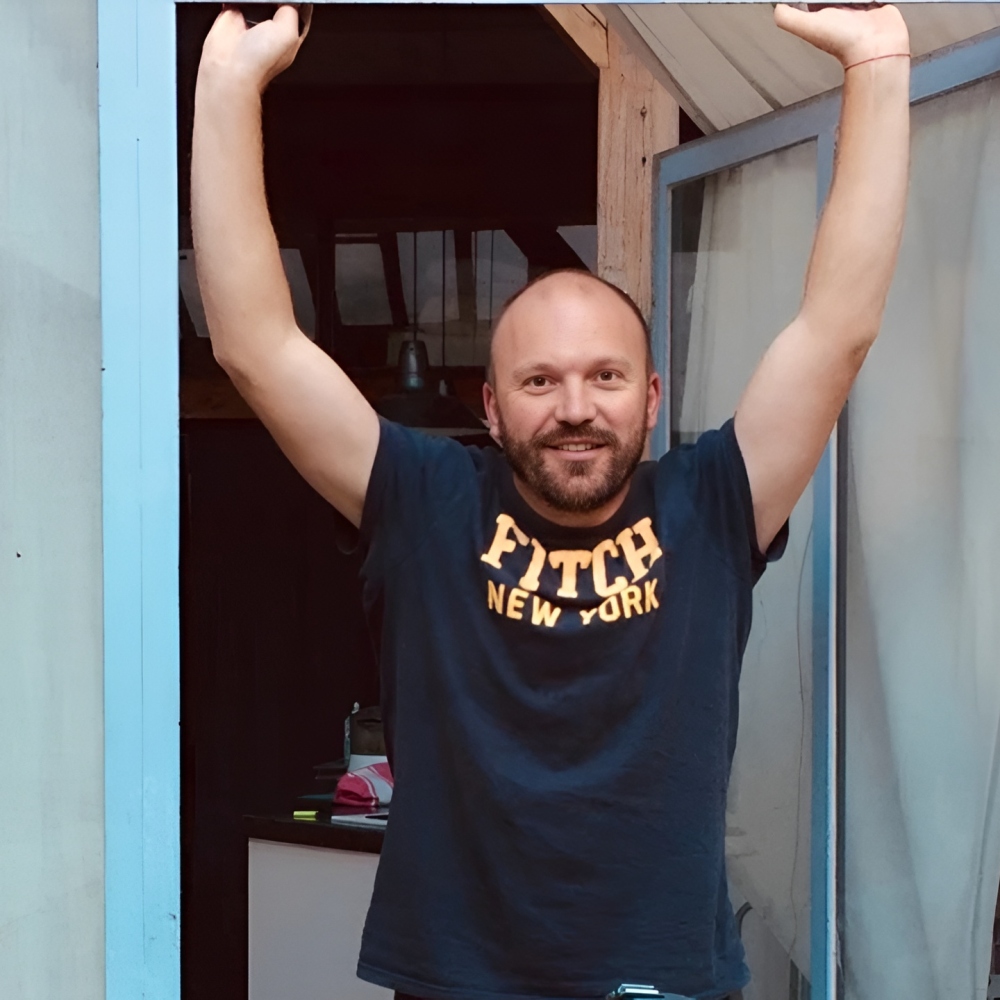
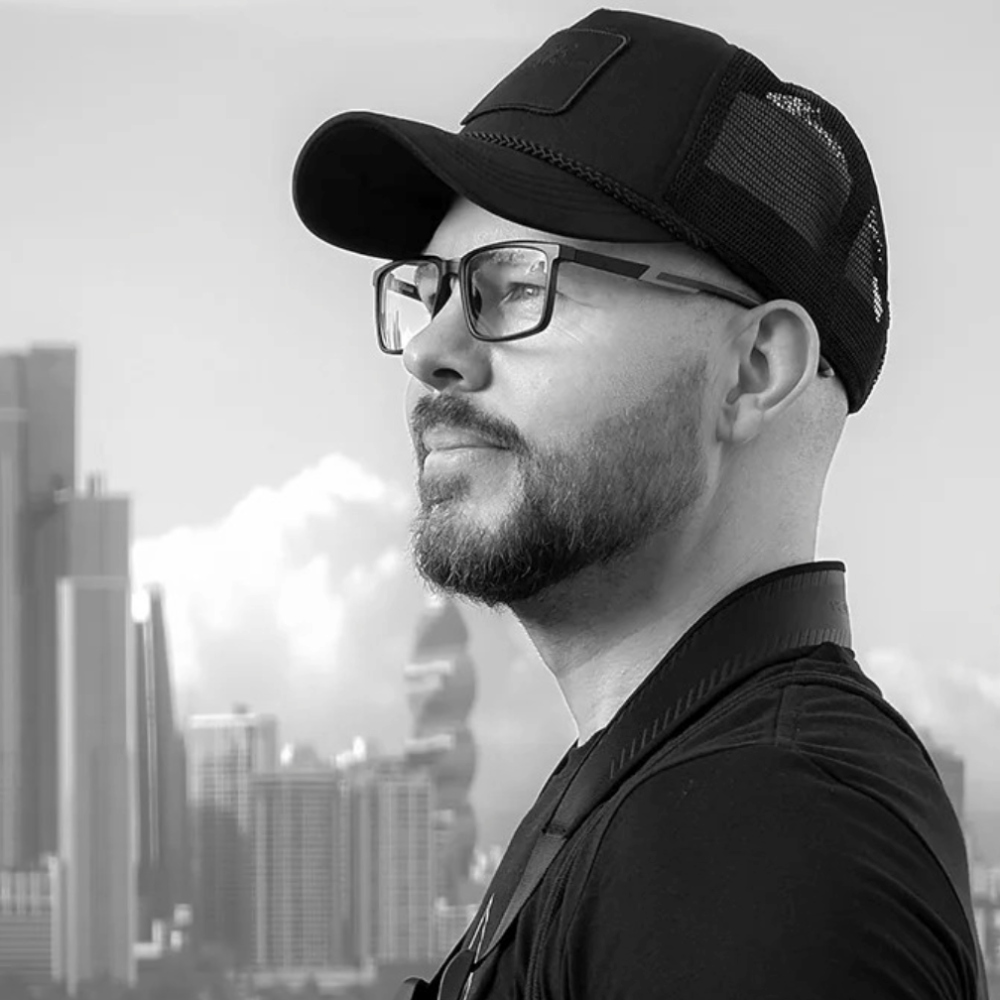
Argentine-Italian architect Pablo Paterniti, from La Plata, brings together a keen eye for aesthetics and a focus on functionality, creating spaces that resonate with both beauty and purpose.
I am Pablo Paterniti, Argentine-Italian, 55 years old, and graduated as an Architect from the Universidad Católica de La Plata, located in my hometown and current residence, La Plata, Buenos Aires, Argentina.
My inspiration to pursue this career arose from a sensitivity towards constructions from an aesthetic-constructive perspective, as well as a desire to organise spaces from a functional standpoint.
It means a great deal to me because, after 20 years dedicated to construction, I have decided to broaden my scope and also dedicate myself to "Intellectual Production".
The recognition I have received through this evaluation and subsequent award is truly unique, as I have never participated in a competition before. Being acknowledged by such a distinguished and numerous jury, alongside other colleagues with their important works, fills me with profound gratitude for this recognition.
It has brought me personal joy and introduced me to the public through the resulting publication.
Experimentation does not play a central role for me, but constant critical reflection on what is right or wrong in the creative process is essential. I avoid complacency. In this process, establishing clear principles is very valuable; I navigate the work while respecting them and always remain within the framework of the core idea.
The most unusual source of inspiration for me has been metaphor. The use of metaphor and its adaptation carry an intriguing intellectual flavour.
I would like people to understand that my work is very personal, often centred around subjective ideas that require appropriate professional intervention to add value.
I do this with the peace of mind that comes from believing in what I propose, in the sense that the client has been listened to and understood. The idea addresses their needs in such a way that I have never had to deviate far from it.
The biggest challenge was that, upon reviewing the existing construction, it became clear that the root of the problems lay in the foundations. I addressed this by undertaking the financial effort to redo them, while fully respecting the project based on certain principles (which are detailed in the publication).
I take a short break and then resume work. Generally, my primary concern is that the project functions effectively, so if a creative block arises, I overcome it by continuing to work until it resolves.
I strive to incorporate references that relate to the environment, both in terms of scale and language. I place great importance on the measure and proportion of the proposal, both generally and in detail.
A sense of what is "just" is crucial for me, steering clear of excesses or deficiencies. Functionality is also a key premise; determining circulation to create rich, enclosed spaces, as well as shaping the experience of being inside or outside, with intermediate spaces, adds value to both my process and my final product.
That success comes from hard work, and that this work must always be genuine.
I would collaborate with anyone I wish to work with. It is always enriching to exchange ideas with fellow professionals.
The question would be: "Do you find your work beautiful?" My answer is: "Yes, I find it beautiful because it is entirely authentic."