Morph
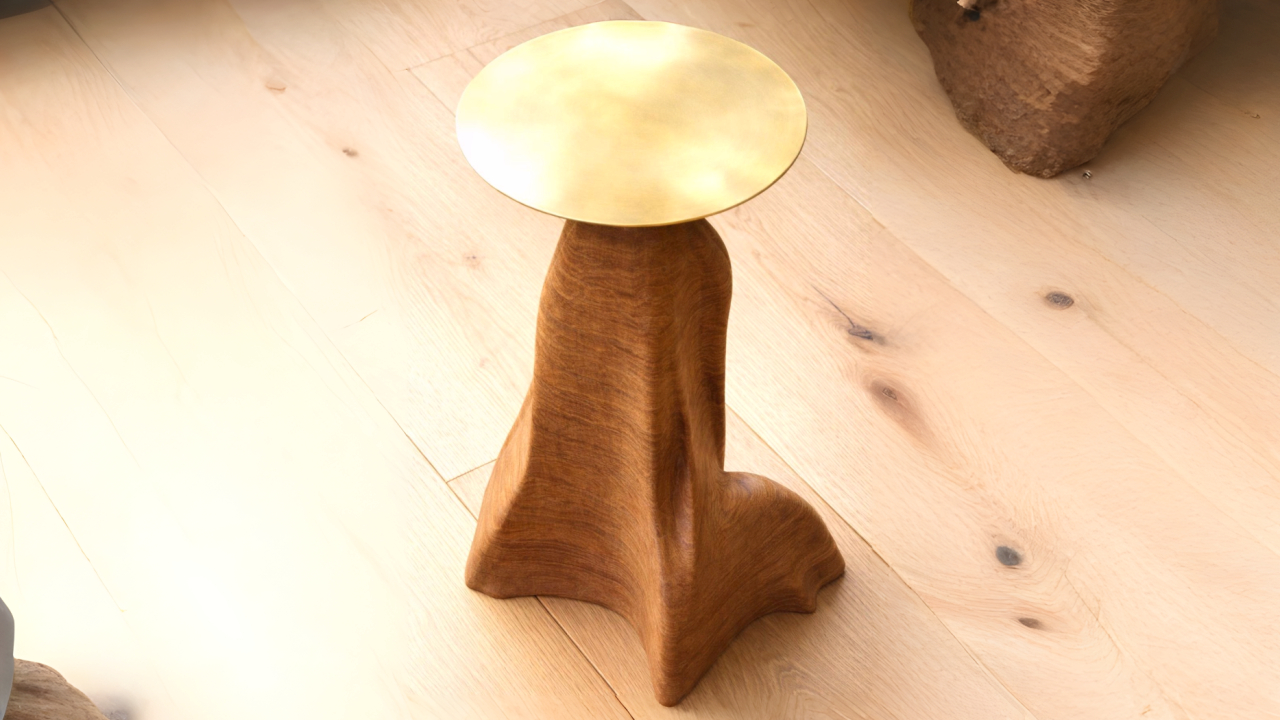
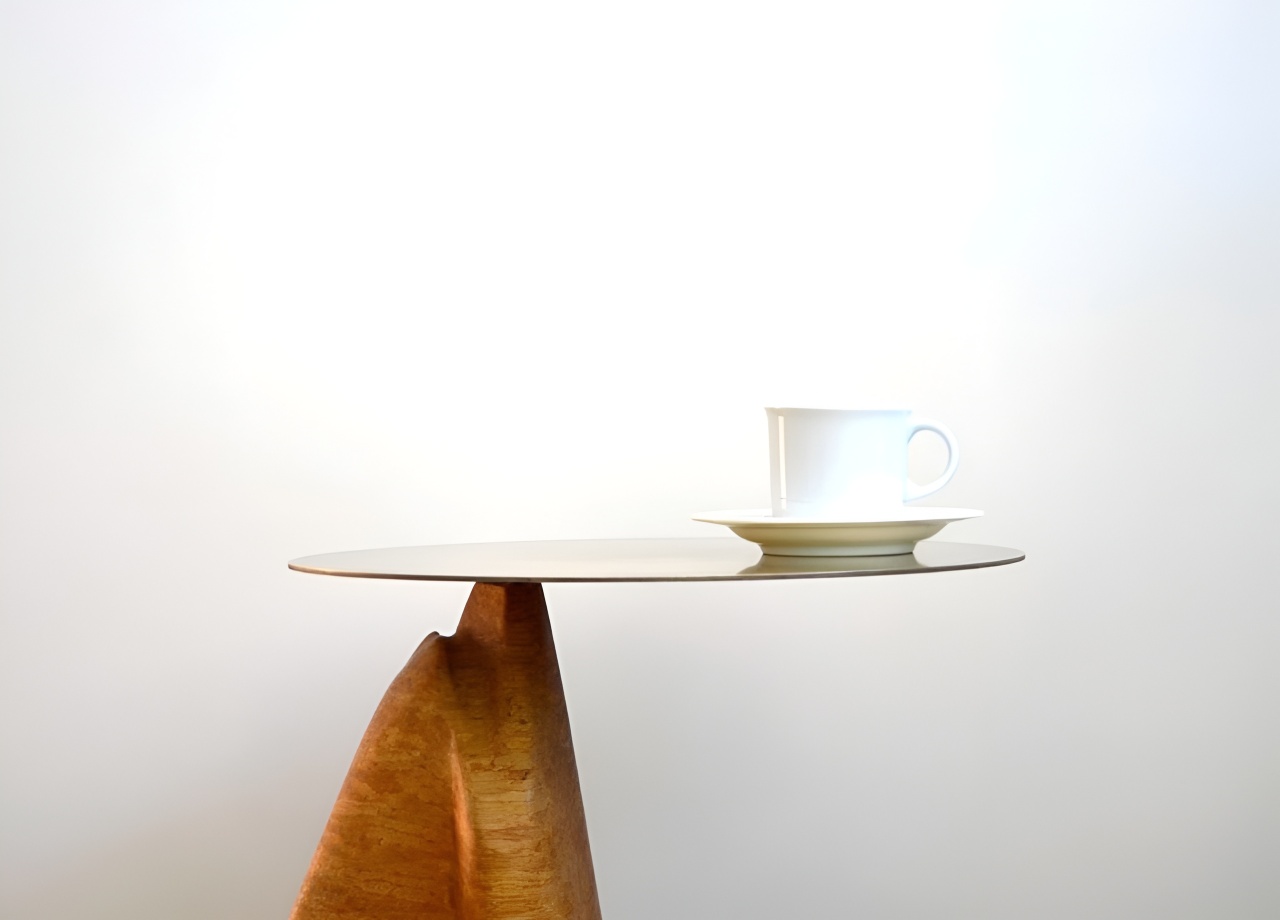
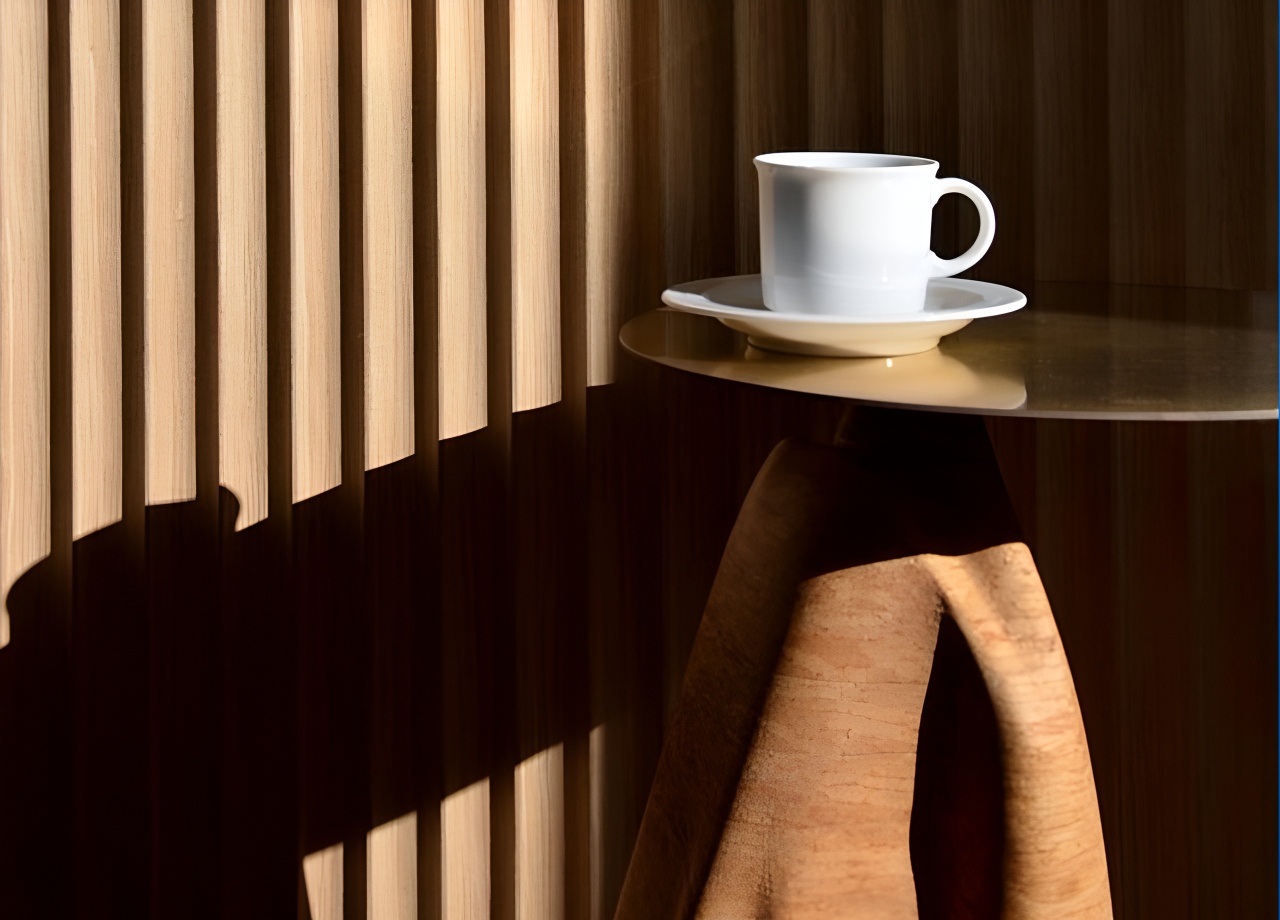
Morph is a sculptural table positioned at the intersection between furniture and sculpture. The piece...
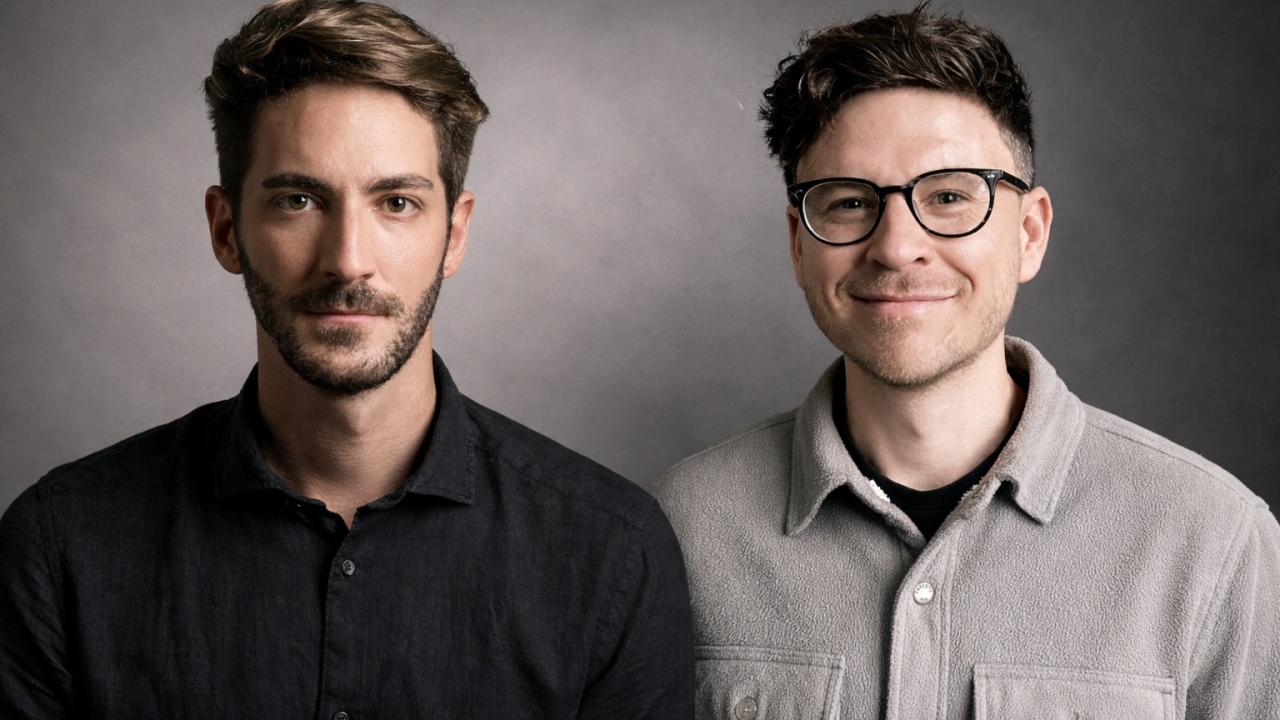
Michele Manzella and Ben Dudek founded Studio 52 to explore design beyond conventional boundaries. With experience at Heatherwick Studio and academic foundations at the Royal College of Art, their work treats architecture and objects as part of a unified system. Each project is shaped by a focus on atmosphere, interaction, and theatrical expression.
We are Studio 52, founded by Michele Manzella and Ben Dudek. We are both architects and met at the Royal College of Art in London, where Michele was completing a PhD in Architecture and Ben a Master’s in Architecture. That period shaped a shared way of thinking about design beyond pure function.
Before forming the studio, we both worked at Heatherwick Studio. That experience exposed us to projects that moved between architecture, objects, and art, and showed us how design can create emotional and spatial experiences rather than just solve problems.
We started Studio 52 to explore that territory more directly. Our work is driven by an interest in how objects and spaces can hold presence, and how they can introduce a sense of theatre and drama into everyday environments. We are both lovers of in-person performance, and Studio 52 aims to create that same sense of theatre within its work. That idea of design as something experiential, almost staged, continues to guide what we do.
As a young studio, it feels like an important moment. It gives weight to the direction we are taking and reinforces that there is value in working between disciplines.
Our projects sit between furniture, sculpture, and architecture, with an emphasis on material, form, and spatial presence. Being recognized for that approach suggests that there is an audience for work that is not purely functional, but also expressive and experiential.
It gives us confidence to continue developing that language and to push it further.
It helps us communicate our work more clearly. Recognition like this creates a point of entry for conversations with galleries, collaborators, and clients.
It also allows us to position the studio more confidently. We are building a body of work that moves across scales, and having that recognized externally helps connect those pieces into a clearer narrative.
At this stage, it is less about immediate change and more about momentum.
Experimentation is central to how we work. Our process moves between digital modeling and physical making, allowing each to inform the other.
This approach is rooted in our backgrounds. Ben worked as a Maker at Heatherwick Studio in London for a number of years, prototyping and fabricating objects, samples, and sculptures. That experience was grounded in experimentation and play, where ideas are tested through making rather than predefined outcomes. It is one of the foundations of Studio 52’s identity.
For the Morph table, we developed a digital model that simulates a form shaped by gravity. The aim was to create something that appears soft and draped, even though it is structurally solid. That model was then translated into CNC milled bamboo, which gave us a precise base to work from.
The final quality of the piece comes from hand finishing, where edges are softened and the surface is refined. That stage allows the material to take on a more natural expression.
The work sits somewhere between control and intuition, and that balance is what gives it character.
Often, the starting point is the material itself. Observing how it behaves, how it responds to cutting, shaping, and finishing.
With Morph, the idea of a rigid material appearing to drape like fabric became a key driver. That contrast between what something is and how it appears is something we return to often.
We are also interested in how objects are experienced over time. Even a static piece can have a sense of performance depending on how it is approached or viewed.
It takes time to arrive at something that feels simple. The final object often appears resolved, but it is usually the result of many iterations and adjustments.
There is a constant negotiation between idea, material, and production. None of those sits in isolation, and the process rarely follows a straight line.
Client expectations often become the starting point for a project, whether that is driven by context or through conversations with the client. Those inputs can create the initial direction and inspiration.
From there, we aim to extend the brief rather than simply respond to it. Surprise and delight, and creating a sense of theatre within the piece, remain central ambitions. That often means not taking the most obvious or easiest route, but instead pushing the work to offer something more unexpected while still aligning with the project.
The main challenge was creating a sense of softness in a material that is inherently rigid. Bamboo has a strong grain and structural integrity that resists that kind of expression.
We approached this through a combination of digital modeling and hand refinement. The CNC process established the form, but the hand finishing was essential in removing sharpness and allowing the surface to interact with light in a softer way.
There was also a structural challenge in cantilevering a thin brass disk from the top of the piece. It needed to feel light and effortless, while maintaining stability and ensuring the connection remained robust over time. Resolving that balance between visual lightness and structural integrity was a key part of the development.
Maintaining overall balance was important so that the piece feels stable but still slightly unexpected.
Usually, by stepping away and changing context. Michele often returns to his native Bologna, while Ben enjoys exploring cities at night, drawn to the energy and dynamism that major cities bring.
At the same time, we both retreat to nature. It may be an obvious answer, but there are a few places that are both peaceful and inspiring in the same way. The countryside of England is often somewhere we return to reset our perspective.
A focus on material honesty, balance, and restraint. We are interested in how objects can feel both precise and expressive at the same time.
There is also a consistent interest in introducing theatre and drama, not in an obvious way, but through composition, contrast, and moments of tension.
Stay connected to making. Understanding how things are physically realized is essential.
Also, develop a clear perspective. The work that stands out tends to come from a consistent point of view rather than reacting to trends.
Someone like Peter Zumthor. His work reflects a deep commitment to material honesty, fabrication, and an exceptional level of attention to detail. There is a clarity and restraint in his architecture, but also a strong atmospheric quality that gives it presence. That balance between precision, craft, and sensory experience is something we strongly relate to in our own work.
What has the development of this piece made you want to design in the future?
It has reinforced our interest in pushing further into the space between furniture, sculpture, and architecture. Developing this piece has opened up new ways of thinking about scale, material, and balance, and how objects can carry a stronger sense of presence.
It makes us want to continue exploring pieces that feel both structural and expressive, and to expand that language into larger and more spatial work.
Explore another Tokyo Design Awards winner by clicking this link to read about Sophia Lampropoulou, Founder of 3D Season Shares Her Insights of Design Evolution.