Desert Central Bar – UE5 Real-Time Environment Art
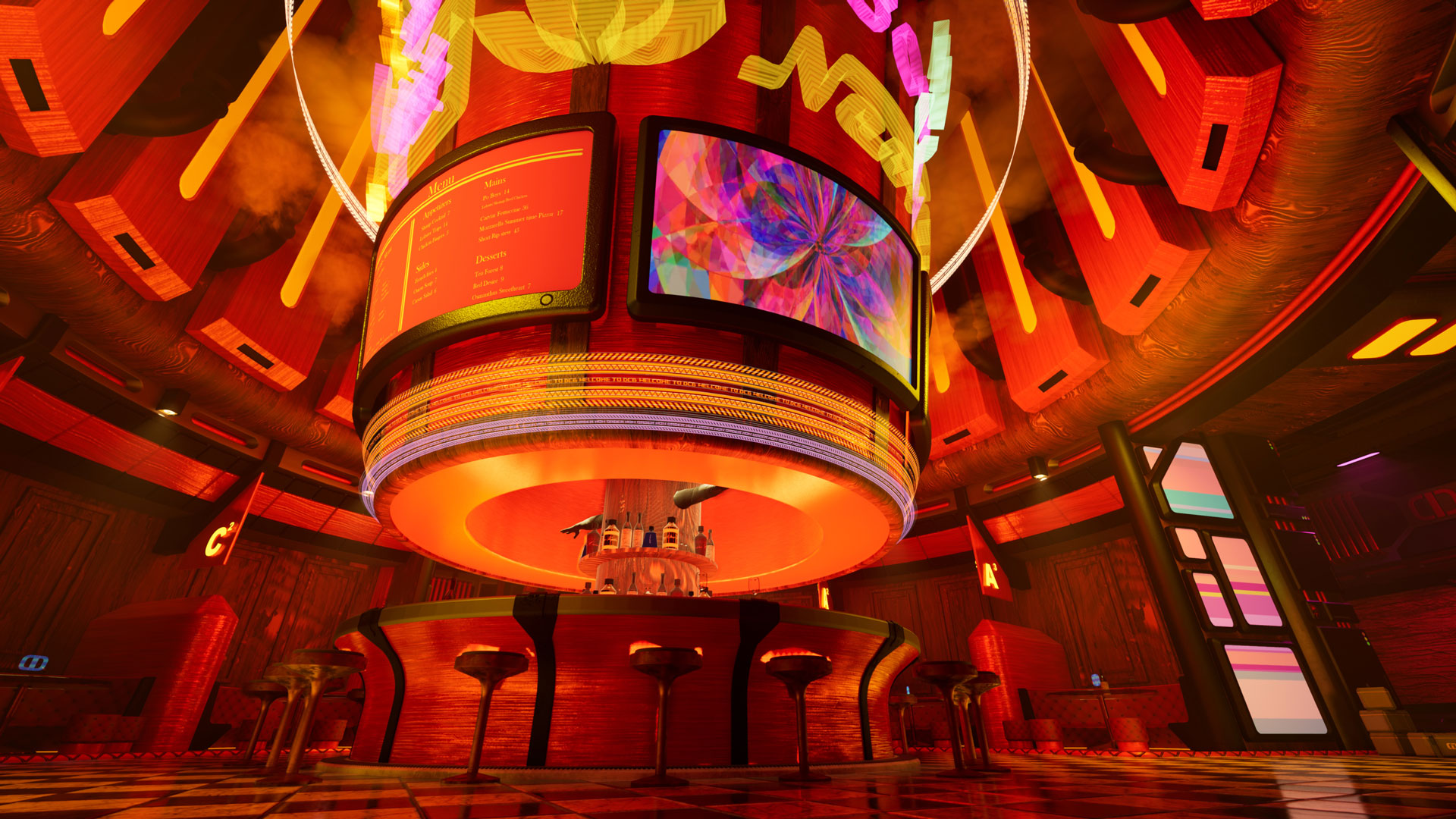
Desert Central Bar is a real-time 3D environment video created in Unreal Engine 5. The...
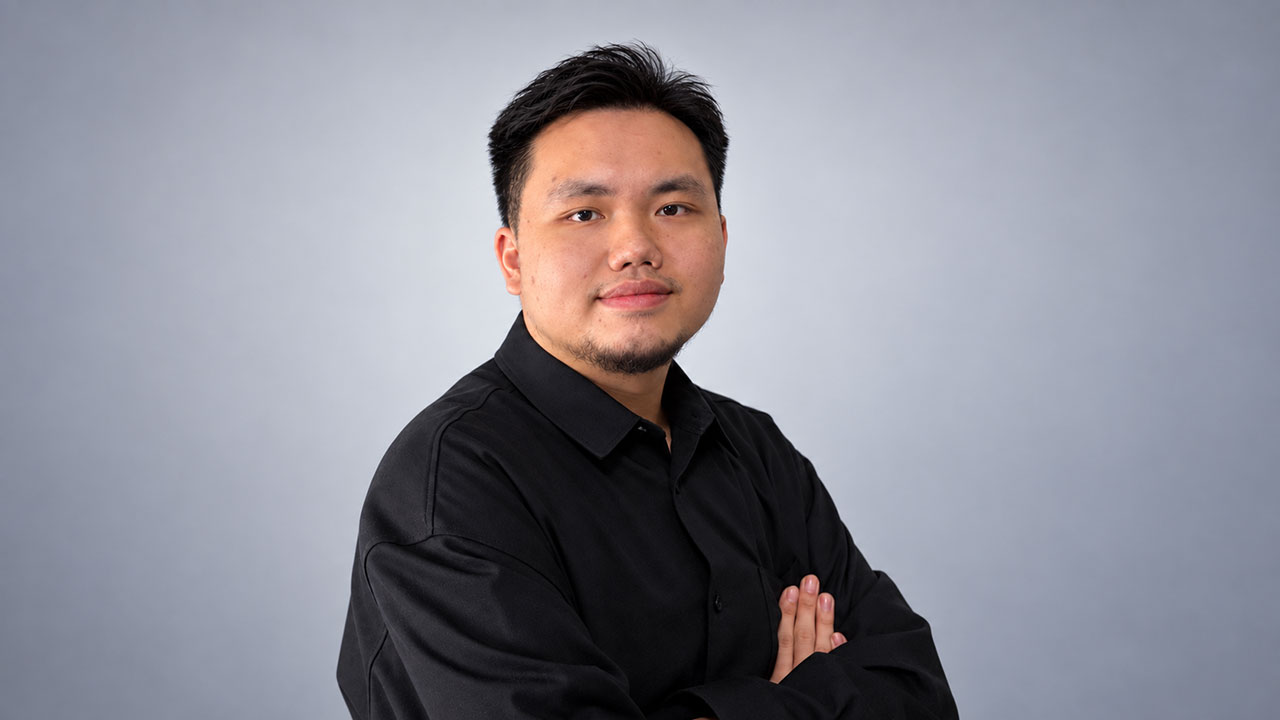
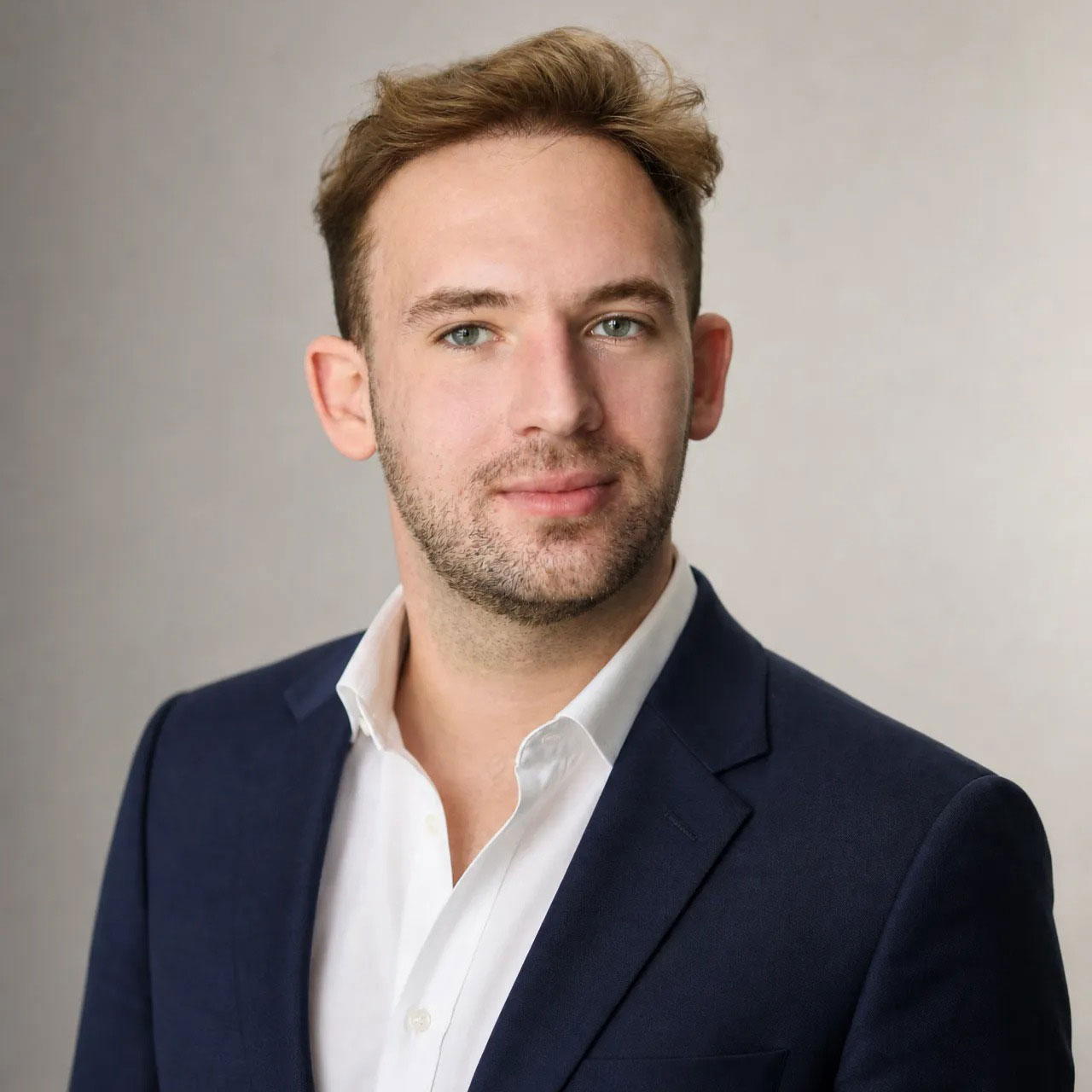
Weitao Dai is an Environment Artist specializing in real-time environments in Unreal Engine 5, combining modular production, materials, lighting, and spatial storytelling. With a background in animation, he brings a cinematic eye to environment art, creating immersive, game ready worlds from blockout to final presentation.
I’m Weitao Dai, an Environment Artist focused on building real-time environments in Unreal Engine 5. My work centers on modular environment production, materials, set dressing, lighting, and spatial storytelling.
My background is in animation, where I developed an interest in visual storytelling, composition, and cinematic presentation. Over time, I became increasingly drawn to environment art because it allowed me to combine those interests with architecture, materials, lighting, and real-time technology. That shift led me to focus on creating game-ready environments and developing complete scenes from blockout through final presentation.
Today, I continue to develop personal real-time environment projects while building my professional experience in 3D visualization and production workflows. I’m especially interested in environments that feel visually memorable while maintaining clear spatial logic and believable material language.
I submitted Desert Central Bar because I wanted to evaluate the project beyond the context of a personal portfolio and see how its visual direction and execution would be received in a broader creative competition.
Winning a Silver award is meaningful to me because the project was developed independently, from the initial environment concept through modeling, materials, lighting, and final presentation. Personally, it gives me confidence that the time spent refining the project translated into something that communicates effectively to others.
Professionally, the recognition provides an external benchmark for my work and motivates me to continue developing stronger real-time environments with greater technical and artistic depth.
Part of the initial inspiration for Desert Central Bar came from visiting New York and Las Vegas, where I became interested in how entertainment and hospitality spaces use lighting, signage, scale, repetition, and spectacle to shape the way people experience a place. I was especially drawn to the contrast between visually intense public environments and the more intimate social spaces within them.
That observation eventually developed into the idea of a futuristic social environment organized around one unmistakable landmark: a monumental circular bar. From there, I translated those influences into a retro-futurist setting using saturated lighting, illuminated graphics, modular architecture, and worn materials rather than recreating any specific real-world location.
I feel the project reflects an important aspect of contemporary environment art: artists are increasingly able to combine spatial design, storytelling, material development, cinematic presentation, and real-time technology within a single workflow. For me, Desert Central Bar represents that intersection between visual atmosphere and functional spatial design.
I believe the strongest element of the project is its clear visual identity. The circular bar acts as a recognizable focal point from multiple viewpoints, while repeated architectural forms, illuminated signage, and the controlled red and amber palette create a consistent language throughout the environment.
I also approached the scene as a complete environment rather than a single hero shot. Modular assets were reused across different zones, procedural materials were developed for the major surfaces, and lighting was tested from multiple camera positions. My goal was to make the space remain visually coherent even when viewed away from the primary composition.
One of the biggest challenges was maintaining spatial readability within such a saturated lighting scheme. Early versions allowed the emissive screens, signage, architectural lighting, and central structure to compete for attention, which weakened the hierarchy of the scene.
I addressed this through repeated lighting and camera tests. I adjusted exposure, value separation, light intensity, material response, and the placement of secondary lights so that the circular bar remained dominant while surrounding areas were still readable.
That process taught me that atmosphere is most effective when it is supported by a clear visual hierarchy rather than simply adding more light or color.
I hope the recognition helps establish greater visibility and credibility for my work as I continue developing professionally as an Environment Artist. For me, the most important long-term value is having an independent project evaluated outside of an academic or personal context and recognized by an international creative award.
The award is still recent, so I think it is too early to measure its full impact. However, it has already encouraged me to think more carefully about how projects are documented, communicated, and presented to different audiences.
What has been most meaningful so far is seeing the project recognized in a broader creative context beyond the environment art community where I originally developed and presented it.
Throughout the project, feedback from instructors, peers, and other artists helped me identify areas that needed stronger visual hierarchy, structural clarity, and presentation. Looking back, those critiques were valuable because they encouraged me to keep refining the work rather than treating the first visually successful version as finished.
I would recommend focusing first on the quality and clarity of the work rather than designing specifically for an award. A strong submission should communicate its central idea quickly, but it should also hold up when someone looks more closely at the process, structure, and execution.
Iteration is extremely important. Ask for critical feedback, test the work from different viewpoints, and be willing to remove elements that do not support the main idea. Presentation also matters: judges should be able to understand what you created, what decisions you made, and why those decisions matter without having to search for the information.
I see the continued development of real-time technology as an opportunity for artists to work across the traditional boundaries between design, storytelling, visualization, and interactive media. Tools are becoming more powerful, but I believe strong fundamentals in composition, materials, lighting, spatial design, and visual storytelling remain essential.
In the future, I hope to continue growing as an Environment Artist while developing deeper technical knowledge of real-time production. I am especially interested in the intersection between environment art and technical art, where artistic decisions can be supported by efficient systems, procedural workflows, and stronger production tools.
I think it is important not to wait until you feel completely ready, because that point may never arrive. A competition can be useful even when the result is not what you hoped for. Preparing an entry forces you to evaluate your own work more objectively, improve its presentation, and identify weaknesses that may not be obvious while you are still producing it.
At the same time, I would be selective. Not every project needs to enter every competition. Choose opportunities that are relevant to your work, present the project as clearly as possible, and treat the experience as part of a longer process of improvement rather than a single judgment of your ability.
I think creative work becomes stronger when different disciplines are willing to learn from one another. Environment art, architecture, film, animation, graphic design, fashion, advertising, and interactive media all approach visual communication differently, and those differences can become valuable sources of inspiration.
I would encourage creatives to remain curious outside their own specialization while still developing depth within their craft. Some of the most interesting ideas emerge when a familiar problem is examined from the perspective of another discipline.
Desert Central Bar was created as an independent solo project, but its development was still influenced by the people who gave me feedback throughout the process. I would like to thank the instructors, mentors, peers, friends, and family members who encouraged me to continue refining the work and who were willing to offer honest criticism when something was not working.
Creative work may be produced individually, but growth rarely happens in isolation. I am grateful to everyone who contributed perspective, encouragement, or constructive feedback along the way.
Desert Central Bar is a saturated retro-futurist social environment built around a monumental circular landmark, where lighting, modular architecture, materials, and spatial composition work together to create a cohesive visual identity. The project reflects my belief that a strong spatial anchor can unify an entire environment.
I am currently developing a new real-time environment inspired by medieval monastic architecture and archaeological spaces. The project is allowing me to explore modular stone architecture, sculpted surface detail, atmospheric lighting, environmental storytelling, and stronger spatial composition with a visual language very different from Desert Central Bar.
More broadly, my goal is to continue building a focused body of real-time environment work, deepen both my artistic and technical skills, and contribute to larger-scale game environments as part of a professional development team. Each new project is an opportunity to raise the standard of the previous one.