Joy In -Between
Being in between is an unspoken human condition. In this field, work becomes both survival...
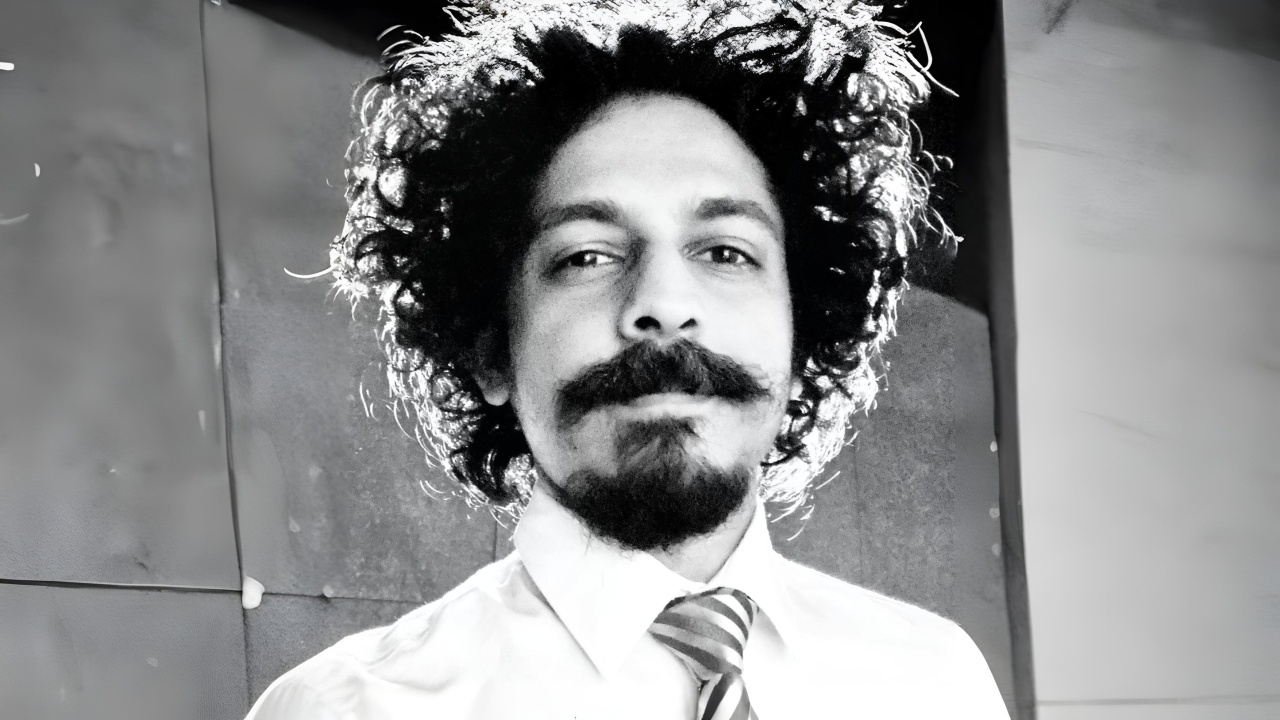
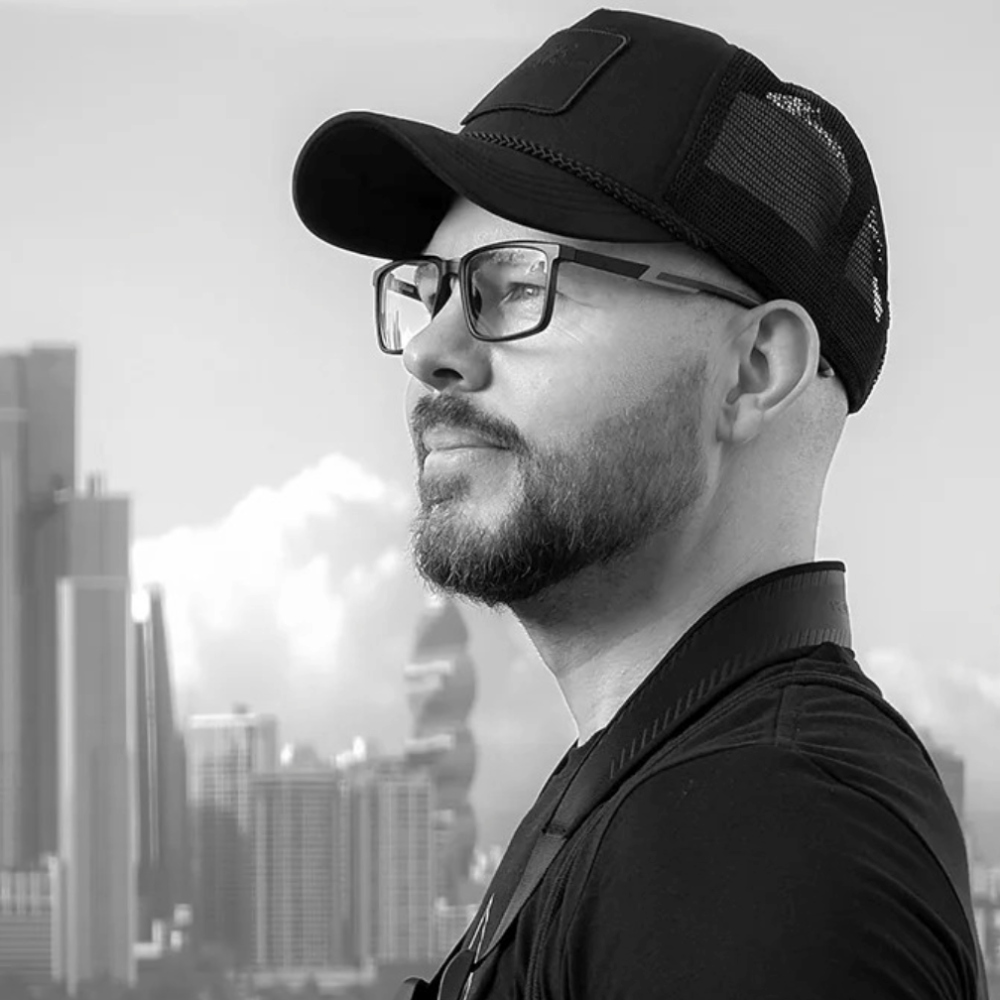
Tharaka Bibulewitharana is a contemporary photographer based in Sri Lanka, whose work examines the relationships between bodies, built structures, and landscapes within shared spatial systems. Influenced by minimalism and environmental study, his practice spans nude photography, urban minimalism, and long-term documentary research grounded in careful observation.
I am Tharaka Bibulewitharana, a contemporary photographer based in Sri Lanka. My practice emerged gradually through an interest in how bodies, structures, and landscapes coexist within shared spatial systems.
What began as an informal engagement developed into a sustained mode of observation, informed by minimalism, environmental study, and an interest in the quiet mechanics of place. My work now spans nude photography, urban minimalism, and long-term documentary research.
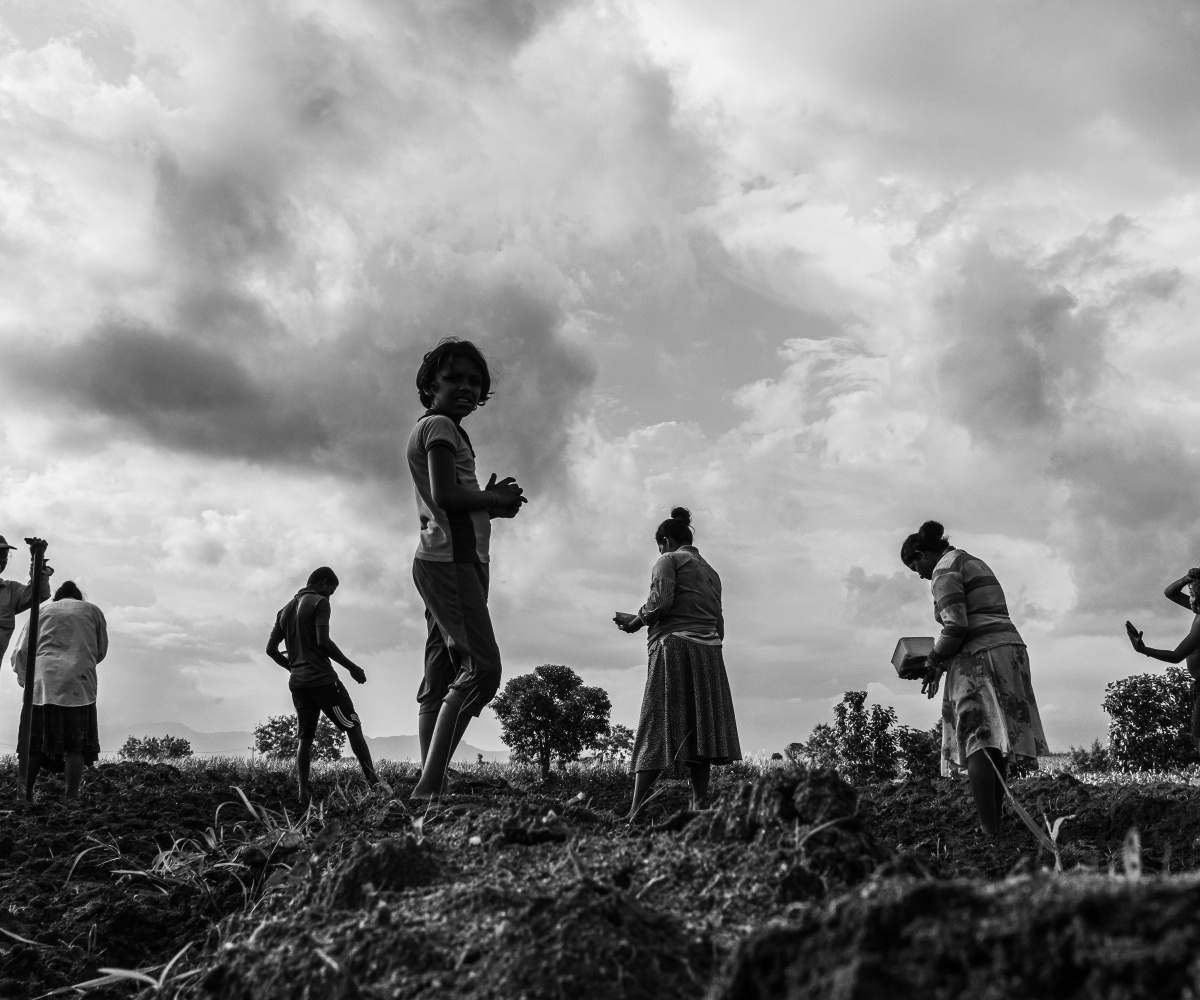
The image belongs to an extended study of the Sevanagala sugarcane environment. Made during an early phase of fieldwork, it examines the spatial distribution of bodies within an open landscape, framed against a dominant sky. The work is less concerned with narrative than with arrangement and tension. Receiving the award affirms the relevance of observational, non-descriptive photographic approaches within contemporary practice.
I am drawn to images that resist immediate interpretation. A photograph that retains its complexity through repeated viewing—independent of context—is one that I consider suitable for submission.
Photography provided a means to engage with ordinary environments with precision and distance. It allowed for a measured form of looking that was not tied to expected meaning.
I work primarily in contemporary nude photography, urban minimalism, and long-term documentary investigations. These modes allow for a focus on form, structure, and spatial behavior, rather than prescribed narrative content.
I use a Sony A6600 Mirrorless Camera. Its flexibility supports both field-based documentary work and controlled minimal compositions. It allows the process to remain unobtrusive and responsive.
I aim to create a pause in perception—an interval in which the viewer considers the image without relying on narrative cues. Ambiguity is intentional.
The challenge lay in identifying a coherent visual structure within an unpredictable field environment. The alignment of bodies, ground, and sky appeared briefly, requiring immediate recognition rather than intervention.
Peripheral and transitional environments—labor fields, industrial margins, and reduced urban forms—provide ongoing material for study. These spaces reveal patterns that unfold across long durations.
My practice is shaped by the act of returning: revisiting sites and allowing the visual logic of a place to reveal itself incrementally. This sustained engagement forms the core of my influence.
Present work that reflects the direction of your practice rather than the expectations of a competition. A coherent visual language develops across time and should guide the selection.
Work consistently, observe patiently, and allow your method to emerge through practice. Direction evolves; it should not be rushed.
Editing establishes coherence across a project. It refines tonal and structural qualities while preserving the essential conditions present at the moment of capture.
AI may broaden technical possibilities, but conceptual intention remains the defining element of photographic practice. Tools evolve; the underlying approach endures.
I would continue pursuing long-term bodies of work—nude studies, minimal urban configurations, and extended documentary environments. My interest lies in continued investigation rather than singular destinations.
Discover the multi-award-winning photographer Roberto Pazzi here in an interview titled "Multiple Award-Winner Roberto Pazzi Shares His Stories with New York Photography Awards."