Artful French
Inspired by the paintings of Jean-Baptiste Armand Guillaumin from the Petit Palais in Paris, the...
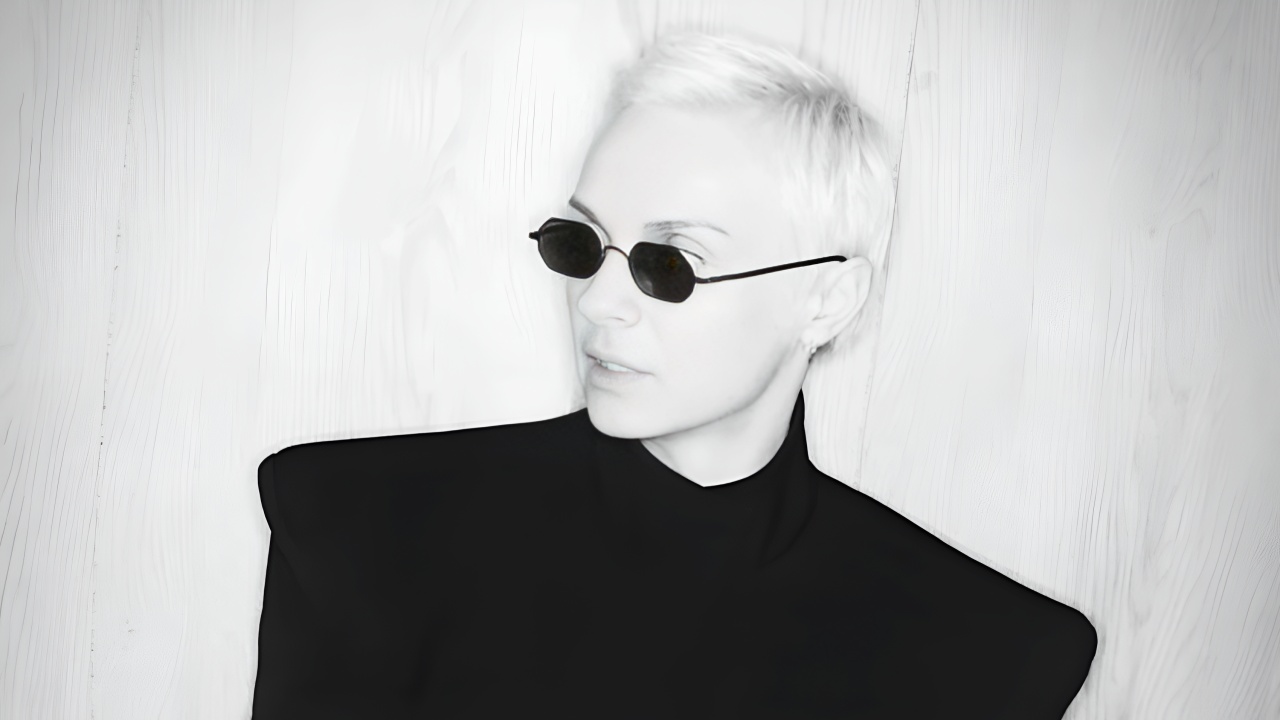
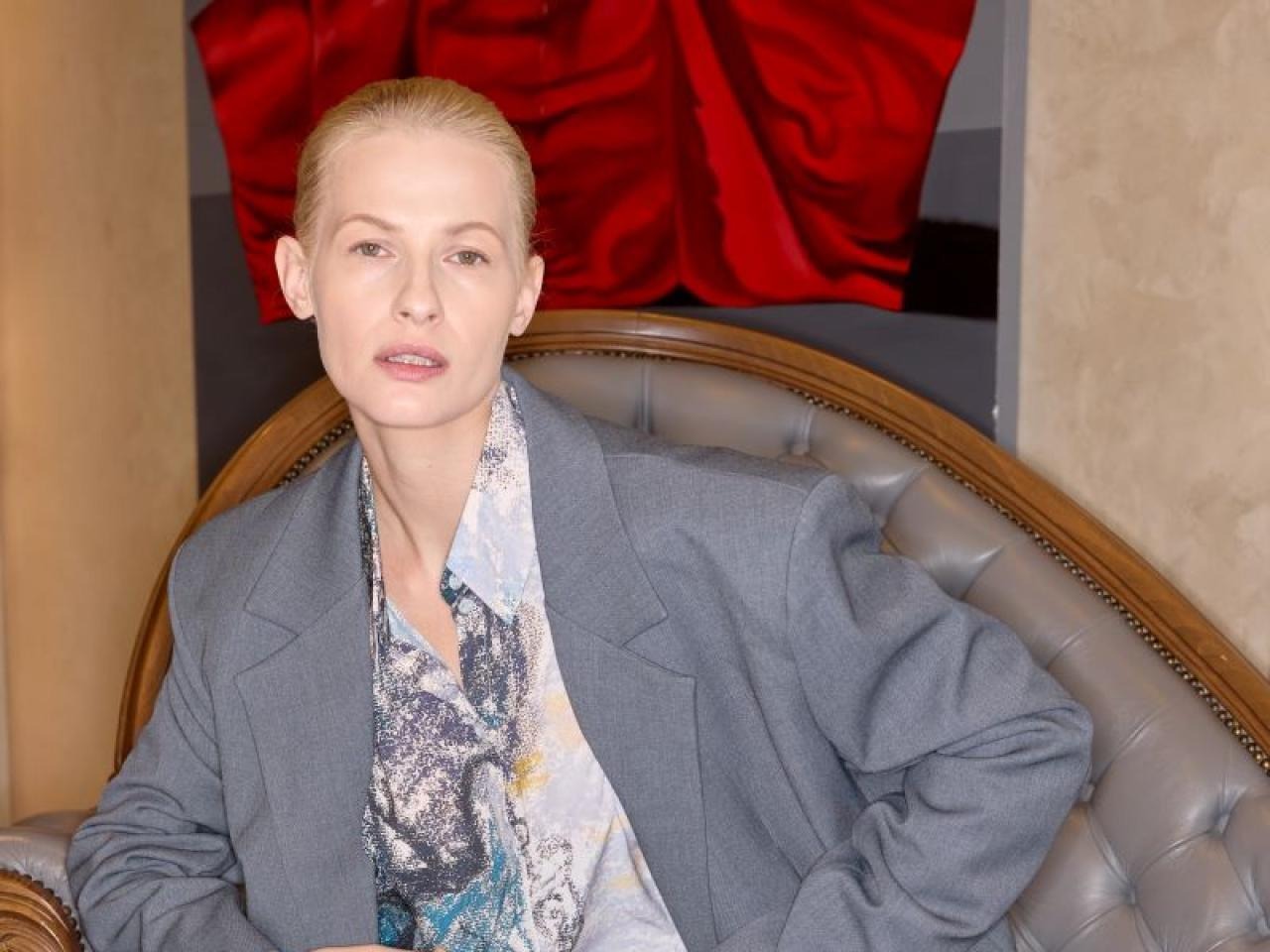
Dr. Margarita Fedoseev, founder of MAD DAISY, approaches fashion as a dialogue between art history and contemporary design. Her work translates museum narratives into wearable pieces, transforming paintings, colour, and brushwork into tailored silhouettes and original textile prints. Through her collections, she brings cultural heritage into everyday life with thoughtful, responsibly produced fashion.
I am Dr. Margarita Fedoseev, a fashion designer and founder of MAD DAISY. My studio operates at the intersection of art history, textile innovation and storytelling, using clothing as a way to bring museum narratives into everyday life. With each collection, I strive to create pieces that feel poetic and emotional, yet remain wearable and responsibly produced.
My award‑winning design is a womenswear collection for my brand MAD DAISY, created as a dialogue between fine art and contemporary fashion. The collection is dedicated to French Impressionism and is based on a reinterpretation of the work of the artist Armand Guillaumin, in particular his paintings from the collection of the Petit Palais museum.
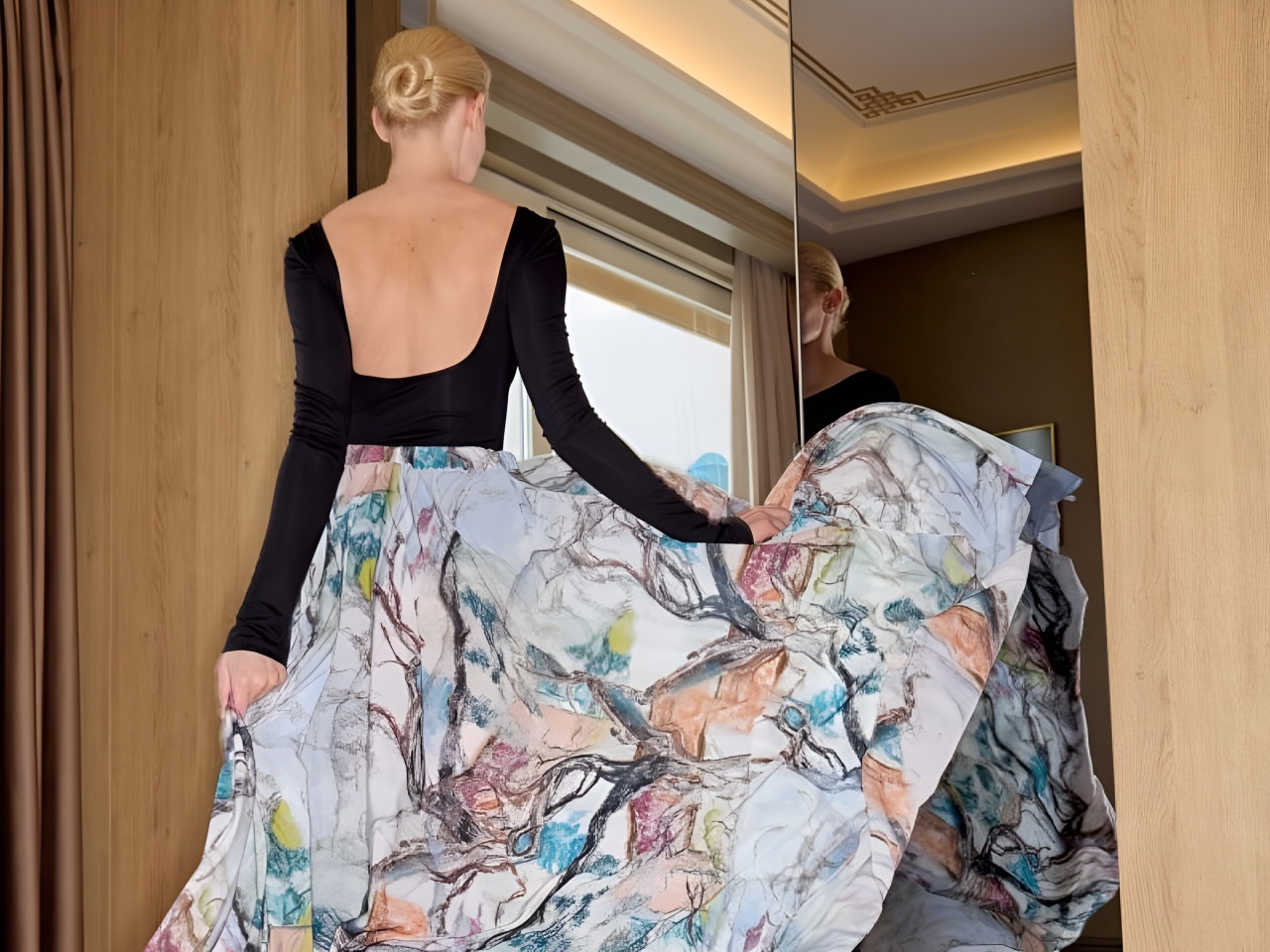
It translates light, colour and brushstrokes into tailored silhouettes, hand-crafted details and original digital prints, and is aimed at popularising art and bringing audiences closer to museum heritage through clothing.
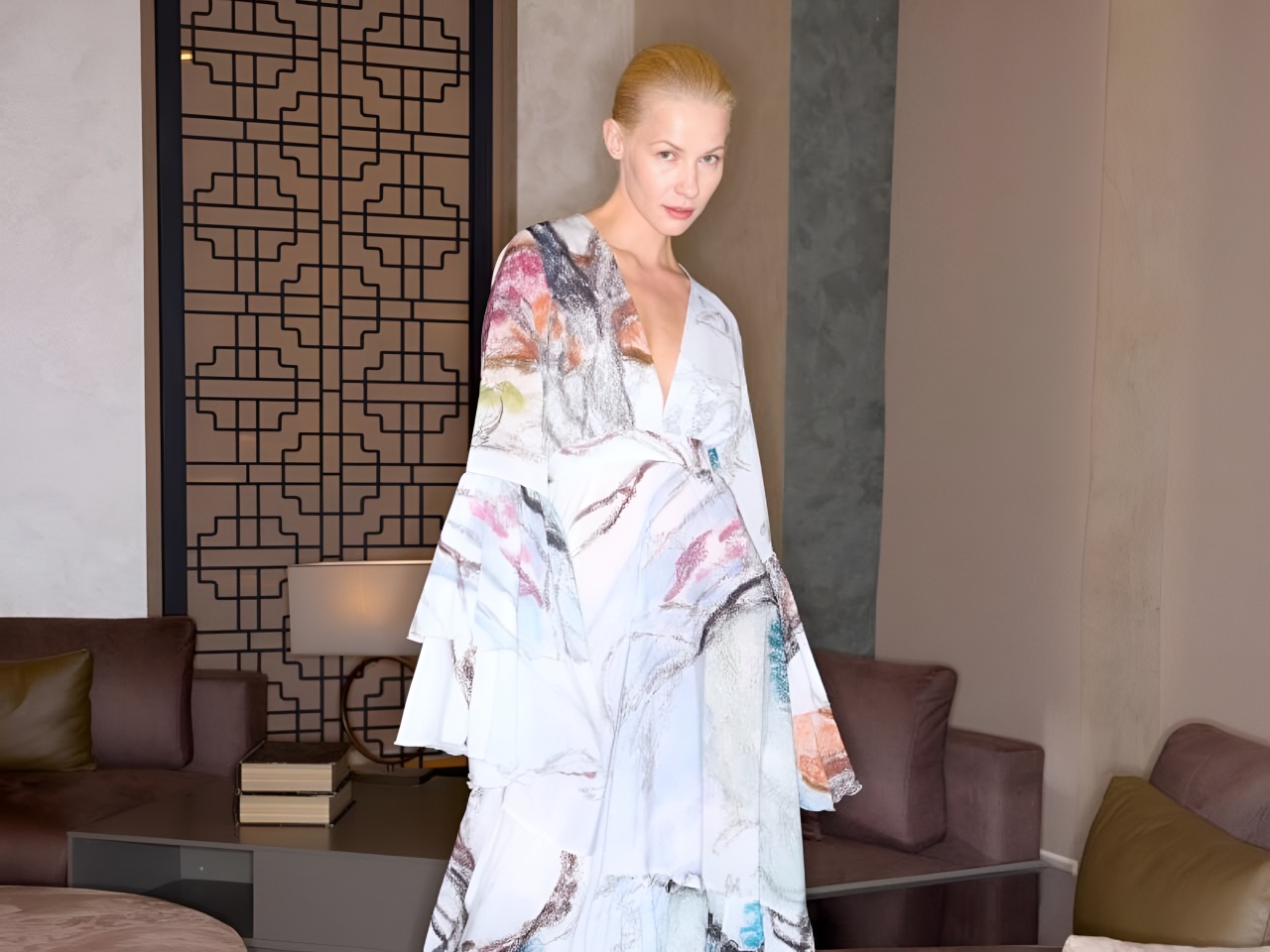
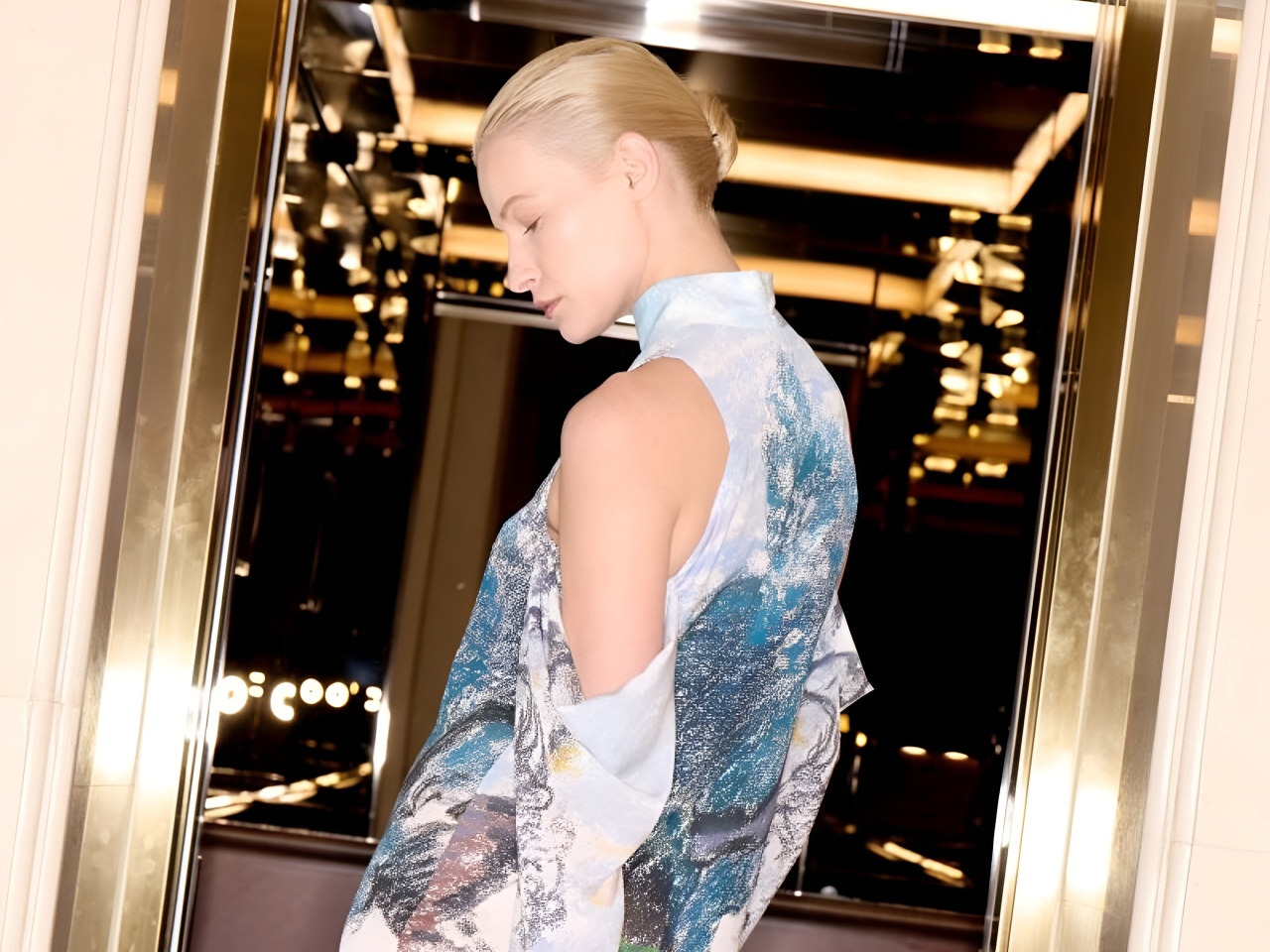
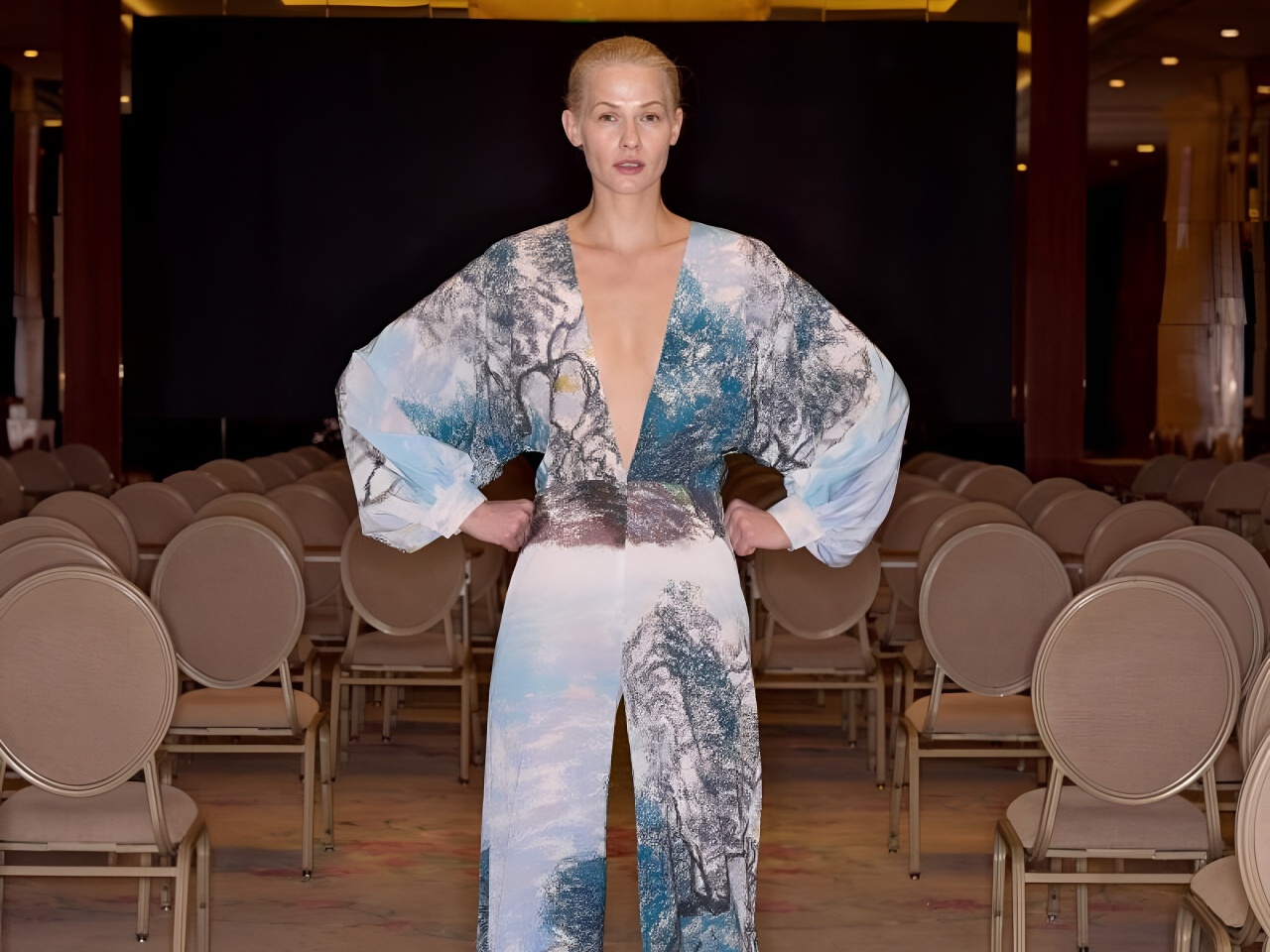
The piece that best represents my ideas is this long printed dress from the “Lumière de Guillaumin” collection. It captures my vision of clothing as a moving canvas where museum art can be experienced in everyday life.
The dress translates Armand Guillaumin’s landscapes into fluid panels of colour that flow around the body like brushstrokes. The print is engineered so that areas of light, shadow and horizon wrap the silhouette, creating the feeling of walking inside a painting.
Its softly structured bodice, deep neckline and tiered, bell‑sleeve construction balance romance and modernity, while the generous volume allows the artwork to breathe as the wearer moves. For me, this dress embodies how MAD DAISY connects fine art, emotion and wearability in a single, cinematic look.
I am inspired by the idea of popularising art through fashion. For me, clothing is not only a functional object, but also a moving exhibition space that a person can carry with them in everyday life. By translating paintings and artistic narratives into textiles and silhouettes, I can reach people directly.
This feels like a unique opportunity to make the world a little better and more beautiful: each piece can spark curiosity, start a conversation about an artist or a museum, or simply give someone a moment of aesthetic joy in their routine.
My creative journey is driven by the belief that fashion can be both poetic and educational – a bridge between culture and everyday reality, where beauty becomes accessible and emotionally close.
Most days in my studio are defined by calm. I work best in a quiet, focused atmosphere where I can fully immerse myself in research, sketching and developing prints, almost like being in a small private library.
This sense of tranquillity allows me to treat each garment with the attention and care I would give to a work of art, and to make thoughtful, deliberate decisions rather than rushed ones.
Artful, thoughtful, and wearable.
The “aha” moment came when I saw the complete collection come to life on the model for the first time. I realised that it was not just a series of outfits, but a coherent story about French Impressionism and the power of museums that I genuinely believed in.
At that point, submitting to the French Fashion Awards felt less like a gamble and more like a responsibility — to give this work a chance to be seen, evaluated and shared on an international stage.
If fashion had no rules, I would create a true “museum you can wear.” These would not be ordinary dresses or coats, but almost stage‑like pieces with light and projected artworks that change as the wearer moves. Each garment would turn whatever space the person enters into a small, living gallery.
I would love to see the return of truly collectible, art‑driven fashion pieces that are designed to be kept, repaired and passed on, rather than worn a few times and discarded.
I try to start every project from a place of artistic freedom and only then translate it into a commercial language. First, I build a strong conceptual “art core”: the research, the artist, the museum and the narrative that I want to express through the collection.
Only when this idea feels coherent enough do I begin to think about which silhouettes, materials, and constructions can convey it while still being comfortable and wearable.
I would love to collaborate with Claude Monet. His sensitivity to light, atmosphere and changing seasons is very close to the way I think about colour and movement in clothing. Together, I imagine creating a series of immersive coats and dresses inspired by his gardens and water landscapes – garments that feel like stepping into different times of day at Giverny.
Each piece would combine painterly, layered prints with tactile, almost sculptural surfaces – pleating, quilting, embroidery that echo reflections on water or the texture of foliage. The project would function as a “living exhibition” of Monet’s worlds, allowing people not just to look at the paintings, but to physically inhabit their light and mood in everyday life.
For me, success in fashion is less about fame and more about impact and a lasting trace. It means creating work that genuinely touches people, changes the way they look at art, and remains meaningful beyond a single season.
If someone discovers a painter, visits a museum, or starts thinking differently about culture because of a dress I designed, that feels like success. Gradually building a body of work that is recognisable, intellectually grounded and emotionally resonant over many years — this is the kind of stable creative outcome I aim for, even if it remains niche rather than mainstream.
I believe that in the next decade, fashion will become more thoughtful, slower, and more closely connected to culture rather than just trends. There will be a growing demand for garments with a story – rooted in art, history and clear values – as well as for responsible production and longer product life cycles.
I see myself as part of this movement, developing MAD DAISY as a studio that works in close collaboration with museums, collections and cultural institutions. My goal is to create art‑based pieces and collaborations that help people experience fine art in their everyday lives, and to contribute to fashion as a space of education, beauty and quiet reflection, rather than noise and overconsumption.
Trust your obsessions and move slowly.
Spend more time understanding what truly fascinates you — art, ideas, materials — and build your work around that, instead of trying to fit into other people’s expectations or trends.
Learn the “boring” structures early: how to build a clear collection, communicate your concept in words, and organise your time and budget — they will protect your creativity in the long run.
And most importantly, keep showing your work, even when it feels imperfect: growth in fashion happens through real projects, not only in sketchbooks.
Art can live with you, not only on museum walls.
If my life’s work could say one thing, it would be that beauty, culture and history are not distant or elitist — they can be touched, worn and quietly integrated into everyday life.
Click here to read the fashion interview When Art Meets Environment: A Young Designer’s Vision with Farah Abualjadayl.





.jpg)