Nut – The Nutcracker Boy: A 3D Reimagining of Culture
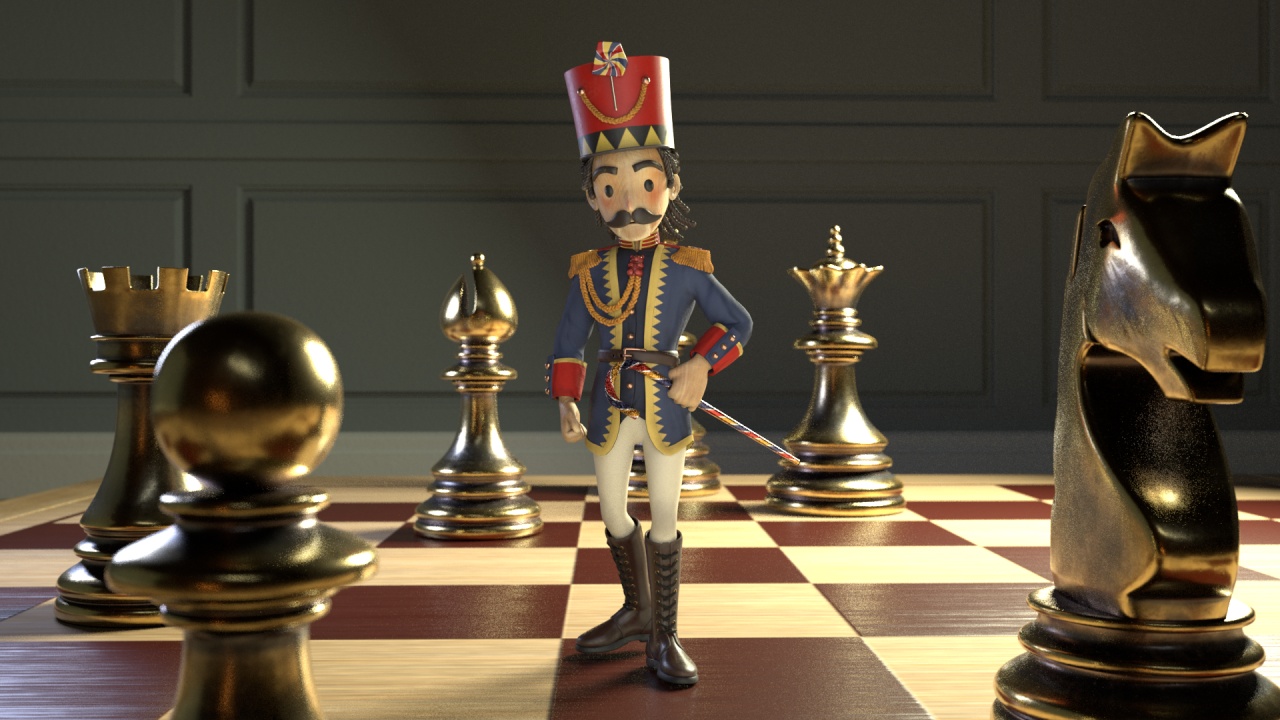
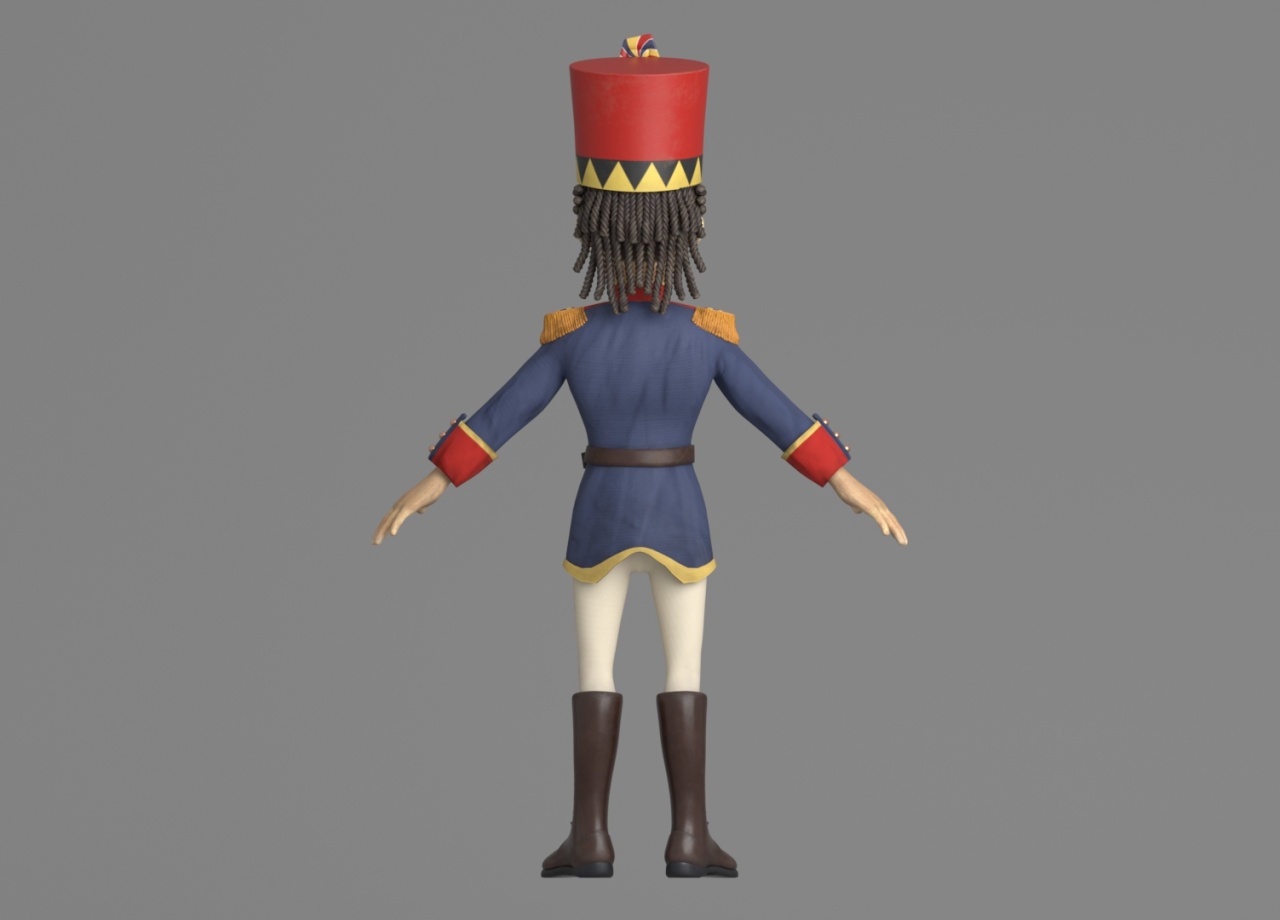
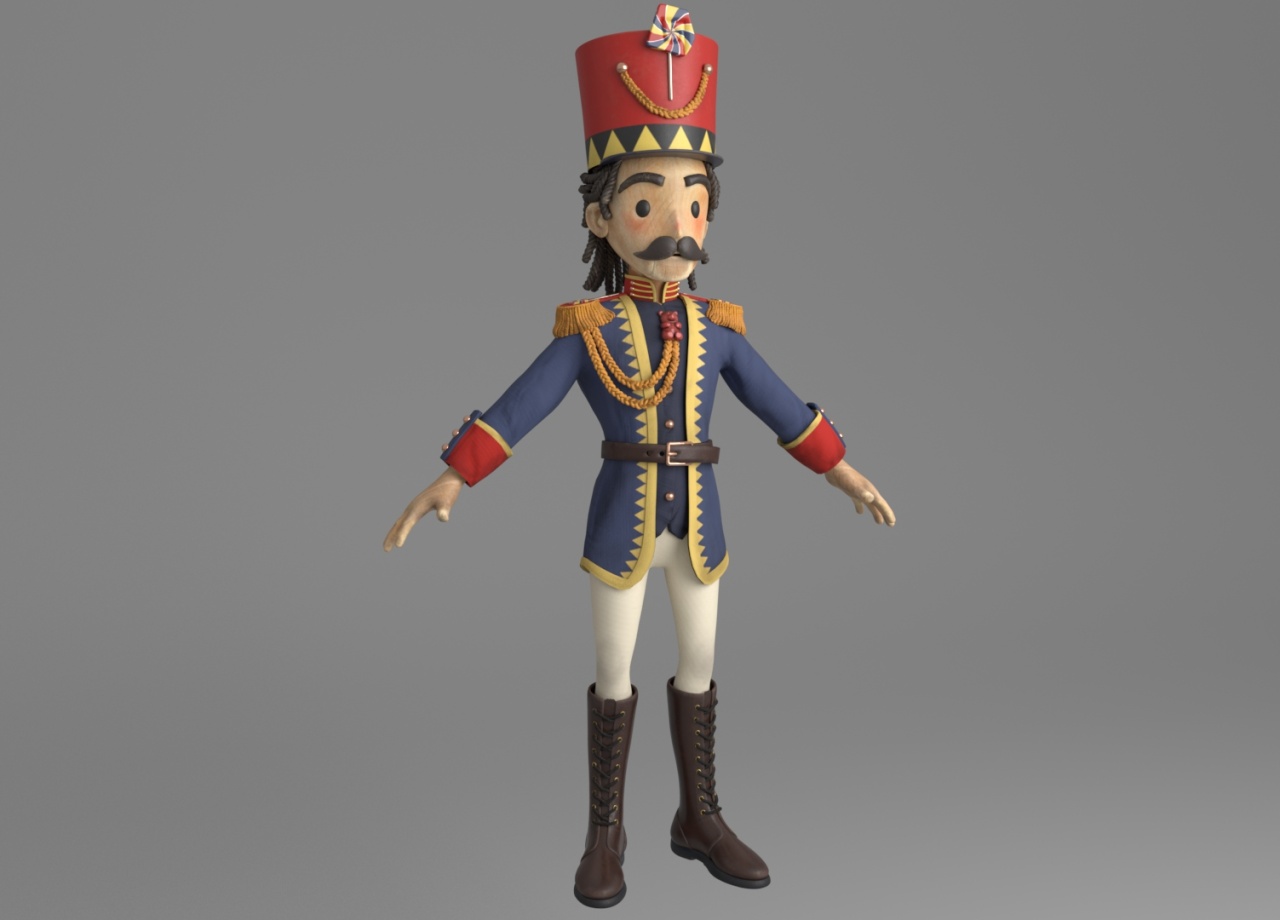
“Nut – The Nutcracker Boy” reimagines the beloved nutcracker figure as a modern cultural icon....
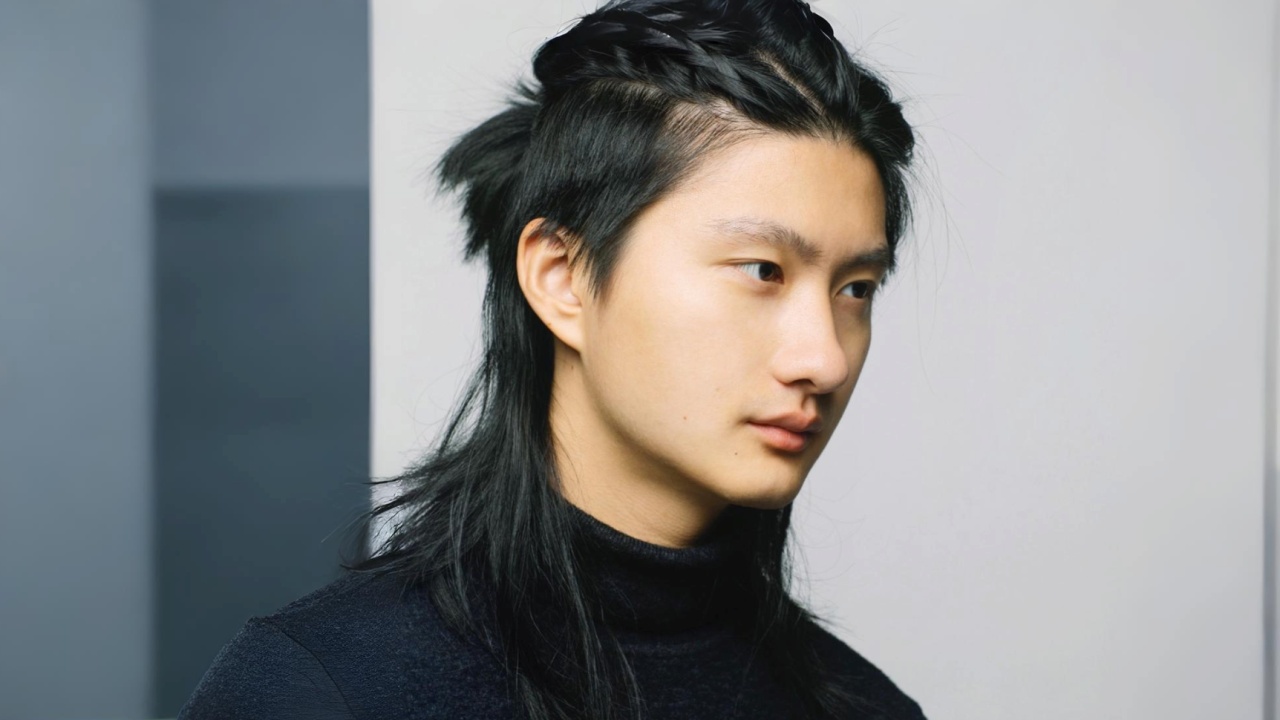
Hanke Wang is a new media artist and designer whose practice spans character design, game systems, and card-based works. Grounded in visual storytelling and world-building, Wang approaches design as a structured yet imaginative process where narrative, play, and systems thinking converge.
Thank you for giving me the opportunity! My name is Hanke Wang. I am a new media artist and designer working across character design, game systems, and card-based works. My interest in design began through animation, illustrated stories, and classic fairy tales, which introduced me early on to visual storytelling and fictional world-building.
I was drawn to design as a way to construct characters and systems that combine imagination with structure. Today, my practice focuses on creating visual languages where character, play, and narrative intersect, allowing design to function not only as form, but as experience.
Being recognised by the London Design Awards affirms the direction of my practice and the value of exploring new media through character- and system-based design. It is meaningful to have this work viewed within an international context and alongside designers from different cultural backgrounds.
The recognition encourages me to continue developing my projects with greater focus and depth, and to further explore how game structures, visual language, and storytelling can operate as contemporary artistic forms.
This award has encouraged me to continue developing my creative direction and has given me strong motivation for my future work. It directly inspired the ongoing development of my card game project, Battle of the Mouse King, whose character designs are based on the award-winning work.
The recognition has strengthened my confidence in expanding character concepts into complete interactive systems.
Experimentation plays a central role in my creative process. I continuously test how a character can shift across different visual languages and media.
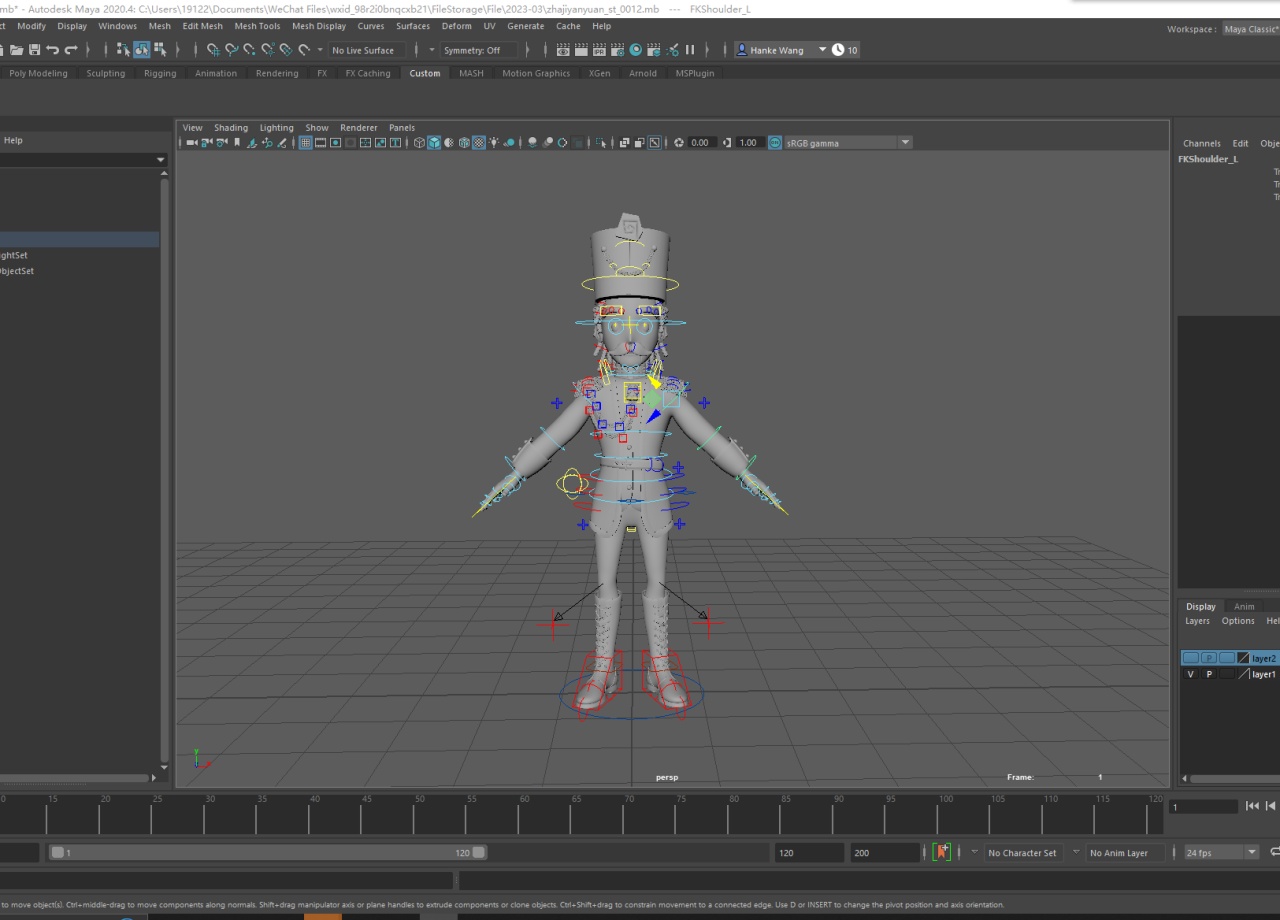
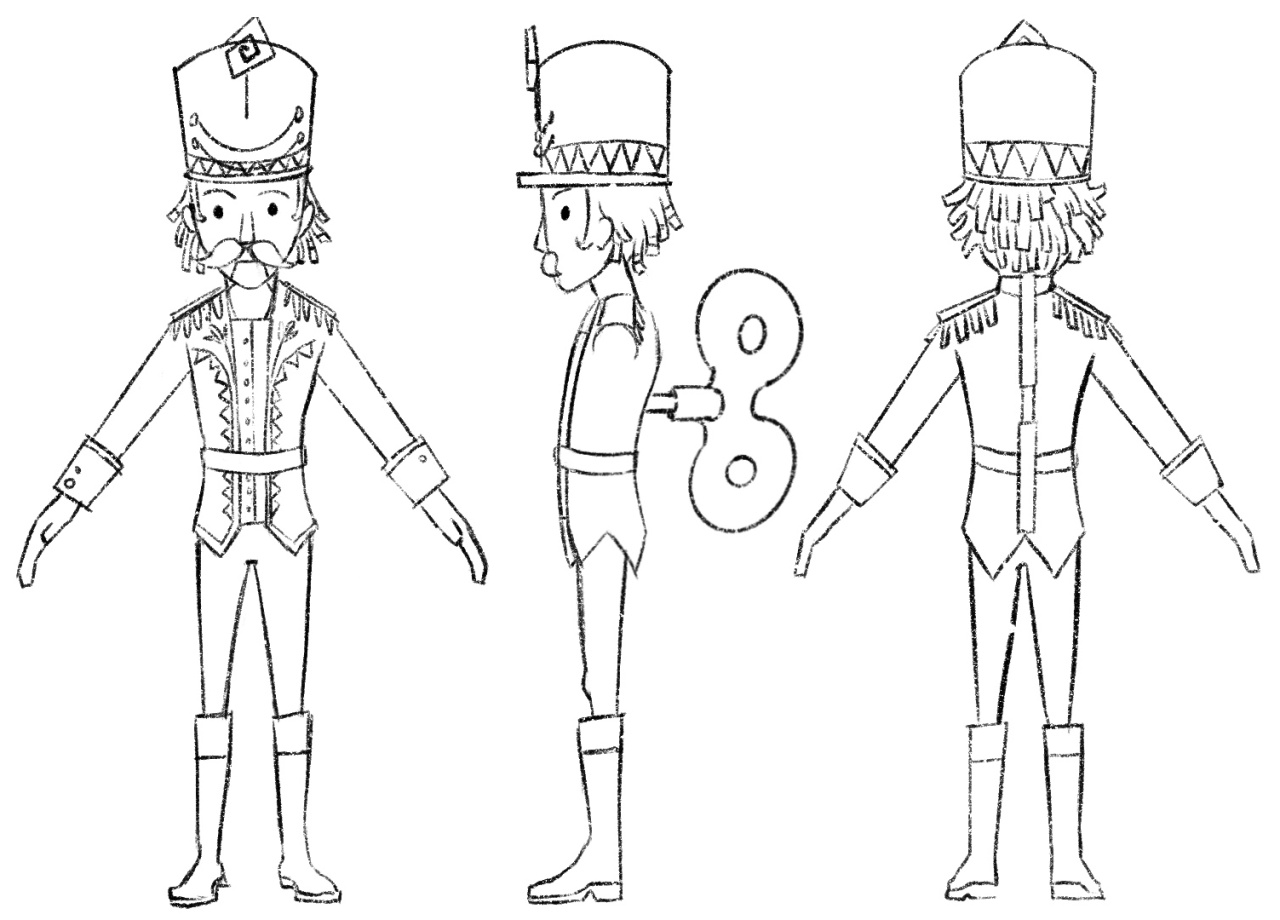
In this project, the character evolved through ongoing experimentation—from an initial concept into both 2D and 3D forms, allowing its personality and symbolism to develop across dimensions. This process not only expanded the visual possibilities of the character but also indirectly informed and supported the later development of my card-based project, Battle of the Mouse King.
One of the more unusual sources of inspiration in my work comes from combining classical ballet with contemporary visual culture. For this project, I drew from the classic ballet The Nutcracker, but reinterpreted it through the visual language of modern designer toys and collectable figures.
By merging a traditional narrative with the aesthetics of contemporary pop and toy culture, I was able to explore how familiar childhood imagery can be reshaped into new character forms that feel both nostalgic and current.
I wish more people understood that design is not only about visual results, but about process, structure, and continuous exploration. Behind every finished work is a long period of testing, failure, and refinement.
For me, design is a way of thinking—an ongoing dialogue between concept, form, and experience. The final image is only one moment within a much larger creative journey.
Working with audiences or clients who truly resonate with my ideas is always the most ideal experience. At the same time, I understand that different perspectives are part of any creative collaboration.
When opinions differ, I try to listen carefully and remain open to dialogue, while staying grounded in my own visual language and conceptual direction. For me, balance comes from respecting external input without losing the core identity of the work.
One of the main challenges was the 3D modelling and texturing process. To complete the project, I taught myself new software and workflows, which required a great deal of time, patience, and technical problem-solving.
The process was complex and demanding, but also deeply rewarding. Working through these challenges not only strengthened the final design but also expanded my skills and creative confidence.
When I experience a creative block, I often return to classic works for inspiration—such as films, animation, and games that have influenced me. Stepping back to observe how earlier creators built worlds, characters, and narratives helps reset my perspective.
By allowing myself to enjoy these works without pressure, I’m able to recharge creatively and often discover new ideas through the process of looking and reflecting.
Growing up in China and later studying animation and design in the United States has strongly shaped the values I bring into my work. Experiencing different cultures has made me especially aware of emotional nuance, storytelling traditions, and the importance of empathy.
I’m interested in how cultural memories, visual languages, and personal experiences can intersect within design. This cross-cultural perspective continually informs the characters and systems I create, encouraging fusion, openness, and human connection.
I would encourage aspiring designers to stay curious and patient with their process. Success rarely comes from quick results, but from long-term commitment, continuous learning, and a willingness to experiment.
It’s important to build a personal visual language while remaining open to new tools, feedback, and cultural influences. Over time, consistency, reflection, and genuine passion will shape both your work and your direction.
If I could collaborate with any creator, it would be Tite Kubo, the creator of Bleach. Although he is widely known as a manga artist, his work demonstrates a strong sensitivity to fashion, visual identity, and character styling.
I deeply admire his imagination and his ability to construct distinctive characters through form, costume, and atmosphere. His approach shows how character design can function as a complete visual language, which strongly resonates with my own interest in building expressive, system-based worlds.
One question I wish people would ask is: “Why do you choose to use game structures as a design language?”
My answer would be that I want to preserve a sense of childlike sincerity within my design process. Play is one of the most instinctive and honest forms of human interaction. It is often misunderstood as unproductive or unserious, yet it is deeply connected to curiosity, experimentation, and emotional engagement.
By working through game-based systems, I’m not moving away from design rigour. I’m approaching it from a place where structure and imagination coexist. For me, play is not decoration, but a design method that allows ideas to remain open, flexible, and alive.
Read about Designing Joy: The People-First Approach of Eri Mineta by clicking here.