Sors | London Design Awards
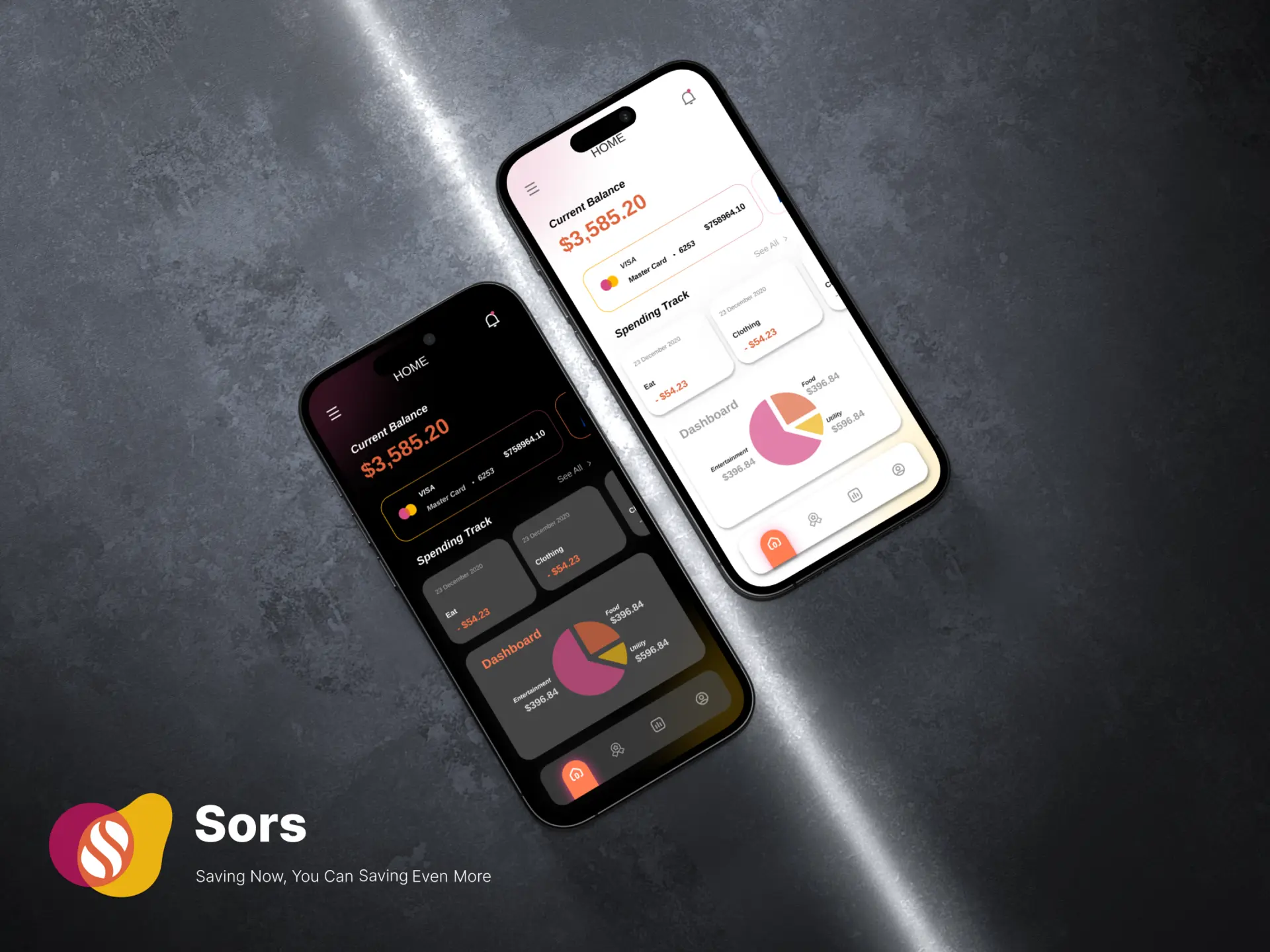
Sors was inspired by the financial struggles of Chinese international students adjusting to life abroad....
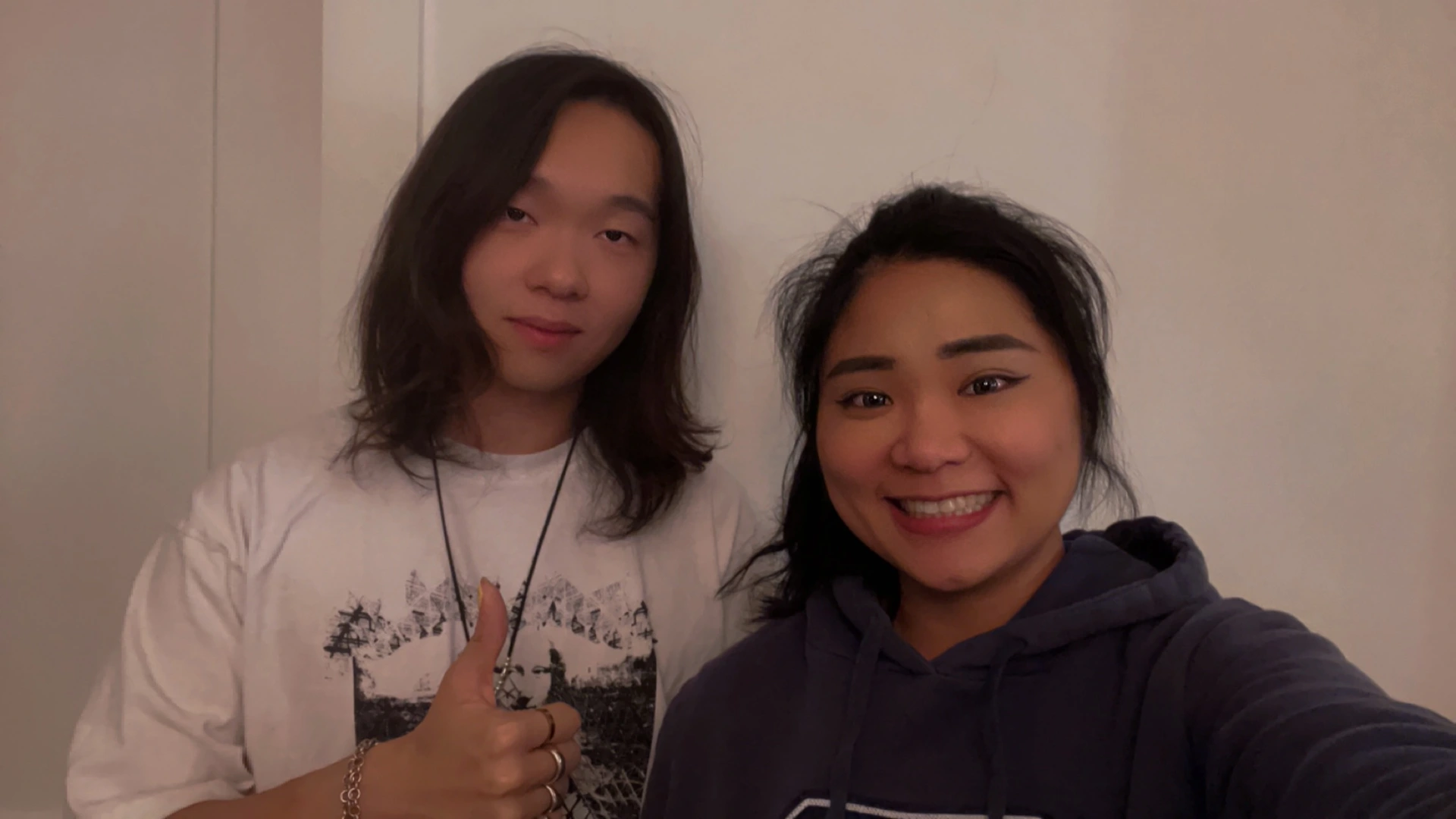
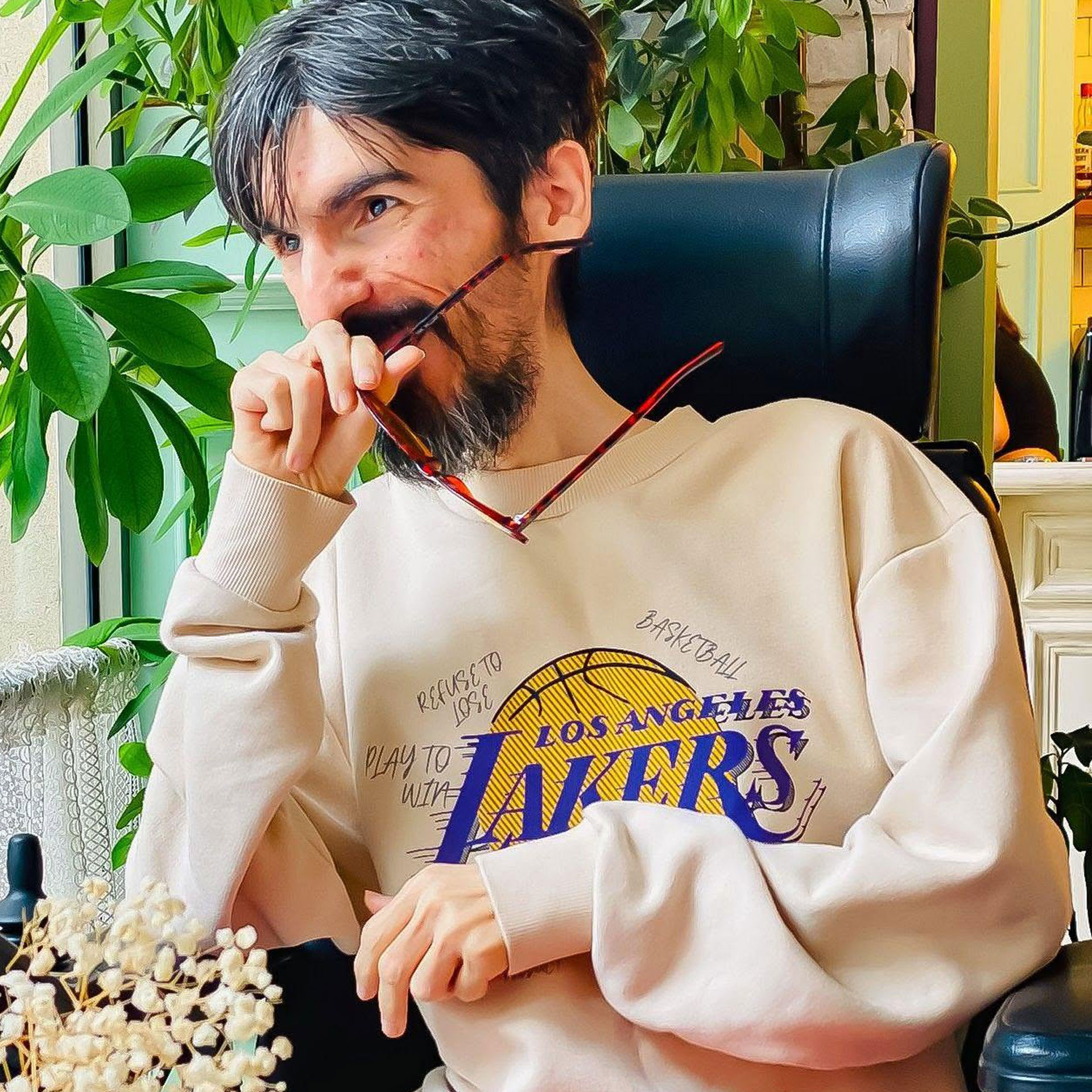
Julia Liu: I am from Taiwan, with a background in graphic design and sculpture. My creative journey led me to SCAD, where I pursued a master's in Interactive Design and Game Development.
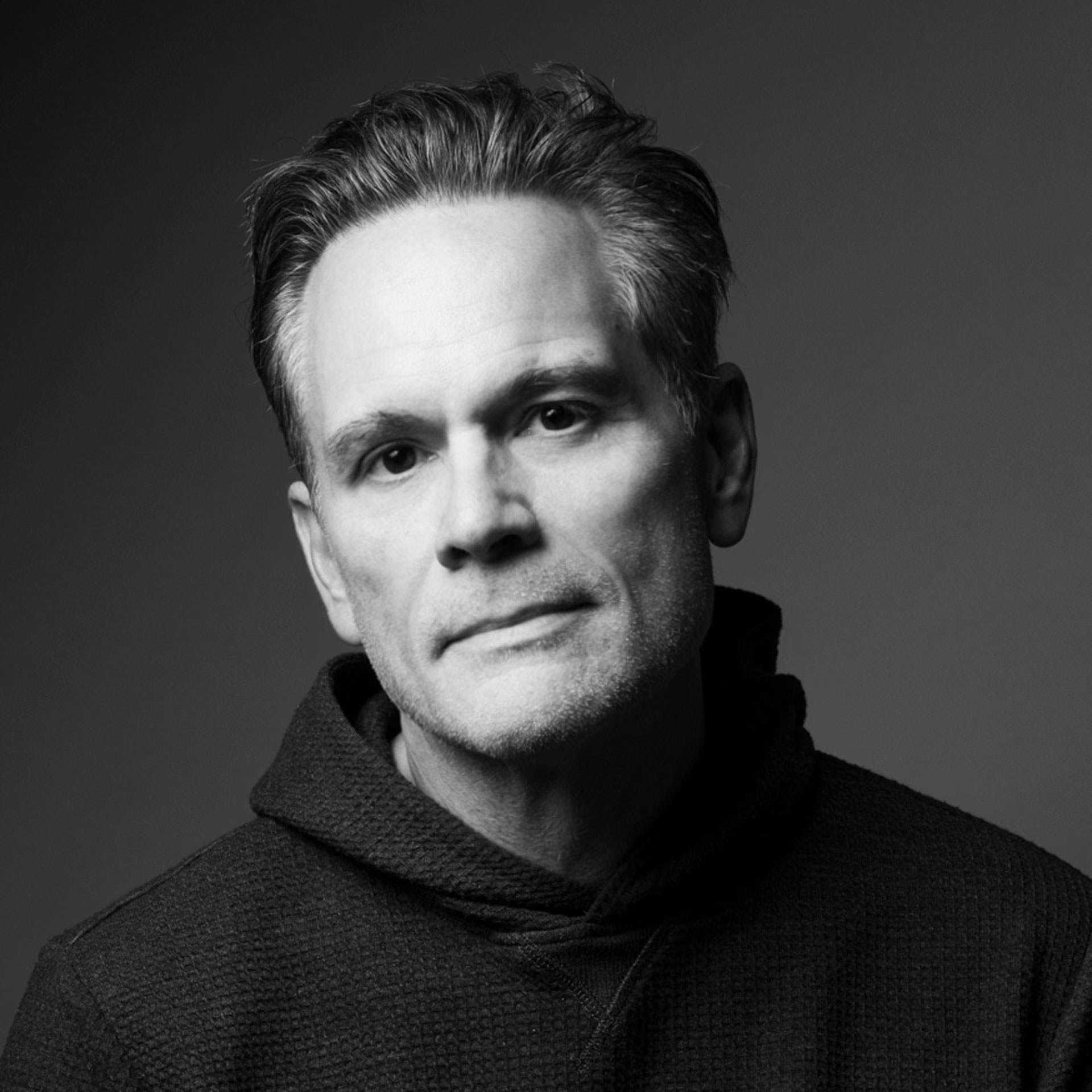
Daren Cheng: I am from China, and I have an industrial design background. I’ve always been passionate about creating innovative solutions that merge form and function. Julia and I are classmates and collaborators based in the U.S., working together to blend our unique skills into meaningful designs.
Julia Liu: I love the transformative power of art and design—it’s a medium that can evoke emotions and solve real-world problems simultaneously.
Daren Cheng: Design allows me to create solutions that connect people and objects in innovative and functional ways. It’s exciting to bring ideas to life.
We’re a collaborative duo specialising in blending traditional cultural elements with modern technology. Our focus lies in creating interactive, user-centred designs that enhance well-being and foster harmony.
Julia Liu: Design is the bridge between creativity and functionality.
Daren Cheng: It’s a language that solves problems while enhancing human experiences.
Julia Liu: Interactive designs that engage and inspire users resonate most with me.
Daren Cheng: I enjoy designs that challenge traditional notions, blending aesthetics and practicality seamlessly.
A good design is intuitive, impactful, and purposeful. It should solve a problem while enhancing the user's experience.
The concept emerged from our shared cultural heritage and a desire to merge ancient wisdom with modern technology. Glowtopia was born out of a vision to create harmony in living spaces.
Feng Shui and Zi Wei Dou Shu were central inspirations. They embody principles of balance and energy flow that we translated into a modern, tech-driven solution.
Absolutely. Our Taiwanese and Chinese roots inspired us to infuse traditional practices into Glowtopia, making it both personal and universal.
It’s an incredible honour! Winning reinforces our belief in blending cultural heritage with innovation and motivates us to keep pushing creative boundaries.
Glowtopia redefines ambient lighting using astrology and Feng Shui principles. We entered it because it embodies our vision of culturally inspired, user-centred design.
One challenge was integrating traditional principles into a seamless digital experience. We overcame this through research, user feedback, and iterative prototyping.
This recognition validates our approach and opens doors to future collaborations. It’s also a confidence booster for taking on bigger challenges.
1. The opportunity to solve complex problems creatively.
2. Collaboration across disciplines.
3. The constant evolution of tools and technologies.
Glowtopia combines cultural depth with cutting-edge technology, creating a product that’s not only functional but deeply meaningful.
We see a shift towards more personalised, user-center designs that integrate AI and cultural storytelling.
Stay curious, understand your audience, and don’t shy away from incorporating personal or cultural elements into your work.
Books like The Design of Everyday Things, online platforms like Skillshare or Coursera, and hands-on experience through internships or personal projects.
Julia Liu: Glowtopia was initially inspired by a meditation session where I visualised colours harmonising with my surroundings.
Daren Cheng: I’ve always been fascinated by light as an emotional connector—it’s a concept I’ve wanted to explore since childhood.
Julia Liu: My dad, who is a sculptor, inspired my love for creativity and craftsmanship, while my mom, a firm believer in Feng Shui, influenced my understanding of balance and harmony.
Daren Cheng: Buddha, for his wisdom and teachings on mindfulness and compassion, which deeply resonate with my design philosophy.
Balance and persistence. Stay open to feedback and trust the process.
We’re grateful for this recognition and hope Glowtopia inspires others to explore the intersection of tradition and technology.
Read about the interview titled 10 Years, One Vision: Harvard Alum Wei Dou on Transformative Design here.