Melted Memory
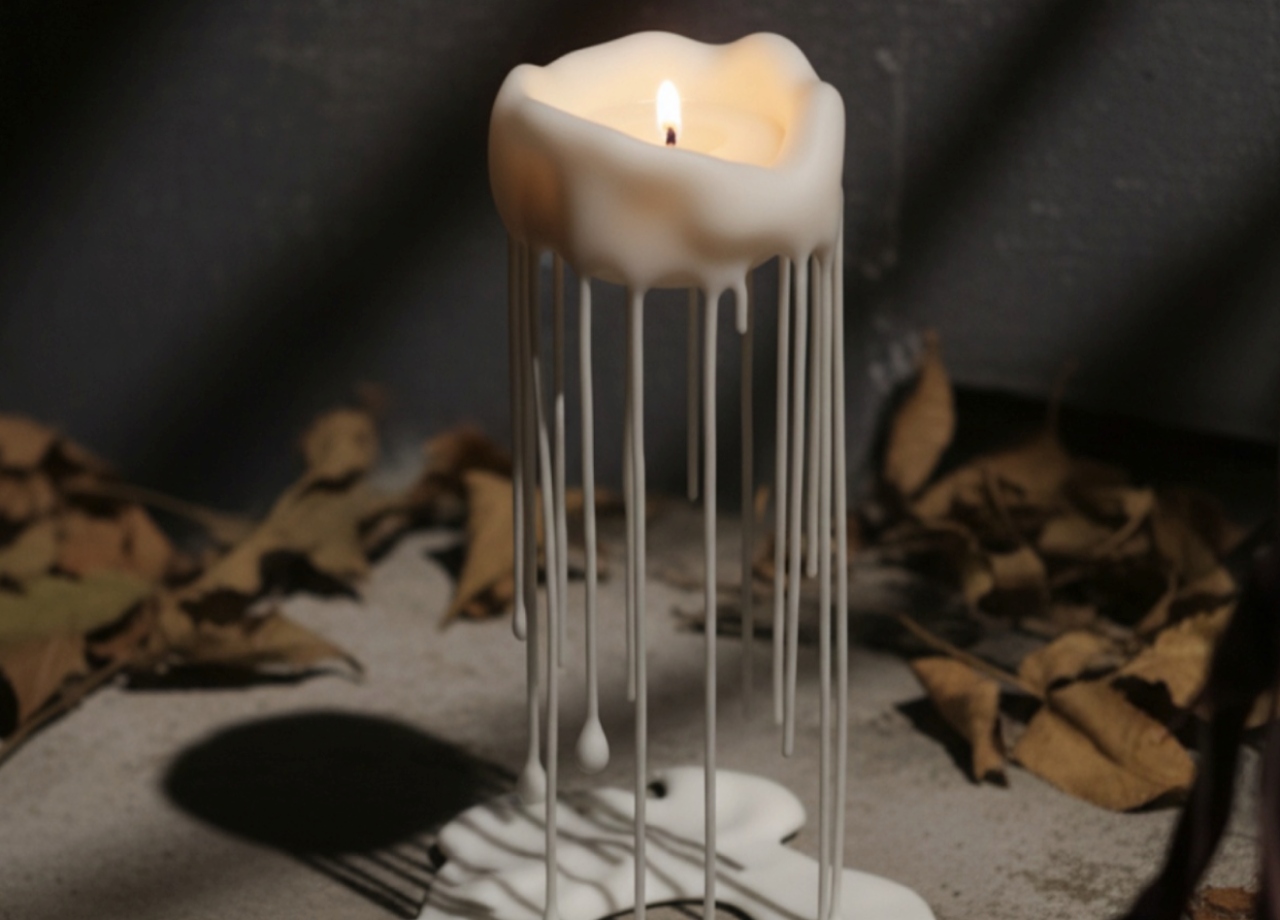
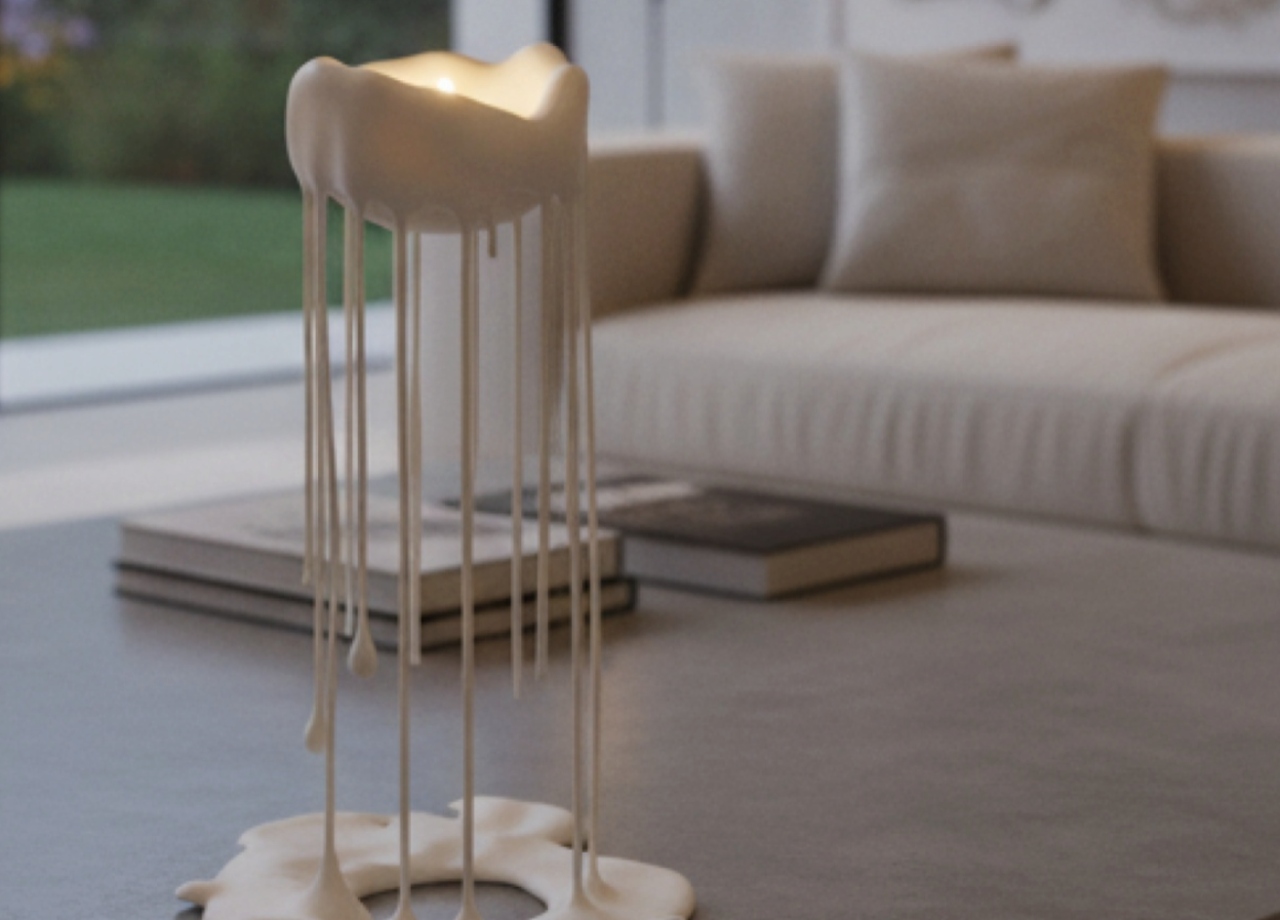
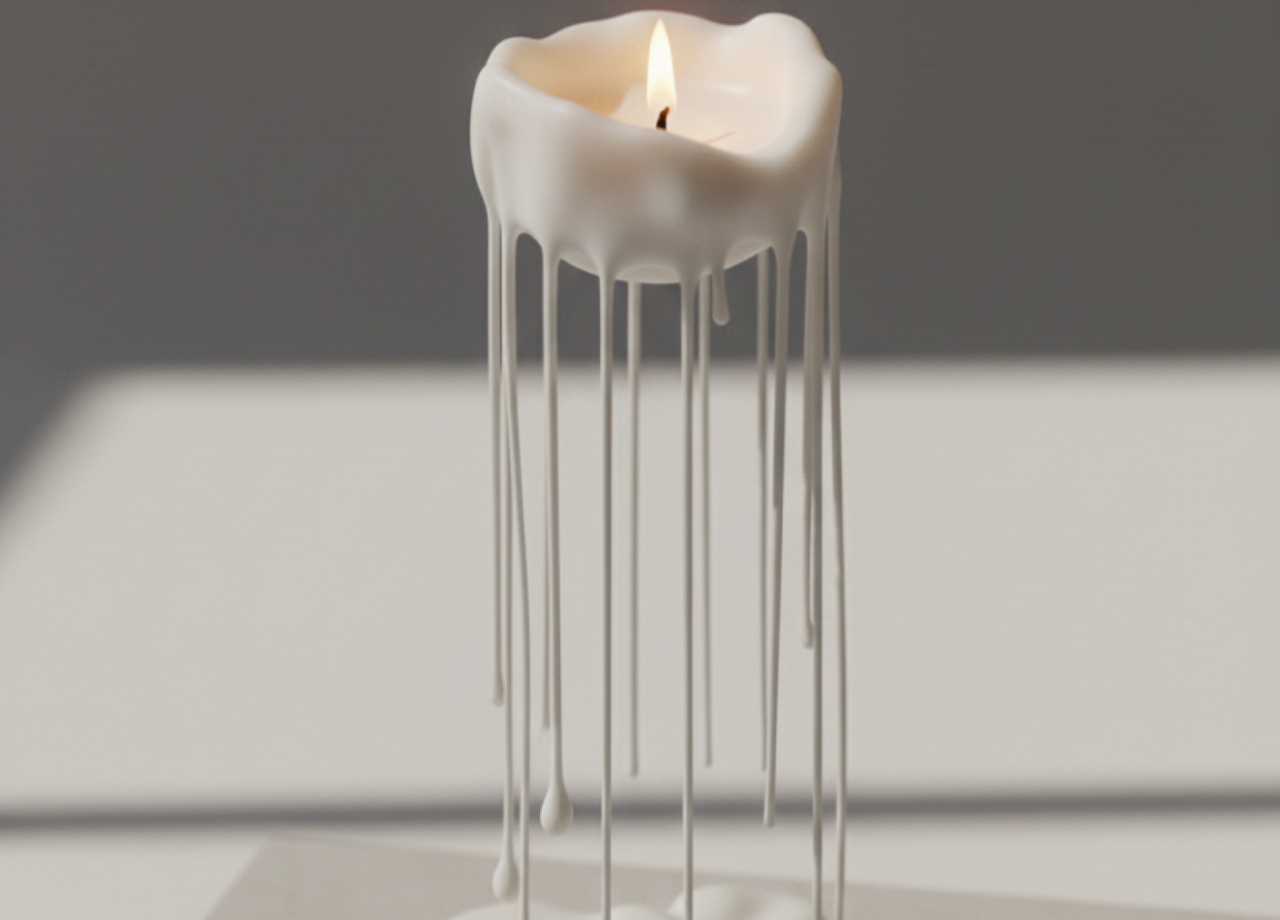
Light holder that transforms consumption into permanence. Melted Memory reinterprets the candle as an object...

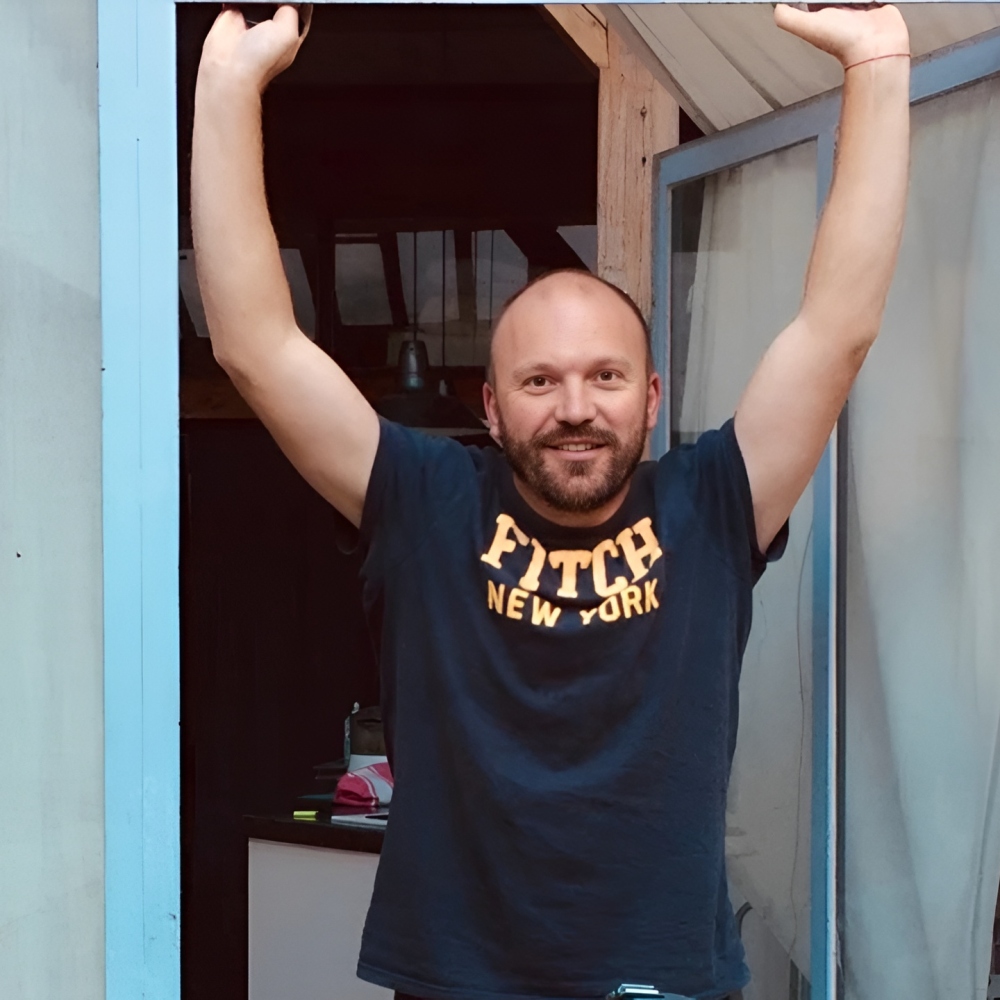
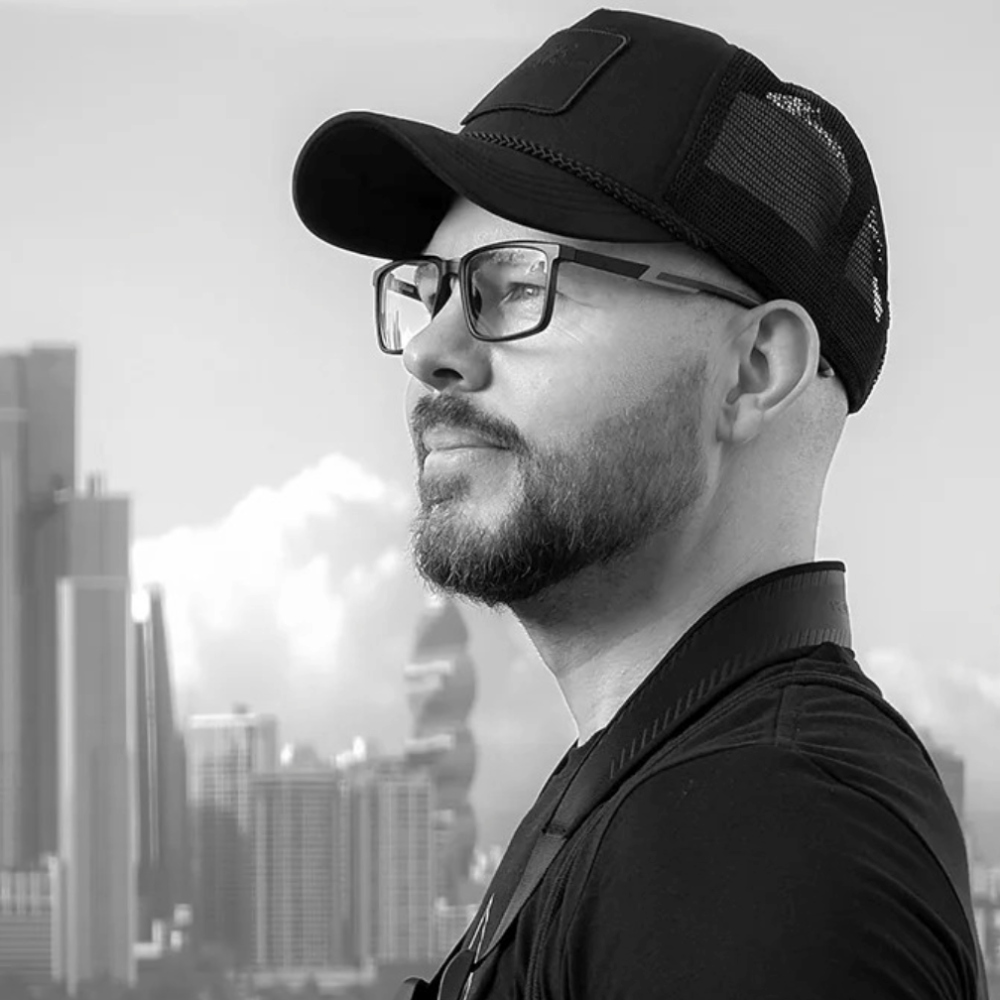
Davide Bianchi is an Italian product and interior designer whose work focuses on the relationship between people and the objects they use every day. He believes thoughtful design can add emotional meaning to ordinary experiences while evolving alongside the lives of its users.
Thank you, it’s a great honor to receive the Tokyo Design Awards. My name is Davide, and I’m an Italian product and interior designer. I’m interested in how everyday objects can carry emotional value and evolve over time.
I chose design because I’ve always been fascinated by the way objects shape our experiences. For me, design is not only about function or aesthetics, but about giving new meaning to ordinary things.
Being recognized by the Tokyo Design Awards is very meaningful to me. It validates my approach to design, especially my focus on transforming everyday objects into something with deeper emotional value. It’s also an opportunity to share my work with a wider international audience and connect with different perspectives and cultures.
This achievement has given my work greater visibility and credibility, especially on an international level. It has helped me connect with new audiences and opened up conversations with potential collaborators and brands.
On a personal level, it also reinforced my direction as a designer, encouraging me to continue developing projects that combine function with emotional value.
Experimentation plays a central role in my creative process. It allows me to reinterpret familiar objects and discover new meanings.
For example, in one project, I worked with some of my grandmother’s old sewing tools, transforming them into new functional pieces like a table and a lamp. Through this process, I explored how personal memories can be translated into contemporary design.
This kind of experimentation helps me connect function with emotional value, giving new life to objects that would otherwise be forgotten.
One of the most unusual sources of inspiration for me has been the process of deterioration itself. I’m fascinated by how objects change, wear out, or lose their original function over time.
Instead of seeing this as a loss, I see it as a design opportunity. Many of my projects start from this idea — observing what is usually overlooked or discarded, and transforming it into something with a new meaning and value.
I wish more people understood that design is not just about the final result, but about the process behind it. It involves research, experimentation, and often failure before reaching a solution. Good design takes time, and it’s shaped by continuous questioning and refinement, not just by a single idea or aesthetic choice.
I see it as a dialogue rather than a compromise. Understanding the client’s needs is essential, but I also try to guide the process by bringing a clear design vision. I usually start by finding common ground — values or goals we both share — and build from there. This allows me to respect the client’s expectations while still staying true to my approach and ideas.
One of the main challenges was translating an abstract concept — the idea of memory and transformation — into a clear and functional object. It required several iterations to find the right balance between narrative and usability. I had to simplify the design without losing its emotional depth. I overcame this by continuously testing and refining the form, focusing only on the essential elements that could communicate the idea in a direct and honest way.
When I hit a creative block, I try to step away from the project and shift my perspective. I often go back to observing everyday objects or situations without a specific goal. I also find it helpful to work with my hands — making quick physical experiments or sketches — rather than overthinking the idea. This usually helps me reconnect with the process and unlock new directions.
I bring a strong sense of memory and personal history into my work. Many of my projects are influenced by objects, stories, or experiences connected to my family and everyday life.
I’m also driven by the idea of transformation — giving new meaning to what is often overlooked or forgotten. These values guide me in creating designs that are not only functional, but also emotionally meaningful.
My advice would be to focus on developing your own perspective rather than trying to follow trends. What makes a designer stand out is a clear and personal point of view. At the same time, be patient with the process. Good ideas take time, and experimentation is essential. Don’t be afraid to make mistakes — they are often the most valuable part of learning.
I would choose to collaborate with Enzo Mari. I deeply admire his approach to design — his focus on honesty, simplicity, and the social value of objects. His work shows that design can be both radical and accessible at the same time. I think a collaboration with him would be a meaningful exchange, especially around the idea of creating objects that are essential, thoughtful, and long-lasting.
I wish people would ask me: “What happens to an object after its original function is over?”
My answer would be that this is exactly where my work begins. I’m interested in that moment of transition, when an object is no longer useful in a conventional way but still holds a potential value.
Through design, I try to explore that space and transform it into something meaningful, giving objects a second life both functionally and emotionally.
Looking for more design insights? Read about how Design Begins with Questions: Joan Josep Miquel Talks About Creativity & Curiosity by clicking this link.


.jpg)