aeReo
To you, Lynch, who showed me how to dream with opened eyes.
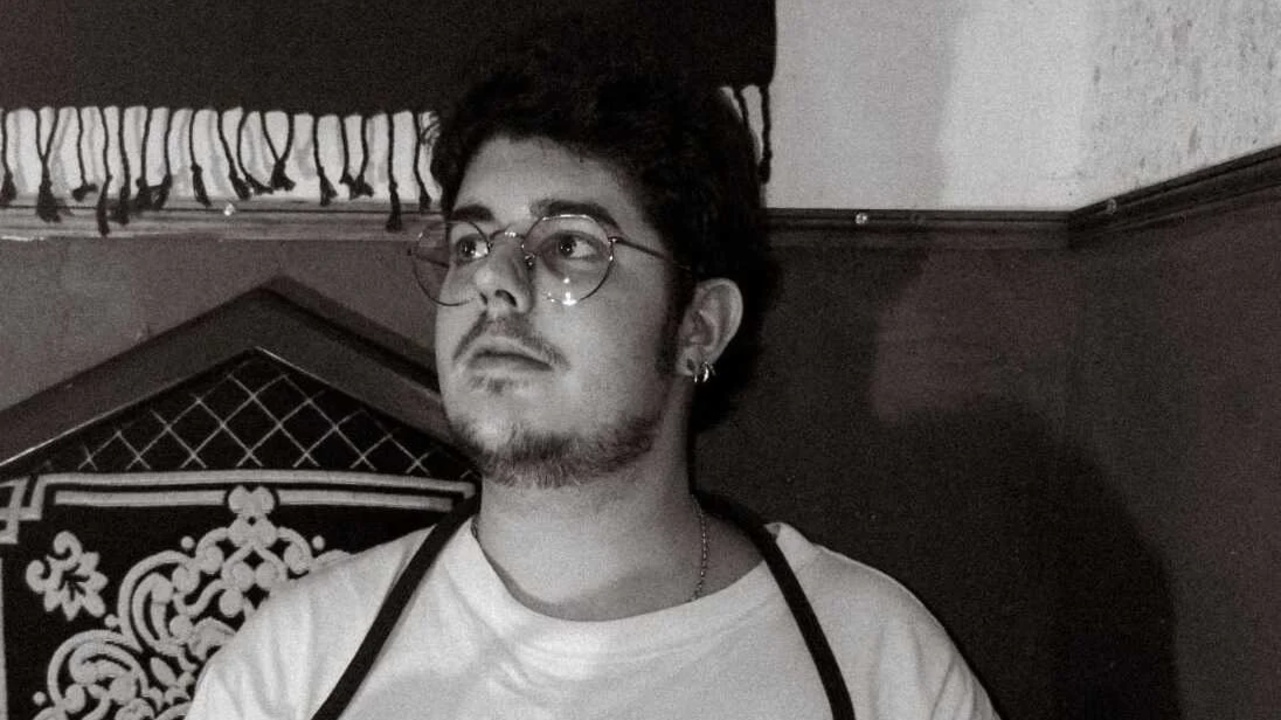
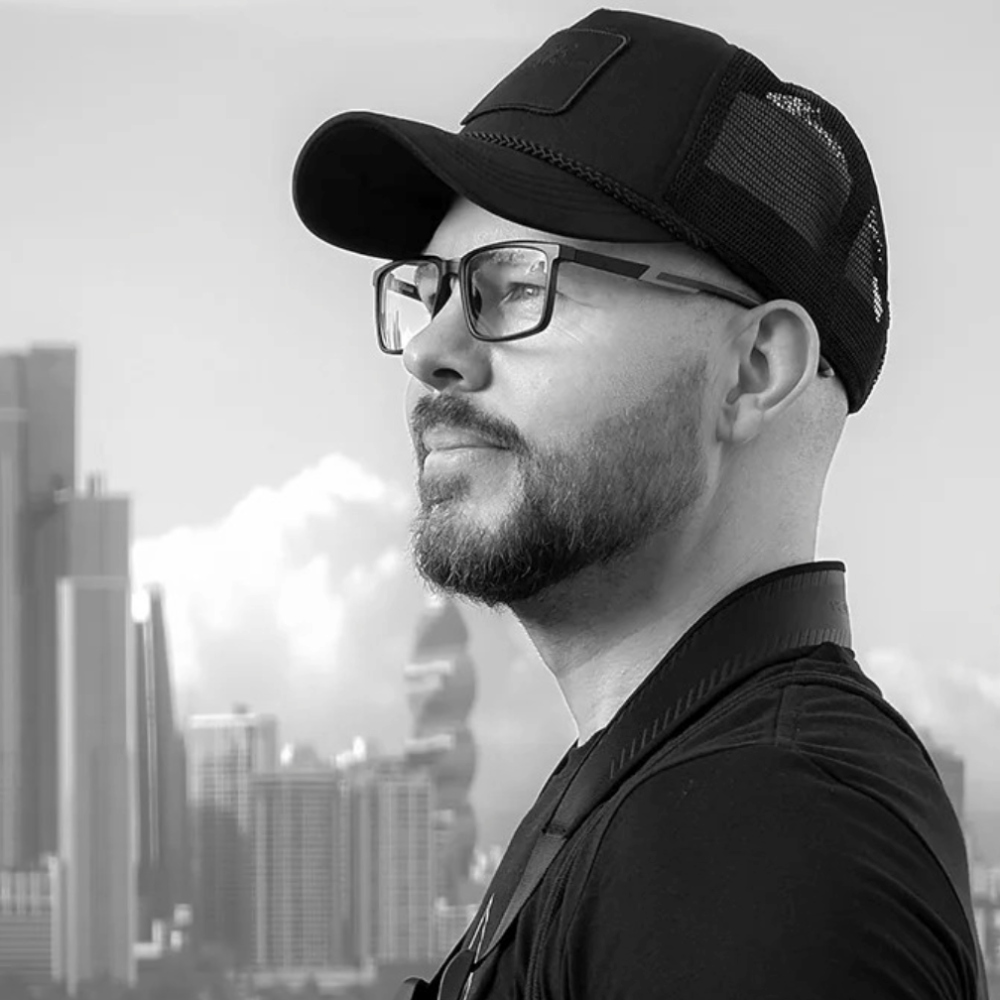
Guided by the surreal visions of cinema’s masters, Ángel Soto Bueno blends fiction’s mystery with the lyricism of analogue photography. For him, art is not explained but experienced, leaving space for every viewer to discover their own meaning.
I am deeply inspired by dreamlike arts and filmmakers such as David Lynch, Andrei Tarkovsky, and Federico Fellini. I believe their ways of inhabiting dreams and the intangible have strongly shaped my vision. In my work, I try to combine the mystery of fiction with the poetry of analogue photography.
Although I now work professionally in photography and video, my path to this point has been full of failed attempts. For a long time, I heard people tell me that you couldn’t make a living from this. But for me, it has never been about a hobby or profitability—the vital thing is to live in art, not from art, because I can’t conceive of life any other way.
That conviction is what kept me consistent even in the most difficult moments. This award is very special because it is the first one I’ve ever won, and receiving this recognition has brought me great joy. I feel it marks the beginning of a long journey ahead.
For me, beyond the theme of the competition category, it is purely about emotion. I first need to distance myself from my work—I usually try not to look at it for a while, to forget that I am the author. Then, when I return to it, I focus on its emotional impact. That’s how I judge the quality of the piece.
My relationship with the camera began very early. When I was five, I was given a small Sony pocket camera. At thirteen, a reflex camera became the doorway into my own universe. Since then, every stage of my life has been marked by photography. What began as a simple documentary record slowly transformed into an inexhaustible artistic quest.
I am passionate about dreamlike film photography. I am interested in creating scenarios that seem taken from a dream and connecting them to the tangible world through film. Film attracts me because of its unpredictable nature: unlike digital, where control over the result is almost total, film brings accidents and errors that turn into wonderful discoveries, making each image truly unique.
I prefer working with film and vintage lenses from the 1960s, especially Summicron lenses, because they bring a very special texture and atmospheric character to the image. I also tend to use retro-style films such as Candido 400, which enhance the timeless feeling I seek.
For me, light leaks, grain, stains, or veils are not defects, but living traces of a moment suspended in time—a fusion of art and craftsmanship that defines my way of photographing.
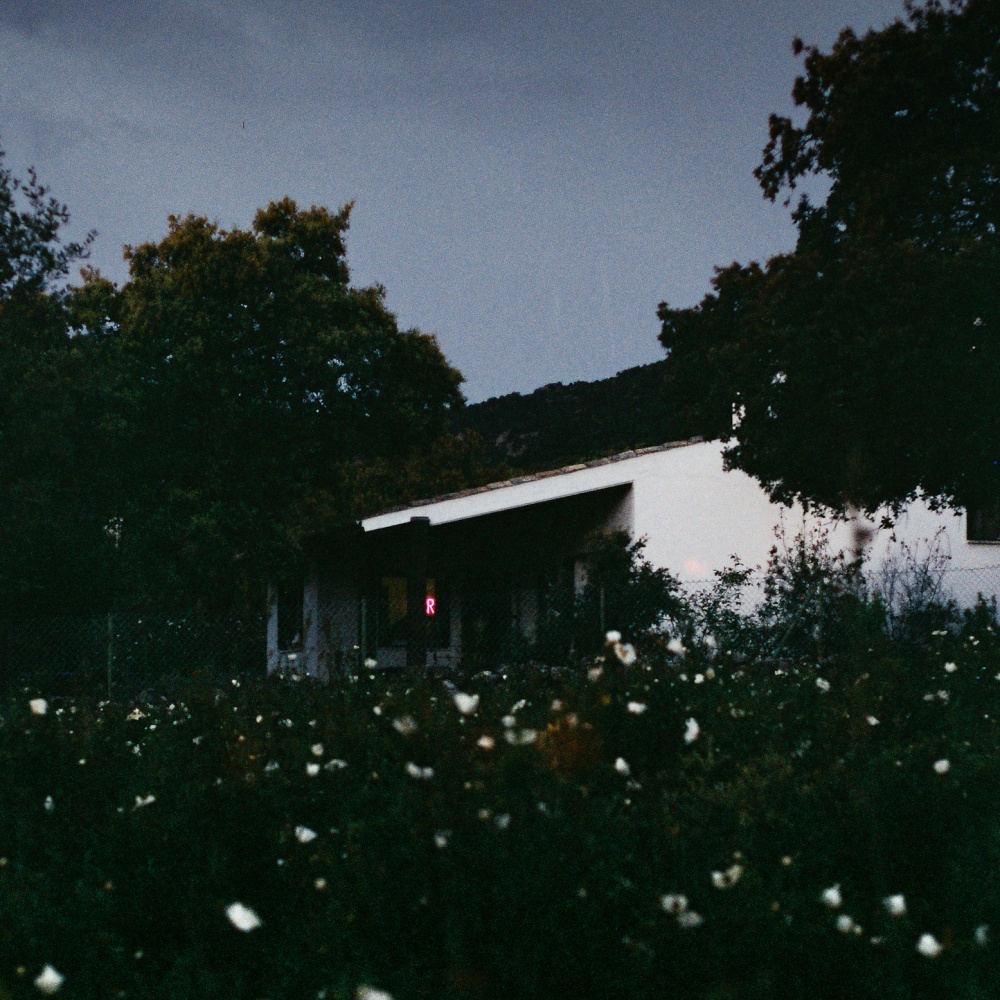
I would like each person to feel something unique and, above all, honest—free from the conditioning of others’ opinions, including my own. I am not fond of explaining my works; in fact, for the award-winning photograph, I only included a dedication to David Lynch, because he was essential to its creation.
I believe that if a work does not speak for itself, it lacks something fundamental. That is why I don’t want people to feel something specific—I prefer that each viewer discover their own reading within my images.
The most difficult part was working with the light. The “R” was a neon sign in a dark interior, while the sky was cloudy and yet the sun illuminated the forest. Since I was working on film, I didn’t have a wide dynamic range, so I had to patiently wait for the contrasts to balance out.
I knew clearly: the “R” had to stand out without dazzling, so the letter could be read, and at the same time, the white of the flowers needed to pop enough to guide the gaze toward the house.
The forest at night, in absolute solitude under the stars, is the place where most of my ideas are born. Many times, I see a scene and don’t yet know if I want to photograph it or how to do it; I need to meditate on it calmly until the image first appears in my mind. That first vision never fully matches the final result, but it works as an essential sketch for the creative process.
I remember walking through Germany and stumbling upon an exhibition at the Leica store. The author was David Hurn, whom I didn’t know at the time. I entered almost by chance and ended up losing track of time; there were a couple of works in particular that hypnotised me for hours. That experience left a deep mark on me, and since then, I have become obsessed with analogue photography.
A photography contest does not mark a turning point in your life, but it can open doors and help you build a solid trajectory, especially for those who don’t yet know your work. My advice is as obvious as it is necessary: perseverance. This is the first award I have ever won, but before that, I had entered many smaller competitions without results.
To persevere, it is essential to trust in the quality of your own work and not depend on anyone else’s opinion. That discernment only develops with experience. Winning or losing matters less than continuing to photograph and improve every day.
Nowadays, almost everything has already been photographed, and technology allows us to achieve an impressive level of sharpness and realism. Technical knowledge is also within everyone’s reach. What will truly make you stand out is showing your unique vision, your character, and your personality in every image you capture.
Apart from chemical development, where I can intervene a little more in the final result, I try to touch as little as possible in digital post-processing. I like imperfections from analogue photography to remain part of the work, preserved as the marks of a unique piece of craftsmanship.
I don’t believe AI is capable of creating art; at best, it can imitate it through an amalgam of existing works, so mixed that they lose personality. What worries me is that traditional photography will be equated with AI-generated images, and even more so that, to many eyes, the difference may be indistinguishable.
I think, in response, we should move away from the archetype of the bohemian, mysterious artist who hides their creative process, and instead open the curtains of the studio. Showing what lies behind each work is, in my opinion, the best way to highlight photography against artificial intelligence.
I would love to capture a cosmic event—one of those photographs where you point at the stars or the Milky Way and, by sheer chance, you end up recording something that appears in the sky, something perhaps no one else in the world has ever seen.
Read more fantastic photography journeys through Cultural Stories in Frame: An Interview with Photographer Gabi Steiner, here.