Uniform Teeth Clear Aligner Packaging
Clear aligners are an alternative to braces and are designed to move teeth into their...
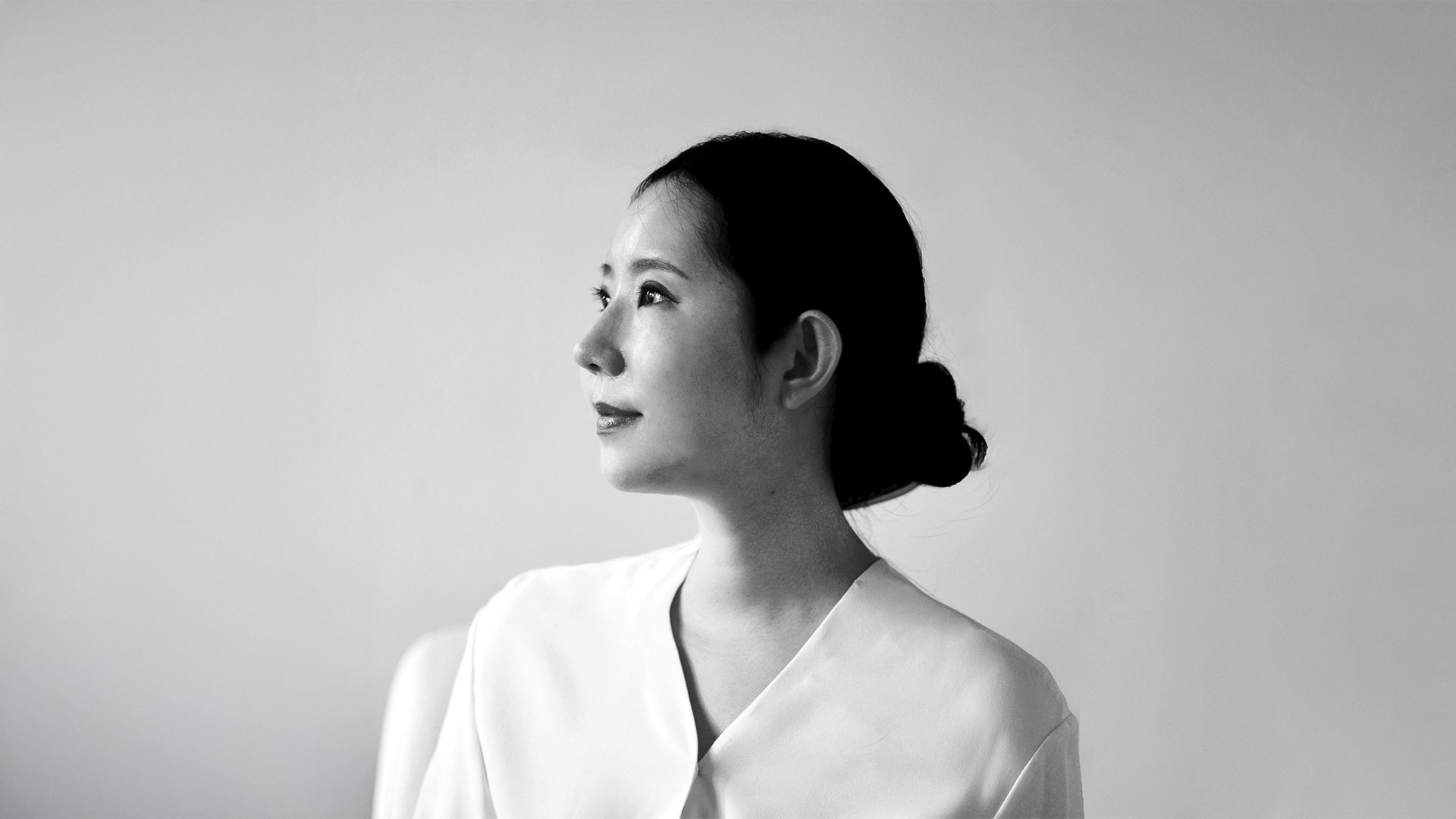
Jiwon Chong is a Visual UX Designer at Amazon specializing in accessibility and Human-Machine Interface (HMI) design. With a decade of experience across technology, healthcare, and e-commerce, she creates inclusive, human-centered experiences that blend innovation with real-world impact.
I am a Visual UX Designer at Amazon. With a decade of experience across technology, healthcare, and e-commerce, I specialize in accessibility and Human-Machine Interface (HMI) design.
My design philosophy is rooted in the belief that user experience extends beyond screens to encompass everything people interact with, from digital platforms to physical products. I was inspired to pursue design by its unique ability to combine aesthetics and functionality to solve real-world problems.
My career has been defined by a commitment to enhancing human experiences through accessibility, human-centered design, and inclusive solutions that promote economic growth and workforce development.
Being recognized by a prestigious international program such as the MUSE Design Awards is a meaningful validation of my commitment to design excellence. It affirms that my work—often focused on complex challenges such as inclusive digital hiring and medical packaging—meets high standards of innovation, impact, and quality.
More importantly, this recognition reinforces my belief in design as a powerful tool for driving social progress and creating meaningful economic opportunities.
International recognition has helped elevate my professional profile and enabled me to build meaningful connections within the global design community.
For my teams, these awards serve as validation of our collective efforts to create impactful, best-in-class experiences. One example is the Amazon careers website, which helps connect more than a million people with employment opportunities each year.
These achievements create opportunities for new collaborations and strengthen my ability to advocate for inclusive design practices across the industry.
Experimentation is essential to pushing the boundaries of traditional design. For my Invitation for Damien Hirst project, I explored the idea of transforming packaging into an interactive storytelling medium.
By reimagining an invitation as a conceptual medicine box—where recipients "take" pills representing artworks to reveal exhibition details—I transformed packaging from a functional communication tool into a tactile and emotionally engaging experience.
I often draw inspiration from fine art as a way to bridge the gap between artistic expression and commercial design.
For one packaging project, I was inspired by Damien Hirst's exploration of life, death, and pharmaceuticals. Through a minimalist mint-green aesthetic and pill-inspired elements, I created a metaphor for confronting mortality through the simple act of unboxing.
I wish more people understood that design is not simply about making things look appealing; it is about solving meaningful human challenges.
Accessibility, for example, is often overlooked, yet it plays a critical role in shaping employment opportunities, social inclusion, and equal access to services. Effective design requires far more than aesthetics—it demands research, empathy, strategic thinking, and technical rigor to create solutions that serve diverse communities and real-world needs.
I navigate this balance by grounding my ideas in user-centered research and measurable outcomes. Whether designing for Apple or Amazon, I ensure that creative solutions align with strategic objectives, whether that means increasing app adoption, improving accessibility, or enhancing hiring efficiency.
By demonstrating how a design decision—such as an inclusive illustration system or a streamlined user journey—supports both user needs and business goals, I can remain true to my design principles while delivering meaningful results.
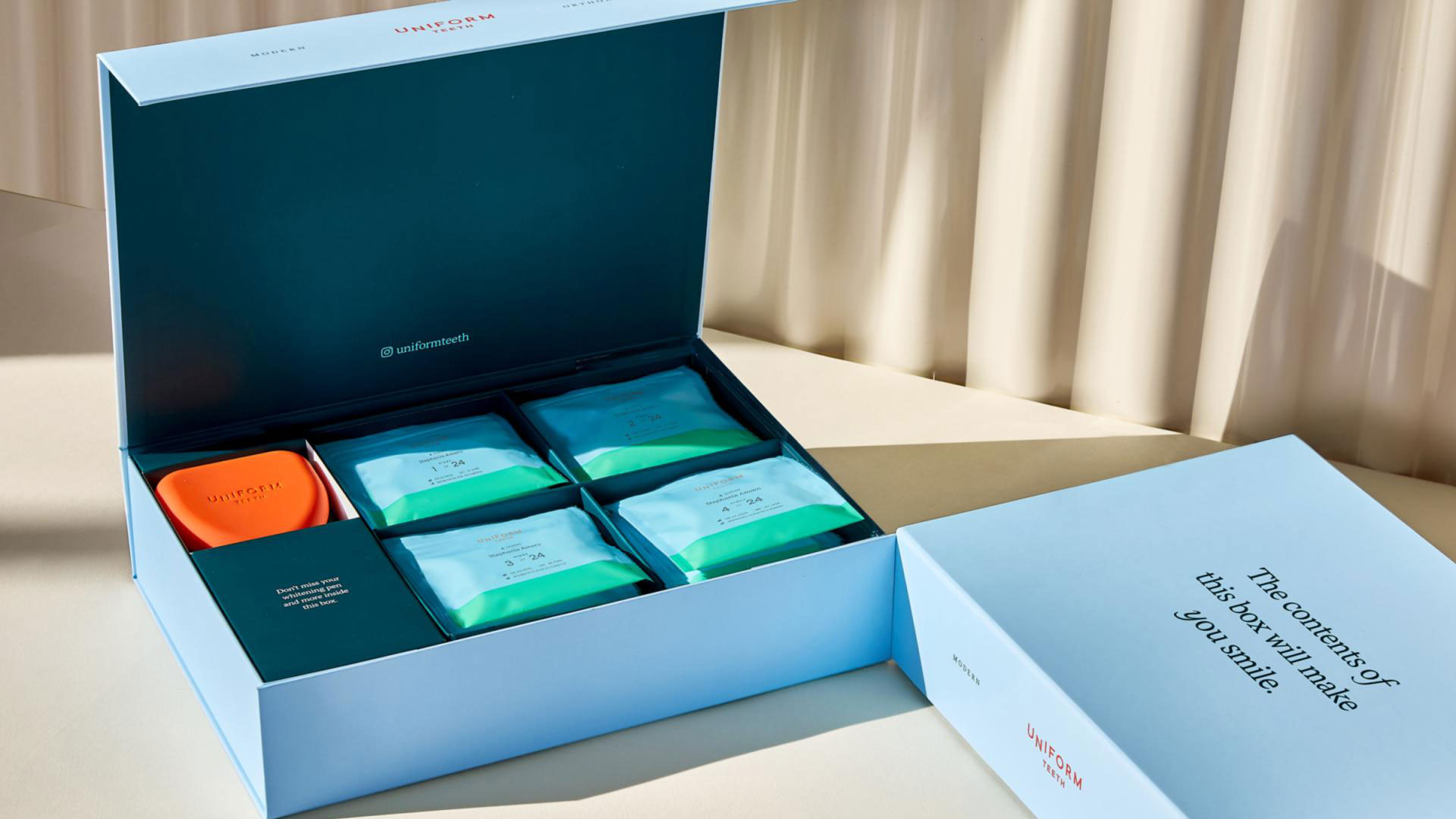
In my work on medical packaging for Uniform Teeth, the challenge was balancing strict regulatory requirements with the emotional needs of patients. Medical packaging is often highly functional, yet it can also feel clinical and intimidating.
To address this, I conducted user interviews and incorporated a vibrant orange silicone case along with a more uplifting color palette. These design decisions helped create a more supportive and confidence-inspiring experience throughout the patient’s treatment journey.
I recharge by stepping away from digital interfaces and engaging with physical objects, materials, and academic research. Exploring different areas of design—from web UX to product packaging—allows me to cross-pollinate ideas and approach challenges from new perspectives.
I also find inspiration in serving as a juror for international design awards. The experience offers a unique opportunity to discover emerging talent, observe cutting-edge innovation, and gain insight into creative thinking from around the world.
I bring a deep commitment to inclusivity and accessibility to every project. My experience at Amazon, particularly in designing recruitment platforms that serve millions of users, has reinforced my belief that design carries a broader social responsibility.
I value solutions that serve the full spectrum of users, especially those whose needs are often overlooked. By designing with accessibility in mind from the outset, we can create experiences that are more equitable, intuitive, and inclusive for everyone.
Focus on creating work that delivers meaningful impact beyond the screen. Seek out complex challenges in areas such as accessibility, healthcare, and social innovation, where thoughtful design has the potential to improve lives in tangible ways.
I also encourage designers to engage with the broader design community. Participating in awards programs, industry events, and professional juries can help validate your expertise, expand your network, and expose you to new ideas and perspectives that support long-term growth.
If I could collaborate with any designer, I would choose Stefan Sagmeister. I have long admired his ability to blur the boundaries between art and design, creating work that is both intellectually engaging and emotionally resonant.
Collaborating with someone of his caliber would be a remarkable opportunity to further explore how design can challenge perceptions, provoke thought, and create meaningful connections with people.
I wish more people would ask me, "How can design drive national economic growth?"
My answer is that inclusive design has the power to reduce barriers to employment and participation. By making digital hiring platforms accessible to people with disabilities, we can expand access to opportunities, strengthen workforce participation, and contribute to a more inclusive economy.
Design is not simply a visual service; it is a powerful tool for social progress and economic growth.